What Unit 9 Offers on the Kaibab Plateau
For many Arizona hunters, the very name "Kaibab" conjures images of massive mule deer bucks and truly epic hunts. But getting a tag for this storied region, specifically Unit 9, can feel like trying to catch smoke. This guide is here to cut through the myths and provide a realistic, in-depth look at what Unit 9 on the Kaibab Plateau actually offers, how to approach applying for it, and what to expect if you're lucky enough to draw.
The Legendary Allure of Arizona's Unit 9
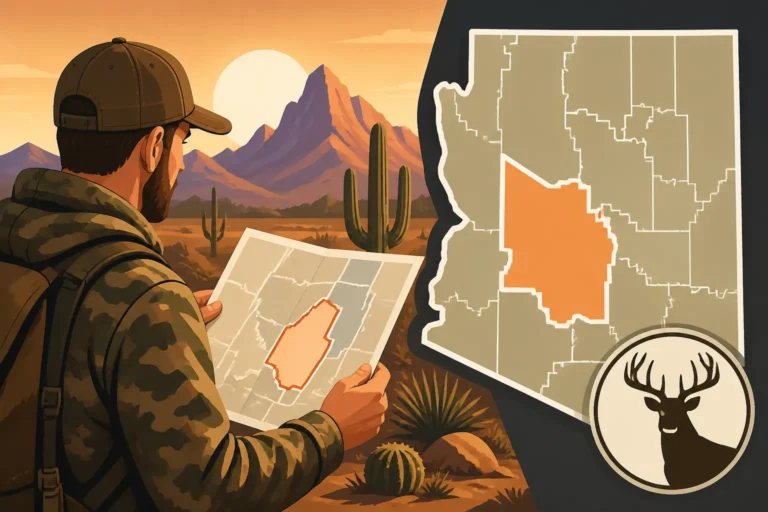
Unit 9, nestled on the Kaibab Plateau north of the Grand Canyon, holds a near-mythical status among mule deer hunters. It's known for producing some of Arizona's largest mule deer, attracting hunters from across the country who dream of chasing a giant buck through its Ponderosa pine and aspen forests. The reputation is well-earned; historical photos and stories of monster deer harvested here are abundant, fueling the desire to experience this unique hunting ground.
However, this legendary status comes with a significant challenge: extreme demand. Everyone wants to hunt Unit 9, which means drawing a tag is incredibly difficult, often requiring many years of accumulating bonus points. It's not a unit you can typically decide to hunt on a whim; it requires long-term planning, patience, and a healthy dose of luck. For many, applying for Unit 9 becomes an annual tradition, a lottery ticket purchased with hopes and dreams, knowing the odds are stacked against them. Understanding this reality is the first step toward a realistic approach to hunting the Kaibab. The sheer anticipation of the draw results for this unit can be a rollercoaster of emotions for any dedicated hunter.
Beyond mule deer, Unit 9 also hosts elk, although it's not primarily known as an elk unit in the same way it is for deer. These elk often share the same dense timber and open parks, presenting a different challenge for those who manage to draw one of the scarce elk tags. The ecosystem of the Kaibab is diverse, supporting a variety of wildlife, but it's the mule deer that truly define its hunting identity.
Navigating the Kaibab: Terrain, Habitat, and Access
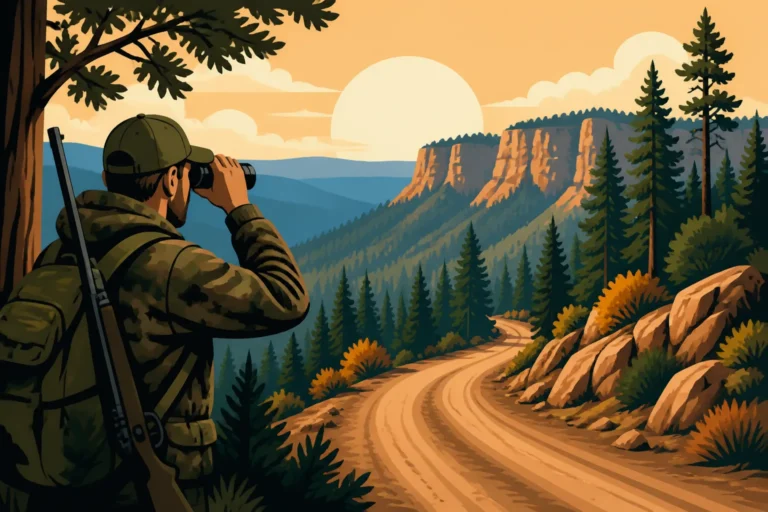
Unit 9 encompasses a vast area of the Kaibab Plateau, characterized by its high elevation, ranging from roughly 6,000 to over 9,000 feet. The landscape is dominated by dense Ponderosa pine forests, interspersed with aspen groves, oak brush, and open meadows. These diverse habitats provide excellent cover, forage, and bedding areas for mule deer, especially during the colder months when they seek refuge and sustenance. The terrain itself can be deceptively rugged; while much of the plateau appears relatively flat on a macro scale, it's riddled with deep canyons, washes, and undulating ridges that can make travel on foot quite challenging.
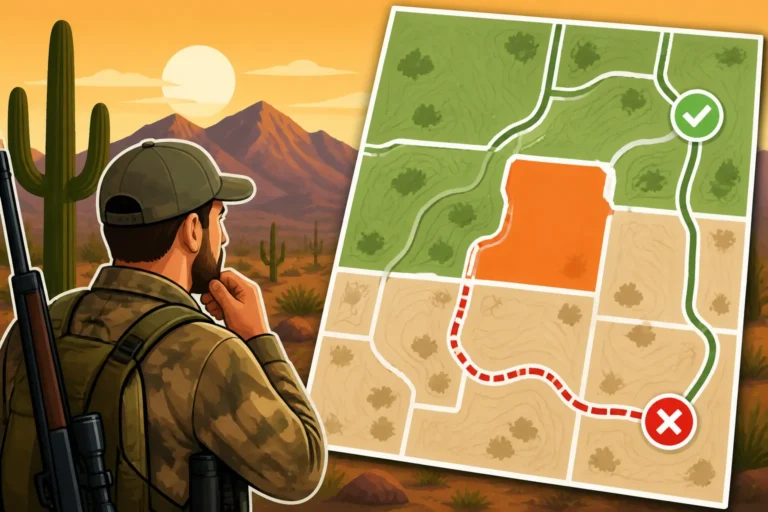
Access to Unit 9 is generally via a network of forest roads managed by the Kaibab National Forest. Many of these roads are well-maintained, but some can become impassable, especially during or after heavy rains or snow. Seasonal road closures are a common occurrence, particularly in winter, when deep snow can completely shut down large portions of the unit. Hunters need to pay close attention to these closures, as getting stuck or trying to access closed areas can lead to significant problems. Snow Closures on the Kaibab Plateau are a serious consideration, particularly for late-season hunts.
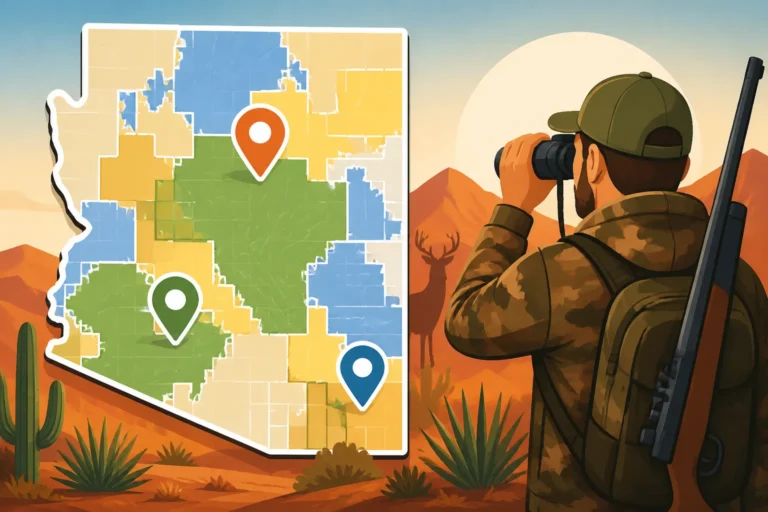
When planning a hunt in Unit 9, it’s absolutely essential to use detailed mapping tools. Services like onX Hunt are invaluable for understanding land ownership (though Unit 9 is largely public land), identifying road networks, and marking potential hunting spots or water sources. Satellite imagery can help reveal subtle terrain features, thick timber, or hidden clearings that might hold deer. Using onX Layers for Arizona Public Land can give you a significant advantage in scouting and navigating this complex landscape. Remember, the sheer size of the unit means you can't simply "wing it"; thorough map research and understanding the unit boundaries are paramount.
The Challenge of Drawing a Unit 9 Tag
Drawing a Unit 9 mule deer tag is, for many, the ultimate Arizona hunting achievement, but it's also one of the toughest draws in the West. Arizona's bonus point system heavily favors applicants with more points. Every year you apply and are unsuccessful, you accrue another bonus point, increasing your mathematical odds for future draws. However, with so many hunters vying for these coveted tags, even those with maximum points are not guaranteed a permit. The competition is intense, making patience a virtue—and a necessity.
Non-residents face an even steeper climb due to Arizona's nonresident tag cap, which limits them to a maximum of ten percent of the tags issued for any given hunt. This means fewer opportunities for out-of-state hunters, amplifying the difficulty. For many, the strategy is simply to buy a bonus point every year without expecting to draw, hoping that eventually, their number will come up. Sites like GoHunt provide excellent resources for analyzing Arizona Hunt Permit Application Data, offering insights into draw odds and trends that can inform your application strategy. They can show you how many points it might take, but there are no guarantees.
Applicants also need to be aware of the two main draw cycles in Arizona: the February draw for elk and antelope, and the June draw for deer, sheep, and bison. Unit 9 mule deer tags fall into the June cycle. Missing these deadlines means missing out on the opportunity to gain a point or draw a tag for that year. It's a system that requires diligence and long-term commitment. For those aiming for Best Units to Draw for a Mature Mule Deer, Unit 9 is often at the top of the list, despite its formidable draw odds.
| Characteristic | Kaibab Unit 9 Mule Deer Hunt | General Arizona Forest Mule Deer Hunt |
|---|---|---|
| Primary Habitat | Dense Ponderosa pine, Aspen, Oak Brush, High Elevation Meadows | Mixed conifer, Juniper, Pinon, Desertscrub, Mid-Elevation |
| Terrain Difficulty | Deceptively rugged, deep canyons, undulating ridges | Varies wildly, from gentle slopes to extreme mountains |
| Mule Deer Reputation | Legendary for potential Boone & Crockett class bucks | Good to excellent, but top-end trophies less common |
| Draw Difficulty | Extremely difficult, often requires max points, multi-year wait | Moderate to difficult, possible with fewer points or OTC in some areas |
| Hunting Pressure | High, but concentrated hunters mean vast quiet areas | Varies from unit to unit, generally moderate to high |
| Access | Extensive forest road system, but prone to winter closures | Varies by unit, often good forest road access |
| Scouting Importance | Critical for understanding seasonal deer movement and refuge | High, but can be done closer to hunt date |
| Weather Impact | Significant snow can alter hunt drastically, require chains | Can be hot, cold, or wet; less prone to extreme snow closure |
Hunting Strategies and Expectations on the Kaibab
Once you've beaten the odds and drawn a Unit 9 tag, the real work begins. Hunting the Kaibab requires different strategies than many other desert mule deer hunts. While glassing is always important, the dense timber of the Kaibab often necessitates still-hunting or methodical tracking. The "gray ghosts" of the Ponderosa can disappear almost silently, making careful movement and keen observation paramount. Understanding the deer's behavior within this specific habitat is key to success.
Early season hunts on the Kaibab might find bucks in bachelor groups, often in higher elevations and thicker cover, making them elusive. As the season progresses into late fall, the rut becomes a major factor, potentially drawing deer out into more open areas as they seek does. This is when the classic Kaibab hunt comes alive, with bucks moving more freely. However, late seasons also bring the risk of significant snow, which can both push deer into more accessible areas and make hunter access extremely difficult. Mule Deer Across Northern Arizona will often behave differently than their desert counterparts further south.
Scouting is absolutely non-negotiable for Unit 9. If you draw this tag, plan to spend as much time as possible in the unit before your hunt. Identify bedding areas, feeding zones, water sources, and travel corridors. Pay attention to changes in elevation, saddle points, and areas of diverse vegetation. Even if you've hunted other areas of Kaibab Plateau Mule Deer Quality, each unit, and even different sections within Unit 9, can present unique challenges and opportunities. Using tools like GoHunt to research harvest reports and success rates from previous years can also provide valuable insights into where deer might be concentrated and what kind of effort is typically required. Remember, a Unit 9 tag is a once-in-a-lifetime opportunity for many, so maximize your preparation.
Disclaimer
This article is for general informational purposes only and does not constitute professional advice. Laws, prices and regulations vary by location and change over time. Consult a qualified professional for guidance on your specific situation.