Why Tribal Tags Bypass the Arizona Draw
Navigating the world of Arizona hunting can feel like a labyrinth at times, with its unique draw systems, bonus points, and over-the-counter opportunities. But one area that often causes a lot of head-scratching, especially for folks new to the state or even seasoned residents, is the question of tribal hunting tags. You might hear whispers of incredible opportunities on tribal lands, only to wonder why those tags never show up in the Arizona Game and Fish Department’s (AZGFD) annual draw booklet. It's a common point of confusion, and frankly, it can be frustrating trying to understand how an animal living within Arizona's borders isn't managed by the state. This guide aims to demystify exactly why tribal tags operate completely outside the Arizona draw system, giving you a clearer picture of these distinct hunting opportunities.
Understanding Tribal Sovereignty and Wildlife Management
The primary reason tribal tags operate independently of Arizona's state draw system boils down to a fundamental legal concept: tribal sovereignty. Many hunters, understandably, view Arizona as one unified piece of land under a single set of hunting regulations. However, the reality is far more nuanced, especially when it comes to the lands managed by Arizona's various Native American tribes.
A Separate Jurisdictional Framework
Imagine, if you will, that within the geographical boundaries of Arizona, there are distinct, self-governing nations. That's essentially what tribal lands are. These tribal nations possess inherent sovereign authority, which means they have the right to govern themselves, manage their own resources, and enact their own laws—including those pertaining to wildlife and hunting. This isn't just a courtesy; it's a legally recognized status, stemming from historical treaties and federal law.
What this means for you, the hunter, is that when you step onto tribal land, you're entering a jurisdiction separate from that of the state of Arizona. While you're still geographically in Arizona, the rules of the game change. The tribal government, not the Arizona Game and Fish Department, is the authority responsible for wildlife conservation, setting seasons, establishing bag limits, and issuing hunting permits within its reservation boundaries. They determine everything from The Arizona Elk and Antelope Application Deadline to specific weapon restrictions, totally independent of the state.
Why State Laws Don't Apply
The legal basis for this separation is quite robust. Federal recognition of tribal sovereignty grants these nations the authority to manage their own affairs, including natural resources like wildlife. Therefore, the Arizona Game and Fish Department's regulations and draw processes, which apply to state and federal public lands (like BLM and National Forests) within Arizona, simply do not extend to tribal trust lands.
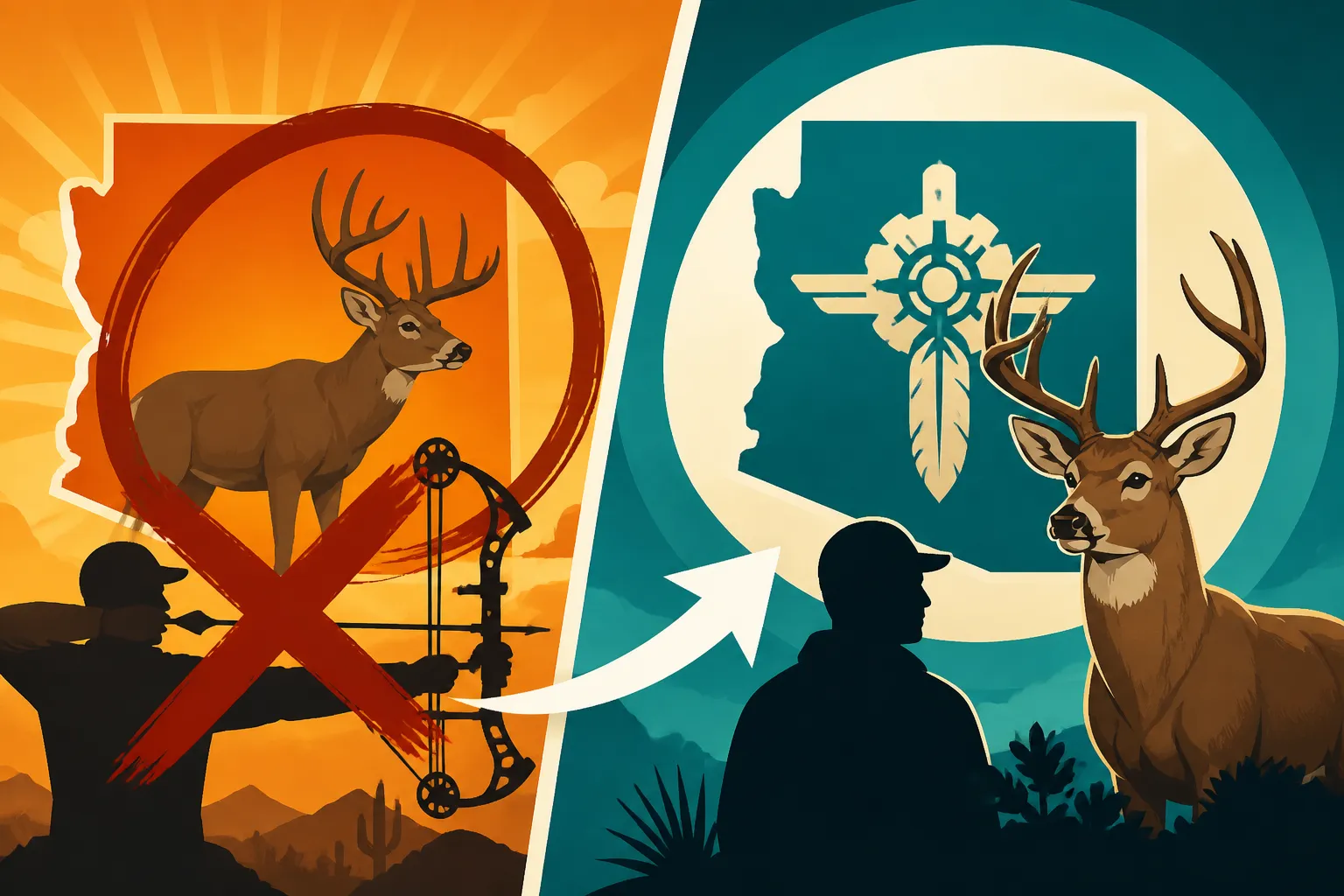
This is a critical distinction that can sometimes catch hunters off guard. You can’t use an AZGFD-issued state tag to hunt on tribal lands, just as you can’t use a tribal tag to hunt off-reservation on state or federal lands. Each system is entirely self-contained. It’s a bit like buying a fishing license for California and expecting it to be valid in Nevada; it simply doesn't work that way because different sovereign entities manage their own resources. This distinct management also extends to issues like Legal Shooting Hours and Blaze Orange in Arizona, which can vary significantly between tribal and state regulations.
How Tribal Tag Systems Work Independently
Given their sovereign status, Arizona's tribal nations have developed their own comprehensive systems for managing hunting, from licensing to season structures. These systems are designed to serve the specific conservation goals and cultural values of each tribe, which may differ from the state’s approach.
Separate Licensing and Tagging Processes
When you decide to pursue a hunting opportunity on tribal land, you won't be logging into the AZGFD portal or submitting an application through their draw system. Instead, you'll engage directly with the specific tribal wildlife or natural resources department. Each tribe, such as the White Mountain Apache Tribe or the San Carlos Apache Tribe, administers its own hunting program.
This involves purchasing a tribal hunting license and any specific game tags directly from the tribe. These purchases often happen through the tribe's designated office or online portal, completely bypassing the state's application deadlines and draw results. The application periods, fees, and drawing mechanisms (if any) are set by the individual tribe. For instance, some tribes might have an application period with a lottery system, while others might sell tags over-the-counter until quotas are met, or even offer premium tags through auctions or limited sales. This means you need to do your homework for each specific tribe you’re interested in, as they all operate a bit differently. You might find some of these opportunities listed on platforms like BookYourHunt, or research details using tools like GoHunt's tribal sections.
Unique Hunt Structures and Regulations
Just as the licensing process is separate, so too are the hunt structures and specific regulations. Tribal hunts might have different season dates than state hunts for the same species, unique weapon restrictions, or different bag limits. For example, a tribal elk season could open weeks before or after a comparable state season, or allow weapon types (like certain crossbow configurations) that are restricted on state lands during archery-only hunts. This is a common point of interest for hunters looking for unique experiences or different timing.
Furthermore, hunt units are defined by tribal boundaries, not the Arizona Game and Fish Department's numerical unit system. This means that a "Unit 27" on tribal land would refer to a specific area designated by the tribe, not AZGFD's Unit 27. It's crucial for hunters to understand these distinctions and thoroughly review the specific tribal regulations for the area they plan to hunt. These regulations can cover everything from camping restrictions to rules about Baiting and Trail Camera Rules in Arizona, so always get the current tribal rule book.
Implications for Arizona Hunters
Understanding that tribal tags bypass the Arizona draw isn't just about knowing how to apply; it has broader implications for your overall hunting strategy, especially if you're trying to build bonus points with the state or plan multiple hunts.
No Impact on Arizona State Bonus Points
One of the most significant implications for hunters is that pursuing and obtaining a tribal tag has absolutely no bearing on your Arizona state bonus points. Your bonus points, which are crucial for increasing your odds in the highly competitive state draws for species like elk, antelope, and bighorn sheep, are earned and accumulated solely within the AZGFD system.
Drawing a tribal tag for, say, a trophy bull elk on the White Mountain Apache Reservation, will not cause you to lose your accumulated state elk bonus points. Conversely, participating in the tribal draw or purchasing a tribal tag does not earn you a bonus point with AZGFD. They are two entirely distinct systems, running parallel but never intersecting. This can be great news for hunters who want to hunt every year but are struggling to draw a premium state tag, as it offers another avenue for pursuing big game without sacrificing their long-term state draw strategy for Arizona Caps Nonresidents at Ten Percent of Every Hunt.
Different Application Strategies
Because tribal hunts operate independently, they require a completely different application strategy. You'll need to research each tribe individually to understand their specific processes, which can vary significantly from one nation to another.
Here are a few pointers for your strategy:
- Targeted Research: Don't just rely on the AZGFD website. You'll need to seek out the official websites or contact the wildlife departments of specific tribes like the Navajo Nation, San Carlos Apache, or White Mountain Apache.
- Unique Opportunities: Tribal lands often offer unique hunting experiences, including some of the highest-quality big game hunts in the state, sometimes with different timing or limited pressure. For instance, the White Mountain Apache Tribe is renowned for its trophy elk.
- Outfitted Hunts: Many tribes work with authorized outfitters to facilitate hunts for non-tribal members. Booking through an outfitter can simplify the process, especially for non-residents or those unfamiliar with tribal lands. These guides are familiar with specific tribal rules, which can be immensely helpful, especially for Vetting an Arizona Outfitter Before You Send a Deposit. You can often find listings for these guided hunts through services like BookYourHunt.
- Permit Availability: Tribal permits might be available on a first-come, first-served basis, through a draw, or even via auction. Always check the current regulations and availability well in advance, as some of these tags are highly sought after.
- State License Still Required: While tribal tags bypass the state draw, you will still need a valid Arizona state hunting license (the general hunting license, not a specific big game tag) to hunt on tribal lands, in most cases, as a basic requirement to carry a firearm and participate in hunting activity within the state's geographical boundaries. This is similar to how Arizona State Trust Land Needs a Permit, and Your License Counts for access.
Here's a quick comparison of the two systems:
| Feature | Arizona State Draw Tags (AZGFD) | Arizona Tribal Tags (e.g., White Mountain Apache) |
|---|---|---|
| Jurisdiction | State of Arizona (public lands, some private with permission) | Sovereign Tribal Nation (reservation lands) |
| Managing Authority | Arizona Game and Fish Department (AZGFD) | Tribal Wildlife/Natural Resources Department |
| Application Process | Centralized online portal, specific draw cycles | Direct application to individual tribe, separate deadlines/processes |
| Bonus Points | Earned and used within AZGFD system | No impact on AZGFD bonus points; tribes may have their own system |
| Tag Acquisition | Lottery Draw or Over-the-Counter (for certain species/seasons) | Direct purchase, tribal draw, auction, or through authorized outfitters |
| Regulations | AZGFD regulations handbook | Specific tribal regulations and ordinances |
| Geographic Scope | AZGFD-defined Game Management Units | Tribe-defined hunt areas within reservation boundaries |
| Outfitter Involvement | Optional, but common for premium hunts | Often required or highly recommended, especially for non-members |
The existence of tribal hunting opportunities, separate from the state's draw, simply broadens the horizons for Arizona hunters. It offers additional chances to hunt some of the state's incredible big game species, often in breathtaking and less-pressured landscapes. Just remember that it means doing a bit of extra research and understanding that you're operating under a different set of rules. Whether you're chasing Arizona Elk on the Rim, White Mountains and Kaibab or Coues Deer Are Arizona's Signature Whitetail, exploring both state and tribal opportunities can lead to a richer hunting experience.
Disclaimer
This article is for general informational purposes only and does not constitute professional advice. Laws, prices and regulations vary by location and change over time. Consult a qualified professional for guidance on your specific situation.