Taking Two Unlicensed Children Afield
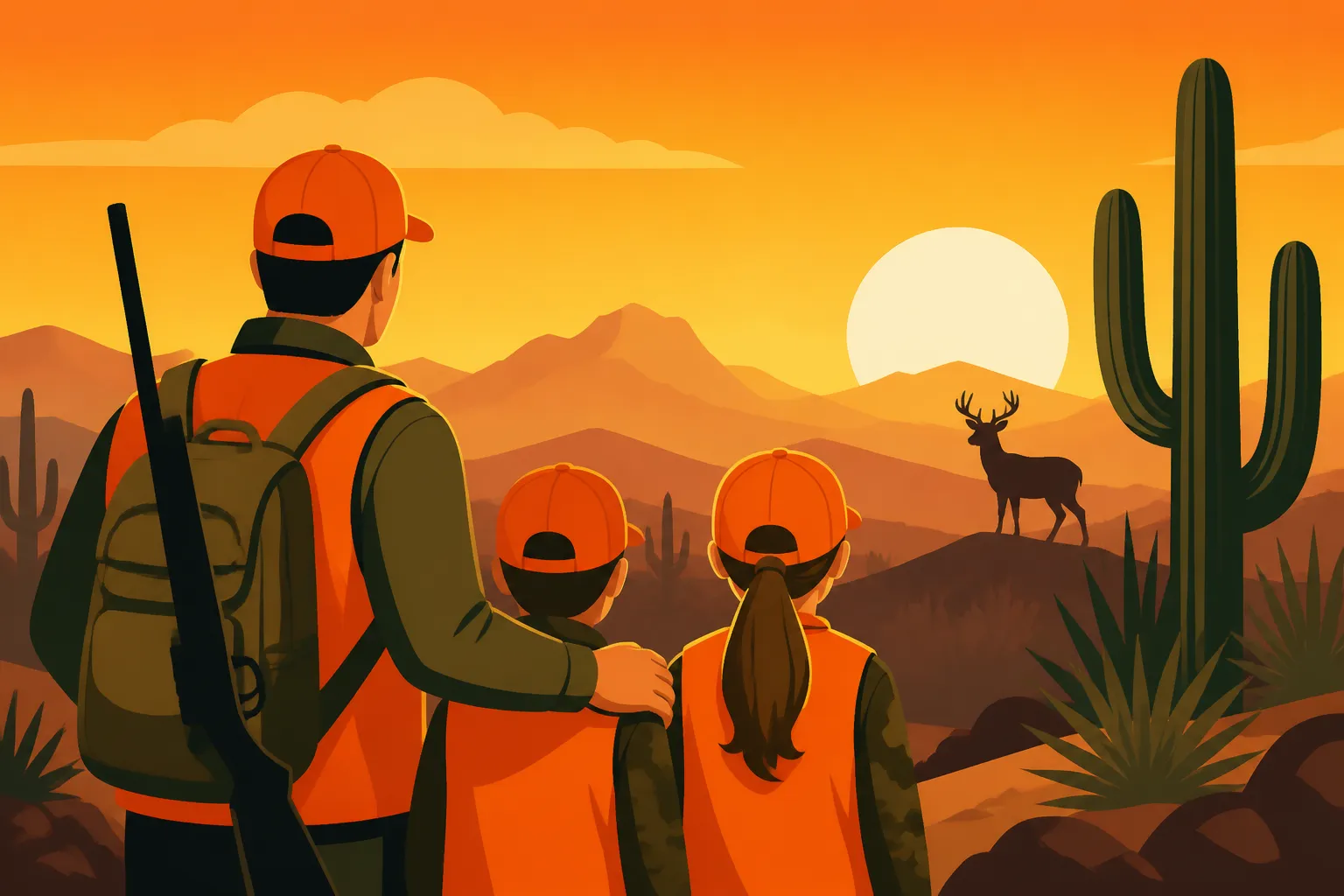
It's a wonderful thing, wanting to share the outdoors and the tradition of hunting with the next generation. But let's be honest, navigating the regulations around bringing children afield in Arizona can feel like trying to track a Coues deer through a rockslide – confusing, full of hidden pitfalls, and you just want a clear path. This guide is here to untangle the rules specifically about bringing unlicensed children along for the adventure, so you can focus on making memories, not second-guessing your legal standing.
Understanding Arizona's Youth Hunting Regulations
When you're eager to introduce a child to hunting, the first hurdle often feels like a mountain: licenses. Many states have intricate rules, and Arizona is no exception. It's not always about whether your child can hunt yet, but whether they can even accompany you legally. The good news is, Arizona has provisions that make it easier to get kids out there without immediately needing a full license.
The Basics of Youth Licenses
For most big game and small game hunting in Arizona, every participant needs a valid hunting license. This isn't just a formality; it's how the state manages wildlife populations and funds conservation efforts. However, Arizona understands that passion for hunting often starts long before a child is ready to pull a trigger or draw a bow. This is where the concept of an "unlicensed child afield" comes into play. It's a specific, limited pathway designed for observation and early exposure, not active hunting. Think of it as a crucial first step, letting them experience the sights, sounds, and rhythms of the hunt without the pressure of needing to perform or meet specific age requirements for full licensure right away. It's about fostering interest and understanding, building a foundation for future, licensed hunting experiences.
Why Licensing Matters Even for Observers
You might think, "If my child isn't actually hunting, why do I care about licenses?" The truth is, wildlife management agencies, like the Arizona Game and Fish Department, need clear guidelines to differentiate between active hunters and observers. These rules help prevent unintentional violations, ensure safety, and maintain the integrity of hunting seasons. For instance, if an unlicensed child were to accidentally harvest an animal, it could lead to significant legal trouble, not just for the child but for the accompanying adult. The regulations exist to provide a framework that allows for education and exposure while minimizing risks. They also ensure that any potential future hunting activities are conducted by individuals who have met educational requirements, like those covered in the Arizona Hunter Education Course, which is required for anyone under 14 who wants to hunt big game or as a primary license holder. It's about responsible participation, even for those just learning the ropes.
The Apprentice Hunting License: A Stepping Stone
While this guide focuses on unlicensed children, it's important to understand the Apprentice Hunting License because it’s often the very next step for young, aspiring hunters. It bridges the gap between simply observing and becoming a fully certified hunter, providing a supervised path to gain practical experience in the field.
What the Apprentice License Covers and Doesn't
The Arizona Apprentice Hunting License is a fantastic program designed to allow new hunters, of any age, to experience hunting under the direct supervision of an experienced, licensed adult. For youth, it means they can actively participate in hunting before completing a hunter education course. With this license, they can hunt any species for which they have the appropriate tag, provided they are under the immediate control and instruction of a mentor. This is a huge step up from merely observing. However, it's crucial to understand what it doesn't cover: it does not exempt them from needing tags for specific species (like an elk tag or deer tag), and it still requires that direct supervision from a fully licensed adult who is 18 years or older. This mentor must be within arm's length, ready to take immediate control of the weapon if needed, ensuring the apprentice's safety and adherence to all regulations. The apprentice license is explicitly designed as a temporary learning tool, generally valid for two license years, after which the individual is expected to complete hunter education if they wish to continue hunting independently. If you're wondering, it's explained further in detail in articles like "The Apprentice License and What It Excludes".
Eligibility for the Apprentice License
Eligibility for an Apprentice Hunting License in Arizona is fairly straightforward. There's no minimum age, making it accessible to young children eager to participate actively, provided they can safely handle a firearm or bow. The primary requirement is that they do not possess a valid hunter education certificate. This license is specifically for those who haven't yet completed the course. It's a pathway for both youth and adults new to hunting to get hands-on experience before committing to the full hunter education program. For example, a nine-year-old who has never hunted before could obtain an apprentice license. This allows a parent or guardian to take them out and teach them the ropes directly in the field. It’s a fantastic way to assess a child's interest and readiness for hunting before they spend hours in a classroom or online. Just remember, the supervising adult must have a valid Arizona hunting license and be at least 18 years old.
Age Restrictions and Exemptions for Unlicensed Youth
This is where many parents get tripped up, thinking every child needs a license from day one. Arizona actually offers a significant exemption that allows very young children to participate in the outdoor experience without a license, as long as they stick to specific types of game and remain under close supervision.
Under What Age Are Licenses Not Required?
In Arizona, a child under the age of ten years old is generally not required to possess a hunting license when hunting small game. This is a critical distinction and a huge relief for parents wanting to introduce their little ones to the field. This exemption means you can take your seven-year-old out for a quail hunt or a rabbit hunt without needing them to buy a license or complete hunter education. However, the rule is very specific: it only applies to small game and aquatic wildlife. They still must abide by all bag limits and season dates, and importantly, they must be under the direct supervision of a licensed adult. This isn't a free-for-all; it's a carefully crafted allowance to foster early engagement. The idea is to let them carry a small .22 rifle or a pellet gun for rabbits or squirrels, or even a tiny shotgun for doves or quail, under your watchful eye, without the immediate barrier of a full license requirement. This opens up a world of possibilities for those initial hunting adventures, allowing children to learn firearm safety and ethical hunting practices hands-on. You can find more specific information on this topic in our article, "Hunting Small Game Under Ten Without a License".
Small Game vs. Big Game Exemptions
The distinction between small game and big game is paramount when it comes to unlicensed youth hunting in Arizona. As mentioned, children under ten can hunt small game and aquatic wildlife without a license. This includes species like rabbits, squirrels, quail, dove, and various fish. This exemption is designed for volume, for those fast-paced, high-opportunity hunts where the focus is often on quick action and developing basic shooting skills.
Big game is an entirely different story. There are no exemptions for unlicensed youth when it comes to big game hunting. If a child, regardless of age, wishes to hunt deer, elk, javelina, bear, or any other big game species, they must possess a valid hunting license and the appropriate tag for that species. This means that a six-year-old cannot harvest a javelina, even with direct adult supervision, without first having a license and tag. For big game, if a child is under 14, they would typically need to complete hunter education to obtain a general hunting license, or they would need an Apprentice Hunting License under the direct supervision of a qualified adult. The stakes are higher with big game — the animals are larger, the hunts often require more patience and skill, and the management decisions are more sensitive. So, while you can bring a young child along as an observer on a big game hunt, they cannot actively participate in the taking of that animal unless they are properly licensed and tagged.
Supervision Requirements for Young Hunters
Even when a child falls under an exemption or holds an apprentice license, supervision isn't just recommended; it's legally mandated and incredibly important for safety and ethical conduct. Arizona's rules are quite specific about who can supervise and how many children they can oversee.
The Adult-to-Child Ratio
Arizona law outlines a clear adult-to-child ratio for supervising young hunters, especially when the children are unlicensed or hold an apprentice license. An adult who is 18 years of age or older and possesses a valid Arizona hunting license can supervise:
- Up to two unlicensed children under 10 years old who are hunting small game or aquatic wildlife.
- Up to two apprentice license holders of any age, for any species, as long as each apprentice also possesses the necessary tags for the game they are pursuing.
This means if you're a single adult hunter, you can realistically take your two young kids, aged 7 and 9, out for a morning of quail hunting. Both could carry their own .410 shotguns, and you would be the sole licensed adult responsible for their safety and adherence to regulations. This ratio is designed to ensure that the supervising adult can maintain immediate control and provide adequate instruction to each child, ensuring safety remains paramount. Trying to manage more than two young, inexperienced hunters at once is simply too risky and could lead to unsafe situations, not to mention a direct violation of the rules. For more details, you can consult "How Many Unlicensed Children May Come Along".
| Category | License Required for Child | Game Type Allowed | Adult Supervisor Requirements | Maximum Children per Adult |
|---|---|---|---|---|
| Unlicensed Child (Under 10) | No (for small game) | Small Game, Aquatic Wildlife | 18+ years old, valid AZ hunting license, direct supervision | 2 children |
| Apprentice License Holder | Yes (Apprentice License) | Any (with tag) | 18+ years old, valid AZ hunting license, direct supervision | 2 children |
| Fully Licensed Youth (10-13) | Yes (General License) | Any (with tag) | 18+ years old, valid AZ hunting license, direct supervision | No specified limit (but still common sense for safety) |
| Fully Licensed Youth (14+) | Yes (General License) | Any (with tag) | Not legally required (but mentorship still encouraged) | N/A |
Note: "Direct Supervision" means the adult is close enough to take immediate physical control of the hunting weapon and to provide continuous, unobstructed vocal communication.
Direct Supervision: What It Really Means
"Direct supervision" isn't just about being in the same general area; it's a very hands-on requirement. In Arizona, direct supervision means the licensed adult must be within "arm's length" of the young hunter at all times. This isn't a suggestion; it's a literal interpretation. You need to be close enough to physically touch the child and, if necessary, immediately take control of their firearm or bow. This level of proximity ensures that you can intervene instantly if a dangerous situation arises, provide real-time instruction, or correct a mistake before it escalates.
For example, imagine your child is tracking a rabbit through thick brush. You're not just walking behind them; you're right there, perhaps even with your hand on the stock of their rifle, guiding them, reminding them of safety rules, and ensuring they have a clear line of sight. This is especially critical when dealing with firearms, where even a momentary lapse in judgment can have serious consequences. This constant, close supervision is the cornerstone of safely introducing young hunters to the field, fostering good habits, and instilling a deep respect for both wildlife and firearms. It's a commitment, but one that pays dividends in safety and education.
Ethical Considerations When Hunting with Children
Beyond the legal requirements, bringing children into the hunting tradition carries a profound ethical responsibility. It's not just about teaching them to shoot or identify game; it's about instilling a lifelong respect for nature, fair chase, and the animals they pursue.
Teaching Responsible Hunting Practices
Introducing children to hunting is an incredible opportunity to teach them what it truly means to be a responsible hunter. This goes far beyond just aiming and shooting. It encompasses understanding wildlife biology, respecting game laws, practicing selective harvesting, and ensuring quick, humane kills. Take, for instance, a situation where you're out looking for "Mourning and White-Winged Dove in Arizona". Before the first shot is fired, you can talk about identifying species, understanding flight patterns, and why waiting for a clear shot is crucial.
You can also introduce them to the concept of leaving no trace, proper field dressing techniques, and the importance of utilizing every part of the animal. Discuss why baiting is illegal in Arizona for big game and how trail cameras should be used ethically for scouting, not for hunting over. These discussions, woven into the fabric of the actual hunt, are far more impactful than any lecture. It’s about demonstrating, through your own actions, the commitment to ethical behavior that defines a true conservationist. They learn that hunting isn't just about the harvest, but about the entire process, including preparing for an ethical hunt as described in "Preparing Physically for a Desert Hunt".
Focusing on the Experience, Not Just the Harvest
It’s easy to get caught up in the desire for a successful harvest, especially when introducing a child to hunting. We all want them to experience the thrill of success. However, for young, unlicensed, or apprentice hunters, the true value of the experience often lies far beyond punching a tag. Focus on the journey: the crisp morning air, the sounds of the desert waking up, the challenge of spotting wildlife, the quiet camaraderie shared in the blind or on the stalk.
Maybe you're "Glassing Arizona's Sky Islands for Coues Deer". Instead of solely looking for a shooter buck, teach your child how to use binoculars, how to scan terrain, and how to identify different animals. Point out the tracks of a javelina or the distinct call of a Gambel's quail. Celebrate the small victories: a successful stalk, a perfectly placed shot on a tin can at the range, or even just sitting quietly and observing nature. If a harvest doesn't happen, that’s perfectly okay. What they will remember is the time spent with you, the lessons learned, and the deep connection to the outdoors. This holistic approach helps them develop a passion for hunting that is sustainable, ethical, and deeply rewarding, independent of the outcome of any single hunt. It teaches them that respect for the animal and the environment are paramount, and that the hunting tradition is about so much more than just pulling a trigger.
Planning Your First Hunt with Unlicensed Children
Once you understand the regulations, the next step is careful planning. Bringing children into the field requires extra preparation, not just for safety and legality, but to ensure they have a positive, memorable experience that fosters a love for the outdoors.
Choosing the Right Species and Location
Selecting the appropriate species and location for a child's first hunting experience is absolutely critical. For an unlicensed child under ten, you're looking for small game. Rabbits, squirrels, and quail are fantastic choices because they offer higher odds of success, more action, and less pressure than big game. A quick-paced small game hunt keeps short attention spans engaged.
Consider a local Arizona Game and Fish Department wildlife area, a readily accessible patch of BLM land, or even private land where you have permission. You'll want an area that offers relatively easy walking, predictable game populations, and minimal other hunters to reduce distractions and safety concerns. Remember, for small game, you can check "Arizona Quail Season Opening Dates" or "Cottontail and Jackrabbit Seasons" to align with open seasons. For instance, the desert washes around Phoenix or Tucson often hold plenty of cottontails, offering a great entry point. You're trying to create a positive first impression, so avoid overly challenging terrain or areas known for sparse game.
Essential Gear and Safety Preparations
Bringing children into the field means your gear list will expand, and safety preparations will be even more stringent. Beyond your usual hunting essentials, you'll need:
- Properly sized firearms or bows: A lightweight .22 rifle or a small-gauge shotgun (like a .410 or 20-gauge) is often perfect for small game. Ensure it fits them well and they can handle it safely. If using a bow, ensure it has a light draw weight.
- Hearing and eye protection: Non-negotiable for anyone around firearms. Make sure it fits comfortably.
- Appropriate clothing: Layers for Arizona's fluctuating temperatures, sturdy boots for rocky terrain, and a blaze orange hat or vest for visibility, even if not legally required for archery-only seasons, as discussed in "Blaze Orange Requirements Through the Season".
- Plenty of water and snacks: Kids get hungry and thirsty quickly. Pack more than you think you'll need, especially in the desert environment, as highlighted in "Water You Must Carry on a Day Hunt".
- First-aid kit: Always essential, with extra emphasis on child-specific needs like band-aids for scraped knees.
- Navigation tools: A reliable GPS or an app like GoHunt with downloaded maps, along with a physical map and compass, is crucial. Teach them how to read a map to foster their outdoor skills.
- Pre-hunt safety briefing: Before leaving home, review all safety rules, including muzzle control, trigger discipline, target identification, and what to do in an emergency. Make it a routine.
- Range time: Practice extensively at a shooting range until they are comfortable and safe with their chosen weapon. This builds confidence and competence before heading into the field.
Remember, the goal is to make it a fun, safe, and educational experience. Being over-prepared is always better when children are involved.
When to Consider a Hunter Education Course
While exemptions allow very young children to participate in small game hunts, and the apprentice license offers a bridge, at some point, a formal hunter education course becomes the natural and necessary next step for any aspiring hunter.
The Benefits of Formal Training
A formal hunter education course provides a comprehensive foundation that goes far beyond what can be taught in individual field sessions. It covers critical areas like:
- Advanced firearm and archery safety: Including safe zones of fire, transporting weapons, and storage.
- Wildlife identification and conservation: Teaching children about different species, their habitats, and the role hunters play in conservation, which is a key aspect of "The Ethically Hunting Arizona Course Explained".
- Hunter responsibility and ethics: Delving into fair chase, respectful treatment of game, and property etiquette.
- Survival and first aid: Essential skills for any outdoor enthusiast.
- Game laws and regulations: A thorough understanding of local and state rules, which are constantly evolving.
This structured learning environment, often involving classroom instruction, practical field exercises, and a certification exam, solidifies their knowledge and prepares them for independent hunting. It also ensures they receive consistent, accurate information from certified instructors.
Arizona's Requirements for Youth Hunter Education
In Arizona, hunter education becomes a legal requirement under specific circumstances. Anyone under the age of 14 who wishes to obtain a hunting license to hunt big game must successfully complete a hunter education course. This means if your 12-year-old wants an elk tag, they need that certification. Even if they are 10, 11, 12, or 13 and want to hunt small game as the primary license holder (not just under the direct supervision exemption), they'll need hunter education.
There are various ways to complete the course, including online options followed by a field day, or traditional in-person classes. "Hunter Education From Age Nine in Arizona" highlights that children can typically start the course as young as nine years old, preparing them well in advance for when they turn 10 and want to fully participate in licensed hunts. Completing hunter education not only fulfills legal obligations but also earns them a permanent bonus point in Arizona's draw system, which can be invaluable for future big game tag applications. It's an investment in their hunting future, ensuring they are well-prepared, safe, and ethical members of the hunting community.
Disclaimer
Please note that hunting regulations can change, and it is always the hunter's responsibility to consult the most current Arizona Game and Fish Department regulations prior to any hunting activity. This article provides general information and should not be considered a substitute for the official rules and statutes.