The Youngest Age to Take Hunter Education
It’s a common scenario for hunting families in Arizona: you’ve got a youngster who’s finally showing a real interest in joining you afield, and your mind immediately races to all the legalities. What’s the first step? Do they need a license right away? And what about hunter education – can they even take the course at their age, or do you have to wait? This guide will break down the rules surrounding hunter education for young hunters in Arizona, helping you understand the requirements and the best path forward for your budding outdoors enthusiast.
Navigating Arizona's Hunter Education for Youngsters
For many of us who grew up in the hunting tradition, learning the ropes from an experienced family member was often informal, passed down around the campfire or in the deer stand. But today, with safety and conservation paramount, formal hunter education plays a crucial role. When it comes to Arizona, the rules for young hunters can feel a little convoluted, especially with different age brackets and license types. Let’s unravel it so you know exactly where your child stands.
The "No Minimum Age to Learn" Reality
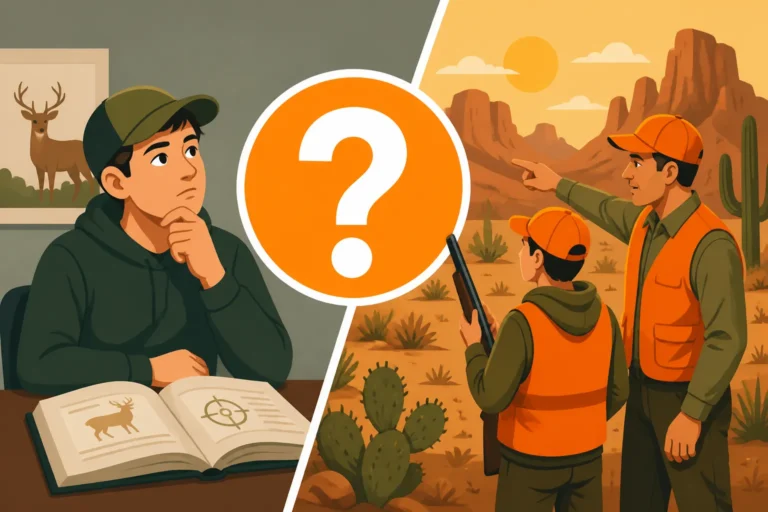
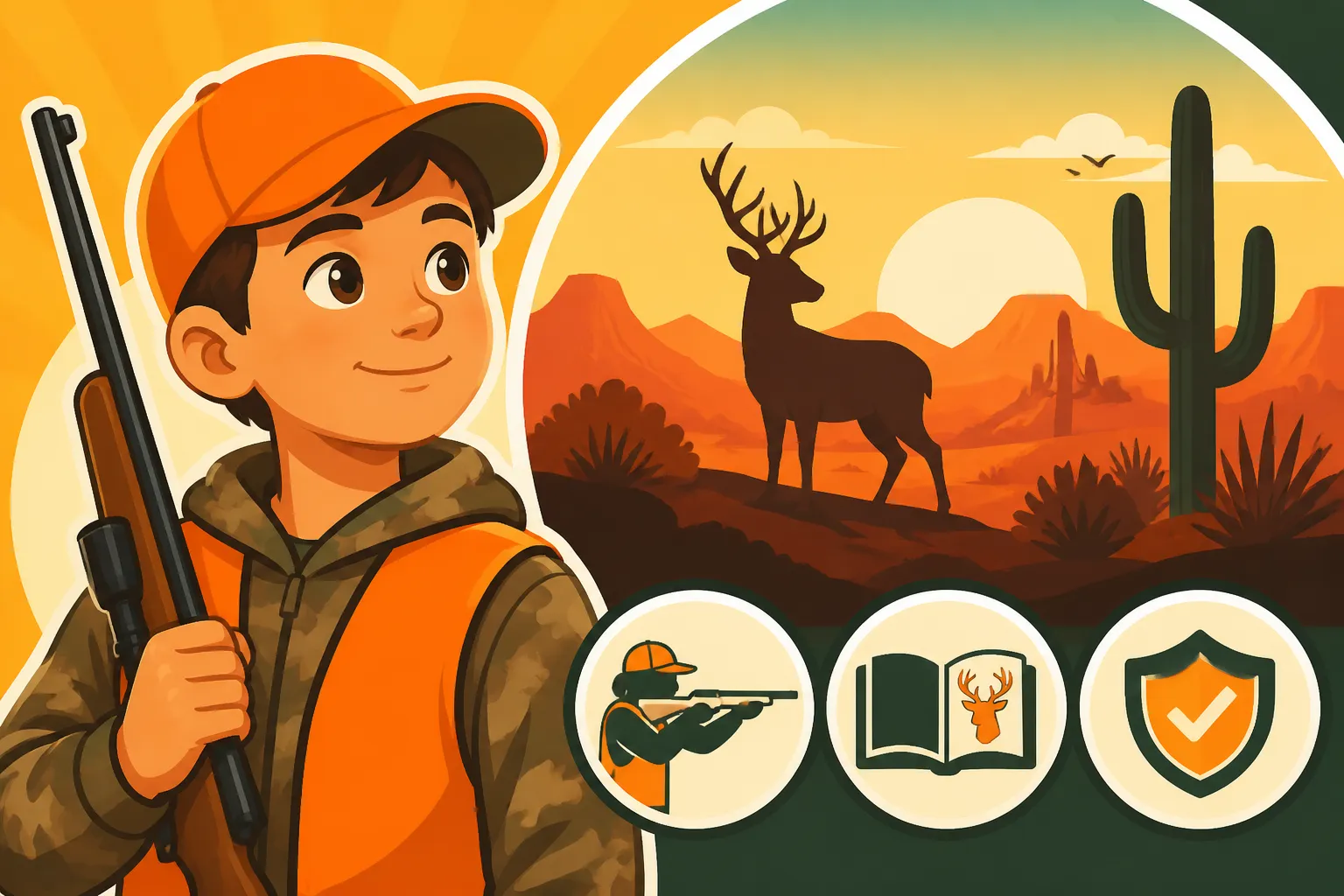
Here’s the thing that often surprises parents: in Arizona, there isn't actually a minimum age to take a hunter education course. That’s right, if your child is eager to learn about firearm safety, wildlife identification, ethical hunting practices, and conservation, they can enroll in and complete an Arizona Game and Fish Department (AZGFD) approved course at any age. This is a huge benefit because it means you don't have to wait for an arbitrary birthday to start instilling these crucial principles. Many parents find that introducing these concepts early, when a child’s curiosity is high and before the pressure of a required course, makes the learning process much more natural and enjoyable. They can absorb the material at their own pace, getting comfortable with the concepts long before they ever need the certification for an actual hunt.
When Hunter Education Becomes a Requirement
While there's no minimum age to take the course, there are specific age points at which possessing a hunter education certificate becomes a legal necessity for hunting big game in Arizona. Generally, children under the age of 10 are not required to have hunter education, but they must always be accompanied by an adult who is at least 18 years old and holds a valid Arizona hunting license. This provides a grace period, allowing younger kids to experience hunting alongside a mentor without the immediate burden of certification.
However, the game changes significantly when a child reaches their 10th birthday. If your young hunter is 10, 11, 12, or 13 years old, they must complete a hunter education course if they intend to hunt big game. This requirement is in place to ensure that by the time they are old enough to participate more actively in the hunt, they have a foundational understanding of safety, regulations, and ethical behavior. It’s a critical step toward becoming a responsible, independent hunter. Once they turn 14, the rules shift again: anyone born on or after January 1, 1967, regardless of whether they’re a resident or nonresident, needs to provide proof of hunter education completion (or a prior hunting license) to purchase an Arizona hunting license for big game. So, for those 10-13, getting that certification is key, or they need to consider an alternative, which brings us to the apprentice license. For a deeper dive into the age rules, you can explore information like what Arizona's Hunter Education Age Requirement covers.
Understanding the Apprentice Hunting License as an Alternative
Sometimes life gets in the way, or your child's interest in hunting sparks just before a season, leaving no time to complete a hunter education course. This is where the Arizona Apprentice Hunting License becomes a real game-changer for those aged 10-13. This special license allows a young hunter to participate in a big game hunt without having completed hunter education, provided they are under the direct supervision of a licensed adult. The supervising adult must be at least 18 years old and possess a valid Arizona hunting license. This isn’t a free pass, though; the adult is fully responsible for the apprentice’s actions, safety, and adherence to all hunting laws.
The apprentice license is designed as a bridge, offering a way for young hunters to get hands-on experience in the field while they work towards their full hunter education certification. It's an excellent way to introduce them to the realities of hunting, from scouting and tracking to ethical shot placement and game recovery. However, it's important to note that the apprentice license does have its limitations. For example, it doesn't count as fulfilling the permanent hunter education requirement for future licensing once they turn 14, and there are specific rules about how many unlicensed children may come along. Always check the current regulations, but generally, it’s a temporary solution, not a permanent substitute. You can learn more about what an Apprentice Hunting License Allows and why an Apprentice License Excludes Big Game for certain situations.
Here’s a quick overview of the age-related requirements:
| Child's Age | Hunter Education Required? | Apprentice License Option? | Supervision Required? | Notes |
|---|---|---|---|---|
| Under 10 | No | No | Yes (licensed 18+) | May hunt small game; exempt from big game requirements if supervised. |
| 10-13 | Yes (for big game) | Yes (for big game) | Yes (licensed 18+) | Must complete hunter education OR use an apprentice license. |
| 14+ | Yes (if born 1/1/67+) | No | No (but recommended) | Must show proof of hunter education or prior license. |
What to Expect from an Arizona Hunter Education Course
So, you've decided to get your child enrolled in hunter education. That's fantastic! The Arizona Game and Fish Department has worked hard to make these courses accessible and comprehensive, ensuring that new hunters are well-prepared for the responsibilities of being in the field. It’s not just about firearms; it’s about a holistic approach to safe, ethical, and knowledgeable hunting.
Online vs. In-Person Learning Paths
Arizona offers flexibility in how hunter education can be completed, catering to different learning styles and family schedules. You can choose between a fully in-person course or a hybrid option that combines online learning with a mandatory in-person field day. The in-person courses, often hosted by certified volunteer instructors, provide a traditional classroom setting where students can ask questions directly, engage in discussions, and benefit from hands-on demonstrations. These can be great for younger kids who thrive in a structured environment and benefit from direct interaction.
For families with busy schedules or those who prefer a self-paced approach, the online course offers convenience. Students can work through the material from home, covering topics like firearms safety, wildlife management, hunting regulations, and survival skills at their own speed. However, even with the online component, Arizona still requires a practical field day. This isn't just a formality; it's a crucial hands-on experience that ensures students can apply what they've learned in a safe and practical setting. You can find details about how long the Hunter Education Course Takes and whether Hunter Education Includes a Field Day? on the AZGFD website.
Essential Skills Taught in the Curriculum
The curriculum for Arizona's hunter education courses is incredibly robust, going far beyond just knowing how to handle a firearm. While firearm safety is, of course, a cornerstone, students also learn about a wide range of topics essential for responsible hunting. This includes comprehensive instruction on wildlife identification, understanding different game species, and learning about their habitats. They'll cover critical ethics, such as fair chase principles, respecting landowners, and the importance of conservation. Navigation skills, like map and compass reading (and increasingly, GPS and apps like GoHunt), are also covered, along with basic first aid and survival techniques.
Crucially, the course also delves into Arizona-specific hunting regulations. This means learning about proper tagging procedures, legal shooting hours, blaze orange requirements (when applicable), and understanding unit boundaries. Having this knowledge firsthand helps prevent accidental violations and fosters a deeper respect for the rules that protect both wildlife and hunters. By the end of the course, students are expected to demonstrate proficiency in safe firearm handling, including carrying, loading, unloading, and storage, ensuring they are prepared for the real-world challenges of hunting.
The Importance of a Practical Field Day
If you opt for the online portion of hunter education, the in-person field day is not optional – it's absolutely vital. This hands-on component brings all the theoretical knowledge to life. During the field day, students get to practice safe firearm handling under the watchful eyes of certified instructors. This often includes live-fire exercises on a range, where they learn proper shooting techniques and gain confidence in their abilities. It’s also an opportunity to demonstrate safe muzzle control, responsible shooting zones, and how to safely cross obstacles with a firearm.
Beyond just shooting, the field day reinforces other critical skills. Students might practice blood trailing, field dressing basics, or even setting up a safe shooting scenario. It's where the abstract concepts become concrete actions. For a young hunter, this practical application is invaluable, helping them develop muscle memory for safe practices and understand the immediate consequences of their actions in a controlled environment. There's no substitute for hands-on experience, and the field day ensures that every certified hunter has a baseline of practical skills and confidence before heading into the wild.
The Lifelong Benefits of Early Hunter Education
Beyond simply meeting a legal requirement, enrolling your child in hunter education at a young age offers a wealth of benefits that extend far beyond their first hunt. It’s an investment in their future as ethical outdoors enthusiasts and responsible citizens.
Fostering Responsible Hunting Ethics from a Young Age
One of the most profound benefits of early hunter education is the opportunity to instill a strong ethical foundation. These courses emphasize the concept of fair chase, the importance of wildlife conservation, and a deep respect for the animals we pursue. Young hunters learn that hunting isn't just about pulling a trigger; it's about being an active participant in wildlife management and understanding their role in the ecosystem. This includes topics like understanding animal behavior, minimizing stress to game animals, and making clean, ethical shots.
By learning these ethics early, children develop a moral compass for their hunting endeavors. They understand that proper shot placement isn't just about success, but about minimizing suffering. They learn the importance of retrieving all edible meat and respecting the animal as a resource. This early exposure helps them internalize these values, turning them into lifelong habits rather than just rules to follow. This is crucial for preserving the integrity of hunting for generations to come, fostering a community of hunters who prioritize respect and sustainability. It aligns well with the principles of courses like The Ethically Hunting Arizona Course Explained, which focuses entirely on responsible conduct.
Enhancing Safety for All Hunters in the Field
Safety, above all, is the primary goal of hunter education. When children learn proper firearm handling, storage, and transport techniques from certified instructors at a young age, these habits become second nature. They learn the four cardinal rules of firearm safety – treat every firearm as if it's loaded, always point the muzzle in a safe direction, keep your finger off the trigger until ready to shoot, and be sure of your target and what's beyond it – which are drilled into them throughout the course. This foundational understanding reduces the risk of accidents not just for themselves, but for everyone around them in the field.
Beyond firearms, the course teaches broader safety principles, such as knowing your hunting companions' locations, signaling for help, and understanding weather conditions. In Arizona’s diverse and often rugged terrain, these skills can be lifesavers. Imagine being in the dense timber of the Mogollon Rim or the vast openness of the desert; knowing how to navigate, communicate, and react to emergencies makes everyone safer. Early education sets them up to be not just safe hunters, but also cautious and aware individuals in any outdoor setting. Understanding rules like Arizona Legal Shooting Hours and Blaze Orange in Arizona also becomes ingrained.
Earning Valuable Bonus Points for Future Hunts
Here's a practical benefit that many Arizona hunters, young and old, appreciate: earning a permanent bonus point for completing hunter education. In Arizona’s competitive draw system, every bonus point can make a difference, especially for coveted tags like elk or desert bighorn sheep. This permanent point gives young hunters a head start in accumulating points, improving their odds in future draws for desirable hunts.
Imagine your child completing their hunter education at age 10 or 11; they immediately get that permanent point, and then every year they apply, they can accumulate another point. Over time, this can significantly increase their chances of drawing a premium tag. It’s a tangible reward for investing in their education and a smart strategic move for any hunter hoping to experience Arizona's incredible big game opportunities. This bonus point never expires and remains with them throughout their hunting career, a testament to their commitment to responsible hunting. For more information on this, check out The Permanent Arizona Point From Hunter Education.
Planning Your Young Hunter's First Arizona Adventure
Getting a young hunter ready for their first real hunt in Arizona is an exciting time, but it requires careful planning and preparation. From choosing the right unit to ensuring they’re physically and mentally prepared, every detail contributes to a safe and memorable experience.
Researching Units and Opportunities with Modern Tools
Once your young hunter has their education squared away, the next step is to figure out where to go. Arizona offers a vast array of hunting opportunities, from Coues deer in the Sky Islands to elk on the Mogollon Rim. Researching specific game management units (GMUs) is paramount. You'll want to look into units with good public land access, manageable terrain for a young hunter, and decent success rates for your target species. Tools like GoHunt are incredibly valuable for this. Their mapping features, draw odds statistics, and unit profiles can help you compare different options, understand access points, and even scout potential hunting areas from your computer. You can filter by species, terrain difficulty, and public land percentages, which is essential when planning a hunt that prioritizes a young hunter's success and comfort. This type of e-scouting can save countless hours of driving and on-the-ground recon, allowing you to focus on the hunt itself. For more in-depth preparation, look into E-Scouting an Arizona Unit Before the Season.
Consider starting with a species that offers a higher chance of success or a more accessible hunt. Javelina, for example, can be an excellent first big game animal for a young hunter due to their prevalence in accessible areas and the exciting nature of tracking them. Or perhaps an Over-the-Counter Archery Deer Tag in one of Arizona's more forgiving units. The goal is to build confidence and excitement, not to immediately chase a trophy in an extreme backcountry setting.
Preparing for Physical and Mental Challenges
Hunting in Arizona, even in seemingly "easy" areas, can be physically demanding. The desert heat, rocky terrain, and sometimes long distances can be taxing, especially for a child. Before heading out, ensure your young hunter is physically prepared. This doesn't mean they need to be an Olympic athlete, but regular walks, hikes, and some basic conditioning can make a world of difference. Teach them how to properly wear a pack, manage hydration, and recognize signs of fatigue or heat exhaustion.
Mentally, hunting requires patience, focus, and resilience. Young hunters need to understand that success isn't guaranteed and that sometimes the best lesson is learning to enjoy the process, even without a harvest. Talk through scenarios with them: what to do if you get separated, how to sit still and be quiet, and the importance of positive attitude. Emphasize the experience of being outdoors, observing wildlife, and spending time together as a family. Setting realistic expectations is key; celebrate small victories, whether it’s spotting an animal, making a good stalk, or simply hiking further than before.
Creating Lasting Memories Beyond the Harvest
Ultimately, the goal of introducing a child to hunting is not just about the harvest, but about fostering a love for the outdoors, a respect for wildlife, and building indelible family memories. These early hunting experiences shape their character and develop a deeper connection to nature. Focus on the moments: the sunrise over a quiet canyon, the rustle of leaves as a deer passes, the shared laughter around a campfire. Teach them about the local flora and fauna, the history of the area, and the importance of leaving no trace.
Involve them in every step, from planning and scouting to setting up camp, preparing meals, and eventually, field dressing and packing out game. These responsibilities, appropriate for their age, will make them feel like a valuable part of the team. Take photos, tell stories, and reflect on the lessons learned after each outing. These shared experiences, whether successful in terms of harvest or not, will be the true trophies they carry with them throughout their lives, cementing a passion for hunting and conservation that will endure for generations.
Disclaimer
Please remember that hunting regulations, including those for hunter education and age requirements, can change. Always consult the most current Arizona Game and Fish Department regulations or visit their official website before planning any hunting activity. This guide is intended for informational purposes only and should not be considered legal advice.