Does Hunter Education Include a Field Day?
Many aspiring hunters, especially those new to Arizona or returning to the field after a long hiatus, often find themselves scratching their heads over the state's hunter education requirements. A common point of confusion revolves around whether a mandatory, hands-on field day is part of the certification process. It's a valid question, given how crucial practical skills are in the field. This guide will clarify Arizona's approach to hunter education, breaking down the formats available and explaining the role — or lack thereof — of mandatory field days, ensuring you understand exactly what it takes to get certified.
Understanding Arizona's Hunter Education Formats
Arizona, like many states, has evolved its hunter education offerings to accommodate a diverse range of learners, from busy adults to eager youngsters. The goal is always to promote safe, responsible, and ethical hunting practices. While the core curriculum remains consistent, the delivery methods offer flexibility.
The Standard Online Course Experience
For many, the convenience of an online hunter education course is simply unbeatable. You can tackle the material at your own pace, from the comfort of your living room, without having to commit to a fixed schedule. This flexibility is a huge benefit, especially for those juggling work, family, and other commitments. The online curriculum typically covers everything from firearm safety and marksmanship principles to wildlife identification, game care, and hunting laws specific to Arizona. It’s designed to be comprehensive, ensuring that even without a physical classroom, students grasp the foundational knowledge. You'll go through modules, answer quizzes, and generally interact with the material digitally. Once you complete the online portion, you'll usually take a final exam to demonstrate your proficiency. It's an efficient way to get the knowledge you need, and for most individuals in Arizona, successfully passing this online course is sufficient for certification.
Traditional Classroom Instruction
Before the internet made online learning so prevalent, classroom-based hunter education was the only option, and it still holds a special place for many. These courses are typically offered by the Arizona Game and Fish Department (AZGFD) or certified instructors in communities across the state. They involve scheduled sessions, often over a weekend or several evenings, where students learn directly from an instructor. The advantage here is the immediate interaction: you can ask questions in real-time, participate in group discussions, and benefit from the instructor's personal experiences and insights. For some, this structured environment is more conducive to learning, and the camaraderie with fellow students can be a great way to meet future hunting partners. While it requires a time commitment, the direct engagement can be incredibly valuable, particularly for those who prefer a more traditional learning setting.
The Role of Optional Field Days in Arizona Hunter Education
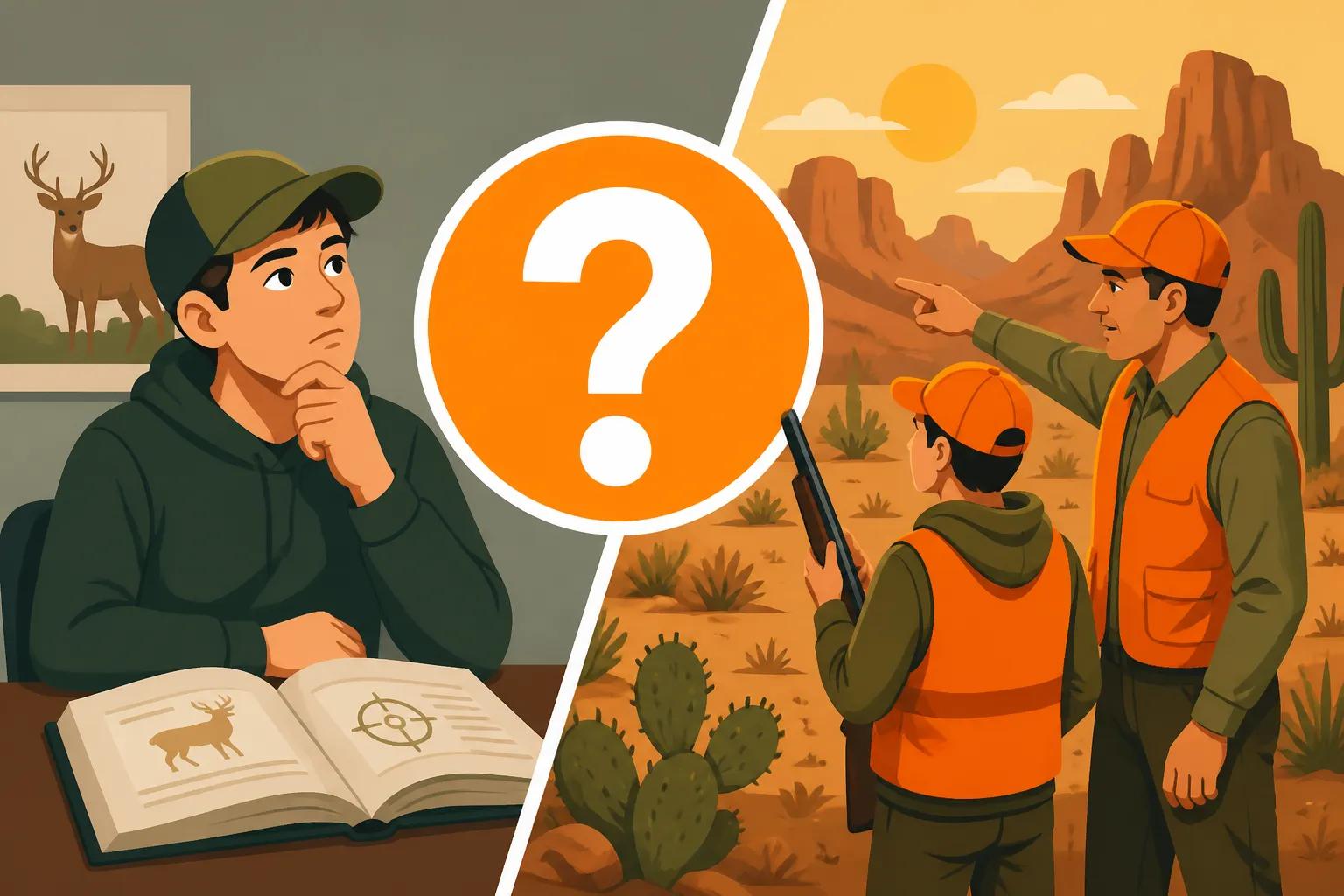
This is where the common misconception about mandatory field days often arises. In Arizona, the standard hunter education certification, whether obtained online or through a traditional classroom course, does not inherently include or require a mandatory hands-on field day component for most hunters. However, this doesn't mean practical skills are ignored.
What a Field Day Typically Entails
While not mandatory for certification, optional field days are available and highly recommended, especially for new hunters who might lack practical experience. These events are designed to bridge the gap between theoretical knowledge and real-world application. Imagine stepping out of the classroom or away from your computer screen and onto a shooting range or into a simulated field environment. A typical field day might include:
- Live-fire practice: This is often the highlight, where participants get hands-on experience with firearms under the strict supervision of certified instructors. You'll learn proper stance, grip, aiming, and trigger control, instilling safe handling habits that are paramount in the field.
- Archery fundamentals: For those interested in bowhunting, field days might offer basic archery instruction, covering proper form, arrow selection, and shooting techniques.
- Blood trailing exercises: Learning how to follow a game animal after the shot is a critical ethical responsibility. Field days often simulate this, teaching participants how to identify and follow sign.
- Tree stand safety: If applicable to the region or hunting style, instructors may cover safe setup, use, and retrieval of tree stands, emphasizing harness use.
- Survival skills: Basic outdoor survival, like fire starting, shelter building, or navigation, might be touched upon, giving participants a foundational understanding of being self-sufficient in the wilderness.
- Ethical decision-making scenarios: Instructors often present hypothetical situations, prompting discussions on shot placement, respecting private property, and interacting with other hunters.
These practical sessions are invaluable for building confidence and ensuring that hunters are not just knowledgeable, but also competent and safe in their actions.
Why Consider an Optional Field Day
Even if you’re not required to attend a field day, there are compelling reasons to seek one out. Think of it as investing in your confidence and competence as a hunter. For starters, there’s no substitute for hands-on experience, especially when it comes to firearm safety. Reading about muzzle control is one thing; actually practicing it under the watchful eye of an experienced instructor is another entirely. These days offer a safe, controlled environment to ask "dumb questions" and make mistakes without consequence, learning from them directly.
Furthermore, field days often touch on practical skills that go beyond just shooting, such as reading terrain, understanding game behavior, and basic first aid in the wilderness. These are the skills that make a hunt successful and safe, and they're hard to teach purely from a textbook. If you're looking to gain a deeper understanding of hunting beyond the legal requirements, or if you're feeling a bit rusty and want a refresher, an optional field day is an excellent choice. It’s also a fantastic way to meet other like-minded individuals and start building a network within the hunting community. You can find more details about how these essential skills are taught by looking into "How Long the Hunter Education Course Takes".
How to Find and Register for a Field Day
The Arizona Game and Fish Department (AZGFD) is the primary resource for finding hunter education courses, including any optional field days they might offer. Their website is typically where you'll find a schedule of upcoming classes and events. Keep in mind that field day availability can vary greatly depending on the time of year, instructor availability, and demand. Often, these events are scheduled during cooler months or leading up to popular hunting seasons.
To find one, you'll generally need to visit the AZGFD's education portal or contact your local regional office. They'll have information on dates, locations, and registration procedures. Space for these hands-on events can be limited, so it's always a good idea to register early if you find one that fits your schedule. Remember, while the online course satisfies the certification requirement for most, these optional sessions provide invaluable practical experience that can set you up for a safer, more successful, and more ethical hunting career.
Who Needs Hunter Education in Arizona (and When)
Understanding the specific requirements for hunter education in Arizona is crucial to ensuring you're compliant before heading out into the field. The rules are designed to ensure safety and responsibility, particularly among younger hunters.
Age Requirements and Exemptions
In Arizona, anyone under the age of 14 is required to complete a hunter education course before they can hunt big game. This rule is in place to ensure that young, impressionable hunters receive proper instruction in firearm safety, ethics, and responsible hunting practices from the outset. It’s a foundational step to developing safe habits that will last a lifetime. If you're planning a trip with a young hunter, make sure to check out the specifics on "Hunter Education Is Required Under 14 in Arizona" and "The Arizona Hunter Education Age Requirement" to ensure all bases are covered well in advance of opening day.
For hunters aged 14 and older, the requirement for hunter education depends on their previous experience or residency. If you are 14 or older and have never held a hunting license or completed hunter education in Arizona or another state, you will need to complete the course. However, if you are an adult (18 or older) who has previously held a hunting license from Arizona or another state, you might be exempt from the requirement. It’s always best to verify your specific situation with the AZGFD to avoid any unexpected issues. Non-residents often ask about this too; you can learn more by searching for "Do Nonresidents Need Arizona Hunter Education?" on the AZGFD website.
The Apprentice License Pathway
Arizona offers an "Apprentice Hunting License" as an alternative for new hunters who are 10 years of age or older, but haven't completed hunter education yet. This is a fantastic program designed to introduce new hunters to the sport under the direct supervision of an experienced, licensed mentor. The beauty of the apprentice license is that it allows a new hunter to participate in certain hunts without first having to complete the hunter education course.
However, there are very specific rules that govern its use. The apprentice hunter must be accompanied by an adult, 18 years of age or older, who possesses a valid Arizona hunting license for the current year. This mentor must be within arm's reach of the apprentice hunter at all times and must be able to exercise direct control over the apprentice. It's a hands-on mentorship program that ensures safety and guidance during those critical first experiences in the field. It’s important to remember that while the apprentice license is a great stepping stone, it's generally a temporary measure. Eventually, the apprentice hunter will need to complete hunter education to hunt independently, especially for big game. You can find more information about "The Apprentice License and What It Excludes" or "What an Apprentice Hunting License Allows" to understand the full scope of this valuable program.
| Feature | Online Hunter Education Course | Traditional Classroom Course | Optional Field Day (Supplemental) |
|---|---|---|---|
| Mandatory for Cert. | Yes (for most) | Yes (alternative to online) | No |
| Location | Anywhere with internet | Designated classroom | Shooting range/outdoor venue |
| Pace | Self-paced | Fixed schedule | Fixed schedule, hands-on |
| Interaction | Digital, quizzes | Direct with instructor/peers | Direct, practical application |
| Focus | Theory, regulations, safety | Theory, regulations, safety | Practical skills, live-fire, ethics |
| Cost | Varies (often minimal/free) | Varies (often minimal/free) | Varies (may have small fee) |
| Ideal For | Busy schedules, self-starters | Structured learning, social | Gaining practical experience |
Beyond the Basics: Skills and Ethics Taught
Hunter education in Arizona isn't just about passing a test or checking a box; it's a foundational experience designed to cultivate responsible, knowledgeable, and ethical hunters. The curriculum delves deep into aspects that extend far beyond simply identifying game or pulling a trigger.
Instilling Responsible Hunting Practices
At its core, hunter education is about promoting responsibility. This means understanding not only the legal requirements but also the moral and ethical dimensions of hunting. Courses emphasize wildlife conservation, teaching students about the role of hunters in funding and supporting wildlife management efforts through license and tag fees. You'll learn about fair chase principles, which guide hunters to pursue game in a manner that respects the animal and ensures a challenging, ethical hunt. This includes understanding shot placement for quick, humane harvests and avoiding actions that could be perceived as unethical, such as shooting at running animals at extreme distances.
Beyond the immediate act of hunting, the courses also stress respect for landowners, other outdoor enthusiasts, and the environment. This means leaving no trace, packing out what you pack in, and being a good steward of the land. The "Ethically Hunting Arizona Course Earns a Permanent Point" is a testament to how seriously the state takes ethical conduct, even offering incentives for further learning. It’s about being an ambassador for hunting, demonstrating that hunters are a vital part of conservation and responsible outdoor recreation.
Essential Field Skills Covered
While classroom or online portions are primarily theoretical, they lay the groundwork for essential field skills. These include understanding different types of firearms and ammunition, how to properly store and transport hunting equipment, and the fundamentals of marksmanship. You'll learn how to identify game animals correctly, distinguishing between species, sexes, and age classes to ensure you're harvesting legally and ethically.
Navigation and survival are also key components, especially when hunting in Arizona's vast and often rugged landscapes. Students are taught how to read maps, use a compass, and increasingly, how to utilize GPS devices and e-scouting tools. Knowing how to prepare for unexpected weather changes, identify potential hazards like dangerous wildlife, and administer basic first aid are all covered. These are not just theoretical concepts; they are critical skills that can mean the difference between a safe, enjoyable hunt and a dangerous situation. Learning about these skills is just one part of "How Long the Hunter Education Course Takes", showing how much depth is involved.
Maximizing Your Hunter Education Investment
Getting your hunter education certification is a significant milestone, but it's really just the beginning of a lifelong journey of learning and skill development in the field. To truly make the most of your investment in time and effort, consider how to integrate new resources and commit to ongoing education.
Leveraging Resources Like GoHunt
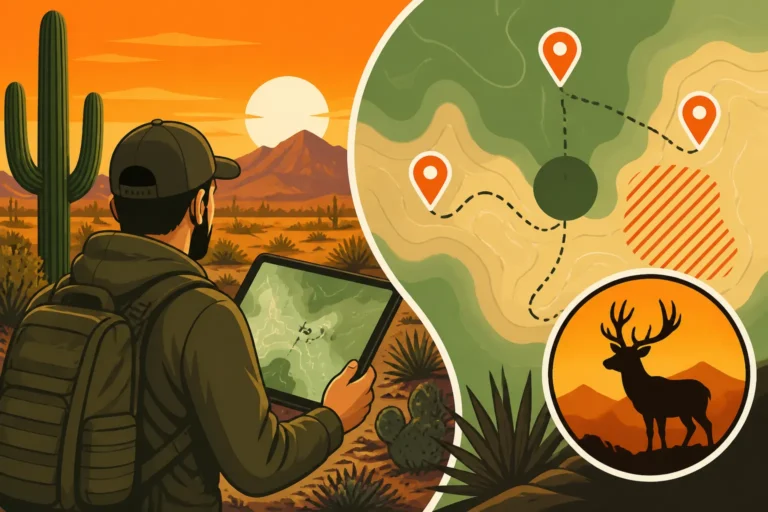
Once you've got that hunter education card in hand, your world of hunting opportunities in Arizona truly opens up. This is where modern tools and resources become incredibly valuable. Platforms like GoHunt, for instance, offer incredible e-scouting capabilities. You can delve into detailed maps, analyze public and private land boundaries, identify potential water sources, and even research past harvest data for specific units. This kind of information allows you to apply the theoretical knowledge gained in hunter education to practical hunt planning. You can use GoHunt to overlay different map layers, pinpoint areas of high game density, and plan access routes, all from the comfort of your home. It's a game-changer for understanding the terrain and strategizing your hunt before you even set foot in the unit. Even if the field day isn't mandatory, investing in real-world skills is paramount, and tools like GoHunt provide the data to inform those decisions.
Another way to leverage such resources is to research draw odds and tag availability. GoHunt often compiles and presents complex draw statistics in an easily digestible format, helping you make informed decisions about which units to apply for, based on your bonus points and preferred species. For those looking to go beyond the basics, platforms such as GoHunt can offer deeper insights into specific units and hunt types, enriching your understanding of Arizona's diverse hunting landscape.
Continuing Your Education Beyond Certification
The world of hunting is constantly evolving, with new regulations, conservation challenges, and advancements in gear and techniques. Your hunter education certification is a crucial first step, but it shouldn't be your last. Think of it as a foundation upon which to build a lifetime of knowledge and experience.
One of the best ways to continue your education is by seeking out mentorship. Find experienced hunters who are willing to share their knowledge, whether through informal conversations, joining a local conservation organization, or participating in guided trips. There's an incredible amount to learn from those who have spent decades in the field, from subtle tracking techniques to adapting to rapidly changing weather conditions.
Additionally, consider taking specialized courses. Many organizations offer workshops on specific topics like advanced archery, rifle marksmanship, wilderness first aid, or game calling. Even if not mandatory, these courses hone specific skills that make you a more versatile and capable hunter. Regularly review the Arizona Game and Fish Department's hunting regulations each year, as rules can change. Stay informed about wildlife conservation efforts in the state and consider volunteering for habitat improvement projects. This ongoing engagement ensures you remain a responsible, ethical, and effective hunter who contributes positively to the future of Arizona's wildlife resources. After all, gaining the "Permanent Arizona Point From Hunter Education" is a great start, but continuous learning is where true mastery lies.
Disclaimer
The information provided in this guide is for general informational purposes only and does not constitute legal advice. Hunting regulations and requirements are subject to change. Always consult the most current Arizona Game and Fish Department regulations and official publications before participating in any hunting activity.