Replacing a Hunter Education Card You Lost
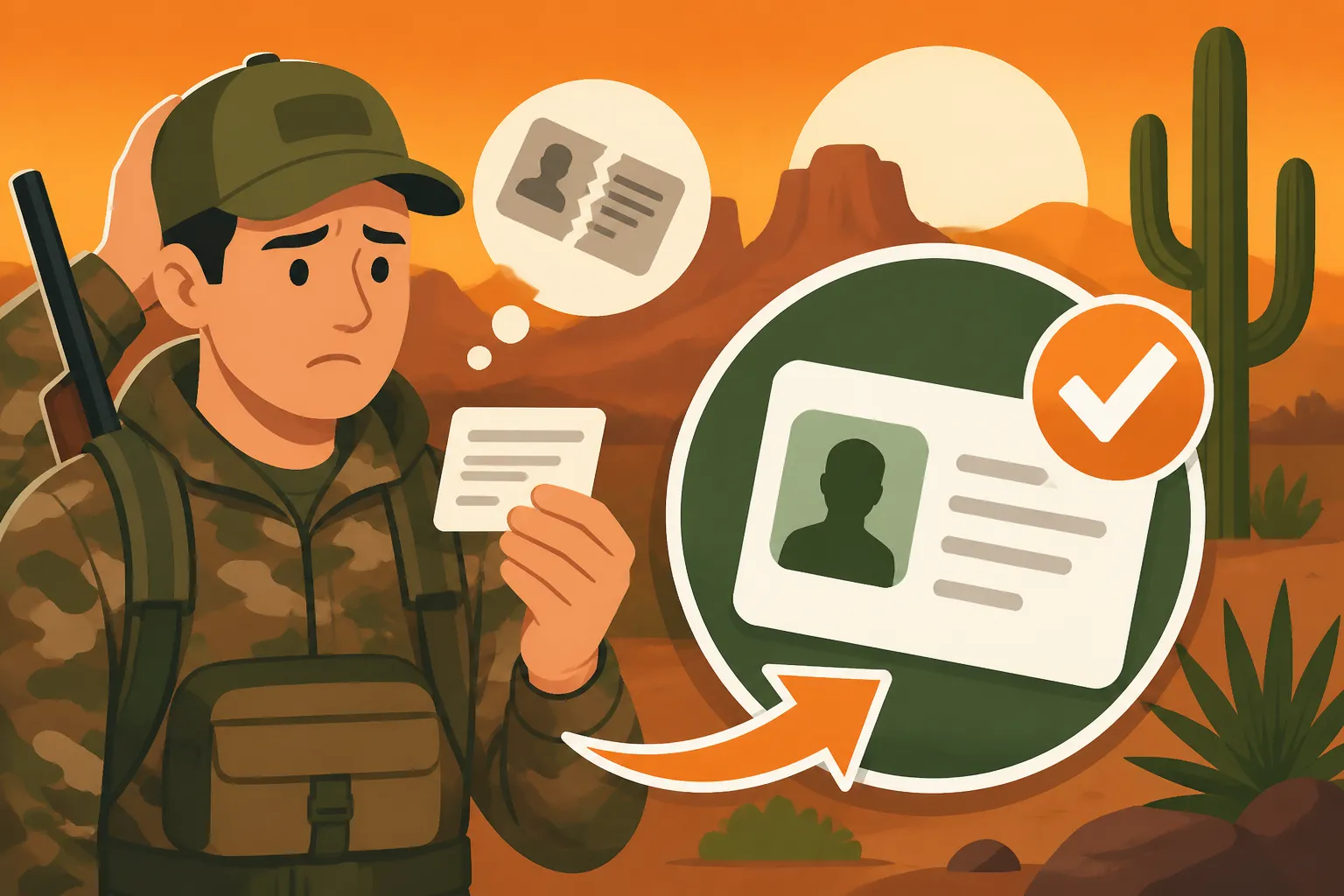
It’s one of those moments that makes your stomach drop, isn't it? You’re geared up, optics cleaned, rifle sighted in, and then you realize that little piece of plastic – your Arizona Hunter Education Card – has vanished into thin air. Whether it slipped out of your wallet, got misplaced during a move, or simply faded with time, losing this vital document can feel like a major setback, especially when you need it to purchase a license or prove your eligibility for a hunt. This guide is here to walk you through the straightforward steps to replace your lost Arizona Hunter Education Card, ensuring you’re ready for your next adventure in the field without any unnecessary stress.
Why Your Hunter Education Card is So Important
You might think once you’ve taken the course, the knowledge is enough. But in the world of Arizona hunting, that physical (or digital) card is your official proof. It's not just a souvenir of a class; it's a necessary credential that unlocks your ability to hunt legally in many scenarios. Without it, you could face delays, fines, or even be unable to participate in certain hunts.
Proof for License Purchase and Tag Draws
Here in Arizona, if you were born on or after January 1, 1967, and want to purchase a hunting license or apply for big game tags, you generally need to show proof of having completed a hunter education course. This is a crucial step that many new hunters encounter. Imagine showing up to buy your non-permit tag or trying to finalize an application, only to be told you can't proceed because you can't provide that certification. It's a frustrating hurdle, especially if you’re already behind on your hunt planning. This is why keeping that card accessible, or knowing how to quickly replace it, is so important. For more details on who needs this, check out our piece on The Arizona Hunter Education Age Requirement.
Reciprocity with Other States
Beyond Arizona, your hunter education card is often recognized across state lines. If you're planning a hunting trip to New Mexico, Colorado, or even further afield, those states will typically accept your Arizona certification as proof of competency. This reciprocity is a huge benefit, saving you from having to take another hunter education course every time you hunt out of state. However, losing that card means you lose that readily available proof, potentially causing headaches when dealing with out-of-state licensing agencies who can't easily verify your status. It’s always best to have that card handy if you travel, just as you would your driver's license.
Requirement for Certain Hunt Types
While many hunts simply require the education for a license, some specific hunt types or scenarios might have stricter requirements. For instance, if you're supervising a youth hunter, you might need to show your own hunter education proof. Similarly, certain youth-only hunts or mentored programs rely on the supervising adult being certified. Understanding Who Arizona's Hunter Education Rule Covers can clarify these situations. Ensuring you have your card demonstrates not just your personal qualification but your commitment to safe and ethical hunting practices, which is something we all value deeply in the Arizona hunting community.
Step-by-Step Guide to Replacing Your Arizona Hunter Education Card
The good news is that replacing your Arizona Hunter Education Card is usually a pretty straightforward process, managed by the Arizona Game and Fish Department (AZGFD). You won’t have to retake the course, thankfully! Here’s how you can go about getting a new card in your hand.
Online Replacement through AZGFD
The quickest and most convenient way to replace your card is often through the AZGFD website. Their online system is designed to be user-friendly, allowing you to access your records digitally.
When you navigate to the AZGFD portal, you’ll typically find a section dedicated to hunter education. You’ll need to provide some personal information to help them locate your records. This usually includes your full name, date of birth, and possibly the year you completed the course. Having any old license numbers or your customer ID (if you have one from previous interactions with AZGFD) can definitely speed up the search. Once your record is found, you’ll usually have the option to print a temporary certificate right away. This immediate access is a lifesaver if you're in a pinch and need proof for a last-minute tag purchase. The department often charges a small processing fee for a replacement card, so be prepared to pay that with a credit or debit card online. Many hunters, myself included, like to use tools like GoHunt to keep track of important dates and documents, and knowing you can quickly retrieve this electronically can be a huge relief.
Requesting a Replacement by Mail
If you’re not as comfortable with online processes, or if you prefer a physical card mailed directly to you, requesting a replacement by mail is another viable option. This method typically involves downloading a form from the AZGFD website.
The form will ask for similar personal details as the online portal: your name, current mailing address, date of birth, and information about when and where you took your hunter education course. It’s important to fill this out completely and accurately to avoid any delays. You’ll also need to include a check or money order for the replacement fee, as specified on the form or the AZGFD website. Once you’ve filled out the form and enclosed payment, you’ll mail it to the address provided by AZGFD. The downside here is the waiting period. It can take a few weeks for the department to process your request and mail out your new card. So, if your hunt is just around the corner, this might not be the fastest route. Always plan ahead if using this method, especially around busy hunting seasons.
Contacting AZGFD Directly for Assistance
Sometimes, you might hit a snag. Maybe your name changed, your records are proving difficult to locate online, or you’re just having trouble navigating the system. In these cases, reaching out directly to the Arizona Game and Fish Department is your best bet.
You can call their main customer service line during business hours or send an email explaining your situation. Be prepared to provide as much detail as possible about when and where you completed your hunter education course. If you remember the instructor’s name or the specific location of the class, that information can be incredibly helpful for their staff to track down your records. They are usually very helpful and accustomed to these types of requests. Don't hesitate to reach out if you’re feeling frustrated or can't find your information through the self-service options. Remember, their goal is to help you get out into the field legally and safely, so they’re there to assist you.
What to Do After You Get Your Replacement Card
Once that shiny new (or reprinted) card is in your hand, don’t just toss it in a drawer and forget about it until next season! There are a few proactive steps you can take to prevent this situation from happening again and to ensure you’re always prepared.
Make Digital Copies and Store Them Securely
In today’s digital age, having electronic backups of important documents is absolutely essential. As soon as you receive your new card, take a clear photo of both the front and back. Even better, scan it.
Once you have these digital images, save them in multiple secure locations. This could include cloud storage services like Google Drive, Dropbox, or iCloud, a secure folder on your computer, or even an encrypted file on your phone. You might consider adding it to a digital hunting planner, perhaps even within a platform like GoHunt, if it offers document storage features. The key is redundancy and accessibility. If your physical card goes missing again, or you need to show proof quickly while in the field with no internet, having it on your phone is a huge advantage. Just be sure to password-protect any sensitive files. Having a copy of your Hunter Education From Age Nine in Arizona or any other critical certification always at your fingertips can save a lot of last-minute stress.
Consider a Laminated Physical Copy
While digital copies are great, sometimes a physical backup offers peace of mind. You could make a color photocopy of your new card and have it laminated. This sturdy, waterproof version can then be stored in a separate, secure place from your original, like a glove compartment in your truck, a hunting pack, or even a small waterproof container in your main hunting bin.
This is a fantastic option for those times when you're out in the wilds of Arizona, far from cell service, and need to present proof. It's not uncommon to need to show your credentials to a game warden or during an unforeseen check. A laminated backup ensures that even if your wallet (with the original card) somehow gets lost or damaged, you still have an official-looking, durable copy ready to go. Think of it as an extra layer of protection for your hunting season.
Keep Your Contact Information Updated with AZGFD
Your Hunter Education Card is tied to your personal record with the Arizona Game and Fish Department. If your mailing address, email, or phone number changes, it's really important to update this information with AZGFD.
Why does this matter? Well, if they ever need to contact you about your hunter education status, or if you need to request another replacement in the future, having current details on file makes the process much smoother. An outdated address means a mailed card could go missing, and incorrect contact info can slow down any verification process. It's a small administrative task that takes minimal effort but can prevent significant headaches down the road. Regularly checking your AZGFD portal or giving them a call periodically to confirm your details are current is a smart practice for any dedicated Arizona hunter.
Here's a quick comparison of the common replacement methods:
| Feature | Online Replacement (AZGFD Portal) | Mail-In Replacement (AZGFD Form) |
|---|---|---|
| Speed | Immediate digital certificate, faster physical mail | Slower; typically 2-4 weeks for physical card |
| Convenience | Very high, accessible 24/7 from anywhere | Requires printing, mailing, postal delivery |
| Information Needed | Name, DOB, (optional: Customer ID, old license) | Name, DOB, Course Year/Location, Mailing Address |
| Cost | Small processing fee (credit/debit card) | Small processing fee (check/money order) |
| Proof of Completion | Yes, instant printable copy | Relies on department's record lookup |
| Good for Urgent Needs | Excellent | Not recommended |
Proactive Measures to Avoid Losing Your Card Again
Let's face it, misplacing important documents is part of life, but there are definitely ways to minimize the chances of your Hunter Education Card going missing again. A little foresight can save you a lot of grief.
Utilize Digital Wallet Features for Your ID
Many modern smartphones offer digital wallet features where you can store various forms of identification, sometimes even including custom cards. While an Arizona Hunter Education Card might not have a dedicated spot like a driver's license in every digital wallet, you can often save a scanned image or PDF of your card to a secure notes app or a designated "ID" folder on your phone.
Think of it as having your important documents at your fingertips without the bulk of carrying them all physically. Before heading out on a hunt, whether it's for deer in the desert or elk on the Mogollon Rim, a quick check of your phone ensures you have a backup. Always remember that a digital copy is a great backup, but many official scenarios may still require a physical card or official verification, so it doesn't entirely replace the original. However, for quick reference or as a temporary solution, it's incredibly useful.
Keep an Organized Hunting Document Folder
Designate a specific, easily accessible folder at home where you keep all your important hunting documents. This should include your current Arizona hunting license, any drawn tags, your hunter education card, previous year's licenses, and any other relevant permits.
This central hub makes it incredibly easy to grab what you need before a hunt and just as easy to put it back afterward. No more frantic searches the night before opener! A dedicated folder helps prevent documents from migrating to various piles on your desk or getting mixed in with everyday mail. For those who enjoy planning, this folder could also hold maps, scouting notes, and even printed regulations. Having everything in one place, from your Arizona Caps Nonresidents at Ten Percent of Every Hunt information to your actual license, is a testament to an organized hunter.
Integrate with Hunting Apps and Online Portals
Many hunting apps and state game and fish department portals are becoming increasingly sophisticated, offering hunters a place to manage their licenses, tags, and even certifications. While platforms like GoHunt are excellent for e-scouting and managing application deadlines, the AZGFD online portal is your primary resource for managing your official state documents.
Get familiar with the AZGFD portal if you haven't already. It allows you to view your license history, apply for draws, and often print proof of your hunter education directly. By actively using these digital tools, you're not only staying organized but also creating multiple points of access to your important information. If you're out chasing Coues Deer Are Arizona's Signature Whitetail and need to confirm a detail about your eligibility, having access via an app or web portal on your phone can save you a call back to camp or even a trip home. This layered approach to document management is a modern hunter’s best friend.
Disclaimer
The information provided in this guide is intended for general informational purposes only and is subject to change. While we strive to offer accurate and up-to-date advice, hunting regulations, fees, and procedures for replacing documents can be updated by the Arizona Game and Fish Department without prior notice. Always consult the official Arizona Game and Fish Department website or contact them directly for the most current and authoritative information before taking any action.