When the Elk Rut Peaks on the Rim
Oh, the Arizona elk rut! If you've spent any time dreaming about chasing screaming bulls through the ponderosas of the Mogollon Rim, you know that timing is everything. There’s nothing quite as frustrating as finally getting a coveted tag, spending countless hours scouting, and then arriving in your unit only to find the bulls have gone silent, the cows are scattered, and that magical, chaotic breeding frenzy you envisioned is, well, over. It’s a common heartache, a real punch to the gut after all that effort. This guide is dedicated to pulling back the curtain on the elusive peak of the elk rut on the Mogollon Rim, helping you understand when it truly hits, what influences it, and how to plan your hunt to be there when the action is at its absolute wildest.
Understanding the Elk Rut on the Mogollon Rim
The Mogollon Rim, stretching across central Arizona, is synonymous with incredible elk hunting. It's a vast landscape of towering pines, deep canyons, and hidden pockets that hold some of the state's most magnificent bulls. But even in this elk paradise, the "rut" isn't a single, static event. It's a dynamic process, and pinpointing its absolute peak is what every hunter strives for.
The General Timeline of the Rut in Arizona
Generally, across Arizona's elk country, including the Mogollon Rim, the elk rut kicks off in late August and can extend into early October. However, the peak breeding activity, the time when bulls are most vocal, aggressive, and actively herding cows, is usually a much narrower window within that broader period. Think of it like this: there's the pre-rut, where bulls are getting itchy and starting to bugle sparingly; the peak rut, a frantic few weeks of non-stop action; and the post-rut, where exhausted bulls are trying to recover and might still give a half-hearted bugle now and then.
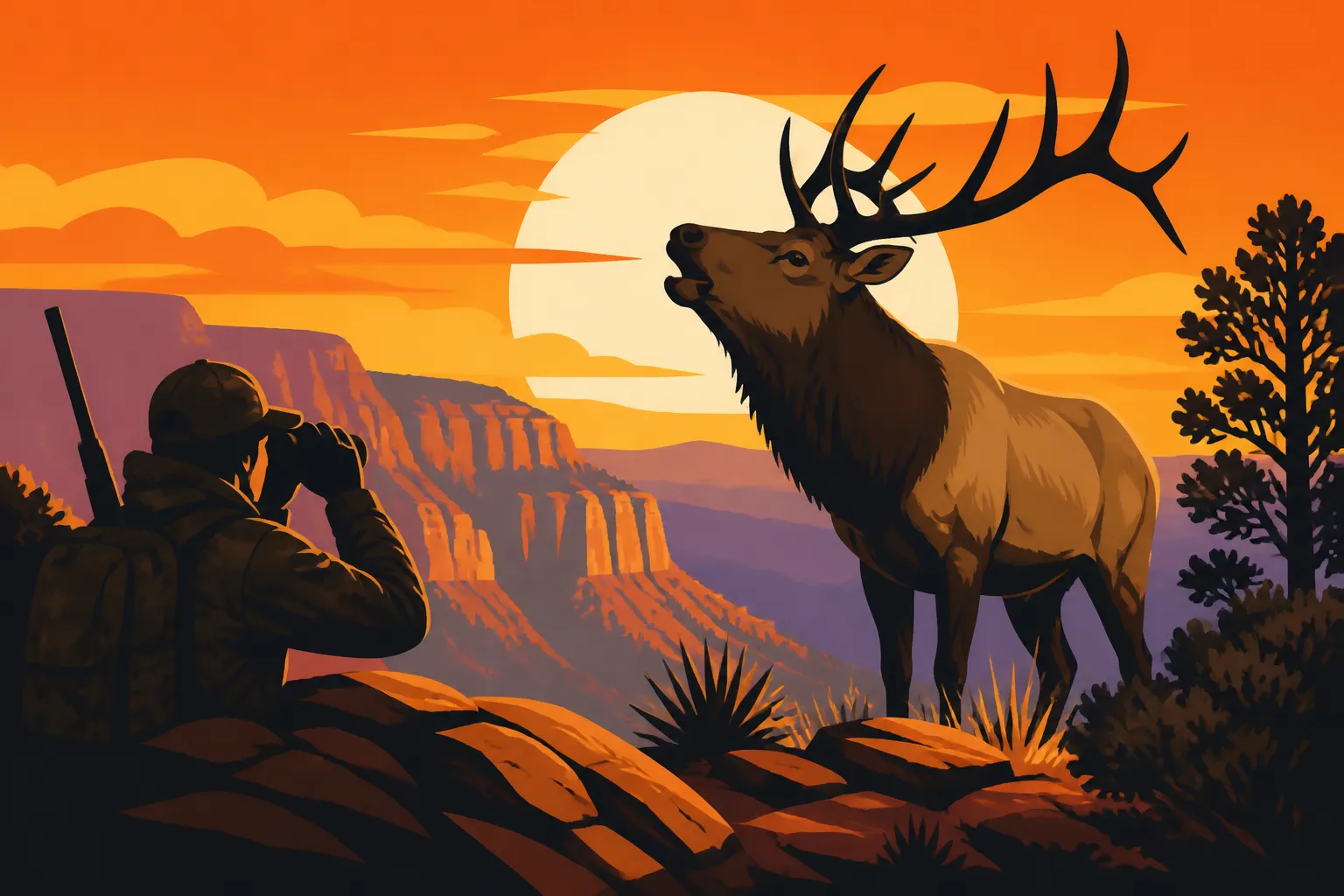
For the Mogollon Rim specifically, many veteran hunters will tell you the sweet spot for peak rutting activity, the window when you're most likely to hear constant bugling and witness intense herd dynamics, typically falls between the second and fourth weeks of September. This can shift slightly year to year, of course, but if you're marking a calendar, that mid-to-late September timeframe is where most of the magic happens. Any archery hunter who has been in the woods during this time can attest to the sheer volume of sound, from the guttural growls to the piercing screams, that fills the crisp autumn air. It's an experience unlike any other.
Why the Rim is a Prime Rut Destination
The Mogollon Rim isn't just "some" elk country; it's legendary. Its expansive habitat, particularly within units like 3C, 4A, 1, 27, and 23, provides everything elk need to thrive: vast stretches of ponderosa pine and mixed conifer forests for cover, numerous water sources like tanks and springs, and abundant forage. This rich environment supports robust elk populations, which in turn leads to incredibly intense rutting activity. The broken, undulating terrain offers bulls plenty of places to establish territories, gather cows, and evade other challengers, making for some truly dynamic interactions.
When you think about Elk Country Along the Mogollon Rim, you're picturing an ideal stage for the rut. The elevations, ranging from 6,000 to over 8,000 feet, mean cooler temperatures start to settle in by September, creating comfortable conditions for elk to be active day and night. The density of game here means that when the rut really gets going, the woods literally come alive with sound and movement, offering incredible opportunities for hunters to engage with mature bulls. It's not just about hearing a bugle; it's about hearing multiple bulls challenging each other, feeling the ground shake with their interactions, and experiencing the primal energy of the wild.
Factors Influencing the Peak of the Rut
While a general timeframe exists, Mother Nature always has the final say. The exact timing and intensity of the rut's peak on the Mogollon Rim can be nudged by several environmental and biological factors. Understanding these can give you a crucial edge in predicting when to be in the woods.
Weather and Environmental Conditions
One of the biggest drivers of elk behavior during the rut is the weather. Hot, dry conditions, particularly early in the season, can significantly delay or dampen the intensity of the rut. If early September days are still topping 80 degrees on the Rim, bulls are less likely to be actively chasing cows and bugling their heads off during daylight hours. They'll conserve energy, primarily moving and breeding during the cooler parts of the night or early morning.
Conversely, a cold front moving through, especially one that brings some rain and drops daytime temperatures into the 50s or 60s, can ignite the rut almost overnight. The elk become more comfortable, more active, and more vocal. This is when you often see a surge in bugling and chasing. The moon phase also plays a role, with many hunters observing more nocturnal activity during a full moon, and potentially more daytime movement and calling during darker moon phases, though this is debated among hunters. Ultimately, cool, crisp mornings and mild days are the perfect recipe for an explosive rutting period.
Herd Dynamics and Bull-to-Cow Ratios
The dynamics within a specific elk herd can also heavily influence when the rut peaks and how intense it is. In areas with a healthy bull-to-cow ratio, meaning there are enough mature bulls to go around, the competition for breeding rights is fierce. This intense competition drives more aggressive behavior, more constant bugling, and a more pronounced, concentrated rutting period. When a dominant bull is actively trying to keep his harem together, he's broadcasting his presence constantly, and other satellite bulls are always lurking, looking for an opportunity.
On the other hand, in areas with a lower bull-to-cow ratio, or where hunting pressure has made bulls warier, the rut might be less vocal and more drawn out. Bulls might be more hesitant to commit to loud, prolonged bugling sessions, opting for quieter, more discreet breeding attempts. This doesn't mean the rut isn't happening, it just means you might need to adjust your expectations and strategies. Knowing the general health and structure of the herd in your specific unit, often gleanable from past harvest reports or local wildlife agency data, can provide invaluable insight.
Hunting Strategies During the Peak Rut
When the elk rut is peaking on the Mogollon Rim, the opportunities are abundant, but so is the potential for making mistakes. Capitalizing on this narrow window requires strategic thinking and adaptable tactics.
Effective Calling Techniques for Pressured Bulls
During the peak of the rut, especially in units that see a fair amount of hunter traffic, bulls can become "call-shy" or "call-educated." They've heard every cow call and challenge bugle under the sun, and simply blasting out an aggressive bugle might send them trotting in the opposite direction. The key here is subtlety and realism. Instead of constantly hammering away, try more realistic, softer cow calls, interspersed with occasional, softer locator bugles. A series of soft mews and chirps can often be more effective in drawing in a curious bull than an all-out challenge.
Consider varying your approach; sometimes, a single cow call is all it takes to get a bull to respond, especially if he's actively herding. Other times, imitating the sounds of a small, unseen herd feeding or moving can pique his interest. Many successful hunters employ a "silent approach," listening intently, then only calling when they detect an elk's presence or need to stop a moving animal. For more depth on engaging these wary animals, you might find valuable insights in articles like Calling Bulls on Arizona's Mogollon Rim or even specific strategies in Cow Calling Pressured Arizona Bulls. Remember, less can often be more, and realistic sounds are always paramount.
Locating Elk During the Peak Breeding Period
During the peak rut, elk are often on the move, but their movements are dictated by breeding behavior. Bulls will be actively seeking cows, gathering harems, and defending them from other bulls. This means they'll often be in transition zones between bedding and feeding areas, or focused on traditional rutting grounds. Early mornings, right at first light, are prime times for using Locator Bugles for Finding Bulls at Dawn. Listen not just for bugles, but for herd chatter, the distinctive "chucking" of a bull, and the sounds of elk moving through the timber.
Once you locate a general area with activity, the next step is to get in there quietly and assess the situation. Often, the largest herds and most vocal bulls will be found in areas with good cover, water, and forage. Don't be afraid to put some miles on your boots, following drainages, working ridgelines, and glassing open parks and clearings. Reading Fresh Elk Sign in Ponderosa Timber can help you determine direction of travel and recent activity. Pay close attention to wallows, rubs, and fresh tracks, as these are indicators of recent bull presence and activity. During the peak, bulls aren't usually far from their cows, and cows will be found near water and good forage.
Playing the Wind and Terrain for a Close Encounter
Wind is your unwavering boss in elk hunting, especially when trying to close the distance on a bugling bull during the rut. Elk have an incredible sense of smell, and even a slight shift in wind can blow your entire stalk. Always, always, play the wind. This means approaching from downwind, circling if necessary, and being keenly aware of thermals, which can shift dramatically as the sun rises and falls, particularly in the canyon country of the Rim.
The broken terrain of the Mogollon Rim offers both challenges and advantages. Use the topography to your benefit: deep canyons, thick stands of timber, and even small rises can provide excellent cover for an approach. Instead of walking straight at a bugling bull, think about how you can use a ridge line or a thick grove of pines to conceal your movement and break up your silhouette. This is where you can employ tactics described in articles like Two-Hunter Calling Setups That Actually Work, where one caller distracts while the shooter stalks. By carefully navigating the landscape, you can often get within bow or rifle range without ever being detected visually or by scent, turning a long-range bugle into a thrilling, close-quarters encounter.
Planning Your Hunt Around the Rut's Peak
Knowing when the rut might peak is one thing; planning your actual hunt to coincide with it takes careful consideration and research. You've got to stack the odds in your favor, because an Arizona elk tag is a precious commodity.
Using Data and E-Scouting to Predict Peak Rut Activity
Modern hunting has been revolutionized by data and digital tools, and predicting the rut is no exception. While no one can give you an exact date, you can make highly educated guesses. Start by looking at historical weather data for your specific unit on the Mogollon Rim for the past several years. Were Septembers typically hot or cool? Did they get monsoon rains? These patterns can inform your expectations.
Furthermore, leveraging e-scouting tools and platforms can be incredibly powerful. Many reputable services, like GoHunt, provide historical harvest data, unit overviews, and even community forums where hunters share observations. By diving into past hunt success reports, especially for early season archery tags, you can sometimes identify trends in when peak activity was reported. Look for patterns in harvest dates that correspond with the middle two weeks of September. This kind of diligent research, combined with topographic maps and satellite imagery, allows you to virtually scout prime rutting areas before you ever set foot on the ground. Think about how helpful it is to identify water sources, dense bedding cover, and open parks that might serve as natural arenas for bugling matches, all from your computer. You can read more about this in E-Scouting an Arizona Unit Before the Season.
Essential Gear and Physical Preparation for a Rim Rut Hunt
A Mogollon Rim rut hunt is not a casual stroll in the park. The terrain can be rugged, the elevation can be taxing, and you'll often be covering significant distances. Therefore, packing the right gear and ensuring you're in prime physical condition are non-negotiable. Quality optics are absolutely crucial for glassing vast expanses and pinpointing elk activity; a good pair of 10x binoculars and a spotting scope will be your best friends. For more details on this, check out Optics Power for Arizona's Long Desert Sightlines.
Beyond optics, consider your calling setup (various calls, diaphragm, open-reed), comfortable yet durable hiking boots, and a layering system for clothing. Temperatures on the Rim can swing dramatically from chilly mornings to warm afternoons, making proper layering essential. Don't forget ample water or a reliable filtration system, as staying hydrated is paramount. Physically, you should be able to handle steep ascents and descents, carry a heavy pack, and remain mobile for hours on end. Start a dedicated workout routine months in advance, focusing on cardio, leg strength, and endurance. Being physically prepared, as discussed in posts like Preparing Physically for a Desert Hunt (the principles apply universally to rugged Arizona terrain), will allow you to push harder, go farther, and stay in the game when those bugles finally ring out.
Here’s a quick overview of the rut phases and what you might expect:
| Rut Phase | Typical Dates (Mogollon Rim) | Key Elk Behavior | Calling Strategy |
|---|---|---|---|
| Pre-Rut | Late August – Early Sept. | Bulls bugling sporadically, sparring, breaking from bachelor groups. Cows still in summer herds. | Locator bugles, soft cow calls, listen intently. |
| Peak Rut | Mid-September (approx. 2nd-4th week) | Bulls actively herding cows, constant bugling, intense competition, breeding. | Aggressive bugles, challenge bugles, cow calling sequences, subtle mews. |
| Post-Rut | Late September – Early Oct. | Bulls exhausted, less vocal, smaller groups of cows. Breeding tapering off. | Soft, realistic cow calls, locator bugles, quiet stalking. |
This table provides a general guide; always be prepared to adapt to the specific conditions you encounter in your unit. The ability to shift gears and react to what the elk are actually doing is the mark of a seasoned hunter.
Disclaimer
Please be aware that hunting regulations, season dates, and specific rules are subject to change by the Arizona Game and Fish Department. Always consult the most current official Arizona hunting regulations booklet before planning and engaging in any hunting activity. This guide is for informational purposes only and does not supersede state laws or regulations.