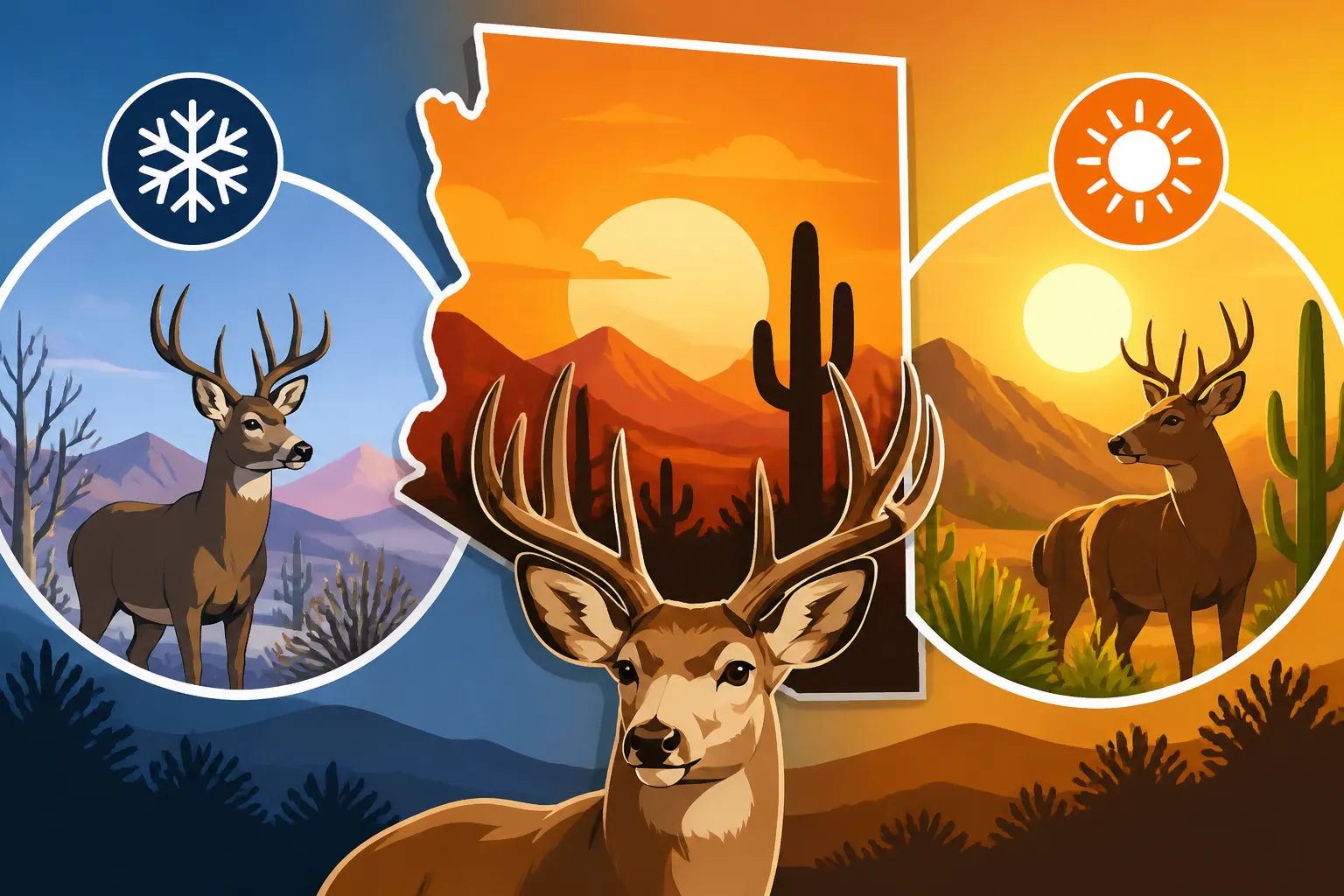
Arizona Runs Two Draw Cycles, February and June
If you've ever dreamt of chasing a trophy elk across Arizona's Mogollon Rim or glassing for elusive Coues deer in the Sky Islands, you know the first hurdle isn't the terrain or the heat – it's the draw. Navigating Arizona's big game lottery system can feel like trying to solve a Rubik's Cube blindfolded, especially with its distinct application cycles. This guide is designed to demystify the Arizona draw, breaking down the crucial February and June cycles so you can approach your next application with confidence and a clear strategy.
Understanding the Arizona Draw System: A Hunter's Reality
Arizona's approach to allocating its highly sought-after big game tags is a unique beast, unlike many other Western states. It's a true lottery, primarily, but with a bonus point system that rewards persistence without guaranteeing a tag. For many hunters, especially those new to the state or non-residents, the initial interaction with the Arizona Game and Fish Department (AZGFD) portal can be overwhelming. The system is designed to manage harvest pressure on wildlife populations, ensuring sustainable hunting opportunities for species like elk, mule deer, pronghorn, and bighorn sheep, which often have limited numbers in specific units.
The Challenge of Limited Entry Tags
Let's be real, drawing a coveted tag in Arizona isn't easy. Units known for producing giant bulls or bucks are incredibly popular, and the demand far outstrips the supply. This is precisely why we have a draw system in the first place. The AZGFD manages these "limited entry" hunts to control hunter numbers, ensuring animals aren't over-pressured and have the chance to reach maturity. For a hunter, this means understanding the odds, which can vary wildly depending on the species, unit, and weapon choice. Trying to figure out the best units and hunt codes without a deep understanding of the system can lead to years of accumulating points with no tag to show for it.
The challenge isn't just the sheer volume of applicants; it's also the nuanced interaction between residents and non-residents. Arizona Caps Nonresidents at Ten Percent of Every Hunt, meaning a significant portion of tags are reserved for resident hunters. While this makes sense from a state management perspective, it adds another layer of difficulty for out-of-state hunters hoping to experience Arizona's incredible hunting. This scarcity fuels the intensity of the draw and underscores why a solid strategy for applying in both cycles is absolutely critical.
Why Two Separate Draw Cycles?
The division into two distinct draw cycles, February and June, isn't arbitrary; it's a practical management decision based on species biology, season timing, and administrative efficiency. Simply put, not all big game species have their breeding cycles, habitat use patterns, or hunting seasons aligned. Separating the draws allows AZGFD to better manage the application process, conduct lottery drawings, and issue tags in a timely manner, all while accommodating the different biological timelines of the animals.
The February cycle focuses on species like elk and pronghorn, which often have early fall hunting seasons. Their seasons kick off in late summer and early fall, necessitating an earlier application and draw process to allow hunters time to plan, scout, and prepare. The June cycle, on the other hand, typically covers species with later fall or winter seasons, such as deer (both Coues and mule deer), bighorn sheep, and bison. This staggered approach ensures that hunters aren't trying to apply for every single big game species at once, spreading out the administrative burden and allowing more focused planning for applicants. It also means you need to be twice as vigilant about deadlines!
The February Draw Cycle: Elk and Antelope
For many hunters, the February draw represents the pinnacle of Arizona big game hunting: a chance at a coveted elk or pronghorn tag. These are trophy animals that draw applicants from all over the country, and the competition is fierce. Understanding the ins and outs of this cycle is paramount if you hope to ever experience the thrill of chasing a giant bull elk or a speedy pronghorn across the Arizona plains.
Key Species and Application Deadlines
The February draw is almost exclusively dedicated to elk and pronghorn antelope. These are two of Arizona's most iconic big game species, and their tags are some of the hardest to come by. The application period usually opens in mid-January and closes on the second Tuesday of February, typically around the 13th or 14th of the month. This window seems generous, but it flies by, especially if you're trying to fine-tune your unit choices or coordinate a group application.
For elk, you'll be looking at hunts ranging from early archery seasons in September, through muzzleloader and general rifle seasons, spanning into late November or early December. Pronghorn hunts are generally shorter, often occurring in August and September. Each hunt code specifies the weapon type, unit, and dates, and it's absolutely crucial to study these details in the Arizona Hunt Regulations. Don't just pick a unit because you heard it's good; understand the specific hunt within that unit.
The Arizona Elk and Antelope Application Deadline is a firm one, and missing it means no application for these species for an entire year, which can be a real blow to your bonus point accumulation strategy. It’s a good idea to mark your calendar, set multiple reminders, and even try to submit your application a few days early to avoid any last-minute technical glitches on the AZGFD website. I've heard too many heartbreaking stories of folks missing out by mere hours because they waited until the last possible moment.
Preparing Your Application for the February Draw
Submitting a successful application goes beyond simply clicking a few buttons. It requires careful research and strategic planning. First, you'll need a valid Arizona hunting license. You must purchase this before you can apply for the draw. Then, you'll select your hunt choices. Arizona allows you to apply for up to five hunt choices for each species. This is where strategy really comes into play. Most experienced applicants will list their dream unit/hunt as their first choice, followed by progressively "easier" or less competitive hunts. Remember, you can also apply for a bonus point only if you're not ready to hunt or your odds are too low for a tag.
For those serious about their draw odds, resources like GoHunt become invaluable. They compile past draw data, success rates, and even predictive modeling to help you make informed decisions about which units and hunt codes offer the best chance of drawing a tag, given your bonus point status. They can show you how to read the complex draw data and understand the nuances of the point system, like how the Arizona Bonus Point Pass Awards the First Twenty Percent of available tags. This early allocation heavily favors those with more points, making persistent application a long-term strategy.
The June Draw Cycle: Deer, Bighorn, and Bison
As the spring hunt seasons wind down and summer approaches, Arizona hunters turn their attention to the second major draw period: the June cycle. This is your opportunity to apply for some of the state's most challenging and rewarding big game hunts, including the elusive deer, the once-in-a-lifetime bighorn sheep, and the majestic bison.
Species Included and Critical Dates
The June draw primarily covers deer (both mule deer and Coues whitetail), bighorn sheep (both desert and Rocky Mountain), and bison. Like the February draw, the application window typically opens in mid-May and closes on the second Tuesday of June, usually around the 11th or 12th of the month. Again, this is a firm deadline, and there are no extensions.
Deer hunts are incredibly popular, with seasons stretching from August archery hunts through the late rifle seasons in December. Coues deer, often called the "gray ghost of the desert," are a particular favorite for many hunters, offering a unique challenge in the rugged sky islands. Mule deer can be found in a variety of habitats, from the high plateaus of northern Arizona to the low desert washes.
Bighorn sheep and bison tags are incredibly rare, often requiring decades of point accumulation for even a remote chance at drawing. These are truly once-in-a-lifetime opportunities. The Arizona Deer, Sheep and Bison Deadline is a significant one for anyone hoping to add one of these magnificent animals to their hunting resume. Just like with the February draw, don't leave your application to the last minute; give yourself ample time to review your choices and submit.
Navigating the June Draw Process
The application process for the June draw mirrors that of the February cycle: purchase your hunting license first, then submit your application with up to five hunt choices per species. For deer, many hunters will strategize by looking at units with higher public land percentages or historical success rates. For sheep and bison, it's often a game of applying year after year, patiently accumulating points.
It's also worth noting that while there's a spring bison draw that happens separately, the main bison hunt opportunities are typically tied into the June draw. This can be a point of confusion for new applicants, so always double-check the current year's regulations booklet to confirm which species are included in which draw.
One important consideration for this draw is the impact of summer scouting. While you're applying in June, many of these hunts take place in the fall, making E-Scouting an Arizona Unit Before the Season a vital step. Satellite imagery, topographical maps, and historical burn data can all contribute to understanding a unit's potential long before you ever set foot on the ground. This foresight can inform your application choices, helping you select units that align with your hunting style and physical capabilities.
Beyond the Main Draws: Other Opportunities
While the February and June draws dominate the conversation for big game hunting in Arizona, they aren't the only avenues to getting a tag. The state offers a few other options that can provide fantastic hunting experiences, often without the multi-year wait of a draw-only species.
Over-the-Counter Tags and Leftovers
Arizona is unique in offering some compelling over-the-counter (OTC) hunting opportunities, most notably its five-month OTC archery deer season. This season typically runs for a few weeks in August/September and then reopens from mid-December through January. For hunters who want to get out in the field every year without relying on the draw, this is a phenomenal option. The tag can be purchased directly from AZGFD or authorized license dealers, no draw required. It’s an incredible way to go How to Hunt Arizona's Five-Month OTC Archery Deer Season every year.
Beyond archery deer, other species like bear and mountain lion also have OTC tags, though they often come with specific unit harvest limits and mandatory reporting requirements that can lead to mid-season closures. These hunts require constant vigilance of the AZGFD website for closure updates.
Then there are leftover tags. After the main draws are completed, if there are any tags that weren't allocated, AZGFD will offer them for sale on a first-come, first-served basis. These are often in less popular units, for less desirable hunt dates, or for specific weapon types, but they represent a second chance to get into the field for a drawn species. Keep a close eye on the AZGFD website in late summer for these announcements. It's a mad dash when they go on sale, so be ready at your computer.
Special Tags and Tribal Hunts
For those with significant financial resources, there are "Special Big Game License Tags" which are often auctioned off by conservation groups. These tags grant access to premier units and seasons, bypassing the draw entirely. The funds generated typically go back into wildlife conservation efforts in Arizona. These hunts can command six-figure sums, but they offer an almost guaranteed opportunity to hunt the best of the best.
Additionally, Arizona's numerous Native American tribes manage hunting within their reservation boundaries. These tribal hunts operate under their own rules, seasons, and permit systems, entirely separate from the state draw. Tribes like the White Mountain Apache and San Carlos Apache offer world-class elk hunts, often with much higher success rates than state tags, but they also come with significant price tags and their own application processes. These are not part of the state draw, and purchasing a tribal permit does not affect your Arizona state bonus points. They offer a unique opportunity and often include lodging and guiding as part of the package, providing a truly distinct hunting experience.
Maximizing Your Odds in Both Draws
Successfully navigating Arizona's draw cycles requires more than just submitting an application; it demands a strategic approach. It's about playing the long game with bonus points and leveraging available data to make smart decisions.
The Importance of Bonus Points
Arizona's bonus point system is designed to reward consistent applicants, but it doesn't guarantee a tag. When the draw is conducted, the first ~20% of tags for each hunt code are allocated through the "Bonus Point Pass." In this pass, all applicants are sorted by their bonus point total for that species. The person with the most points who applied for that specific hunt is given the first chance at a tag. This process continues, drawing one applicant at a time until 20% of the tags are gone. Only after the bonus point pass are the remaining 80% of tags distributed through a random lottery system, where everyone has an equal chance, regardless of points (though an applicant's highest point total for a species still gives them a single entry in this pass).
This means that while points significantly increase your odds in the bonus point pass, you still need luck in the random pass. However, accumulating points is undeniably critical for highly desired hunts. You earn one point for each year you apply for a species and are unsuccessful, or if you apply for a "point only." There are also a couple of ways to earn a permanent point: completing the Hunter Education Is Required Under 14 in Arizona course, and completing The Ethically Hunting Arizona Course Earns a Permanent Point. These two permanent points, when combined with annual points, can really boost your standing over the years. Remember, Why Arizona Bonus Points Never Cross Species, so your elk points won't help your deer application.
Group Applications and Strategy
Arizona allows hunters to apply as a group, with a maximum of five applicants per group. When applying as a group, the AZGFD averages the bonus points of all members to create a "group average" point total. The group then applies as a single entity, and if drawn, all members receive a tag. This can be a great way for families or friends to hunt together.
However, there's a critical strategic consideration: by averaging points, a high-point individual in the group might effectively "lower" their chances if paired with low-point individuals for highly competitive hunts. Conversely, it can significantly "raise" the chances for low-point individuals. It's a give-and-take that requires open communication and agreement within the group. For trophy elk or bighorn tags where every point matters, some hunters with very high points might choose to apply individually to maximize their personal odds. Understanding How Arizona Averages Points Across a Group is essential for making this decision.
Utilizing Draw Odds Resources
In today's digital age, relying solely on anecdote or word-of-mouth for draw strategy is a mistake. Tools like GoHunt's Insider service (and similar platforms) aggregate years of AZGFD draw results and provide powerful analysis. These services allow you to quickly look up draw odds by unit, weapon, and hunt code, broken down by resident and non-resident categories. They can show you the number of points it historically took to draw a particular tag, the percentage of applicants who drew with X number of points, and even success rates once a tag is obtained.
Using these resources allows you to make data-driven decisions. Instead of blindly picking units, you can identify hunts where your current bonus point total gives you a realistic chance. You can explore different hunt codes that might have slightly better odds but still offer a quality experience. Checking Arizona Draw Odds Before You Apply empowers you to build a more effective application, whether you're chasing an early archery elk tag or a late season mule deer. It's an investment that can save you years of unsuccessful applications and help you prioritize your point accumulation.
Common Pitfalls and How to Avoid Them
The Arizona draw system, while robust, has its quirks. Even seasoned hunters can stumble if they're not meticulous. Avoiding common mistakes can save you frustration, money, and most importantly, valuable bonus points.
Missing Deadlines and Application Errors
This might seem obvious, but missing an application deadline is probably the most common and easily avoidable mistake. The deadlines for both the February and June cycles are firm, non-negotiable, and always fall on a Tuesday in the middle of the month. AZGFD doesn't offer grace periods, and a late application is simply not processed. It's critical to know The Arizona Elk Application Deadline Date and The Arizona Deer, Sheep and Bison Deadline and set multiple reminders for yourself.
Beyond deadlines, application errors can also prove costly. Simple typos in hunt codes, incorrect personal information, or issues with payment can invalidate an application or lead to unexpected outcomes. Always double-check every detail before submitting. One common error for non-residents is forgetting to purchase an Arizona hunting license before applying for the draw. Your application will be rejected if you don't have a valid license number. Also, be careful when selecting "point only" versus actual hunt choices. If you only want to gain a point, make sure you correctly select that option and don't accidentally apply for a hunt you don't intend to pursue.
Misunderstanding Residency Requirements
Arizona has strict definitions for residency, and attempting to claim residency without meeting the criteria can lead to serious legal issues, including fines and loss of hunting privileges. Generally, to be considered an Arizona resident for hunting license purposes, you must have lived in the state for at least six consecutive months immediately preceding your application for a license or permit. Simply owning property or having family in Arizona doesn't automatically grant you resident status.
It's vital to fully understand these requirements, especially if you're close to the six-month mark or split your time between states. The AZGFD website provides clear guidelines, and if in doubt, it's always best to contact them directly. Misrepresenting your residency is a serious offense and is simply not worth the risk. For non-residents, understanding The Nonresident Arizona Hunting License Price and the different tag fees is also important for budgeting purposes.
The Post-Draw Process
You've submitted your application, double-checked everything, and now the waiting game begins. This period of anticipation can be agonizing, but knowing what to expect after the draw can help manage the anxiety and prepare you for the next steps, whether you drew a tag or not.
Checking Results and Understanding Your Outcome
The AZGFD typically posts draw results a few weeks after the application deadline, usually around mid-March for the February draw and late June/early July for the June draw. They will send out email notifications to successful applicants, and you can also check your application status directly through your AZGFD portal account. When Arizona Posts Draw Results, the website often experiences high traffic, so patience is key.
When you finally check your results, you'll see one of a few outcomes:
- Successful: Congratulations! You drew a tag. The specific hunt code, unit, and dates will be listed. Your credit card will also be charged for the full tag fee at this time (if it wasn't already).
- Unsuccessful: This means you didn't draw any of your selected hunt choices. The good news is that you typically earn a bonus point for that species, bringing you one step closer for next year.
- Bonus Point Only: If you applied for "point only," your status will reflect this, and you'll have successfully added a point to your tally.
It's common to feel a sting of disappointment if you're unsuccessful, especially after investing time and hope into your application. But remember, it's a lottery, and persistence is the name of the game in Arizona.
What to Do If You Draw (or Don't)
If you're one of the fortunate ones to draw a tag, your immediate next steps involve planning! Confirm your hunt dates, start researching your unit in detail, and begin your physical conditioning. Now is the time to really dig into maps, satellite imagery, and potentially plan a scouting trip. If you booked a guide, now is when you confirm all arrangements. If you don't draw, it's not the end of your Arizona hunting dreams. This is where you pivot.
First, confirm you received your bonus point. It's important for future applications. Then, consider the alternative opportunities. If you were unsuccessful in the February draw for elk or antelope, you still have the June draw for deer, sheep, or bison. If you were unsuccessful in both, look into the OTC archery deer season, or the leftover tag sales later in the summer. You might be able to find a good opportunity for a late-season hunt that wasn't as popular in the initial draw. Don't let a "no" from the draw system deter you from exploring all the other fantastic hunting options Arizona has to offer. Sometimes, the unexpected leftover tag can lead to an unforgettable hunt.
Here's a quick comparison of the two main Arizona draw cycles:
| Feature | February Draw Cycle | June Draw Cycle |
|---|---|---|
| Main Species | Elk, Pronghorn Antelope | Mule Deer, Coues Deer, Bighorn Sheep, Bison |
| Application Open | Mid-January | Mid-May |
| Application Close | Second Tuesday in February | Second Tuesday in June |
| Draw Results | Mid-March | Late June / Early July |
| Typical Hunt Dates | Late Summer, Fall (Aug-Dec) | Fall, Winter (Aug-Jan) |
| License Required | Yes, prior to application | Yes, prior to application |
| Bonus Points | Species-specific for Elk/Antelope | Species-specific for Deer/Sheep/Bison |
| Non-Resident Cap | 10% of tags | 10% of tags |
Looking Ahead: Planning Your Next Arizona Hunt
Hunting in Arizona is a journey, not just a single season. Strategic planning across multiple years, understanding the point system, and staying informed are all crucial for consistent success.
Building Points and Future Applications
For popular species and units, drawing a tag often requires patience and a long-term strategy of accumulating bonus points. As we discussed, you get a point for every year you apply for a species and are unsuccessful, or by applying for a "point only" option. For species like bighorn sheep and bison, many hunters spend decades building points. Even for prime elk units, it's not uncommon to need 10+ points as a non-resident. It's important to understand What Happens to Arizona Points When You Draw – generally, if you draw your first choice for a species, your points for that species reset to zero. If you draw a lower choice, your points might be adjusted differently.
It's crucial to stay consistent. Missing a year of applying for a point means you lose that year of accumulation, putting you further behind. Even if you don't plan to hunt a particular species in a given year, consider applying for "point only" to keep your tally growing. This methodical approach is the most reliable way to eventually get drawn for a premier hunt.
Scouting and Preparation for Success
Getting a tag is only half the battle; the real work begins when you start to prepare for the hunt itself. Arizona's diverse and often rugged terrain demands serious physical conditioning and meticulous planning. Whether you're chasing elk in the high country or Coues deer in the desert mountains, you'll likely be covering challenging ground.
For elk, early season archery hunts can mean contending with significant heat, while late season rifle hunts might bring snow. For deer, a typical Glassing Arizona's Sky Islands for Coues Deer hunt involves hours behind optics, followed by a demanding stalk across steep, rocky slopes. Scouting your unit, even if just through maps and satellite imagery, is a non-negotiable step. Understanding access points, water sources, bedding areas, and potential escape routes can make or break your hunt. Prepare your gear, practice with your chosen weapon, and get yourself in top physical shape. The beauty of Arizona's hunting opportunities is matched only by the effort required to make them a success.
Disclaimer
Please note that hunting regulations, seasons, and application deadlines are subject to change by the Arizona Game and Fish Department. Always consult the most current official AZGFD hunting regulations booklet and website before applying for any tags or heading afield. This guide provides general information and should not be considered a substitute for official sources.