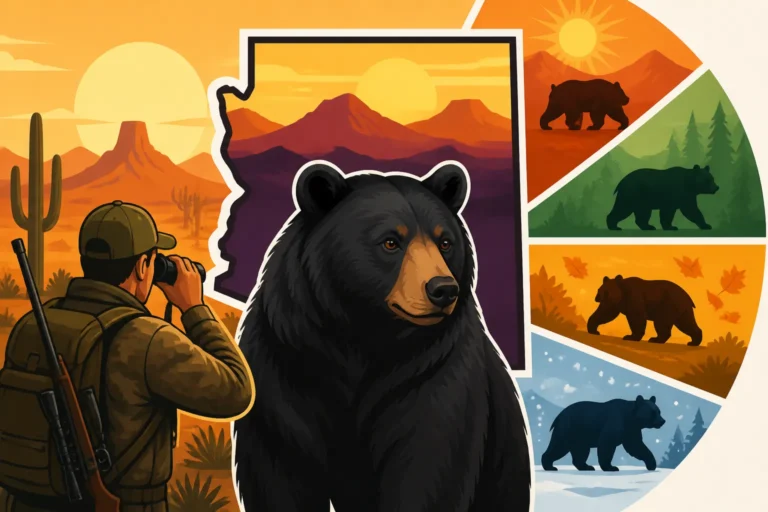
The Arizona Deer, Sheep and Bison Deadline
We've all been there: you've spent months dreaming about that coveted Arizona big game tag, meticulously scouting units on your computer, maybe even making a few weekend trips to the field. Then, suddenly, you realize the application deadline is looming—or worse, it's already passed. Missing a crucial deadline can feel like a punch to the gut, especially in a state like Arizona where tags for species like deer, bighorn sheep, and bison are so highly sought after. This guide is dedicated to helping you navigate the sometimes-confusing world of Arizona's big game application periods, focusing specifically on those often-stressful deadlines for deer, bighorn sheep, and bison, so you can apply with confidence and never miss out again.
Understanding Arizona's Application Cycles
Arizona's approach to big game draws can feel a little different from other states, mainly because they split their application periods across two distinct cycles. This system is designed to manage the immense demand for limited tags, ensuring that various species have their dedicated windows for application. It’s not just about when to apply, but also knowing which species fall into which application period. Get this wrong, and you might find yourself applying for elk when you meant to apply for deer, or vice-versa.
The Two Main Draws: February vs. June
The Arizona Game and Fish Department (AZGFD) primarily operates with two major draw cycles each year: one in February and one in June. The February deadline is typically for species like elk and pronghorn antelope, which have their own intense following and highly anticipated seasons. These are often the hunts people dream about for years, building up bonus points over a decade or more.
Conversely, the June deadline handles another set of premier big game animals. This is the period you need to pay close attention to for deer, bighorn sheep, and bison, along with some fall turkey hunts. It's easy to get these two cycles mixed up, especially if you're planning a multi-species hunting year or if you're new to the Arizona draw. The key is to mark both sets of dates on your calendar as soon as the new regulations are released, often in late spring for the June draw. For more detailed information on the earlier draw, you can check out guide on The Arizona Elk and Antelope Application Deadline for comparison.
Species Falling into Each Cycle
To break it down clearly, the February application cycle is dedicated to spring turkey, elk, and pronghorn. These draws wrap up their applications early in the year, with results typically posted in April or May, giving successful applicants time to plan for fall hunts. The June application cycle, however, is where deer, bighorn sheep, and bison take center stage, alongside fall turkey.
It’s important to remember that these are not overlapping opportunities. You can't apply for elk during the June deer draw, nor can you apply for deer during the February elk draw. Each cycle is distinct, with its own set of rules, available units, and hunt numbers. This means if you're hoping to chase a big Kaibab mule deer and a trophy bull elk in the same year, you'll need to apply in both draws, paying careful attention to each deadline. This separation helps the AZGFD manage application volume and allocate resources efficiently across the different wildlife programs.
The Deer, Sheep, and Bison Deadline: What You Need to Know
For many hunters, the June application deadline is arguably the most exciting, as it encompasses some of Arizona's most iconic and sought-after big game animals. Missing this specific window could mean waiting another year to even have a chance at drawing one of these tags. The stakes are high, and preparation is key.
The Exact Application Date and Time
While the general timeframe is "June," the exact application deadline changes slightly each year. Historically, it falls towards the second Tuesday or Wednesday of the month. For example, in recent years, it has often been around June 11th or 13th. However, you must always check the current year's Arizona Game and Fish Department hunting regulations booklet for the precise date and time. This document is your bible for all things hunting in Arizona. Don't rely on information from previous years or social media posts.
The deadline is usually at 11:59 PM Arizona time. This "Arizona time" detail is critical because Arizona does not observe Daylight Saving Time in most of the state. This means that for part of the year, Arizona is on Pacific Daylight Time (PDT), and for the rest, it's on Mountain Standard Time (MST). If you're applying from out of state, or even from parts of Arizona that do observe DST, this can cause confusion and lead to a missed deadline if you don't adjust your clock accordingly. Always convert the deadline to your local time zone to avoid any last-minute panic. You can find detailed information on When Arizona Deer Applications Close and The Arizona Bighorn Sheep Application Deadline in the official regulations.
Specific Species Covered by This Deadline
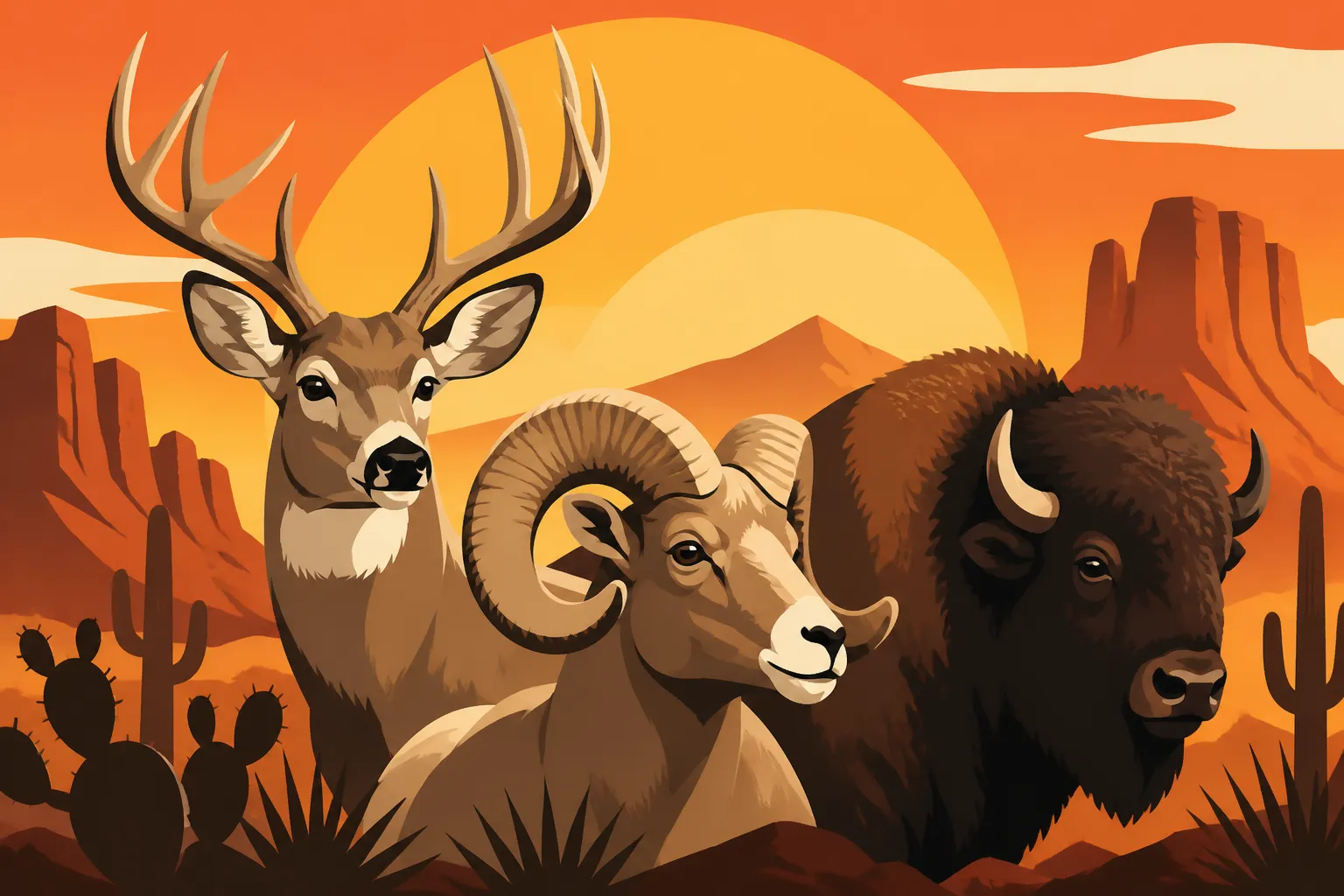
The June draw is the gateway to some incredible hunting experiences. This application period is for:
- Deer: This includes both the iconic Coues whitetail, often called the "gray ghost of the desert," and the larger mule deer that roam the plateaus and northern forests. Tags for quality deer units are extremely hard to draw, often requiring years of bonus points.
- Bighorn Sheep: This is truly a once-in-a-lifetime hunt for many. Arizona is home to both Desert Bighorn and Rocky Mountain Bighorn, and tags are incredibly rare, with single-digit draw odds in many units. Drawing a bighorn sheep tag is the pinnacle of sheep hunting for many.
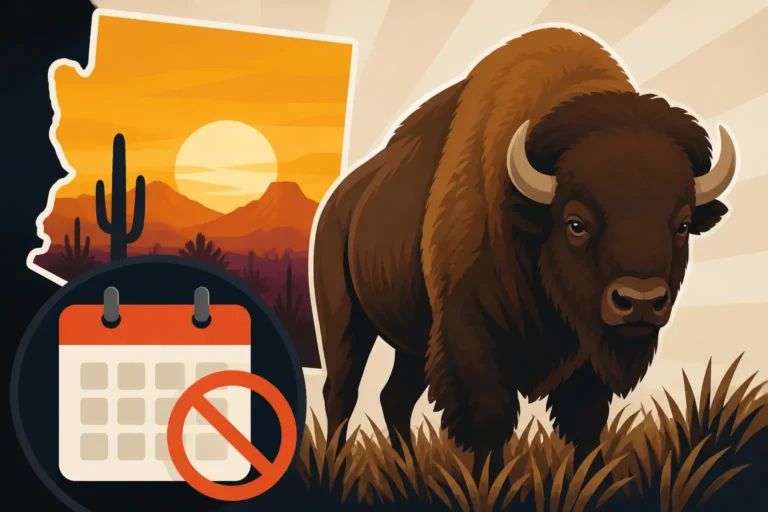
- Bison: Arizona offers a very limited number of bison tags, primarily on the Kaibab Plateau and House Rock Wildlife Area. These are incredibly challenging and rewarding hunts for a majestic animal, and like bighorns, they often require a huge number of bonus points or incredible luck.
- Fall Turkey: While not as high-profile as the other three, fall turkey tags are also available through this draw. These hunts offer a different experience than the spring hunts, often focusing on flock hunting rather than calling a strutting gobbler.
It's vital to decide which species you want to pursue before the deadline, as you can only apply for one tag per species. Carefully review the unit options, hunt dates, and regulations for each, considering your physical abilities, hunting style, and point accumulation.
The Importance of Time Zones
As mentioned, Arizona's unique approach to Daylight Saving Time is a significant factor. Most of Arizona observes Mountain Standard Time (MST) year-round. This means that during the spring and summer months when much of the country shifts to Daylight Saving Time (e.g., Mountain Daylight Time or Pacific Daylight Time), Arizona does not. So, if you're in New Mexico or Colorado, which observe MDT during the summer, Arizona will actually be an hour behind you. If you're in California, on PDT, Arizona will be the same time.
This seemingly small detail can lead to major headaches. Imagine you're frantically trying to submit your application at 10:00 PM your time, thinking you have two more hours, only to find out that it's already 11:00 PM in Arizona and the system has closed. Always, always confirm the deadline in "Arizona Time" and convert it carefully to your local time. Setting multiple reminders on your phone or calendar, with the time zone explicitly noted, is a smart way to prevent this common, yet heartbreaking, mistake.
Why These Species Share a Deadline
It might seem arbitrary that deer, sheep, and bison are grouped together in one application cycle, distinct from elk and pronghorn. However, there's sound wildlife management logic behind this grouping. It ties into overall harvest strategies, habitat considerations, and even historical precedent within the AZGFD's management framework.
Management Considerations for Limited Tags
One of the primary reasons these species share a deadline is directly related to the limited number of tags available for bighorn sheep and bison. These are truly trophy species, managed very conservatively, often with single-digit tags offered for an entire unit or even the entire state in some years. By grouping them with deer, which also has a significant but less exclusive draw, AZGFD can streamline the application process for these high-demand, low-volume tags. This consolidation helps manage the administrative burden of processing applications and ensures that the most sought-after permits are distributed within a specific, well-defined window.
Furthermore, it allows the department to process all related applications at once, ensuring that the total harvest limits for these sensitive populations are not exceeded. Unlike, say, javelina, which often has year-round or very liberal tag availability, these species require precise management, and a unified application window aids in that control. It's about balancing hunter opportunity with conservation goals for highly valued, sensitive populations.
Habitat Overlap and Draw Strategy
While bighorn sheep, bison, and deer have distinct habitat preferences, there can be some geographical overlap, particularly when you consider the vastness of Arizona's diverse landscapes. For instance, mule deer roam the same plateaus as bison on the Kaibab, and Coues deer inhabit the rugged sky islands where desert bighorns might also be found. By having these species in the same draw, it can help hunters refine their overall strategy for a specific region.
A hunter might be applying for a mule deer tag in Unit 9, while simultaneously hoping for the long-shot bison tag in the same general area. While most applicants won't draw both, the unified deadline allows for a more holistic approach to planning an Arizona hunt year. This might also subtly influence how hunters prioritize their applications, especially if they are trying to accumulate bonus points for one species but are also interested in another. Consulting resources like GoHunt can provide crucial data on draw odds and unit breakdowns, helping you strategize your choices within this shared deadline. Having all these options in one deadline window can simplify the hunter's planning process, even if the species themselves are ecologically diverse.
Key Steps for a Successful Application
Applying for a big game tag in Arizona can feel daunting, especially with the weight of the deadline hanging over your head. However, by breaking it down into manageable steps and leveraging available resources, you can ensure your application is submitted correctly and on time, maximizing your chances in the draw.
Gathering Your Information and License
Before you even think about logging into the AZGFD portal, take a moment to gather all the necessary information. This seemingly obvious step is often where people trip up. You’ll need your Arizona Game and Fish customer ID number, which can be found on any previous hunting licenses or permits. If you're a first-time applicant, you'll need to create an account and obtain a customer ID.
Next, ensure your Arizona hunting license is valid for the upcoming season. You cannot apply for any big game draw without a current hunting license. These licenses are valid for one year from the date of purchase, so don't assume your license from last fall is still good. Purchase your license well in advance to avoid any last-minute technical glitches. Additionally, make sure your credit card information on file with AZGFD is current, or have the card you intend to use readily available. An expired card or incorrect billing address can lead to a failed application, and you won't get a second chance once the deadline passes. This initial preparation sets the foundation for a smooth application process.
Navigating the Arizona Game and Fish Online Portal
The Arizona Game and Fish Department primarily uses an online portal for all big game applications. While it's generally user-friendly, it can be intimidating if you're not familiar with it. When you log in, you'll be directed to the draw application section where you can select the species you wish to apply for. The system will guide you through entering your hunt choices by unit and hunt number.
Take your time when entering these numbers. A single digit mistake can lead to applying for the wrong unit, the wrong season, or even the wrong weapon type. Some hunts might have specific weapon restrictions (e.g., archery-only, muzzleloader-only), so double-check that your choices align with your equipment and preferences. Many experienced hunters will pre-fill a paper application or spreadsheet with their desired hunt choices, in order of preference, before ever logging into the portal. This systematic approach reduces the chance of errors when you're under pressure. Remember, this is your shot at a coveted tag, so treat the online submission with meticulous care.
Reviewing Your Choices with Tools like GoHunt
Once you've entered your preliminary hunt choices into the AZGFD portal, resist the urge to hit "submit" immediately. This is where external resources, like the tools offered by GoHunt, can become invaluable. Platforms like GoHunt provide detailed draw odds, harvest success rates, unit breakdowns, and terrain analysis, helping you make informed decisions about your first, second, third, and fourth choices. They aggregate data from previous years, giving you a realistic picture of your chances.
For instance, you might think a particular unit for Coues deer looks amazing, but GoHunt data might reveal it has exceptionally low draw odds for someone with your number of points, or perhaps a lower hunter success rate than you'd expect. Using these tools allows you to compare different units, understand population trends, and even see how certain factors like drought or wildfire might affect a unit's prospects. It's not about guaranteeing a tag, but about applying strategically, ensuring your choices reflect both your hunting goals and the statistical realities of the draw. This thorough review process can significantly improve your chances of drawing a tag that aligns with your expectations.
Avoiding Common Pitfalls and Ensuring Success
Applying for a tag in a competitive draw like Arizona’s June cycle for deer, sheep, and bison can be fraught with anxiety. It’s easy to make a small mistake that can cost you a year, or even a lifetime, of opportunity. Identifying and actively avoiding these common pitfalls is just as important as knowing the deadline itself.
Double-Checking Unit Choices and Hunt Codes
This cannot be stressed enough: double-check every single hunt choice and hunt code. The AZGFD regulations booklet lists thousands of hunt numbers, each corresponding to a specific unit, species, weapon type, and season. It’s incredibly easy to transpose numbers or select the wrong code from a dropdown menu, especially if you’re rushing at the last minute. Imagine applying for an archery deer hunt in Unit 23 when you meant to apply for a rifle hunt in Unit 22. Once submitted and the deadline passes, there's no going back.
A great strategy is to have a friend or family member review your chosen hunt codes against the official regulations. A fresh pair of eyes can often catch errors that you might overlook. Print out your confirmation page or screenshot your choices before final submission if the portal allows. This record can be helpful, not just for verification, but also for future reference when scouting or planning. Taking those extra five minutes to meticulously verify your application could be the difference between heading afield and spending another year dreaming.
Ensuring Payment Information is Current
One of the most frustrating ways to get your application rejected isn't about points or luck, but a simple administrative error: failed payment. The AZGFD system requires valid payment information to process your application. This includes your credit card number, expiration date, security code, and billing address. If any of this information is incorrect, or if your card expires before the draw takes place (sometimes cards are charged closer to when results are posted, not at application time), your application will be invalidated.
It’s prudent to use a credit card that you know won’t expire for at least six months to a year beyond the application date. If you've recently moved or changed banks, update your billing address with the AZGFD portal as well. Some banks might flag large application fees from a state agency as potentially fraudulent, so it can be a good idea to notify your bank in advance, especially if you're applying from out of state and for multiple species or a group application. Don't let a technicality derail your hunting dreams.
Dealing with Last-Minute System Glitches
As the deadline approaches, especially in the final hours, the AZGFD online portal can experience heavy traffic. This can lead to slow loading times, error messages, or even temporary system crashes. Waiting until the very last minute to submit your application is a high-stakes gamble that often doesn't pay off. Imagine spending hours researching and strategizing, only to be locked out of the system in the final minutes due to server overload.
To mitigate this risk, aim to submit your application at least 24 to 48 hours before the official deadline. This buffer time allows you to troubleshoot any unexpected technical issues, resubmit if necessary, or contact AZGFD customer service if you encounter a persistent problem. While they are usually very helpful, remember that their call centers can also be swamped on deadline day. Proactive submission is the best defense against technology-related disappointments and gives you peace of mind that your application is safely in the system.
What Happens After the Deadline
The application deadline isn't the end of the process; it's merely the beginning of the waiting game. For many, this period of anticipation can be almost as intense as the hunt itself. Knowing what to expect in the weeks and months following the June deadline can help manage expectations and allow you to plan accordingly.
When to Expect Draw Results
After the June application deadline for deer, sheep, and bison, the Arizona Game and Fish Department begins the lengthy process of running the draw. This involves verifying all applications, allocating bonus points, and running the complex algorithms that determine who gets which tag. This process typically takes several weeks to a few months.
Historically, draw results for the June application cycle are often posted in late July or early August. You won't receive a personalized email immediately. Instead, the AZGFD usually announces a specific date when the results will be available online. You'll need to log into your personal AZGFD portal account to check your status. Successful applicants will see their drawn tags, while unsuccessful applicants will simply see that they were not drawn and that their bonus points have been updated. For detailed timelines, refer to our guide on When Arizona Posts Draw Results. Be prepared for either outcome, and if you're lucky enough to draw, start planning your hunt immediately!
Understanding Leftover Tags
Even after the main draw is complete, not all tags are always claimed. This can happen for a few reasons: some applicants may have had payment issues, or some less desirable hunt codes might simply not fill up. When this occurs, these become "leftover tags," which the AZGFD then offers for sale on a first-come, first-served basis.
Leftover tags are typically released for sale a few weeks after the draw results are announced. The sale date is usually highly anticipated, as these tags often present an opportunity for hunters who were unsuccessful in the draw or who simply want to add another hunt to their season. These can sometimes be for less popular units or challenging archery seasons, but occasionally, a gem might appear. Being prepared to act quickly when leftover tags are announced is key, as they can sell out within minutes, particularly for popular species or units. Keep an eye on the AZGFD website and subscribe to their email alerts to be notified when these tags become available, as they often don't last long!
Arizona Big Game Draw Deadlines at a Glance
To make things a little easier to digest, here's a quick reference for the general timeline and key species involved in Arizona's two main draw cycles. Always remember to consult the current year's regulations for exact dates!
| Draw Cycle | Primary Species Covered | Typical Application Period | Typical Result Release | Important Notes |
|---|---|---|---|---|
| February Draw | Elk, Pronghorn, Spring Turkey | January – Mid-February | April – May | Critical for highly sought-after elk/antelope tags. |
| June Draw | Deer, Bighorn Sheep, Bison, Fall Turkey | May – Mid-June | Late July – August | Your chance at iconic deer, rare sheep, and bison. |
| Leftover Tags | Various (if available) | Late August – September | N/A (first-come, first-served) | Act fast; tags sell out quickly. Check AZGFD website. |
Disclaimer: This table provides a general overview. Always refer to the official Arizona Game and Fish Department hunting regulations for the most accurate and up-to-date information, including specific dates, times, and hunt codes for the current year.
Disclaimer
The information provided in this guide is for general informational purposes only and is subject to change. While we strive to offer accurate and current details, hunting regulations and deadlines in Arizona are set by the Arizona Game and Fish Department and can vary year to year. It is the sole responsibility of every hunter to consult the official Arizona Game and Fish Department hunting regulations booklet for the current year, check all relevant state and federal laws, and verify all application dates, times, unit boundaries, and legal requirements before participating in any hunting activities. Failure to do so may result in penalties, fines, or loss of hunting privileges.