Arizona Fall Turkey Season Timing
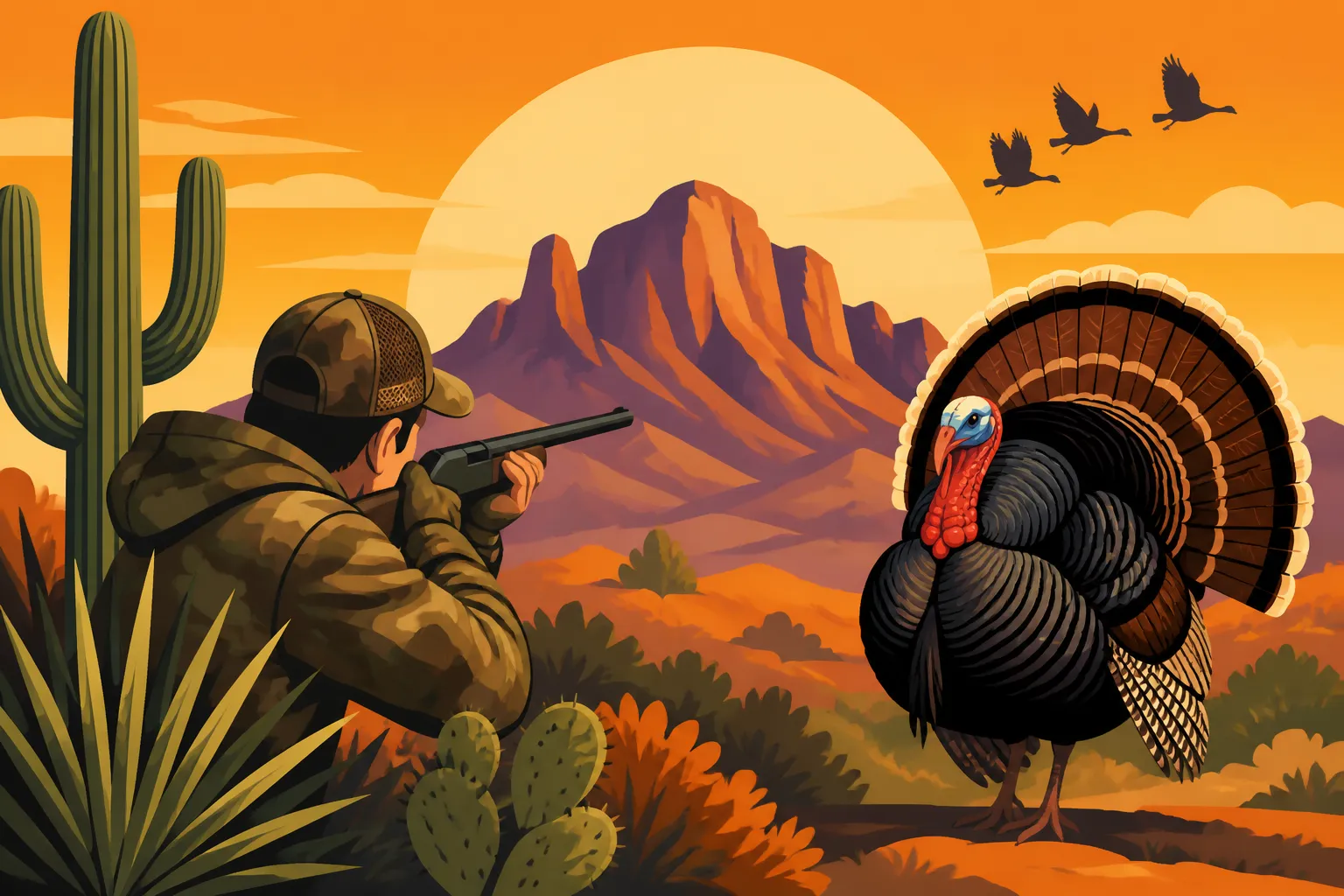
Hunting fall turkey in Arizona can feel like trying to solve a puzzle with half the pieces missing, especially when you're just trying to figure out when you can even go. Unlike the often predictable gobbling frenzy of spring, fall turkey seasons demand a different kind of timing and understanding of the regulations. This guide is here to untangle all that confusion, breaking down exactly when and how you can pursue Arizona's Merriam's and Gould's turkeys in the autumn months.
Deciphering Arizona's Fall Turkey Season Dates
The Arizona Game and Fish Department (AZGFD) sets the dates for fall turkey seasons annually, and these aren't always etched in stone or intuitively obvious. What makes it particularly tricky is that, unlike some other states, Arizona's fall turkey hunts are primarily managed through a draw system, meaning you need to apply for a permit-tag well in advance. These seasons typically occur in October, aligning with cooler weather and different turkey behavior.
One of the main frustrations many hunters face is that the fall turkey season dates can vary significantly by unit and even by weapon. You might find a rifle hunt for a few days in one unit, while an archery-only hunt runs longer in another, or a junior-only hunt falls on different dates. This isn't just a matter of convenience; it’s a strategic decision by AZGFD to manage turkey populations and hunting pressure across diverse habitats. For instance, Merriam's turkeys, often found in the pine forests of the Mogollon Rim and White Mountains, will have different season structures than the more limited Gould's turkeys in the southeastern Sky Islands. To truly stay ahead, you need to consult the annual hunting regulations booklet as soon as it's released, usually in late spring or early summer, to get the precise dates for the upcoming fall hunts.
Typical Fall Turkey Season Windows
While the exact dates shift each year, there's a general window you can expect for Arizona's fall turkey seasons. Historically, these hunts kick off in early October and might run through mid-to-late October. Some units might have a single, continuous season, while others could have multiple, shorter segments. This segmented approach allows the department to spread out hunting pressure and offer diverse opportunities. For example, a unit might have a general firearms hunt for a week, followed by a youth-only hunt, or an archery-only period.
Understanding these windows is crucial for your planning. If you're hoping for a fall turkey hunt, know that you'll likely be hitting the woods when the aspen are turning gold in the high country, and the ponderosas are shedding their needles. This time of year often presents more challenging hunting conditions than spring, as turkeys are typically flocked up and not as vocal. Early October can still be quite warm in some lower elevation units, transitioning to crisp, cool mornings and comfortable afternoons as the month progresses. This means your gear choices and hunting strategies will be different from a spring hunt, focusing more on stealth, scouting, and covering ground to locate flocks, rather than setting up and calling.
Draw Application Deadlines and Season Announcement
Given that most fall turkey tags are obtained through the draw, paying attention to application deadlines is paramount. Arizona runs two main draw cycles annually. The fall turkey applications fall into the second draw cycle, usually in June, alongside deer, bighorn sheep, and fall bison. If you miss this window, you miss your chance for a draw tag. This can be a huge source of frustration for hunters who aren't familiar with Arizona's specific draw system. It's not like simply walking into a sporting goods store and picking up a tag a week before the season starts.
The AZGFD publishes its full hunt regulations well in advance of the application periods. These booklets contain all the specific dates, unit numbers, hunt codes, and tag quotas. For someone new to Arizona hunting, or even a seasoned resident trying to keep up, using resources like GoHunt can be incredibly helpful for tracking application deadlines and understanding the nuances of the draw. They compile all the data, making it easier to navigate. Without carefully reviewing these documents, you might unknowingly apply for the wrong hunt or miss the deadline entirely, leaving you out of luck for the fall. I've heard countless stories of hunters lamenting a missed deadline – it's a rite of passage for some, but one you definitely want to avoid!
Acquiring an Arizona Fall Turkey Tag
Getting a fall turkey tag in Arizona requires navigating either the permit-tag draw or, in rare instances, checking for over-the-counter opportunities. Most hunters will go through the draw, which can be competitive, especially for prime units or specific weapon types. This system ensures that limited populations aren't overhunted and that tags are allocated fairly.
The Arizona draw system might seem daunting at first, with its bonus points and various passes, but it's a transparent process once you understand it. Essentially, you apply for specific hunt numbers that correspond to a unit, season, and weapon type. Your bonus points increase your odds over time, but there's always a random element. It’s definitely not a guarantee, which adds to the suspense (and sometimes heartbreak) of the draw results.
The Permit-Tag Draw for Fall Turkey
The vast majority of Arizona's fall turkey hunting opportunities are allocated through the permit-tag draw. You'll need to submit your application during the designated period, typically in June, listing your preferred hunt numbers in order of choice. This is where strategic planning comes in. Do you apply for a highly desired unit with lower odds, or a more accessible unit with better chances? This is a question many of us agonize over every year!
When you're applying for the draw, you'll need to carefully review the "Arizona Turkey Season Windows" in the regulations. Each hunt code specifies the unit, weapon type (archery, shotgun, rifle, muzzleloader), and the exact dates. For example, you might see Hunt 4001 for Unit 1, October 1-7, general firearms, and Hunt 4002 for Unit 1, October 8-14, archery only. Making sure your choices align with your preferred hunting style and availability is crucial. Using a service like GoHunt can provide draw odds data for various units, giving you a better sense of your chances before you commit to an application. This kind of information can save you a lot of headache and help you make more informed decisions rather than just blindly applying.
Over-the-Counter Opportunities (If Available)
While fall turkey is primarily a draw hunt, it's always worth checking the regulations for any potential "OTC Fall Turkey Tags in Arizona." Historically, these are extremely rare for fall turkey, unlike the more common over-the-counter archery deer or javelina tags. If they do exist, they are usually in very limited units, for specific weapon types (most often archery), and for short durations. These are often used as a management tool in areas where specific turkey populations might need additional harvest or where hunter participation is historically low.
If an OTC option does pop up, it’s usually first-come, first-served, and you’d purchase it directly from the AZGFD website or a license dealer. However, don't hold your breath for these. Your best bet for a fall turkey hunt is to participate in the draw. I've only seen a handful of times where genuine OTC options were available for fall turkey, and they were quickly snatched up or in very challenging, remote areas. Always double-check the most current regulations to confirm, but plan on the draw being your primary path to a fall turkey tag.
Arizona Fall Turkey Application Overview
Here's a quick look at the typical application timeline and how fall turkey tags stack up:
| Process / Item | Details |
|---|---|
| Application Period | Typically early to mid-June (part of the second draw cycle) |
| Season Dates | Primarily October, varying by unit and weapon type |
| Weapon Types | Archery, Shotgun, Rifle, Muzzleloader (specified by hunt code) |
| Tag Allocation | Mostly via permit-tag draw; OTC options are extremely rare for fall turkey |
| Bonus Points | Accumulate for each year you apply and don't draw, increasing future odds |
| Application Fee | Required per species application, in addition to a valid hunting license |
| Success Rate | Varies widely by unit and point level; generally lower for high-demand units |
| Regulations Release | Usually late spring/early summer, prior to the June application period |
Always remember that these are general guidelines. The Arizona Game and Fish Department is the final authority, so always consult the latest official regulations booklet. Services like GoHunt can help you track these dates and regulations, often providing reminders and detailed breakdowns as soon as they are released.
Essential Considerations for Fall Turkey Hunting
Beyond just knowing when the season is, a successful fall turkey hunt in Arizona requires understanding the unique challenges and opportunities this time of year presents. Turkeys in the fall behave very differently than they do in the spring, and your tactics need to adapt accordingly.
One common frustration is that those exciting spring gobblers are often silent and much more cautious in the fall. They've banded together, often in larger flocks, and their primary focus has shifted from breeding to foraging for food and staying safe. This means the aggressive calling and strutting displays of spring are largely absent, replaced by more subtle vocalizations and a heightened sense of wariness. You'll need to put in some serious legwork to locate these birds.
Turkey Behavior in the Fall
Fall turkeys are typically found in large, mixed-sex flocks, often numbering dozens of birds. Their behavior is driven by food sources and security. They'll spend their days foraging for acorns, berries, seeds, and insects in ponderosa pine forests, oak woodlands, and canyon bottoms. Locator calls that work wonders in spring, like owl hoots or crow calls, are far less effective in fall because the birds aren't keyed into breeding communication.
Instead, you'll want to focus on sounds like yelps, clucks, and purrs to mimic flock communication, especially if you can break up a flock and then call individuals back in. This strategy, often called "flock busting," involves finding a flock, rushing in to scatter them, and then setting up an hour or so later to call them back together. It's exhilarating but requires stealth and timing. Knowing what units typically hold good turkey populations, such as those found on the Mogollon Rim or in the White Mountains, can give you a head start. You can learn more about specific areas in our guide on "Arizona Turkey Hunting Units".
Scouting and E-Scouting for Fall Birds
Because fall turkeys are less vocal, pre-season scouting becomes incredibly important. You need to identify food sources they'll be using, water holes, and roosting areas. Look for fresh tracks, droppings, and scratch marks where they've been feeding. E-scouting tools, like those offered by GoHunt, can be invaluable for identifying potential roosting habitat (tall pines along a ridge) or likely feeding areas (oak thickets or ponderosa flats). Layers showing water sources and topo maps to identify travel corridors can help you narrow down vast areas.
I often spend weekends in late summer driving forest roads, glassing open areas at dawn and dusk, and walking old logging roads, looking for signs. You might not hear them gobble, but you can certainly find their presence. Knowing "E-Scouting an Arizona Unit Before the Season" techniques will give you a significant advantage, helping you locate potential areas of activity before you even step foot in the woods. This is also a good time to confirm "Reading an Arizona Unit Boundary Before You Apply" so you're scouting legally.
Weather and Terrain Challenges
Arizona's fall weather can be quite diverse. Early October hunts might still see warm daytime temperatures in some areas, while late October can bring frosty mornings to the high country. Always pack layers! You'll often be hunting in mountainous terrain, which can be physically demanding. Be prepared for steep climbs, rocky footing, and dense timber. Good physical conditioning is a huge asset.
The diverse "Arizona Turkey Hunting Units" mean you could be chasing birds in dense pinyon-juniper, rolling oak savannas, or towering ponderosa stands. Each terrain type presents its own set of challenges for stealth and movement. Understanding the unique characteristics of your chosen unit, and being ready for those cooler temperatures and potentially unpredictable weather, will make your hunt much more enjoyable and productive. Remember, the key to success in the fall is often patience and persistence, covering ground until you locate those elusive flocks.
Final Thoughts on Arizona Fall Turkey Seasons
Hunting fall turkey in Arizona offers a unique and rewarding experience, quite different from the frenetic pace of spring gobbler season. It demands a different skill set, more focused on scouting, understanding flock dynamics, and often covering significant ground. While the draw system adds a layer of planning and anticipation, the opportunity to pursue these majestic birds in the autumn landscape is well worth the effort.
Always make the Arizona Game and Fish Department's official regulations your primary source of information. You can usually find the current year's "Reading the Arizona Hunt Regulations Booklet" on their website as soon as it's published. Staying informed about the "Arizona Runs Two Draw Cycles, February and June" is crucial for not missing any deadlines, and if you're curious about when you'll find out if you drew a tag, keep an eye on when "When Arizona Posts Draw Results".
Whether you're calling in a scattered flock or ambushing birds moving to a water source, fall turkey hunting is a challenge that many hunters grow to love. It requires a deeper connection to the landscape and the birds themselves, moving beyond the simple "gobble and go" of spring. Good luck out there!
Disclaimer
Please note that hunting regulations, season dates, and application deadlines are subject to change by the Arizona Game and Fish Department (AZGFD). This guide is intended for informational purposes only and should not replace consulting the official, most current Arizona Hunting Regulations booklet or the AZGFD website before planning any hunt. Always verify all dates, rules, and requirements directly with AZGFD.