Arizona Deer Seasons Across the Calendar
Navigating the myriad of Arizona's deer seasons can feel like trying to track a grey ghost through the desert; it's complex, with specific windows for different weapons and species. This guide aims to demystify the Arizona deer hunting calendar, breaking down the archery, general rifle, muzzleloader, and youth seasons so you can confidently plan your next pursuit of a Coues or mule deer.
Understanding Arizona's Diverse Deer Species and Seasons
Arizona is a truly unique state for deer hunters, offering opportunities for two distinct species: the elusive Coues deer and the more widely known mule deer. Each species inhabits different terrain and, while their seasons often overlap, understanding their habits and preferred habitats is key to a successful hunt. The Arizona Game and Fish Department (AZGFD) carefully crafts season dates to manage populations, provide varied opportunities, and align with biological factors like the rut.
The Coues Deer: The Grey Ghost of the Sky Islands
Ah, the Coues deer. If you've ever hunted them, you know exactly why they're dubbed the "grey ghost." These tiny whitetails are masters of camouflage and cover, thriving in the rugged "sky island" mountain ranges of southeastern Arizona. Think steep, oak- and juniper-studded slopes, deep canyons, and glassing at incredibly long distances. Their seasons often mirror those of mule deer, but their behavior and the tactics required to hunt them are vastly different. Early archery seasons for Coues, especially in August and September, present the challenge of extreme heat, but also the chance to catch them in velvet and establish patterns around scarce water sources. Later archery seasons, typically in December and January, coincide with cooler weather and the tail end of the rut, offering a different set of challenges and rewards. General rifle seasons for Coues typically fall in late October through early December, when cooler temperatures prevail, and bucks are more active.
Hunting the Coues is an exercise in patience and optical prowess. Unlike mule deer that might be found munching alfalfa in a flat field, Coues deer prefer the security of dense brush and rocky terrain, often only revealing themselves for brief moments. This makes understanding their seasonal movements and preferred bedding areas crucial. During the peak rut, usually in late December and early January, these bucks become more visible, actively seeking does, but even then, their wary nature makes them a formidable quarry. Planning for a Coues hunt often involves intense glassing sessions, sometimes for days, before a stalk can even begin.
Mule Deer: High Desert and Northern Plateaus
Contrast the Coues with the robust mule deer, found predominantly across Arizona's northern plateaus and high desert regions, including famous areas like the Kaibab Plateau and the Arizona Strip. Mule deer are larger-bodied and typically inhabit more open, often pine-studded, terrain or vast expanses of sagebrush and juniper. Their seasons, while similar in structure to Coues, cater to their different environments and biological cycles. Early rifle seasons for mule deer can start in late October, offering hunters a chance before winter truly sets in. Later seasons, often pushing into December, frequently coincide with colder weather and the early stages of the rut in higher elevations, which can make for an exciting but physically demanding hunt.
Hunting mule deer in Arizona presents its own set of challenges and unique opportunities. In many northern units, hunters might cover miles of Ponderosa pine forests, looking for tracks in the snow, or glass vast canyons during the rut. The sheer size of the country can be overwhelming, making thorough e-scouting and pre-season boots-on-the-ground research absolutely essential. GoHunt can be a valuable resource for breaking down unit characteristics, providing data on terrain, and historical draw odds to help narrow down your focus. Their habits change drastically from early fall, when they might still be in summer feeding patterns, to late fall and early winter, when they begin to concentrate in specific areas as the rut approaches and snow pushes them to lower elevations. Understanding these shifts is paramount to locating a mature mule deer buck in Arizona's diverse landscapes.
Arizona's Over-the-Counter Archery Deer Season
One of the most appealing aspects of deer hunting in Arizona, especially for archers, is the generous over-the-counter (OTC) archery deer season. This isn't a draw-only affair; if you have your hunting license, you can purchase an OTC archery deer tag and be hunting. However, "OTC" doesn't mean "easy." These seasons are long, challenging, and require dedication, but they offer incredible flexibility and opportunity for persistent bowhunters.
The Generous Five-Month Window
Arizona truly offers an expansive opportunity for bowhunters with its OTC archery deer season, often spanning nearly five months of the year, split into two main periods. The first segment typically runs from mid-August through mid-September. This is a hot season, let me tell you. Daytime temperatures can easily soar past 100 degrees Fahrenheit in the desert, making physical conditioning and water management absolutely critical. However, this early season offers the unique chance to catch bucks in velvet, still somewhat in their summer patterns, often around precious water sources. Many dedicated archers will sit water holes or try to intercept deer traveling between bedding and feeding areas. Understanding How to Hunt Arizona's Five-Month OTC Archery Deer Season during this hot period is vital for safety and success, as dehydration can quickly become a serious issue in the scorching desert sun.
The second, longer segment of the OTC archery season typically opens in mid-December and runs through January. This is often seen as the prime archery season, as it coincides with the cooler winter weather and, crucially, the peak of the deer rut. For Coues deer, the rut really heats up in late December and January, leading to more visible and active bucks. Mule deer in many units will also be cruising for does. The combination of more pleasant temperatures and increased deer activity makes this a highly sought-after time for archers. However, it's also a time when deer might be pressured from previous general rifle hunts, so stealth and smart strategies are key. The sheer duration of this season allows hunters to dedicate significant time in the field, learn patterns, and adapt to conditions without the pressure of a short, fixed draw hunt.
Weapon Requirements and Hunter Strategy
While the OTC archery season offers great flexibility, it's crucial to adhere to Arizona's specific weapon requirements. For vertical bows (compound, recurve, longbows), there's a minimum draw weight of 30 pounds. This ensures that the arrow has sufficient kinetic energy to humanely harvest big game. You can learn more about Arizona's 30-Pound Minimum for Vertical Bows to make sure your equipment is compliant. When it comes to broadheads, Arizona requires them to be wider than 7/8 inch. This regulation is in place to ensure a wide cutting diameter for a quick, ethical harvest. Mechanical broadheads are legal as long as they meet the minimum deployed width. Detailed information on Why Arizona Requires Broadheads Wider Than 7/8 Inch can help you choose the right equipment. These rules are non-negotiable and designed for ethical hunting practices.
Successful archery deer hunting in Arizona, especially during the OTC seasons, hinges on strategy. For both Coues and mule deer, glassing is paramount. Finding high vantage points and systematically scanning vast landscapes with quality optics is how most deer are located. For Coues deer, this often means hours spent on a "sky island" peak, meticulously picking apart brushy hillsides. Once a buck is spotted, the real challenge begins: a strategic stalk through unforgiving terrain to get within bow range. This demands careful attention to wind, topography, and the deer's behavior. For mule deer in more open country, longer stalks might be necessary, often using drainages and terrain features for cover. During the rut, calling tactics, such as doe bleats or rattling, can sometimes be effective, especially for mule deer, but silent, patient still-hunting and ambushing travel corridors are generally more reliable methods for both species.
General Rifle Deer Seasons: Draw Success and Timing
For many hunters, the general rifle deer seasons represent the primary opportunity to pursue Arizona's deer species. Unlike the OTC archery seasons, these hunts are largely permit-tag hunts, requiring participation in the annual draw. This means strategy isn't just about hunting the deer; it's also about strategically applying for tags.
The Fall Hunts for Mule Deer and Coues
Arizona's general rifle deer seasons typically unfold during the cooler months of fall, generally starting in late October and extending into early December. These seasons are unit-specific, meaning the exact dates will vary depending on the Game Management Unit (GMU) you're hunting and whether it's a Coues or mule deer hunt. For instance, northern units known for mule deer, like those on the Kaibab Plateau or the Arizona Strip, might have different season structures compared to the southern units renowned for Coues deer, such as those in the Santa Rita or Chiricahua Mountains. Early season hunts in late October often find deer in transition from summer ranges, potentially still in larger bachelor groups or focused on fall food sources. Later seasons in November and December, especially for Coues, can overlap with the rut, providing exciting opportunities to catch bucks on the move.
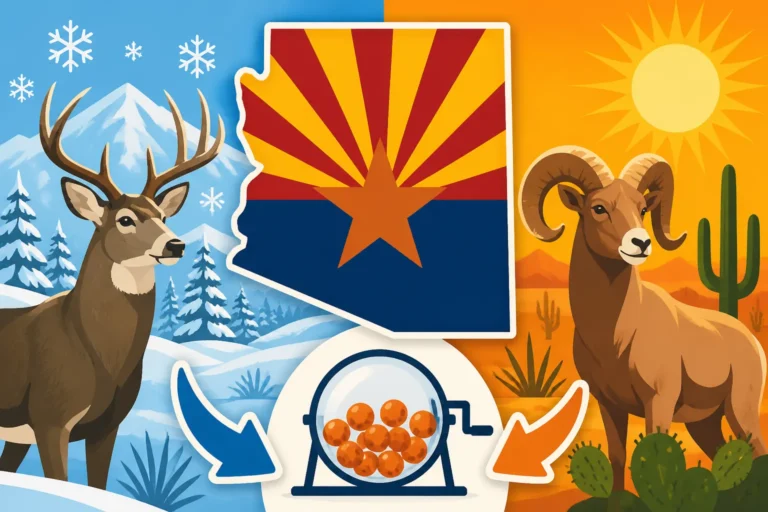
The allocation of these coveted tags happens through Arizona's draw system, which requires hunters to apply months in advance. The primary application deadline for deer, sheep, and bison is usually in June, but it's critical to know the precise date for The Arizona Deer, Sheep and Bison Deadline each year, as missing it means missing out on the entire general season. Successful applicants are then awarded a permit tag for a specific unit and weapon type. This draw system emphasizes the importance of building bonus points over time, especially for high-demand units. Resources like GoHunt provide invaluable data on draw odds, unit-specific harvest statistics, and hunt success rates, which can significantly inform your application strategy. Studying these trends is crucial, as some units are notoriously difficult to draw due to their reputation for trophy animals or consistent success.
Navigating the Application Process
Successfully navigating Arizona's big game draw requires more than just submitting an application; it demands a deep understanding of the bonus point system and thoughtful unit selection. Arizona uses a modified bonus point system where points are accumulated for each year you apply for a species and are unsuccessful in drawing a tag. These points increase your odds in subsequent draws, but they don't guarantee a tag. You earn a point simply by applying, even if you choose a "point-only" option, which can be a smart long-term strategy. More details on Earning an Arizona Point by Applying can help you plan your long-term draw strategy.
The actual application window for deer hunts typically closes in June, so marking your calendar for When Arizona Deer Applications Close is absolutely essential. During the application period, you'll need to select your preferred hunt units and weapon types. Many hunters will submit multiple choices, often with a dream unit as their first choice, followed by units with slightly better draw odds. This layered approach maximizes your chances without completely abandoning the pursuit of a premier tag. Researching past draw odds, understanding unit harvest data, and considering factors like terrain, public land access, and potential hunting pressure should all factor into your decisions. It's a strategic game of balancing ambition with realism, often requiring several years of point accumulation before drawing a highly sought-after tag.
Muzzleloader and Youth-Only Deer Hunts
Beyond the traditional archery and general rifle seasons, Arizona also offers specific opportunities for muzzleloader hunters and dedicated youth-only hunts. These seasons are designed to provide diverse hunting experiences and introduce younger generations to the sport, each with its own set of rules and unique timing.
Muzzleloader Opportunities
Muzzleloader deer hunts in Arizona are a fantastic blend of tradition and challenge, offering a unique hunting experience for those who appreciate the historical aspect of black powder firearms. These seasons are often scheduled between the general archery and rifle hunts, or sometimes directly after the early rifle seasons, providing an additional window of opportunity. Typically, you'll find these hunts in the late fall or early winter, taking advantage of cooler weather and potentially the rut, which can make for an exciting experience. The muzzleloader tag is also acquired through the draw system, similar to general rifle tags, so strategic application and point accumulation are key.
One of the most intriguing aspects of Arizona's muzzleloader regulations is their openness. Unlike many other states, Arizona Puts No Limits on Muzzleloader Sights or Powder. This means hunters can use modern inline muzzleloaders, scopes, and various powder charges, offering a significant advantage in terms of accuracy and range compared to more restrictive states. You can even use saboted bullets, which further enhances performance. This flexibility allows muzzleloader hunters to truly optimize their setups for the challenging Arizona terrain. For those wondering, yes, you can use a scope on an Arizona muzzleloader, making long-range shots more feasible, provided you've practiced extensively. This liberal approach makes Arizona a very attractive destination for muzzleloader enthusiasts looking for a versatile and effective hunting platform.
Junior-Only Deer Hunts
Arizona is deeply committed to fostering the next generation of hunters, and the junior-only deer hunts are a testament to that dedication. These special seasons are exclusively for youth hunters (typically ages 10-17) and provide a controlled, supportive environment for them to learn and succeed. Junior hunts are often held in specific units known for good deer populations and accessibility, and they are typically scheduled during times when success rates can be higher, such as early fall or during periods of increased deer activity. These tags are also part of the draw system, but often have better odds for youth applicants, encouraging participation.
These hunts are invaluable for introducing young people to ethical hunting practices, wildlife conservation, and the joy of being outdoors. They also often allow for mentorship, with adult family members or guardians accompanying and guiding the junior hunter. It’s important to remember that Hunter Education Is Required Under 14 in Arizona for any hunter taking big game. This course ensures young hunters understand firearm safety, wildlife identification, and responsible hunting behavior. The curriculum often covers topics such as shot placement, field dressing, and basic tracking, all vital skills for a successful and ethical hunt. Furthermore, the junior-only framework helps to reduce pressure from more experienced adult hunters, creating a more relaxed and educational experience for the youth. Ensuring young hunters complete the necessary hunter education, such as understanding The Arizona Hunter Education Age Requirement, is the first step toward participation.
Factors Influencing Deer Seasons and Success
While knowing the season dates is fundamental, understanding the underlying ecological and environmental factors that influence deer populations and behavior is what truly unlocks consistent success in Arizona. The desert and high-country ecosystems are dynamic, and deer respond directly to changes in weather, habitat, and the timing of their biological cycles.
Weather, Rut Timing, and Habitat
Arizona's diverse climate plays a massive role in deer seasons and hunter success. The annual monsoon season, typically from July to September, has a profound impact. Good monsoon rains mean more forage, which translates directly to healthier deer and better antler growth in the following season. Conversely, drought years can lead to decreased fawn survival rates and smaller antler development, making hunting tougher. Temperatures during hunting seasons are also critical. Early archery hunts in August can be brutally hot, pushing deer to become nocturnal or concentrate around permanent water sources, making midday hunting nearly impossible. Later general and muzzleloader seasons benefit from cooler weather, which makes deer more active during daylight hours and more comfortable for hunters.
The timing of the rut is perhaps the most significant biological factor influencing deer seasons. For Coues deer, the rut generally peaks from late December into mid-January, which is why the late archery season is so popular and why late general rifle tags can be highly coveted. During this period, bucks are actively seeking does, often throwing caution to the wind and becoming much more visible. Mule deer, particularly in Arizona's higher elevations and northern units, typically rut earlier, often from late November through December. Understanding these peak rut periods is crucial for selecting appropriate hunt dates and applying for the right tags, as it directly impacts deer activity and hunter opportunity. Habitat, too, is never static. Wildfires can dramatically alter an area, initially displacing deer but often leading to a flush of new growth years later that can create prime forage areas. Knowing how these environmental shifts affect deer movement and concentration is a critical piece of the puzzle.
Scouting and E-Scouting for Success
In Arizona's vast and often unforgiving landscapes, thorough scouting is not just a recommendation; it's a necessity. Whether you're chasing Coues deer in the sky islands or mule deer on the northern plateaus, knowing your unit before the season opens significantly increases your odds. Preseason scouting, getting boots on the ground, allows you to identify game trails, bedding areas, water sources, and potential ambush points. You can familiarize yourself with the terrain, understand access points, and locate areas that hold deer. This hands-on approach is irreplaceable, providing critical insights that no map can fully convey. Understanding Reading an Arizona Unit Boundary Before You Apply is essential before setting foot in any area, ensuring you know exactly where you can and cannot hunt.
However, in today's digital age, e-scouting has become an equally powerful tool, especially for hunters coming from out of state or those with limited time for physical scouting. Using satellite imagery, topographical maps, and public land layers on platforms like GoHunt or onX Hunt allows you to analyze vast areas from your computer. You can identify potential glassing knobs, remote pockets of habitat, and even determine historical burn areas that might now be prime forage. Learning E-Scouting an Arizona Unit Before the Season can save you countless hours of unproductive hiking. Combining this digital reconnaissance with physical scouting trips, even short ones, creates a comprehensive picture of your hunting unit. This preparation allows you to hit the ground running when the season opens, focusing your efforts on high-probability areas rather than blindly wandering the desert.
Arizona Deer Seasons at a Glance
To help consolidate the information, here's a quick overview of the typical timing for Arizona's various deer seasons. Please remember that specific dates, units, and hunt numbers vary annually, and you should always consult the current Arizona Game and Fish Department regulations.
| Season Type | Primary Species Targeted | Typical Start Month | Typical End Month | Tag Acquisition Method | Key Characteristics |
|---|---|---|---|---|---|
| Archery (Early) | Coues, Mule Deer | August | September | OTC | Extreme heat, bucks in velvet, water-focused hunting |
| Archery (Late) | Coues, Mule Deer | December | January | OTC | Cooler temps, peak Coues rut, post-pressure deer |
| General Rifle | Coues, Mule Deer | October | December | Draw | Cooler temps, varied rut stages, unit-specific tags |
| Muzzleloader | Coues, Mule Deer | November | December | Draw | Traditional method, flexible sight rules, often rut |
| Youth-Only | Coues, Mule Deer | October | November | Draw (better odds) | Mentorship focus, specific units, favorable timing |
Note: This table provides general timelines. Always refer to the official AZGFD hunt regulations for exact dates and unit specifics each year.
Disclaimer
The information provided in this guide is intended for general informational purposes only and does not constitute legal advice. Hunting regulations, season dates, and requirements are subject to change. It is the responsibility of every hunter to consult and comply with the most current Arizona Game and Fish Department hunting regulations and all applicable state and federal laws before planning or participating in any hunting activity.