Can Arizona Elk Points Help an Antelope Application?
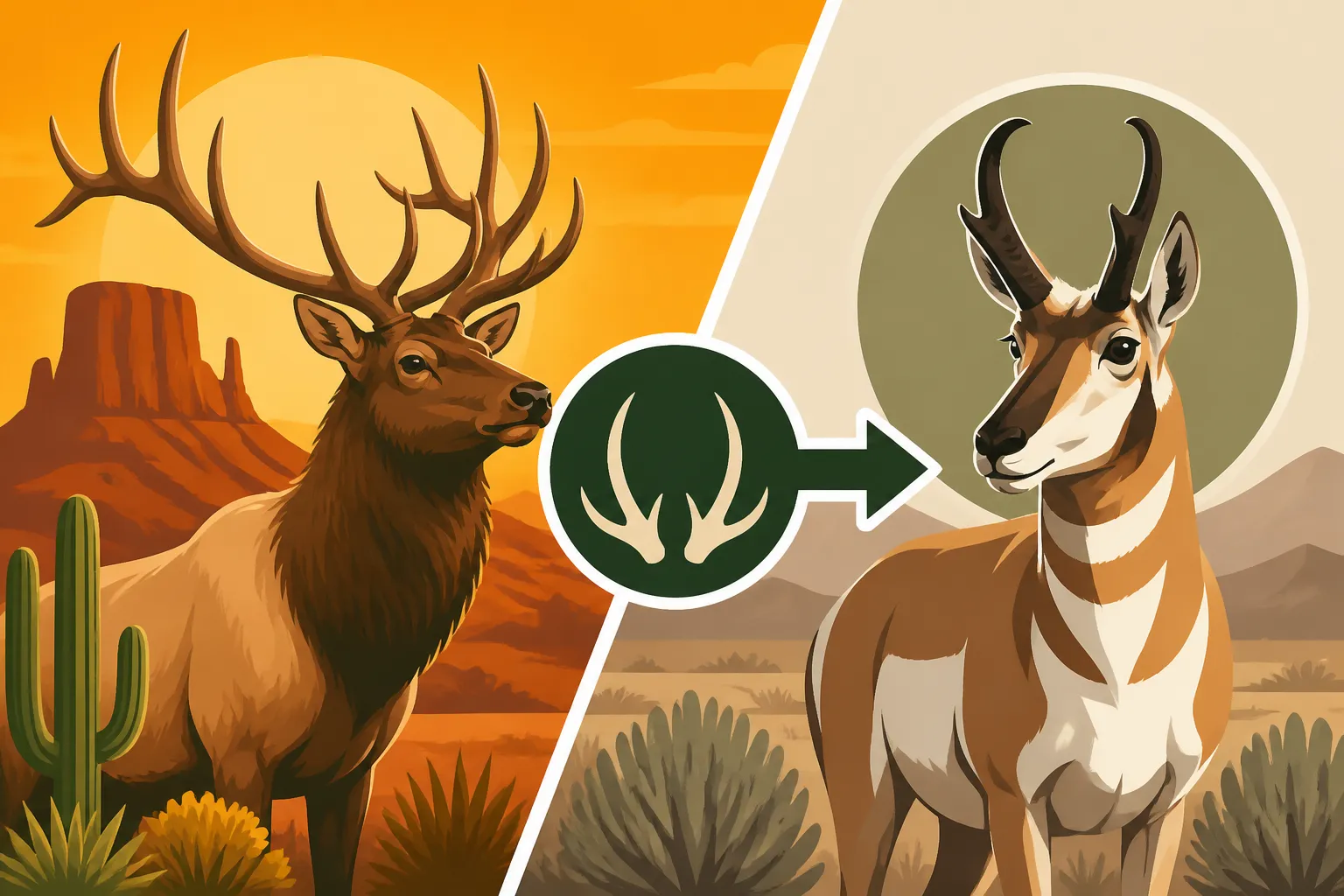
It's a question many of us have wrestled with when trying to navigate Arizona's often complex draw system: "Can my hard-earned elk points be used to boost my chances for an antelope tag?" The short answer, and one that might sting a little for those hoping for an easier path, is no. Arizona's bonus point system is designed with species-specific pools, meaning the points you accumulate for elk stay with elk, and your antelope application starts fresh, building its own separate point history. This guide will dive deep into why this is the case and how you can best strategize your applications for both species.
Understanding Arizona's Species-Specific Bonus Point System
Arizona's bonus point system is a fascinating beast, truly. It's built to reward consistency and patience, but it's also set up with very distinct boundaries between different big game species. For those of us who spend countless hours pouring over draw odds and unit maps, it’s a critical distinction to grasp. You're not just earning "Arizona points"; you're earning "Arizona elk points," "Arizona antelope points," "Arizona deer points," and so on.
How Bonus Points Are Earned and Used
You've probably heard the term "bonus point" thrown around a lot in Arizona hunting circles. Simply put, a bonus point gives you an additional entry into the draw for a specific species. The more points you have, the more entries you get, mathematically increasing your odds of drawing a coveted tag. It's not a guaranteed tag, mind you, just a better shot.
There are a few key ways you can accumulate these valuable points:
- Applying for a Hunt: Every time you apply for a specific big game hunt and are unsuccessful in drawing a tag, you automatically earn one bonus point for that species. This is the most common way hunters build points, year after year, hoping to hit the jackpot.
- Applying for a Point Only: If you know you can't make a hunt that year but still want to keep building your point bank, you can simply apply for a "point only" for a nominal fee. This is a smart move for maintaining momentum, especially for species with notoriously tough draws. Learning how to navigate Buying an Arizona Point Without Applying to Hunt can save you headaches later.
- Hunter Education: Arizona generously awards a permanent bonus point for completing a state-certified hunter education course. This is a one-time deal, but it's a fantastic head start, particularly for new hunters. You can learn more about The Permanent Point From Hunter Education.
- Ethically Hunting Arizona Course: Similar to hunter education, completing the online "Ethically Hunting Arizona" course also earns you another permanent bonus point. This course focuses on ethical decision-making and responsible hunting practices, providing a valuable learning experience alongside that extra point.
- Loyalty Point: After five consecutive years of purchasing an Arizona hunting license and applying for a big game hunt (even if only for a point), you earn a loyalty point. This is another species-specific point, further emphasizing the state's commitment to rewarding consistent participation.
Each of these avenues contributes to your point total for a specific species. This is where the confusion often arises, because while the mechanisms for earning points are universal, their application is strictly siloed.
Why Arizona Bonus Points Never Cross Species
The core of the matter is that Arizona's Game and Fish Department (AZGFD) has intentionally designed its system so that points are never shared between different big game species. The reason behind this isn't to frustrate hunters, but to maintain fairness, manage specific populations effectively, and ensure that a hunter's dedication to one species doesn't inadvertently give them an overwhelming advantage across the board.
Imagine if your 15 elk points could suddenly be applied to an antelope draw, or a bighorn sheep draw. It would instantly inflate the odds for those already invested in elk, making it nearly impossible for new applicants or those focused on other species to ever draw. This is precisely Why Arizona Bonus Points Never Cross Species is a foundational rule of the Arizona draw. Each species, whether it's elk, antelope, deer, bighorn sheep, or bison, represents a distinct management objective, and the draw system reflects that. The agency wants to ensure that draw odds for elk are based on the pool of elk applicants and their elk points, not diluted or skewed by points accumulated for an entirely different animal.
The Distinct Worlds of Elk and Antelope Applications
When you submit an application in Arizona, you're entering a draw that’s almost like a separate universe for each species. Your elk application goes into the "elk draw," and your antelope application goes into the "antelope draw." They don't interact, they don't share data beyond your personal identification, and most importantly, they don't share points.
Elk Draw vs. Antelope Draw: Different Challenges
Drawing an elk tag in Arizona, especially for a prime unit, is incredibly tough. Hunters dedicate years, sometimes decades, to building points for a chance at a trophy bull. The sheer number of applicants and the limited tags make it a long-term strategy. Arizona Elk Season Structure by Hunt Code shows the various hunts, but getting any elk tag can be a monumental task.
Antelope, on the other hand, presents its own unique set of challenges. While perhaps not as universally sought after as the top-tier elk tags, drawing a quality antelope tag is equally, if not more, difficult in many units. Antelope populations are often smaller, and tags are extremely limited. Hunters often refer to it as "the ultimate draw" because of the low odds. For insights into these odds, you'll want to review Arizona Pronghorn Draw Odds.
If your elk points could transfer, it would completely upend the existing balance for antelope. Someone with 20 elk points would suddenly have 20 entries for antelope, instantly pushing out hunters who have been faithfully applying for antelope-specific points for years. The system simply isn't built to allow for that kind of cross-species advantage. When using resources like GoHunt, you'll quickly see that their draw odds calculators meticulously separate each species, reinforcing this core principle. It's a key part of understanding the landscape before you apply.
Navigating the Application Process for Multiple Species
So, what does this mean for you when you're planning your applications? It means treating each species' draw as its own independent endeavor. When the February deadline rolls around for elk and antelope, you'll need to decide your strategy for both. The Arizona Elk and Antelope Application Deadline is a crucial date to mark on your calendar.
Here's a breakdown of how it typically works:
- Separate Applications: You'll submit a distinct application for elk and a distinct application for antelope. Each will have its own set of unit choices and hunt numbers.
- Separate Point Balances: Your online Arizona Game and Fish portal account will show you separate bonus point totals for each species you've applied for in the past. Your 10 elk points will be clearly listed under "Elk," and your 2 antelope points will be listed under "Antelope." They don't merge.
- Independent Draw Outcomes: You could draw an elk tag and still be unsuccessful in the antelope draw, or vice-versa. The outcomes are completely independent. If you're successful in drawing, say, an elk tag, your elk points will be expended (though in Arizona, you typically retain a portion or lose them for future draws for that species depending on the tag type, so always check the latest regulations). Conversely, if you don't draw, you earn another point for that species. This aspect is vital to understand, particularly What Happens to Arizona Points When You Draw.
When planning, tools like GoHunt become indispensable. They allow you to analyze draw odds for each species separately, helping you formulate a point-building strategy or a higher-odds strategy for your chosen animals.
Strategizing Your Arizona Draw Applications
Since points don't transfer, a thoughtful strategy is essential for anyone hoping to hunt multiple big game species in Arizona. It's about playing the long game for some species and being opportunistic for others.
Building Points Consistently
The most critical piece of advice is to be consistent. If you have a dream of hunting a specific animal in Arizona, whether it's a massive Kaibab mule deer or a swift pronghorn, you need to apply for it every single year to build your points. Even if your odds are terrible, applying for a point-only is better than missing a year and falling behind.
- Long-Term Goals: For highly sought-after species like elk, antelope, bighorn sheep, and bison, commit to building points for years. These aren't tags you generally draw quickly, especially as a nonresident, where Arizona Caps Nonresidents at Ten Percent of Every Hunt.
- Point-Only Option: Don't hesitate to use the "point-only" option if a hunt year doesn't line up with your schedule or finances. It keeps your point accumulation alive without the commitment of a full tag.
- Researching Draw Cycles: Arizona runs two main draw cycles. Knowing Arizona Runs Two Draw Cycles, February and June is key. Elk and antelope, for instance, fall into the earlier February deadline, while deer, sheep, and bison come later in June. This allows you to spread out your focus and budget. Understanding Which Species Fall in the February Cycle can help you prioritize.
Leveraging Draw Odds Data
This is where the real strategy comes into play. Since your points are separate, you need to understand the draw odds for each species independently. Resources like GoHunt's Insider tool are specifically designed for this.
Table: Arizona Big Game Draw Strategy Overview
| Species | Typical Point Accumulation Strategy | Draw Difficulty (General) | Recommended Approach |
|---|---|---|---|
| Elk | Long-term (5-20+ years) | High to Extreme | Consistent point application, consider applying for point-only in off years. Use tools like GoHunt to target specific units based on your point level. Non-residents face stiff competition and The Nonresident Arizona Hunting License Fee is just the start. |
| Antelope | Long-term (7-25+ years) | High to Extreme | Similar to elk, focus on consistent point building. Odds are notoriously low, so patience is paramount. Don't expect a quick draw. |
| Mule Deer | Medium-term (3-10+ years) | Moderate to High | Good for building points for quality tags, but some units offer better odds. Can be a good "middle ground" species to apply for while building points for tougher tags. |
| Coues Deer | Short to Medium-term (1-5 years) | Moderate | Often more accessible, especially with over-the-counter archery opportunities. Can be a good option for earlier success while continuing to build points for other species. |
| Javelina | Very Short (OTC) | Easy | Over-the-counter tags usually available for archery, often a great way to experience Arizona hunting without draw stress. |
| Bighorn | Extreme Long-term (20+ years) | Extremely High | True lottery hunt. Most apply for points only, treating it as a once-in-a-lifetime dream. |
- Analyze Each Species Separately: Use a platform like GoHunt to look at elk draw odds, then switch to antelope draw odds. You'll see entirely different landscapes. A unit that's nearly impossible for elk might be slightly more attainable for deer, and vice versa. Checking Arizona Draw Odds Before You Apply is not just a suggestion; it's a necessity.
- Prioritize Your Desires: Decide which species you really want to hunt. If antelope is your dream, then focus your point-building efforts there, even if it means putting fewer resources into another species for a while.
- Consider "Opportunity" Hunts: Don't overlook over-the-counter (OTC) options for certain species like archery deer or javelina. These hunts don't require draw points and can be a great way to get out and hunt Arizona while still building points for your dream draw tags.
The Benefits of Species-Specific Points
It's easy to feel a pang of frustration when you realize your significant investment in elk points doesn't give you a leg up in the antelope draw. But from a broader perspective, this system actually offers significant benefits, both for wildlife management and for the hunting community as a whole.
Fairer Access and Wildlife Management
The species-specific point system is a cornerstone of fair chase and responsible wildlife management in Arizona.
- Prevents Dominance: If points were transferable, a handful of extremely dedicated (or lucky) hunters could accumulate a massive number of points across all species, effectively locking out others from drawing tags for various animals. This system ensures that while persistence is rewarded, no single hunter can monopolize the draw across different big game animals.
- Tailored Management: Each species has unique biological needs, population dynamics, and habitat requirements. By managing points separately, AZGFD can better control harvest numbers for each species. They can set tag quotas for elk based on elk population data, and similarly for antelope, without having to factor in a complex cross-species point pool that could introduce unforeseen variables. This helps maintain healthy, viable populations for all big game.
- Encourages Specialization: The system naturally encourages hunters to specialize or to dedicate their efforts to a particular species. If you truly want an Arizona elk, you know your consistent applications for elk are directly contributing to your goal for that animal, not being diluted or unexpectedly boosted by another.
Simpler Administration (Believe It Or Not!)
While Arizona's draw can feel complicated to navigate, the species-specific point system simplifies a critical aspect of its administration. Each draw is a separate "pool" of applicants and points. This makes the randomization and allocation process more straightforward. Imagine the logistical nightmare of trying to calculate odds if someone's 10 elk points suddenly became 10 antelope points, then 10 deer points, and so on. The current system, while requiring individual commitment to each species, creates a much cleaner, more manageable framework for the agency to run its multiple draws.
So, while your Arizona elk points won't directly assist your antelope application, this seemingly frustrating truth is actually a deliberate and beneficial design choice. It ensures that every hunter, regardless of their point totals for other animals, gets a fair shake in the incredibly competitive world of Arizona antelope hunting.
Disclaimer
Please remember that hunting regulations, including those concerning bonus points and draw systems, can change. Always consult the most current Arizona Game and Fish Department regulations booklet or their official website before applying for any hunt. This guide provides general information and recommendations based on current understanding, but it is not a substitute for official sources.