Why Arizona Lessees Can Restrict Trust Land Access
It’s a frustrating scenario many Arizona hunters have faced: You’ve meticulously planned your hunt, identified what looks like prime public land on your map, only to arrive and find a locked gate or a "No Trespassing" sign plastered on a fence line that clearly delineates Arizona State Trust Land. This guide will cut through the confusion and explain precisely why leaseholders on Arizona State Trust Land can, and often do, restrict access for hunters, even when you hold a valid hunting license.
Understanding Arizona State Trust Land: A Unique Model
Arizona's landscape is a patchwork of land designations, and State Trust Land is one of the most misunderstood, especially by those who aren't long-time residents or hunters in the state. Unlike federal public lands such as National Forests or BLM acreage, Arizona State Trust Land isn't primarily managed for broad public recreation. Its purpose is far more specific and economically driven.
What Exactly is Arizona State Trust Land?
At its core, Arizona State Trust Land exists to generate revenue for specific beneficiaries, primarily public schools. Imagine it as a massive endowment, with the land itself being the principal asset. The state manages this land by leasing it out for various commercial activities, such as grazing, agriculture, mineral extraction, and commercial development. The income generated from these leases, permits, and sales then goes directly to fund education and other designated state institutions. This is a crucial distinction: while you might be used to the "public access for all" mentality of, say, a national park or forest, Trust Land operates under a different mandate. Arizona actually holds a staggering Arizona Holds 9.2 Million Acres of State Trust Land across the state, and understanding its function is key to navigating hunting opportunities there.
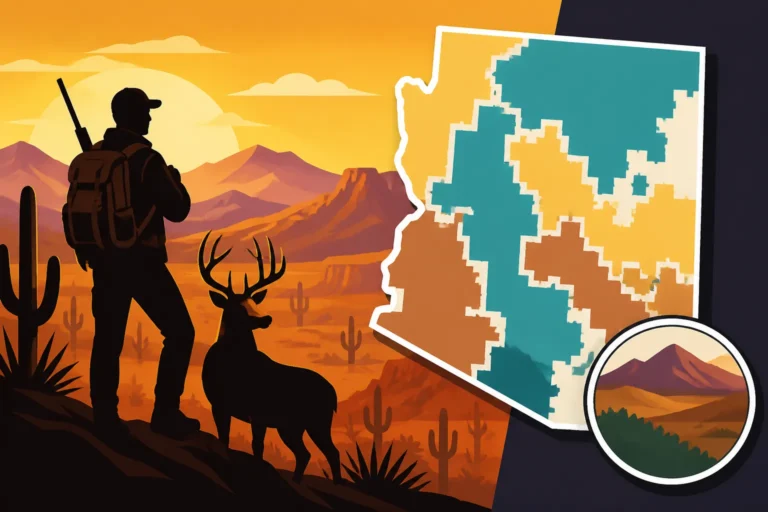
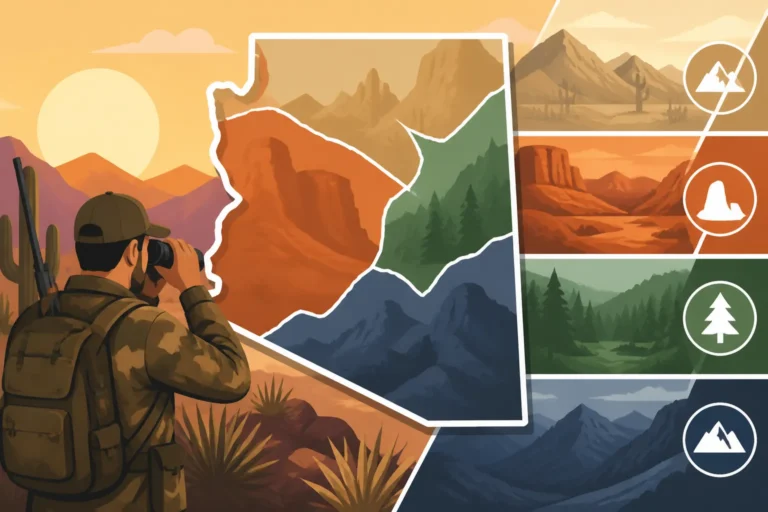
The Arizona State Land Department (ASLD) is the steward of these lands, tasked with maximizing revenue for the beneficiaries. This means their decisions are often guided by what will create the most financial benefit, and sometimes, that conflicts with broad recreational access. So, when you're looking at a map and see that distinctive yellow or orange shading for "State Trust Land," understand that it’s not the same as the green of a National Forest or the tan of BLM land. It's a working landscape, and its primary "job" is to make money for the state's schools.
The Role of Grazing and Agricultural Leases
A huge portion of Arizona State Trust Land is leased out for ranching and farming operations. These aren't just informal arrangements; they are legally binding contracts between the state and the lessee. Ranchers pay the state for the right to graze their cattle, sheep, or other livestock on these lands. Farmers lease parcels for growing crops. These leases often cover vast areas, sometimes encompassing entire units or large sections of prime hunting ground. The revenue generated from these grazing and agricultural leases is a significant contributor to the Trust's income, directly supporting those beneficiaries like our public schools.
When a rancher or farmer secures a lease, they gain certain rights to manage that land for their specific commercial activity. This isn't just about putting cows on grass; it involves substantial investment in infrastructure, such as fences, corrals, stock tanks, and roads. They manage water sources, rotate pastures, and ensure the health and safety of their livestock or crops. From their perspective, they are operating a business on that land, and their lease grants them the primary operational control to ensure their enterprise thrives. This is why their activities, and the protection of their investments, often take precedence over general recreational use, including hunting.
Your Hunting License and the Recreational Permit
Navigating access to Arizona State Trust Land can feel like a riddle sometimes. You've heard your hunting license grants you access, but then you encounter those locked gates. It's all about understanding the nuances of what your license covers and when you might need something additional.
How a Hunting License Grants Access for Hunting
For a long time, there was a separate "recreational permit" required for any entry onto Arizona State Trust Land, even if you were just passing through to get to public land. This caused a lot of headaches for hunters. Thankfully, Arizona law was amended to make things a bit simpler for bona fide hunting activities. Now, your valid Arizona hunting license does act as your recreational permit for the purpose of hunting or activities directly related to hunting (like scouting before a season, retrieving game, or setting up a hunting camp) on State Trust Land. This is a significant convenience and saves hunters from having to purchase an additional, often confusing, permit just to pursue game. Why a Hunting License Is Your Trust Land Permit is a common question, and this clarifies the rule.
So, if you're out there with your deer tag, actively looking for Coues deer, or setting up your ground blind for javelina, your hunting license is all you need in terms of a "permit" for access to Trust Land. This covers the act of hunting itself, as well as the necessary associated activities that facilitate a legal hunt. It acknowledges that hunting isn't just about the moment of the shot, but the entire process of scouting, accessing, and retrieving. However, this convenience comes with important caveats regarding the type of access and the rights of lessees.
When a Separate Recreational Permit is Needed
While your hunting license is a great help, it's not a blanket pass for all activities on State Trust Land. There are specific situations where you absolutely need to purchase a separate recreational permit from the Arizona State Land Department. This permit is required for any activity on Trust Land that is not directly related to hunting, fishing, or trapping, or if you are not a licensed hunter, angler, or trapper. When Arizona Requires a Recreational Permit Instead goes into more detail, but here are some common examples:
- General Camping: If you want to camp on Trust Land for leisure purposes, separate from a hunting trip (e.g., a family weekend camping trip, or if you've finished your hunt and are just relaxing for a few extra days), you'll need a recreational permit.
- Target Shooting: If you're going out specifically to target practice, and it's not part of an active hunt or scouting trip, you need the permit.
- Off-Highway Vehicle (OHV) Use: If you're riding OHVs purely for recreation and not for hunting access or game retrieval, a recreational permit is required, in addition to your OHV decal.
- Hiking, Birdwatching, Photography: Any general recreational activity that doesn't involve hunting, fishing, or trapping falls under the recreational permit requirement.
Think of it this way: your hunting license is your "hunting access permit," but for everything else recreational on Trust Land, you'll need the general recreational permit. This distinction is crucial and often where hunters get into trouble, as they mistakenly assume their hunting license covers all activities at all times. Always err on the side of caution and check the ASLD's website if you're unsure about whether your planned activity falls under the hunting license umbrella or requires a separate permit.
The Lessee's Rights and Responsibilities
This is where the rubber meets the road and the reason for those locked gates becomes clearer. Leaseholders on Arizona State Trust Land aren't just casual users; they have vested interests and legal protections that govern their operations. Understanding their rights helps explain why access can be restricted.
Prioritized Use for Leaseholders
When a rancher or farmer signs a lease agreement with the Arizona State Land Department, they are granted primary use of that land for their specific commercial activities. This means their operations—whether it's grazing cattle, cultivating crops, or managing water resources for their livestock—take precedence over general public recreational use. The state prioritizes the revenue-generating activities for the beneficiaries, and the lessees are the instruments by which that revenue is generated.
Consider a rancher whose livelihood depends on the health and safety of their cattle. They manage the range, perhaps rotating pastures, distributing feed, or moving herds to different areas. Unrestricted vehicle access by the public could disrupt these operations, spook livestock, damage fences, or introduce disease. Similarly, a farmer with leased cropland has invested heavily in planting, irrigation, and harvesting. Unauthorized vehicle traffic or even foot traffic across fields could easily destroy crops, damage irrigation systems, and directly impact their income. The legal framework supporting these leases is designed to protect these investments and ensure the lessees can conduct their business without undue interference. It's not about being exclusive; it's about protecting an active commercial enterprise operating on the land.
Protecting Private Property and Improvements
One of the most frequent points of contention arises around gates, fences, and other infrastructure. Many hunters mistakenly believe that because it's "public" land (State Trust Land), any infrastructure on it must be freely accessible or disregarded. This is a critical misunderstanding. While the land itself is owned by the state trust, many of the improvements—fences, gates, stock tanks, corrals, and even some roads—are often the private property of the lessee.
Lessees invest their own money to build and maintain these improvements, which are essential for their operations. A stock tank, for example, is vital for watering their cattle and might have cost thousands of dollars to install and maintain. A fence keeps their livestock contained and prevents them from wandering onto highways or neighboring properties. These are not merely suggestions; damaging or interfering with these private improvements is a form of trespass and can lead to legal consequences, including fines and charges. The lessee has a legal right to protect their property and investments. This often means locking gates to secure their livestock, prevent vandalism, or ensure the integrity of their agricultural operations. It's not uncommon for lessees to be held responsible for damages or incidents that occur on their leased land, so they have a strong incentive to control access and mitigate risks.
Common Scenarios of Restricted Access
Now that we understand the legal framework, let's look at the real-world situations hunters encounter on Arizona State Trust Land that lead to restricted access. These aren't arbitrary decisions by landowners; they're usually based on legitimate operational or safety concerns.
Locked Gates and Barricades
This is probably the most common and frustrating scenario for hunters. You've scouted a great spot, got your E-Scouting an Arizona Unit Before the Season done, and found what looks like a good access road, only to be met by a locked gate. When a gate on State Trust Land is locked, it means vehicle access beyond that point is typically prohibited. The lessee has a valid reason for locking it, which could include:
- Containing Livestock: This is perhaps the most frequent reason. Locking gates prevents cattle, sheep, or horses from wandering off the leased property, onto highways, or into areas where they shouldn't be. An open gate can lead to significant financial loss for a rancher if their livestock escape.
- Protecting Crops or Property: If the road leads into an active agricultural field or near sensitive equipment, a locked gate prevents unauthorized vehicles from causing damage.
- Preventing Vandalism or Theft: Remote areas can be targets for vandalism or theft of equipment, and locked gates are a deterrent.
- Safety Concerns: Sometimes, roads might be impassable due to weather, or there might be active heavy machinery at work, making vehicle access unsafe.
It's important to differentiate between vehicle access and foot access. A locked gate usually pertains to vehicles. In many cases, you can still walk beyond a locked gate, provided you don't climb over fences (which could damage them), don't disturb livestock, and aren't entering a specifically prohibited area (like an active cultivated field). However, you must be prepared to pack everything in and out on foot. Always leave gates as you found them—if it was locked, re-lock it behind you. If it was open, leave it open. This simple courtesy goes a long way.
Posted "No Trespassing" Signs on Leased Trust Land
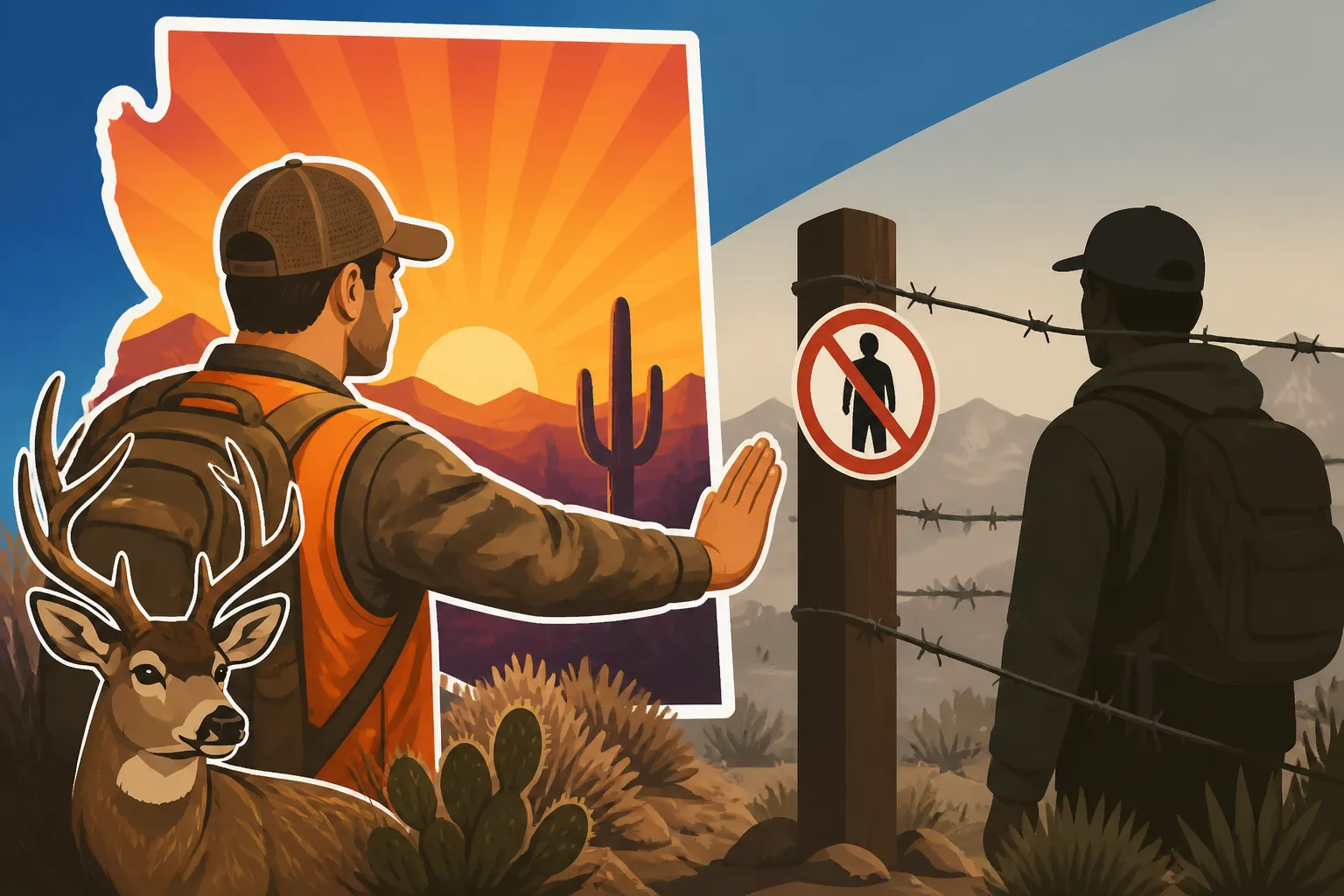
Another common occurrence is encountering "No Trespassing" signs. While State Trust Land isn't private land in the traditional sense, lessees do have the authority to post these signs and restrict access if public use interferes with their lease operations or damages their private improvements. This isn't just a suggestion; it carries legal weight. If a lessee has posted "No Trespassing" signs due to specific activities like unauthorized vehicle traffic through fields, disturbance of livestock, or repeated property damage, then entering that area can indeed be considered trespass, even with a hunting license. Penalties for Entering Trust Land Without a Permit can be quite serious.
The distinction here is crucial: the signs aren't saying the state is prohibiting access for everyone; they're indicating that the lessee is exercising their right to control their leased area to protect their commercial operation. This might happen in areas where there's been a history of misuse, where specific crops are vulnerable, or where large concentrations of livestock make public access a risk. It's the lessee's way of saying, "Your activities here are directly impacting my livelihood, and I need this area clear." Always respect these postings, as ignoring them can lead to citations, fines, or even the loss of your hunting privileges.
Active Agricultural Operations and Livestock Hazards
Imagine trying to stalk a herd of javelina across a freshly planted alfalfa field, or having your mule deer hunt interrupted by a thousand head of cattle being moved through the canyon you’re trying to glass. Active agricultural operations and large numbers of livestock present legitimate hazards and reasons for restricted access.
- Damage to Crops: Driving or even walking through cultivated fields can flatten crops, compact soil, and damage irrigation lines. This translates directly to financial loss for the farmer.
- Disturbance to Livestock: Large game animals like elk or deer can mingle with cattle, and human presence can disturb livestock, causing them to scatter, stress, or even injure themselves. This is particularly problematic during calving season or when young animals are present.
- Safety Risks: Moving large herds of cattle can be dangerous, and hunters or their vehicles can pose a risk to both the livestock and the ranch hands. Similarly, heavy farm machinery in operation can create hazardous situations.
In these scenarios, a lessee is well within their rights to restrict access to protect their investment and ensure safety. It's not about being anti-hunter; it's about managing a working landscape. When you encounter active operations, it’s best to avoid the area, seek alternative access, or, if possible, politely try to make contact with the lessee to understand the situation and potentially gain permission or advice on how to proceed without interference.
Navigating Access: Tips for Hunters
Encountering restricted access on Arizona State Trust Land doesn't mean your hunt is over. It just means you need to be smart, prepared, and respectful. With the right approach and tools, you can still find fantastic hunting opportunities.
Scouting and Planning with Mapping Tools
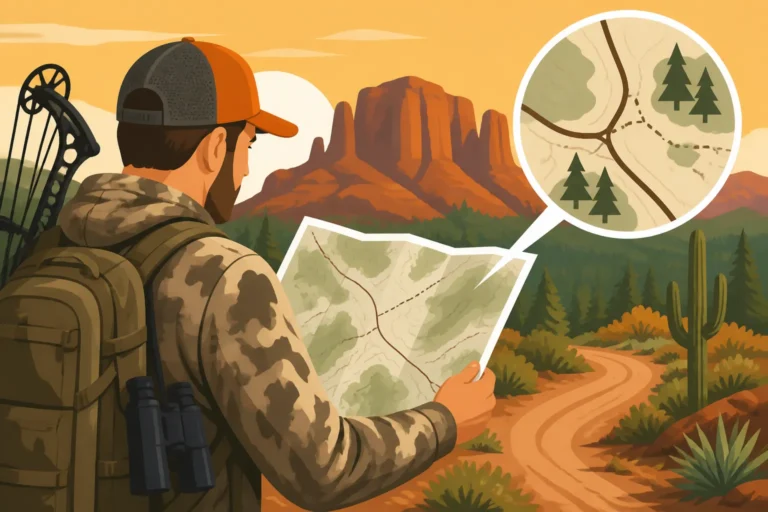
The first step to navigating State Trust Land is thorough pre-season scouting, and modern mapping tools are your best friend. Services like onX Hunt and GoHunt provide detailed land ownership layers that clearly delineate State Trust Land from BLM, National Forest, and private parcels. These apps are invaluable for Reading a Land Ownership Layer Correctly. They can also show you existing roads, trails, water sources, and topography.
Before you ever leave home, spend time poring over these maps. Look for:
- Adjacent Public Land: Can you access a parcel of State Trust Land from an adjoining piece of BLM or National Forest ground? Often, this provides a more reliable entry point.
- Existing Roads and Trails: Identify established routes. Keep in mind that not all roads shown on a map are public access roads; some might be private ranch roads that cross Trust Land.
- Potential Bottlenecks: Look for areas where private land or other restrictions might pinch off access, forcing you to find an alternative.
- Water Sources and Terrain: While not directly related to access rules, understanding the terrain and where game might concentrate will help you focus your efforts on accessible areas.
By doing your homework with tools like onX Hunt, you can often identify potential access challenges before you encounter them in the field. This allows you to plan alternative routes or adjust your expectations. Remember, "the best place to hunt is often the hardest place to get to," but you still need legal access.
Respecting Gates and Infrastructure
This is perhaps the most fundamental rule of responsible hunting on any land, especially State Trust Land. The mantra is simple: Leave gates as you found them. If a gate is open, leave it open. If it is closed, close it behind you. If it is locked, it means vehicle access is denied. Do not cut fences, climb over them in a way that damages them, or force locked gates. These actions are illegal, disrespectful, and undermine future access for all hunters.
- Closed Gates: Always close any gate you open, even if you don't see livestock. There might be a reason it was closed that isn't immediately obvious.
- Locked Gates: A locked gate is a clear signal. Do not attempt to bypass it with a vehicle. You may, however, be able to walk around it or park and proceed on foot, provided there are no other "No Trespassing" signs or specific restrictions. This is where physical conditioning for a long hike comes in handy.
- Stock Tanks and Water Sources: These are critical for livestock and often for wildlife too. Do not contaminate them, block access to them, or damage their infrastructure. Lessees invest heavily in maintaining these vital resources.
- Existing Roads Only: Stick to established roads and trails. Do not create new tracks by driving off-road, especially through fields or sensitive vegetation. This causes erosion, destroys habitat, and infringes on the lessee's rights.
Following these simple rules demonstrates respect for the land, the lessee, and the hunting tradition, helping to preserve access for future generations.
Communicating with Lessees
While not always feasible or guaranteed to succeed, attempting to communicate with lessees can sometimes unlock access or at least clarify restrictions. If you see a ranch house, a working ranch, or have an idea of who the lessee might be (sometimes property records can help), a polite inquiry can go a long way.
Approach them with respect, introduce yourself as a hunter, and explain your intentions. Ask about specific access points, where livestock might be, or if there are any areas they would prefer you avoid. You might be surprised. Some lessees are quite accommodating, especially if they see you are a responsible and respectful individual. They might point you to an alternative route or explain why a certain area is restricted, which can help you understand the landscape better.
However, be prepared for a "no." Lessees are not obligated to grant you access beyond what your hunting license allows (which is often foot traffic through non-sensitive areas). If they decline, thank them for their time and move on to another accessible area. Don't argue or demand access; it will only create animosity and make it harder for the next hunter. Building goodwill is a slow process, but destroying it can happen in an instant.
Distinguishing Trust Land from Other Public Lands
Understanding the specific rules for Arizona State Trust Land becomes even clearer when you compare it to other forms of public land you might encounter in the state. Each land designation has its own primary mission and, consequently, its own set of access rules.
BLM Land: Open Access, Different Management
Bureau of Land Management (BLM) land covers vast swaths of Arizona, particularly in the lower deserts. Unlike State Trust Land, BLM land is managed for multiple uses, including recreation, grazing, mining, and energy development. Its primary mission is to sustain the health, diversity, and productivity of public lands for the use and enjoyment of present and future generations. For hunters, this generally translates to much more open and permissive access.
On BLM land, you typically don't need a special permit for general recreational activities, including hunting, beyond your valid state hunting license. Dispersed camping (camping outside of designated campgrounds) is widely allowed, often for up to 14 days in a 30-day period, as long as you follow Leave No Trace principles. Vehicle access is generally allowed on existing roads and trails, though there might be seasonal or area-specific closures. Do You Need a Permit to Hunt BLM Ground? clarifies that your hunting license is usually sufficient for hunting purposes. The key difference is the priority of use: on BLM land, recreation is a recognized and encouraged use, whereas on State Trust Land, revenue generation for beneficiaries through commercial leases takes precedence.
National Forests: Broader Recreational Use
Arizona's National Forests (like the Coconino, Apache-Sitgreaves, Tonto, Coronado, and Kaibab) offer a different, but generally more recreation-friendly, access model compared to State Trust Land. These lands are managed by the U.S. Forest Service with a mandate for multiple uses, including timber, water, recreation, and wildlife. Recreation is a very high priority.
Hunters usually find abundant access on National Forest land. Dispersed camping is widely permitted, similar to BLM, and there's an extensive network of forest roads and trails. However, it's crucial to consult Motor Vehicle Use Maps for Forest Ground (MVUMs). These maps are the official guide to where you can and cannot drive a motorized vehicle on National Forest land. They clearly show designated roads, trails open to specific vehicle types, and areas closed to motorized travel. It's illegal to drive off a designated route. Additionally, National Forests are subject to Seasonal Road Closures Across Arizona, particularly in higher elevations during winter or during periods of high fire danger.
While you don't need an extra recreational permit for hunting on National Forest land (your hunting license is enough), you might encounter day-use fees at developed recreation sites (trailheads with facilities, picnic areas, etc.). The main difference from Trust Land is that the Forest Service actively manages for public recreational enjoyment, so the balance often leans more favorably towards the hunter, though with specific rules for vehicle use and environmental protection.
Legal Implications and Hunter Responsibilities
Understanding the "why" behind restricted access is critical, but so is understanding the "what if." Violating access rules on State Trust Land isn't just a minor infraction; it carries legal consequences and can severely damage the reputation of hunters as a whole.
Understanding Trespass Laws
Despite your hunting license acting as a recreational permit for hunting, violating a lessee's legitimate restrictions on State Trust Land can absolutely constitute criminal trespass. It's a common misconception that because the land is "public" (State Trust), you can't be charged with trespass. This is incorrect. The Arizona State Land Department grants lessees specific rights to manage and protect their leased operations and improvements. When a lessee posts "No Trespassing" signs because of interference with their agricultural activities, or locks a gate to protect livestock or private property, ignoring those restrictions can lead to legal action.
The consequences of trespass can include:
- Citations and Fines: You could receive a citation and be subject to monetary fines.
- Criminal Charges: Depending on the severity of the trespass and any damage caused, you could face misdemeanor or even felony charges.
- Loss of Hunting Privileges: A conviction for trespass while hunting could result in the suspension or revocation of your hunting license, not just in Arizona but potentially in other states through interstate compacts.
- Vehicle Impoundment: In some cases, your vehicle could be impounded if it was used in the commission of trespass.
Remember, the lessee is trying to run a business. When hunters disregard their warnings, damage their property, or interfere with their operations, it has a direct financial impact. Law enforcement (local sheriff's deputies or Arizona Game and Fish Department officers) will respond to complaints from lessees regarding trespass on State Trust Land. It's not worth the risk. Always verify access and respect posted restrictions to avoid legal trouble.
Ethical Hunting and Public Perception
Beyond the legal ramifications, how hunters behave on State Trust Land has a significant impact on public perception and, ultimately, on future access for everyone. Every time a gate is cut, a fence is damaged, crops are driven over, or livestock are disturbed, it fuels negative stereotypes about hunters. This creates a difficult relationship between lessees, the Arizona State Land Department, and the hunting community.
If enough incidents occur, lessees might pressure the ASLD to implement even stricter access rules or more widespread closures, which would be detrimental to all honest hunters. Our privilege to hunt is often dependent on the goodwill and cooperation of landowners and land managers. Being an ethical hunter means more than just following game laws; it means being a responsible steward of the land and a respectful user of shared resources.
- Be an Ambassador: When you're out there, you represent all hunters. Act with courtesy and respect towards lessees, other land users, and the land itself.
- Report Misconduct: If you witness other individuals damaging property, littering, or violating access rules, report it to the authorities. Protecting access means holding ourselves and each other accountable.
- Leave No Trace: Pack out everything you pack in, and perhaps even more. Leave gates as you found them. Don't leave spent casings, trash, or anything else behind.
The future of hunting access on Arizona State Trust Land, and indeed across the state, depends heavily on hunters demonstrating their commitment to ethical behavior and responsible land use. By understanding the unique nature of Trust Land and respecting the rights of its lessees, we can work towards maintaining these valuable hunting opportunities.
Here's a quick comparison of access rules for different land types:
| Feature | Arizona State Trust Land | BLM Land (Bureau of Land Management) | National Forest Land (U.S. Forest Service) |
|---|---|---|---|
| Primary Mission | Generate revenue for state beneficiaries | Multiple use; sustain health, diversity, productivity | Multiple use; timber, water, recreation, wildlife |
| Hunting Permit | Valid AZ Hunting License (for hunting-related activities) | Valid AZ Hunting License | Valid AZ Hunting License |
| General Rec. Permit | Required for non-hunting activities | Generally not required | Generally not required (fees at developed sites) |
| Lessees & Operations | Commercial leases (grazing, agriculture) have primary use | Grazing leases common, but recreation is higher priority | Some grazing permits, but recreation is high priority |
| Locked Gates | Common; indicate vehicle restriction by lessee | Less common; may be for resource protection | Less common; may be for resource protection or seasonal closure |
| "No Trespassing" Signs | Lessees can post if operations are impacted | Rare, typically for specific closed areas | Rare, for specific closed areas or private inholdings |
| Dispersed Camping | Permitted only with recreational permit, often restricted | Widely permitted (up to 14 days) | Widely permitted (check specific rules) |
| OHV Use | With recreational permit + OHV decal, existing roads | Existing roads/trails, OHV decal required | MVUMs define legal routes, OHV decal required |
Disclaimer
This article is for general informational purposes only and does not constitute professional advice. Laws, prices and regulations vary by location and change over time. Consult a qualified professional for guidance on your specific situation.