Tracking Arizona Javelina Through Prickly Pear
Arizona javelina tracking through prickly pear cactus reveals behavior, herd dynamics, daily movements, and survival strategies.
Close the distance.
Archery, muzzleloader, and firearm techniques — calling, stand placement, still-hunting, spot-and-stalk, and the weapon rules that change at the state line.
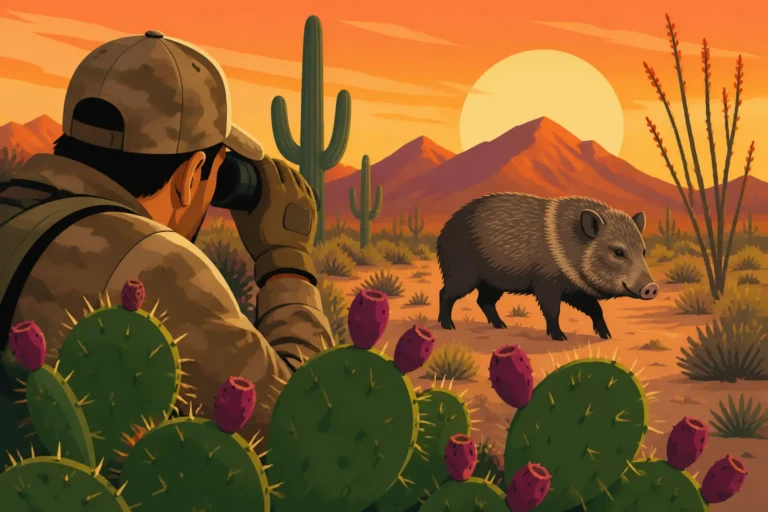
Arizona javelina tracking through prickly pear cactus reveals behavior, herd dynamics, daily movements, and survival strategies.
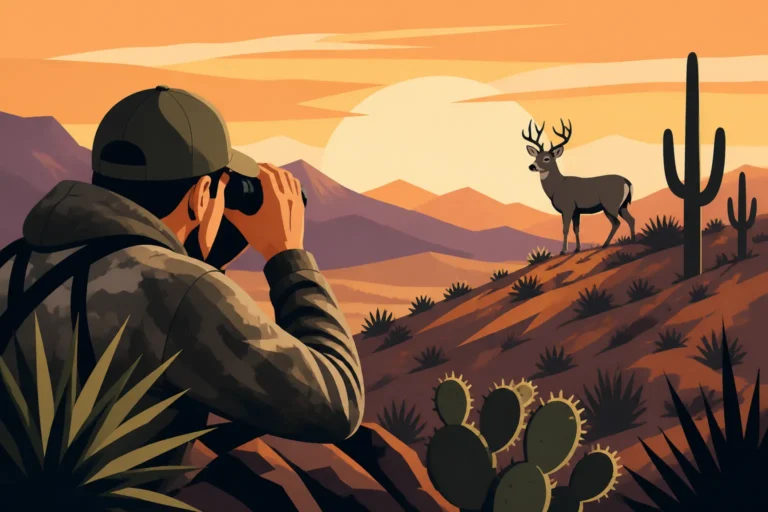
Arizona Coues deer hunting techniques and optics help hunters judge antler quality and distance for 100 to 125 pound bucks.
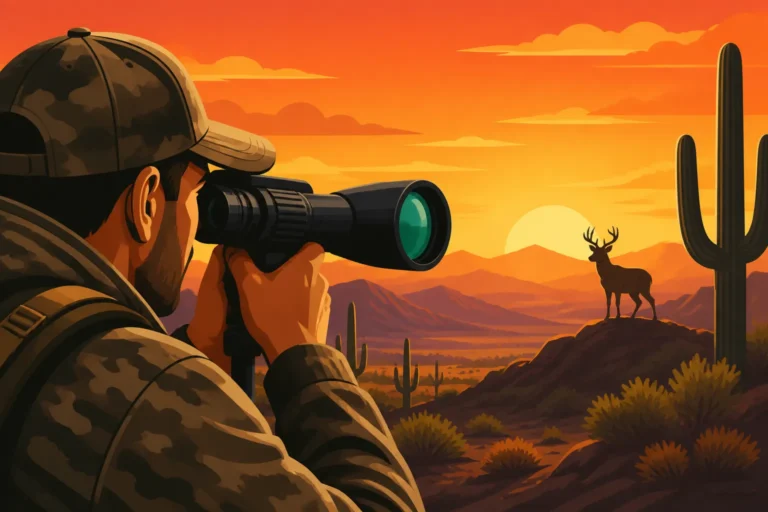
Arizona desert optics power and binoculars help hunters identify Coues deer and pronghorn across long sightlines and shimmering heatwaves.
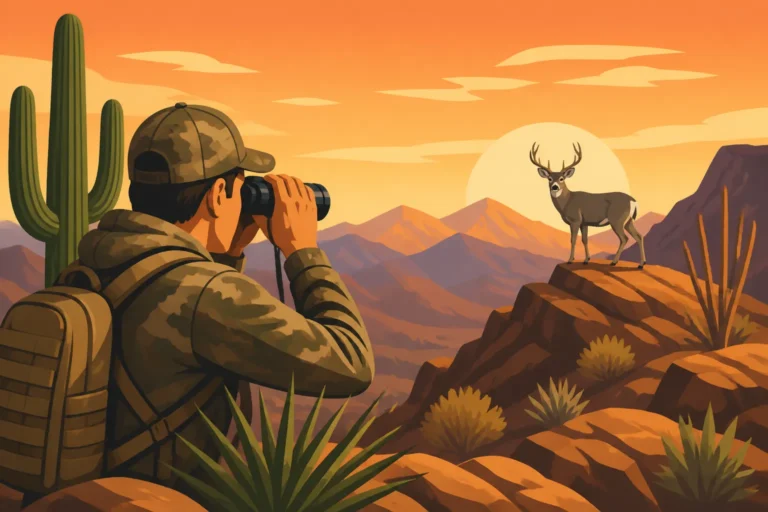
Arizona Coues hunting requires patience and optics because these gray ghosts blend seamlessly into rugged mountain terrain.
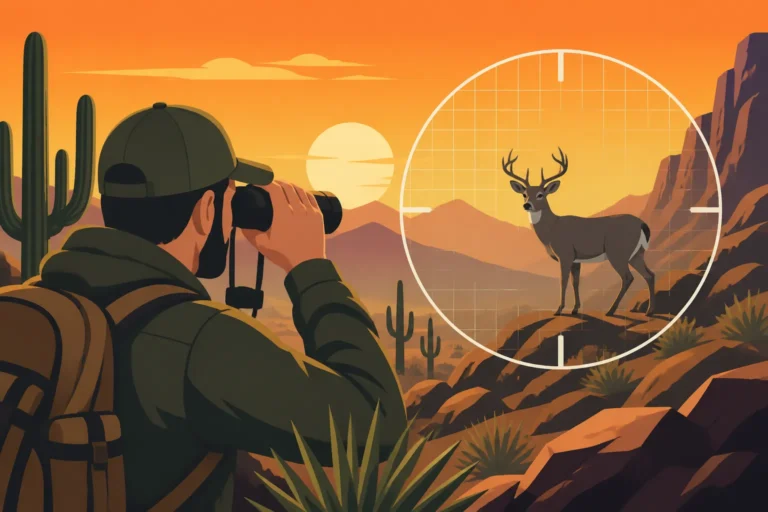
Glassing grids provide Arizona deer hunters a systematic method to locate elusive gray ghosts across vast desert terrain.
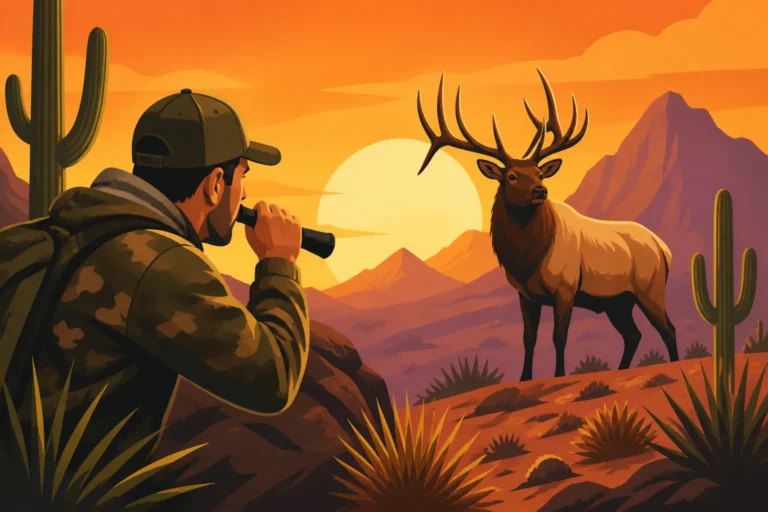
Cow calling pressured Arizona bulls requires adapting strategies to overcome call-shyness caused by heavy public land hunting.
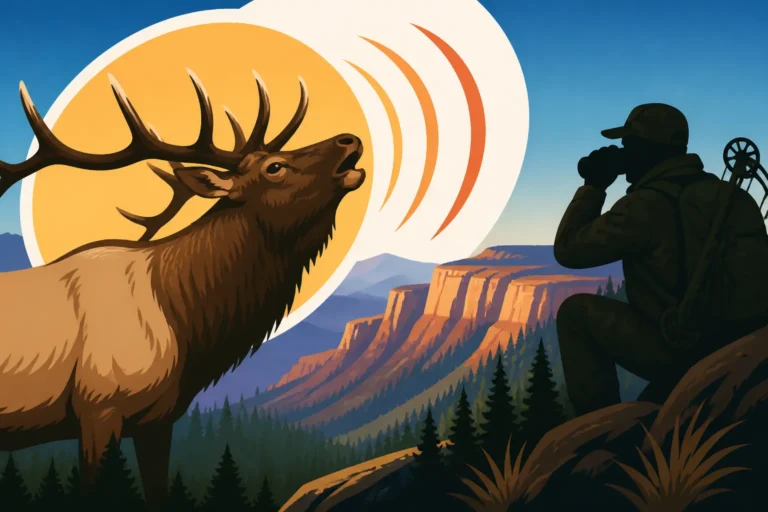
Elk bugle timing across Arizona’s Mogollon Rim depends on daylight, elevation changes, weather patterns, and breeding cycles.
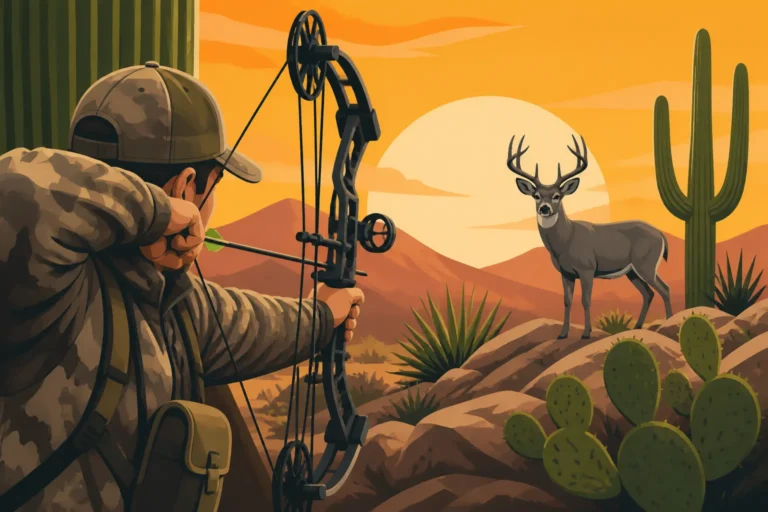
Arizona coues deer bowhunting requires closing the distance to thirty or fifty yards for an ethical shot on the tiny gray ghosts.
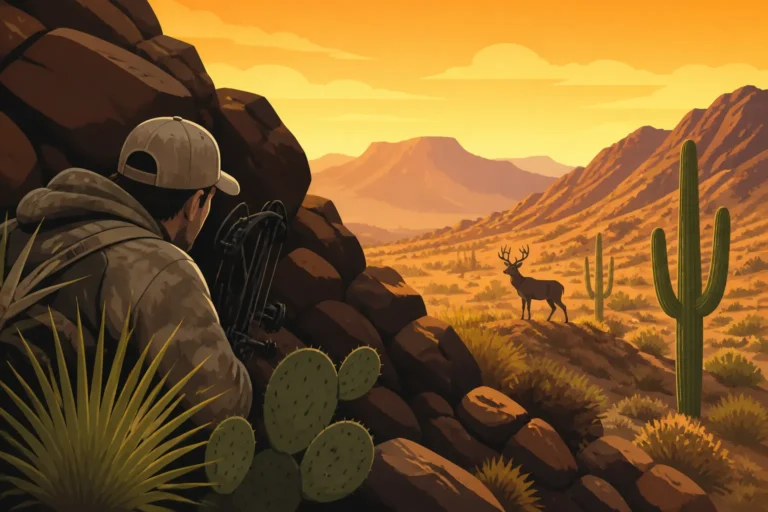
Arizona desert topography features, washes, and subtle landscape contours hide hunters stalking Coues deer and javelina.
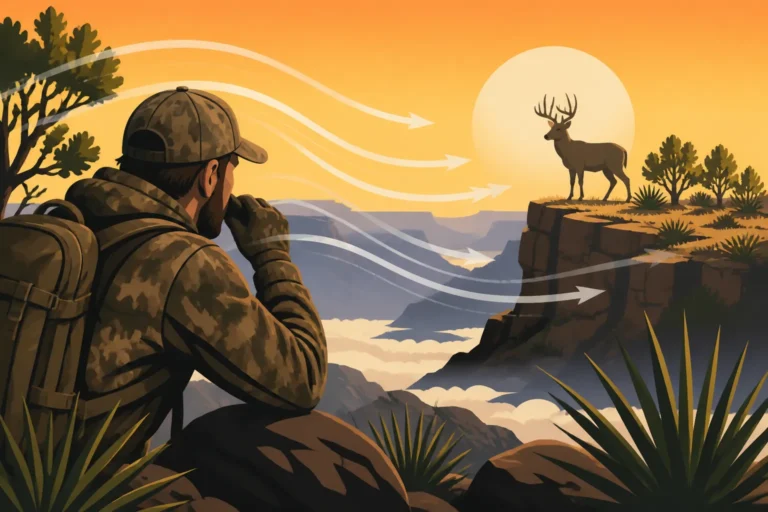
Arizona Sky Island microclimates and daily thermal shifts explain how mountain winds carry scent during Coues deer stalks.