How to Check an Outfitter’s Standing
The excitement of planning an Arizona hunt, especially if it's a dream trip for a big bull elk or a wily Coues deer, can often make us rush past some critical due diligence. You're pouring your hard-earned money, time off work, and a significant chunk of your emotional energy into this adventure. The last thing anyone wants is to arrive in Arizona, only to find their outfitter isn't legitimate, is under-prepared, or worse, doesn't even exist. This guide will walk you through the essential steps and resources for thoroughly vetting an outfitter, ensuring your investment is protected and your hunting experience lives up to expectations.
Why Vetting Your Arizona Outfitter Matters So Much
Hiring an outfitter is a significant decision, far beyond simply booking a hotel room. In Arizona's vast and challenging landscapes, from the sprawling deserts to the high timber of the Mogollon Rim, an outfitter is your key to unlocking opportunities you might never find on your own. But that trust needs to be earned, and your responsibility as a hunter is to make sure you’re putting your faith and your finances in the right hands.
The Investment Isn't Just Money, It's Time and Emotion
Let's be real: an Arizona big game hunt, particularly for species like elk or bighorn sheep, is often the culmination of years of applying, drawing bonus points, and saving money. The tag alone can be a substantial cost, not to mention travel, gear, and the sheer number of vacation days you'll burn. You’ve probably spent countless hours on E-Scouting an Arizona Unit Before the Season and dreaming about the moment you finally draw that coveted tag. When you finally get that draw notice, the temptation is to jump straight into booking.
But imagine pouring all that into a hunt, only to arrive and find your outfitter is disorganized, unprofessional, or even has a questionable reputation. It’s not just the financial loss; it’s the crushing disappointment, the lost opportunity, and the feeling of having wasted years of anticipation. Your time in the field, especially in Arizona's rugged backcountry, is precious, and you deserve to have it maximized by a competent and ethical professional. This is why digging deep into an outfitter's standing is non-negotiable.
Avoiding Scams and Unlicensed Operators
Unfortunately, the hunting industry, like any other, has its share of unscrupulous individuals. There are stories every year of hunters showing up to a nonexistent camp, or worse, finding their "guide" is operating illegally without proper licenses or permits. This can not only ruin your hunt but could also put you in a legally precarious position. Arizona has strict regulations regarding commercial guiding, and ensuring your outfitter adheres to them protects you.
An unlicensed outfitter might cut corners on safety, lack proper insurance, or operate in areas they don't have permission for. This directly impacts your safety and the legality of your harvest. A legitimate outfitter will be transparent about their credentials and happy to provide proof of their standing. Your due diligence here is your first line of defense against a nightmare scenario. Knowing Filing a Complaint About an Arizona Guide is important, but preventing the need for one is even better.
Essential Checks for Arizona Outfitter Licensing and Insurance
Before you even start talking about hunt dates and logistics, you need to verify the foundational elements of any professional outfitter: their legal right to operate and their commitment to safety.
Verifying State Licensing Through the Game and Fish Department
The Arizona Game and Fish Department (AZGFD) is the governing body for hunting and fishing in the state, and they oversee the registration and licensing of outfitters and guides. This is your absolute first stop. A reputable outfitter in Arizona must be registered with the AZGFD. They should have a current outfitter or guide license number. This isn't just a suggestion; it's a legal requirement for anyone charging money to guide hunters on public or private land in Arizona.
You can often call the AZGFD directly and inquire about an outfitter by name or business registration number. Don't be shy about this; it's a standard check, and any professional outfitter will expect it. This step helps confirm they are recognized by the state and are operating within the legal framework. It’s the baseline verification. Make sure to check How Arizona Lists Registered Hunting Guides for the official channels and procedures.
Asking About Insurance and Liability
Beyond licensing, proper insurance is paramount. A professional outfitter should carry liability insurance to protect both themselves and their clients in the event of an accident, injury, or unforeseen circumstances during the hunt. Hunting, especially in rugged Arizona terrain, carries inherent risks. Accidents can happen, from slips and falls to vehicle incidents or even unintentional damage to property.
Ask for proof of insurance. A certificate of insurance can typically be provided by their insurer, detailing coverage amounts and policy dates. While an outfitter's insurance doesn't prevent accidents, it ensures that if something unfortunate does occur, there's a mechanism in place to address medical costs or damages without devastating financial burden on either party. This step demonstrates their commitment to professional responsibility and client welfare.
Permits for Public Land Operations
Arizona boasts vast tracts of public land, including Bureau of Land Management (BLM) and National Forest lands. Many elk, deer, and other big game hunts take place on these public areas. For an outfitter to legally operate on these lands, they need special use permits issued by the specific land management agency (e.g., US Forest Service, BLM). These permits authorize them to conduct commercial activities, set up camps, and guide clients within designated areas.
These permits are location-specific, meaning an outfitter permitted for one National Forest may not be permitted for another. It's perfectly reasonable to ask an outfitter which units and specific land designations they are permitted for. This ensures they are legally allowed to operate where your hunt will take place. An outfitter who can't readily produce or discuss these permits should raise a significant red flag. Remember, your hunting license covers your access to BLM and Forest Ground Across Arizona Needs No Permit, but the commercial operation of an outfitter on that land requires additional permits.
Diving Deeper into Reputation and Client Experiences
Once you've confirmed the legal standing, it's time to delve into what truly defines a quality outfitter: their reputation and the experiences of past clients. This is where the real color and character of an outfitter come to light.
Gathering Client References and Making the Calls
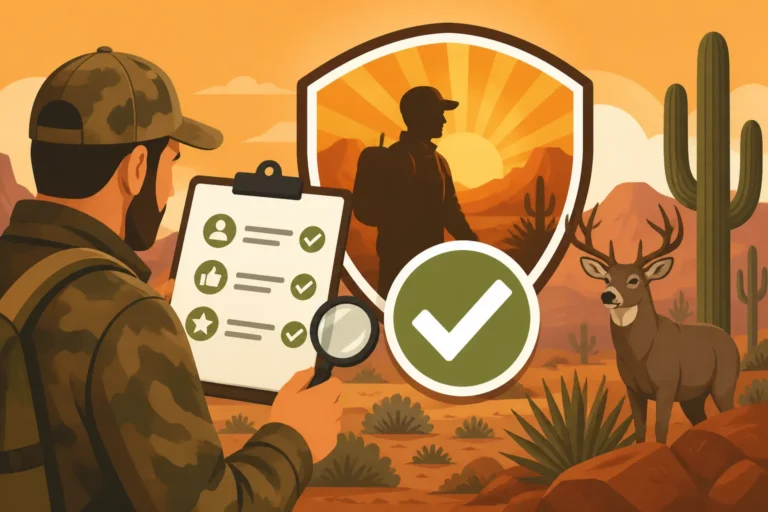
Any reputable outfitter should provide you with a list of past clients as references. This is a non-negotiable request. A good outfitter will offer references for hunts similar to what you're interested in, from recent seasons. Don't just collect the list; actually call them. When speaking with references, ask specific questions beyond "Did you have a good time?"
Here are some ideas for questions:
- How accurately did the outfitter describe the hunt challenges (terrain, weather, physical demands)?
- Was the guide-to-hunter ratio as promised?
- How was the communication before, during, and after the hunt?
- What was the quality of the gear, food, and lodging (if applicable)?
- Were the guides knowledgeable about the unit and the animal behavior?
- How did the outfitter handle unexpected challenges (e.g., bad weather, difficult tracking, missed opportunities)?
- Did you feel safe and well-cared for?
- Would you hunt with them again?
- Did they honor the terms of the Contract Clauses Worth Reading Closely?
Pay attention not just to what they say, but how they say it. A genuine, enthusiastic reference is usually easy to spot. Be wary if an outfitter only provides a couple of references, or if the references seem vague or hesitant. Some online platforms like BookYourHunt also offer verified reviews from hunters, which can be a good starting point, but always prioritize direct conversations with references.
Online Reviews and Forums
The internet is a powerful tool for research, but it requires a critical eye. Hunting forums, social media groups, and review sites can offer a wealth of information. Search for the outfitter's name, their business name, and their guides. Look for consistent patterns in reviews, both positive and negative. While glowing reviews are great, equally important is how an outfitter responds to criticism or negative feedback. A professional will address concerns directly and constructively.
Be cautious of reviews that seem overly generic, repetitive, or appear to be from brand-new accounts. These can sometimes be fabricated. Look for reviews with specific details, dates, and names. Platforms like GoHunt, while primarily focused on draw odds and unit data, sometimes feature outfitter information or discussions among their community members that can offer valuable insights. Remember that anyone can post anything online, so triangulate information from multiple sources before drawing conclusions. If you notice any Red Flags When Booking an Arizona Hunt, pay close attention to what your gut tells you.
Red Flags to Watch For
As you go through this vetting process, keep an eye out for certain warning signs that might indicate an outfitter isn't as reputable as they claim:
- Vague or evasive answers: If an outfitter is hesitant to provide licensing info, references, or clear answers to your questions, that's a major red flag.
- Pressure tactics: High-pressure sales tactics to get you to book immediately without doing your research are never a good sign.
- Lack of a written contract: Never, ever book a hunt without a detailed, written contract that outlines all terms and conditions.
- Unrealistic promises: Be very skeptical of guarantees for success or promises of "trophy animals" that sound too good to be true. Arizona hunting is challenging; a realistic outfitter will convey that.
- Poor communication: If it's hard to get a response from them during the booking process, imagine what it will be like when you're in the field with a problem.
- Requests for cash payments only: While some cash may be involved, a legitimate business will have formal payment methods and records.
- No online presence or a very sparse one: In today's digital age, a complete lack of a website or social media presence can be concerning, though not always a deal-breaker for smaller, well-established operations.
Contract Clarity and Financial Security
You’ve done your homework on their legitimacy and reputation, now it’s time to finalize the financial and legal aspects. This is the last line of defense for your investment and a clear understanding of what you’re paying for.
Understanding Deposit and Cancellation Policies
Before you send any money, you need to thoroughly understand the outfitter's deposit and cancellation policies. This should be clearly spelled out in a written contract. Most Arizona outfitters require a deposit to secure your hunt dates, often a significant percentage of the total fee. Find out if this deposit is refundable, partially refundable, or non-refundable under various scenarios.
For draw hunts, like most elk or trophy deer tags in Arizona, it's crucial to know what happens if you don't draw the tag. Some outfitters will refund your deposit, roll it over to the next year's application, or hold it until you draw. This information is critical, especially when Booking an Arizona Hunt Around the February Deadline when many major species applications are due. Make sure you understand Refunds When You Fail to Draw clearly before committing. Similarly, clarify their policy if you have to cancel due to unforeseen circumstances, or if they have to cancel a hunt.
Clarifying What's Included and Excluded
The all-in cost of a guided hunt can be substantial, so it's vital to know exactly what your payment covers. Don't assume anything. A good contract will list inclusions and exclusions clearly.
Common inclusions might be:
- Guide services (1-on-1, 2-on-1 ratio)
- Food and beverages during the hunt
- Lodging (tent camp, lodge, motel)
- Field transportation (ATVs, trucks, horses)
- Field care of harvested game
- Initial packing out of game
Common exclusions (which you'll need to budget for separately) might be:
- Your hunting license and tag fees
- Transportation to and from Arizona (flights, personal vehicle)
- Meat processing and shipping
- Taxidermy services and shipping
- Gratuities for guides and camp staff (often a significant amount)
- Alcoholic beverages
- Personal hunting gear and optics
- Any extra days beyond the contracted hunt period
A clear understanding of these details prevents nasty surprises later. Ask for a detailed itinerary and gear list so you know what to expect and what you're responsible for bringing. Don't be afraid to compare Typical Price Range for a Guided Arizona Elk Hunt or What a Guided Arizona Coues Deer Hunt Costs against what is explicitly offered by different outfitters.
Payment Schedules and Protecting Your Investment
Beyond the initial deposit, understand the payment schedule for the remaining balance. When is the final payment due? Is it before the hunt, upon arrival, or after a successful harvest? Reputable outfitters usually require full payment before the hunt commences. If an outfitter asks for the entire balance upfront, especially many months in advance, that should give you pause.
Consider how you will pay. Credit card payments offer some level of consumer protection, whereas wire transfers or cash payments offer very little recourse if things go sideways. Always keep meticulous records of all communications, payments, and signed contracts. This paper trail is your best friend if any disputes arise. Knowing What a Conservation Tag Hunt Costs or how Arizona Special Big Game License Tags operate usually comes with even more scrutiny, so apply that same level of detail to any hunt you book.
When you've done your due diligence, asking probing questions, verifying licenses, speaking to references, and carefully reviewing contracts, you'll feel a much greater sense of confidence in your choice. The peace of mind knowing you've chosen a professional, ethical Arizona outfitter is invaluable, allowing you to focus on the true adventure of the hunt.
Disclaimer
This article is for general informational purposes only and does not constitute professional advice. Laws, prices and regulations vary by location and change over time. Consult a qualified professional for guidance on your specific situation.