Who Guides Arizona Auction Tag Hunters
The world of Arizona hunting can feel like a labyrinth, especially when you start looking beyond the general draw tags and into the more exclusive opportunities. Many hunters dream of pursuing a trophy animal in Arizona, but navigating the process of acquiring a highly sought-after auction tag, and then ensuring you have the best possible chance to fill it, presents a unique set of challenges. This guide is designed to demystify the process of finding and working with professional outfitters who specialize in guiding hunters holding these prestigious auction tags.
Understanding Arizona's Special Big Game Auction Tags
Before we dive into finding guides, let's make sure we're on the same page about what an "auction tag" actually is in Arizona. These aren't your typical draw permits or over-the-counter tags. Arizona, like many western states, offers a select number of "Special Big Game License Tags" each year, often referred to as auction tags or Governor's tags. These tags are unique, allowing the holder to hunt a specific species within a designated unit or units, often with extended seasons that span well beyond the standard draw hunts. The funds generated from these auctions go directly back into wildlife conservation efforts, habitat improvement, and management programs within the state.
The Prestige and Privilege of an Auction Tag
Imagine holding a tag that grants you an early archery elk hunt, or a late season deer hunt, in a unit known for producing giants, without the pressure of a limited, fixed season. That's the allure of an auction tag. These tags don't just offer longer seasons; they often come with more flexibility in terms of weapon choice and hunting areas. This flexibility is what makes them so valuable and why they command such high prices at auction. It's truly a once-in-a-lifetime opportunity for many, a chance to pursue a top-tier animal with significantly reduced competition and extended time in the field. This isn't about skipping the line; it's about investing deeply in conservation while securing an unparalleled hunting experience.
Species Available for Auction Tags
While the specific species and units can vary slightly each year, Arizona typically offers auction tags for its most iconic big game animals. We're talking about species like trophy elk, desert bighorn sheep, Rocky Mountain bighorn sheep, mule deer, and Coues deer. Sometimes, even bison tags are included in these special offerings. Each tag is unique, tied to specific criteria, and sold to the highest bidder through various conservation organizations. These organizations host banquets and events throughout the year where these coveted tags are presented and auctioned off. It's a significant financial commitment, but for those who acquire one, it's often viewed as an investment in a dream hunt. You'll want to review the official Arizona Game and Fish Department regulations each year to see precisely How Arizona Auctions Conservation Tags.
Why Hunters Seek Guides for Auction Tags
Acquiring an Arizona auction tag is a monumental achievement, but it's often just the first step in a much larger, more complex endeavor. Unlike a standard general season hunt where hunters might rely on their own scouting and experience, the stakes are incredibly high with an auction tag. The financial investment alone is substantial, and the opportunity is often once-in-a-lifetime. This is where the expertise of a professional hunting guide becomes not just an advantage, but often a necessity.
Maximizing a High-Value Opportunity
When you've committed a significant sum to an auction tag, you want to ensure every possible advantage is on your side. Guides bring unparalleled knowledge of the specific unit, the animal's behavior, and the best strategies to find and harvest a trophy. They've spent countless hours scouting, analyzing patterns, and understanding the nuances of the terrain and game. This isn't just about finding an animal; it's about finding the animal that makes the auction tag truly worth it. The extended season offered by these tags means a guide can scout for weeks, even months, beforehand, tailoring their efforts to your specific hunt dates. They're looking for that specific caliber of animal you're after, tracking its movements, and understanding its habits long before you even set foot in the field.
Navigating Complex Terrain and Regulations
Arizona's diverse landscapes range from the high desert mountains of the Sky Islands, perfect for Glassing Arizona's Sky Islands for Coues Deer, to the sprawling timber of the Mogollon Rim, known for Calling Bulls on Arizona's Mogollon Rim. Each area presents unique challenges, and a guide's intimate knowledge of the local topography, water sources, and game trails is invaluable. Furthermore, while auction tags offer flexibility, there are still specific regulations, boundaries, and ethical considerations that must be adhered to. A good guide ensures compliance with all rules, handling everything from field dressing to mandatory reporting requirements, so you can focus solely on the hunt. They understand the intricacies of Legal Shooting Hours and Blaze Orange in Arizona and other local nuances that might trip up an unfamiliar hunter.
Logistics, Equipment, and Physical Demands
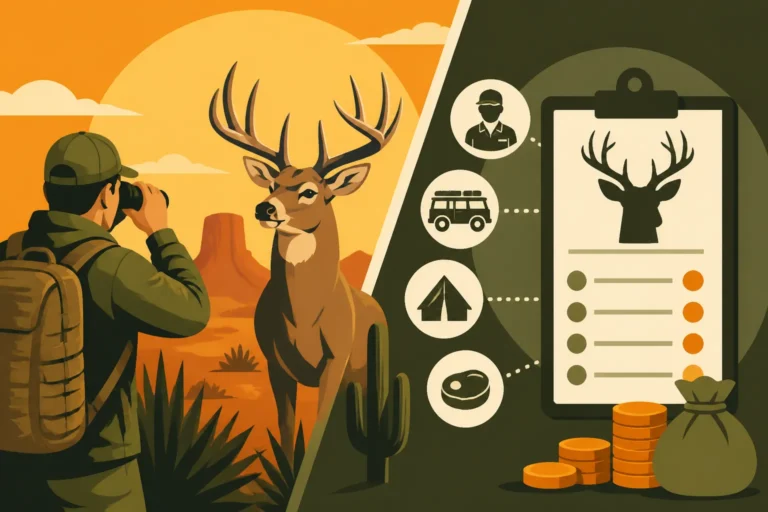
Many of Arizona's prime hunting units are remote and rugged, requiring specialized equipment, extensive logistical planning, and significant physical endurance. A guide service typically handles all of these aspects. This can include everything from setting up comfortable spike camps in the backcountry, providing specialized optics like high-power spotting scopes and quality binoculars, and supplying pack animals for meat retrieval. For a desert bighorn hunt, for example, the physical demands can be extreme, and an experienced guide understands the terrain, access points, and how to safely navigate steep, unforgiving landscapes. They often have dedicated staff for glassing, cooking, and packing, allowing the hunter to conserve energy for the critical moments of the hunt. This comprehensive support allows hunters to focus on their shot, rather than worrying about the nuances of remote camping or navigation.
Finding and Vetting a Guide for an Arizona Auction Tag
The decision to hire a guide for an Arizona auction tag hunt is a significant one, and choosing the right outfitter is paramount to success and satisfaction. It's not just about finding any guide; it's about finding one with a proven track record, specific expertise in the unit and species you're targeting, and a reputation for ethical practices. This process requires thorough research and due diligence.
Starting Your Search: Where to Look
When you're looking for a guide who specializes in Arizona auction tags, you're looking for the best of the best. These aren't always the guides you find with a quick internet search for general deer hunts.
- Conservation Organizations: The very organizations that auction these tags (e.g., Arizona Mule Deer Foundation, Arizona Elk Society, Wild Sheep Foundation) often have lists of preferred or recommended outfitters who frequently guide these specific hunts. They are usually deeply connected within the state's hunting community and can offer insights.
- Referrals: Word-of-mouth is incredibly powerful in the world of high-stakes hunting. Talk to other hunters who have drawn or acquired special tags. Attend hunting shows and expos; many top Arizona outfitters will have a presence there.
- Online Platforms & Forums: While some online booking platforms focus on more general hunts, some specialize in connecting hunters with reputable outfitters for high-value tags. You might find resources on sites like BookYourHunt that list guides with specific expertise. Hunting forums dedicated to western big game can also be a goldmine for recommendations and reviews, but always cross-reference the information.
- Specialized Hunt Consultants: There are hunt consultants whose entire business revolves around helping hunters navigate the draw systems and connect with guides for premium hunts, including auction tags. They often have deep networks and understanding of specific outfitter strengths. GoHunt, for example, offers detailed insights into units and draw odds, and often has resources or recommendations for outfitters who excel in those areas.
Key Questions to Ask Prospective Outfitters
Once you have a list of potential guides, it's time to start asking tough questions. Remember, you're not just hiring a guide; you're entering into a partnership for a hunt of a lifetime.
- Experience with Auction Tags: How many auction tags have they guided? What was their success rate on those specific hunts? Request references from past auction tag clients. Don't settle for general hunt references; ask for those who hunted the same species with an auction tag.
- Unit-Specific Knowledge: Do they have extensive experience in the exact unit(s) your tag covers? Some guides are generalists, others are specialists. For an auction tag, you want a specialist. What's their strategy for your specific unit? How much pre-scouting do they typically do for an auction tag hunt?
- Logistics and Staff: What is the typical guide-to-hunter ratio? What support staff (cooks, packers, glassers) will be on the hunt? What kind of accommodations (camps, lodges) can you expect? How do they handle meat care and trophy preparation in the field?
- Season Flexibility: Auction tags often have very long seasons. How do they accommodate this? Do they offer a specified number of hunt days, or is it more open-ended until you're successful? Discuss contingencies for bad weather, animal movement, or other unforeseen circumstances.
- Contract and Costs: Get a detailed contract outlining all services, inclusions, exclusions, and payment terms. What is the total cost, and what hidden fees might there be (e.g., trophy fees, permit fees, non-hunting guest fees)? Clarify their refund policy, especially if you haven't drawn a tag yet or if something prevents you from hunting. Be sure to understand What Outfitter Prices Almost Never Include beyond the daily rate.
- Ethical Practices and Permits: Ensure they are fully licensed and insured to operate in Arizona and hold all necessary special use permits for the public lands you'll be hunting. Ask about their philosophy on fair chase and ethical hunting. You also need to confirm they understand the Special Use Permits Arizona Outfitters Carry.
A Due Diligence Checklist
When you're sifting through potential outfitters, keep this checklist handy to ensure you're making an informed decision:
| Factor | Importance | Details to Confirm |
|---|---|---|
| Auction Tag Experience | High | Guided this species with an auction tag? Success rate? Client references specific to auction tags. |
| Unit Expertise | High | Intimate knowledge of your specific unit(s)? Proven scouting strategy? |
| Licenses & Permits | High | Valid AZ Outfitter License, insurance, all necessary public land permits. |
| References | High | Contact at least 3-5 recent clients, ideally from auction tag hunts. Ask about communication, professionalism, and actual hunting experience. |
| Contract Clarity | High | All services, costs, payment schedule, refund policy, and contingencies explicitly stated in writing. |
| Team & Logistics | Medium | Guide-to-hunter ratio, support staff, camp quality, equipment provided, meat/trophy handling. |
| Communication | Medium | Responsiveness, clarity, and willingness to answer all questions openly. |
| Ethical Standards | High | Discuss their approach to fair chase, game recovery, and respect for wildlife and regulations. |
The Role of Outfitters in Auction Tag Logistics
Acquiring an auction tag is a monumental achievement, but the true value lies in the experience of the hunt itself. Outfitters who specialize in these high-stakes hunts aren't just guides; they are comprehensive hunt managers, handling a dizzying array of logistics to ensure you have the best possible chance at success. Their role extends far beyond simply finding an animal.
Extensive Pre-Season Scouting and Intelligence
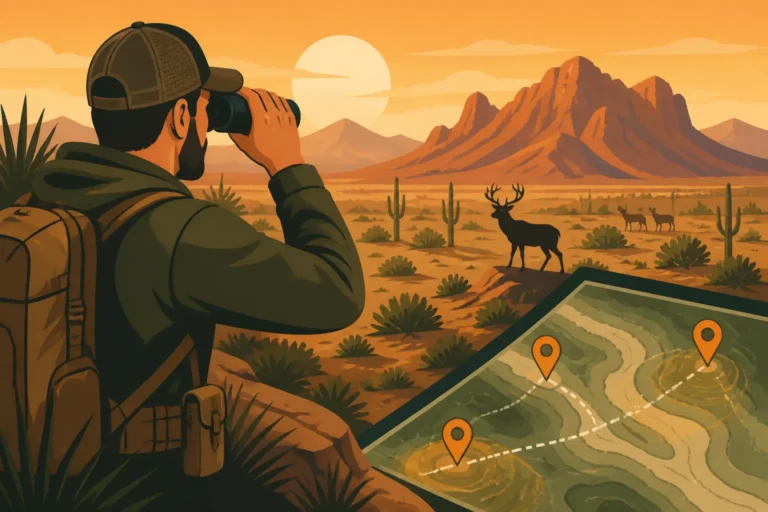
For an auction tag, an outfitter's work often begins months, sometimes even a year, before the hunter arrives. With the expanded season dates and the ability to hunt specific units, guides invest heavily in scouting. This isn't just a weekend trip; it's a dedicated, ongoing effort to locate trophy animals, understand their movement patterns, identify key feeding and bedding areas, and track their behavior. They use optics, trail cameras, and countless hours in the field to gather intelligence. This pre-season commitment is critical because it allows them to pinpoint specific animals and develop a tailored hunting strategy long before your hunt begins. They might even have multiple guides and spotters covering vast areas, constantly feeding information back to the lead guide. This intensive preparation significantly increases the odds of connecting with a top-tier animal when your hunt starts.
Customized Hunt Planning and Execution
Every auction tag hunt is unique, and a good outfitter treats it as such. They'll work closely with you to understand your physical capabilities, hunting preferences, and trophy expectations. Based on their extensive scouting, they'll develop a detailed plan that considers the time of year, weather patterns, animal activity, and your personal goals. This might involve different strategies for an early archery hunt versus a late-season rifle hunt. They manage all the on-the-ground logistics: setting up comfortable camps, securing necessary permits for specific areas, coordinating transportation, and ensuring all necessary equipment (from optics to pack frames) is ready. They become your problem-solvers, navigating the unexpected challenges that inevitably arise in remote Arizona landscapes. This level of customization and support is what truly differentiates a premium outfitter experience.
Beyond the Harvest: Post-Hunt Services
The outfitter's role doesn't end when the animal is on the ground. They are instrumental in the careful and ethical handling of your trophy. This includes expert field dressing, caping, and quartering the animal to ensure meat quality, especially in Arizona's often warm conditions. They'll coordinate packing the meat and cape out of the backcountry, sometimes using horses or mules. Furthermore, many outfitters have established relationships with local taxidermists and meat processors. They can facilitate the transportation of your trophy to a trusted taxidermist and ensure your meat is processed to your specifications. For out-of-state hunters, they often assist with the necessary paperwork and shipping arrangements for antlers, capes, and meat, making a complex process much smoother. This comprehensive support from beginning to end ensures that your once-in-a-lifetime harvest is preserved and celebrated properly. They know the ins and outs of Getting Meat Cooled on an Early Season Hunt and the requirements for Evidence of Sex Requirements on a Carcass.
Conclusion
Securing an Arizona auction tag represents the pinnacle of opportunity for many hunters, offering unparalleled flexibility and potential for a truly exceptional trophy. However, the investment and the unique nature of these tags mean that entrusting your hunt to an experienced, reputable outfitter is often the wisest decision. These specialized guides provide not just a path to your trophy, but a comprehensive, meticulously planned, and expertly executed hunting experience, allowing you to focus on the thrill of the chase while they handle the intricate logistics. With careful vetting and clear communication, you can find a professional partner who will help turn your auction tag dream into a successful reality in the stunning Arizona wilderness.
Disclaimer
This article is for general informational purposes only and does not constitute professional advice. Laws, prices and regulations vary by location and change over time. Consult a qualified professional for guidance on your specific situation.