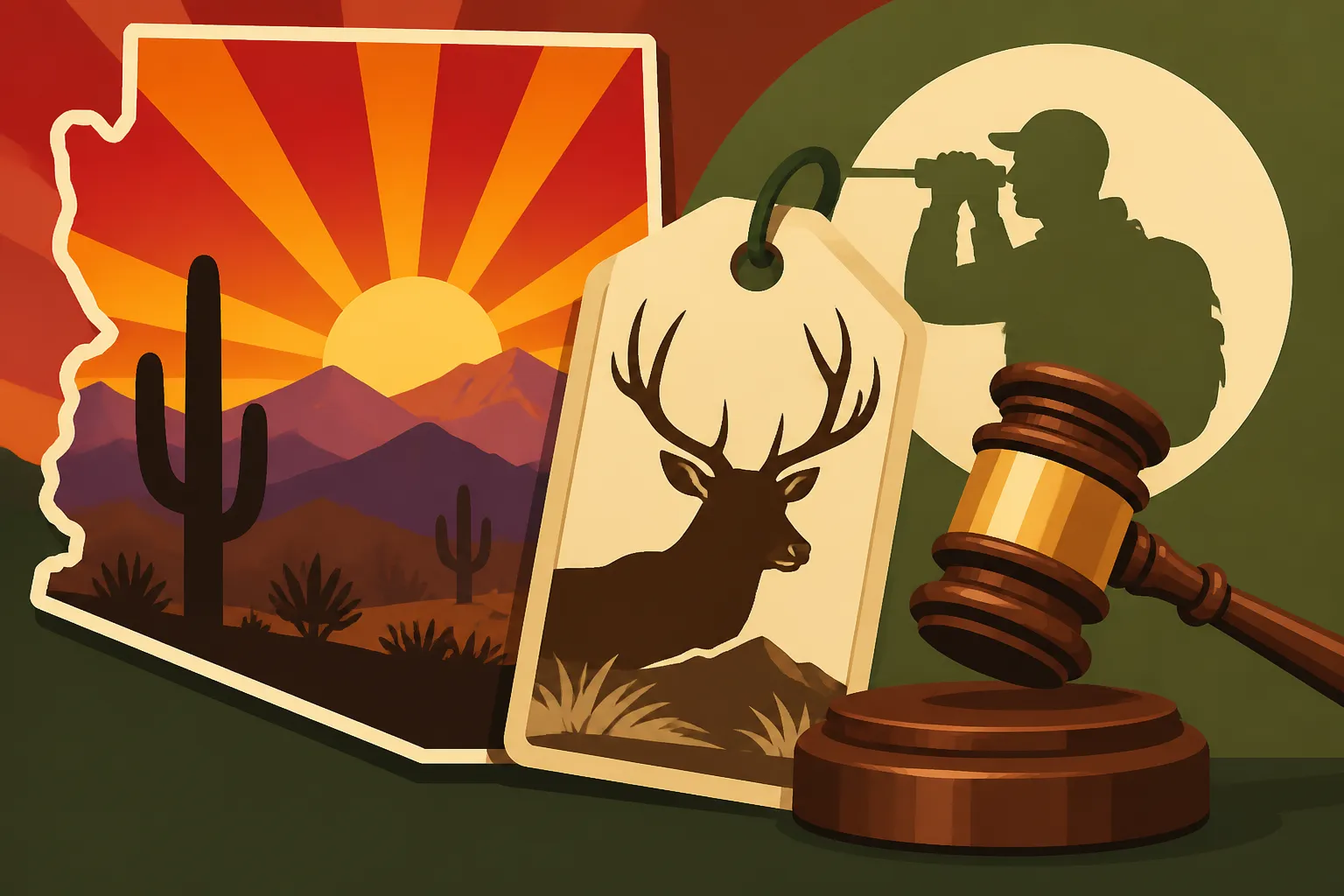
How Arizona Auctions Conservation Tags
For many dedicated hunters, the dream of drawing a premium tag in Arizona – for a monster bull elk, a desert bighorn sheep, or a Kaibab mule deer – can feel like an impossible quest. The public draw system is notoriously tough, often requiring years, sometimes decades, of accumulating bonus points with no guarantee of success. But there's another path that, while demanding a significant investment, directly benefits wildlife conservation and offers an incredible opportunity: Arizona's conservation tags, sold through various auctions each year. This guide will walk you through how these unique tags work, who benefits, and what you need to know if you're considering this alternative route to a coveted Arizona hunt.
What Are Arizona's Conservation Tags?
Arizona's conservation tag program is a unique initiative designed to generate significant funding for wildlife research, habitat improvement, and management projects across the state. These tags are special permits allocated by the Arizona Game and Fish Department (AZGFD) to various non-profit conservation organizations, who then auction them off to the highest bidder. Unlike the regular draw, these tags are not subject to the traditional bonus point system or draw odds, offering a direct route to a highly sought-after hunt.
The Vision Behind Conservation Tags
The fundamental idea behind conservation tags is elegantly simple: harness the passion and financial capacity of hunters to fund critical wildlife projects. Imagine the resources needed for helicopter surveys to count bighorn sheep, or for water infrastructure projects to provide life-saving relief to deer and javelina in the arid desert. These efforts are incredibly expensive, and traditional license and tag fees, while vital, can only go so far. Conservation tags fill a crucial gap, generating hundreds of thousands, sometimes millions, of dollars annually. This funding directly supports projects that enhance wildlife populations and habitats, ensuring healthy herds for future generations of hunters. It's a powerful model where the pursuit of an extraordinary hunting experience directly translates into tangible conservation wins on the ground.
Species Covered and Unit Selection
Conservation tags are typically offered for Arizona's most highly coveted big game species, those with limited availability and high demand in the public draw. This includes premier tags for species like elk, mule deer, Coues deer, desert bighorn sheep, Rocky Mountain bighorn sheep, and bison. For example, a hunter might acquire a tag for a specific unit known for producing trophy elk, allowing them to hunt during a prime rut period that's almost impossible to draw otherwise. The beauty of these tags is their flexibility; they often come with extended seasons, sometimes stretching for months, and allow access to any legal weapon during specific periods, offering hunters unparalleled opportunity to scout and pursue their animal. The unit for which the tag is valid is specified when it's offered for auction, meaning a successful bidder knows exactly where they'll be hunting and for which species.
Differences from the Public Draw
It's crucial to understand that conservation tags operate entirely outside the conventional Arizona public draw system. When you apply for a standard hunt permit, you're building bonus points, which are critical for drawing tags for species like elk or antelope. For more information on how those points accumulate, you might want to read our article on Three Ways to Earn an Arizona Bonus Point. With a conservation tag, however, there are no points involved, no application deadlines to hit, and no waiting period. Instead, the tag is acquired through a direct purchase at auction. This means that even if you have zero bonus points, you could, theoretically, hunt a trophy unit next season if you win a conservation tag. It’s a completely separate allocation process, designed for a different purpose and attracting a different kind of participant. This contrast is stark when you consider the odds of drawing a premium tag, especially for non-residents who are capped at Arizona Caps Nonresidents at Ten Percent of Every Hunt of all tags in the public draw.
Here’s a quick comparison of the two systems:
| Feature | Public Draw Tags | Conservation Tags |
|---|---|---|
| Acquisition | Random draw based on bonus points | Highest bid at auction |
| Cost | Application fee + tag fee (e.g., A Nonresident Arizona Elk Tag Runs $665 Plus License) | Significantly higher, market-driven auction price |
| Bonus Points | Required for better odds, accumulated over time | Not applicable, no points used or earned |
| Season Length | Fixed, often short seasons (e.g., 7-14 days) | Often extended, sometimes multi-month seasons |
| Weapon Choice | Specific weapon type (archery, muzzleloader, rifle) | Often open to any legal weapon for part of the season |
| Purpose | Fair allocation of tags to licensed hunters | Direct funding for wildlife conservation projects |
| Availability | Many tags available for various species/units | Very limited, typically one tag per species per unit |
The Auction Process and Who Benefits
The auctioning of Arizona's conservation tags is a highly organized process involving various partners, each playing a critical role in maximizing the funds generated for conservation. It's not just about selling a tag; it's about making a significant impact on the future of Arizona's wildlife.
Where and When Auctions Take Place
These coveted tags are typically auctioned off by various well-respected conservation organizations at their annual banquets, fundraising events, or online auctions. Groups like the Arizona Elk Society, Wild Sheep Foundation, Mule Deer Foundation, and Grand Slam Club/Ovis are often recipients of these permits. These events usually take place throughout the year, but many of the major auctions coincide with significant hunting conventions or conservation gatherings. For example, some may happen in the late winter or early spring, giving successful bidders ample time to plan for upcoming seasons. Sometimes, tags are even offered at national shows, drawing a wider audience of potential bidders from across the country. It’s a transparent process, with the details of each tag – the species, unit, and hunt dates – clearly outlined before bidding begins. Knowing when Arizona runs its two main draw cycles, February and June, helps you understand that these auction dates are often separate, giving you different windows of opportunity.
Understanding the Bidder Landscape
The individuals and groups who bid on these tags are often seasoned hunters, passionate conservationists, or even entities that acquire the tags for clients. They are looking for a guaranteed, premium hunting experience that bypasses the long odds of the public draw. These bidders typically have significant financial resources, as the prices for these tags can soar into the tens or even hundreds of thousands of dollars, depending on the species, unit quality, and current demand. For a trophy elk tag in a premier unit, prices can easily exceed $100,000, while a bighorn sheep tag could go even higher. Some bidders are also looking for unique experiences that allow them to hunt outside the normal season structure, or with a weapon of their choice. It's a high-stakes environment where serious money is exchanged, all with the underlying goal of supporting wildlife. Resources like GoHunt, while primarily focused on draw odds, often report on these high-profile auction results, giving insights into the market value of specific tags.
Direct Impact on Wildlife Management
The funds generated from these conservation tag auctions are a monumental benefit to Arizona's wildlife. Every dollar raised goes directly back into the state's conservation efforts, making a tangible difference on the ground. This money is managed by the AZGFD and the partner conservation organizations, often funding projects that wouldn't be possible through other means. We're talking about things like:
- Habitat Restoration: Planting native vegetation, removing invasive species, or improving critical forage areas.
- Water Development: Building or repairing guzzlers and catchments in arid regions, providing essential water sources for deer, elk, and bighorn sheep. This is incredibly important in a desert state. You can learn more about how Water Sources That Concentrate Arizona Desert Game are vital for wildlife.
- Disease Research: Funding studies to understand and combat diseases like Chronic Wasting Disease (CWD) or Bighorn Sheep pneumonia, which can devastate populations.
- Wildlife Surveys and Monitoring: Purchasing equipment and funding personnel for helicopter counts, radio-collaring studies, and population assessments, helping biologists make informed management decisions.
- Translocation Efforts: Moving animals from overpopulated areas to re-establish herds in historical ranges or bolster struggling populations.
- Predator Management: In some cases, funds can support targeted predator management efforts to help boost vulnerable prey populations, though this is often a sensitive topic and part of broader management plans for species like Arizona Manages Mountain Lion With Harvest Limits.
These funds are audited and allocated to specific projects, ensuring that the hunter's investment truly benefits the wild places and animals they cherish.
Navigating the Conservation Tag Market
Considering a conservation tag requires a different approach than the public draw. It’s less about luck and more about strategic research, networking, and significant financial planning.
Researching Previous Auction Results
Before you even think about bidding, it’s critical to do your homework. The market for conservation tags fluctuates, but past auction results provide invaluable insight into what certain tags are worth. While GoHunt might be your go-to for Reading Arizona Hunt Permit Application Data for the public draw, many of the conservation organizations that host these auctions will publish their past results. You can often find a breakdown of which tags sold for how much, providing a realistic expectation of the financial commitment involved. This research will help you identify trends, understand which units or species command the highest prices (for instance, a premium Arizona Elk on the Rim, White Mountains and Kaibab tag versus a general Coues deer tag), and assess if a specific tag aligns with your budget and hunting goals. Looking at previous years' outcomes can help you prepare for the intensity of the bidding process and prevent sticker shock.
Connecting with Conservation Groups
The conservation groups that receive and auction these tags are your primary resource for information. Organizations like the Arizona Elk Society, Mule Deer Foundation, Wild Sheep Foundation, and Grand Slam Club/Ovis are deeply involved in Arizona wildlife. They can provide details on upcoming auctions, the specific tags that will be offered, and the projects that the funds will support. Attending their banquets or online events, even if you’re not planning to bid immediately, is a great way to learn about the process, network with other serious hunters and conservationists, and understand the impact of these tags firsthand. These groups often have dedicated staff who can answer questions about the tags, season dates, and any unique stipulations. They are also excellent sources for understanding the value proposition beyond just the hunt itself, highlighting the conservation legacy you'd be contributing to.
Financial Considerations and Bidding Strategies
Let's be realistic: conservation tags are a significant financial undertaking. These are not tags for the faint of wallet. You need to set a strict budget beforehand and stick to it. Many successful bidders partner with an outfitter, so the total cost of the hunt often includes both the tag price and the outfitter's fees. This can quickly add up, easily reaching six figures for premier species. If you're considering a guided hunt, you might want to review What a Guided Arizona Elk Hunt Costs to get a clearer picture of the total investment.
When it comes to bidding, research is key. Understand the value of the specific unit and species. Is it a high-demand unit known for trophy Coues Deer Are Arizona's Signature Whitetail or big bull elk? Consider working with an experienced consultant or outfitter who has knowledge of the conservation tag market and can advise on bidding strategies. Sometimes, an early, strong bid can deter others, while other times, a patient approach works best. It's a game of psychology and knowing when to pull back or push forward. Remember, these tags are an investment not just in a hunt, but in conservation, which can make the significant financial outlay more palatable for many. For hunters who book early, especially for highly sought-after species, you can find that Why Arizona Outfitters Book Years Ahead on Elk due to the demand.
Pros and Cons of Pursuing a Conservation Tag
Like any major decision in hunting, pursuing an Arizona conservation tag comes with its own set of advantages and disadvantages. Understanding both sides is crucial for making an informed choice.
Unparalleled Flexibility and Opportunity
The most obvious benefit of a conservation tag is the incredible flexibility and opportunity it provides. Imagine hunting a premier unit for Arizona Elk on the Rim, White Mountains and Kaibab or Arizona Holds Desert and Rocky Mountain Bighorns with an extended season, sometimes spanning several months. This allows you to hunt during peak rut periods, take advantage of optimal weather windows, and truly scout and learn the unit without the pressure of a short, restrictive season. Many conservation tags also offer "any legal weapon" options, meaning you can choose between archery, muzzleloader, or rifle at different times during your extended hunt, depending on conditions or personal preference. This is a stark contrast to the standard public draw where you're locked into a specific weapon type for a short, pre-defined period. The significantly higher success rates associated with these tags are also a huge draw; with more time and flexibility, hunters have a much greater chance of finding and harvesting a trophy animal. This kind of opportunity is simply unobtainable through the regular draw, where How Arizona's Bonus Point Pass Awards the First Twenty Percent of tags go to high-point holders and the rest are truly random.
The Significant Financial Investment
On the flip side, the most considerable hurdle is, without a doubt, the monumental financial investment required. As discussed, these tags can cost tens, if not hundreds, of thousands of dollars. This excludes the cost of licenses, travel, gear, and potentially hiring an outfitter. For most hunters, this price tag is simply out of reach. It creates an exclusive tier of hunting that can feel disheartening to those who diligently apply in the public draw year after year. The high cost means that only a very small percentage of hunters can ever realistically consider this option, which can lead to feelings of elitism or a "pay to play" system. While the money undeniably goes to a good cause, the barrier to entry is extremely high, making it a dream for many and a reality for very few.
Ethical Considerations and Fair Chase
The concept of conservation tags can sometimes spark debate among hunters regarding fair chase and equal opportunity. Some argue that these tags undermine the spirit of fair chase by allowing individuals to buy access to hunts that are otherwise nearly impossible to draw, effectively creating a two-tiered system. They question whether such a high price tag distorts the traditional hunting experience, turning it into more of a commercial endeavor than a pursuit born of skill and perseverance. While the ethical standards of fair chase (e.g., no hunting from vehicles, proper tagging, adherence to legal shooting hours) still apply to conservation tag hunts, the acquisition method is what prompts discussion.
However, the counter-argument is equally strong: these tags generate crucial funds that directly support the very wildlife and habitat that all hunters cherish. Without this significant revenue stream, many vital conservation projects in Arizona simply wouldn't happen, ultimately degrading the hunting opportunities for everyone in the long run. It's a pragmatic approach to funding conservation in an era of increasing costs and demand on natural resources. Ultimately, whether one views conservation tags as an ethical means to an end or a problematic deviation from traditional hunting ethos often comes down to individual philosophy and priorities. The fact remains that they are a legal, established, and highly effective mechanism for generating conservation dollars in Arizona.
Disclaimer
Please note that hunting regulations, fees, and opportunities can change. Always consult the official Arizona Game and Fish Department (AZGFD) regulations and website for the most current and accurate information before planning any hunt. This guide is for informational purposes only.