Arizona’s Three Once-in-a-Lifetime Species
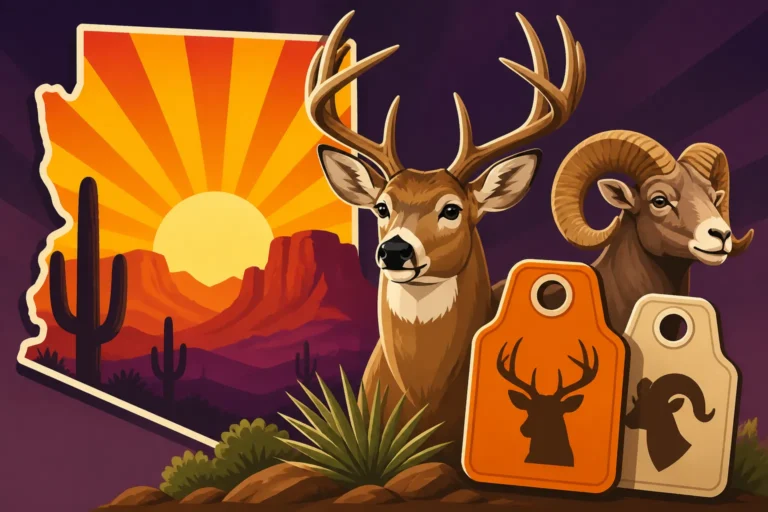
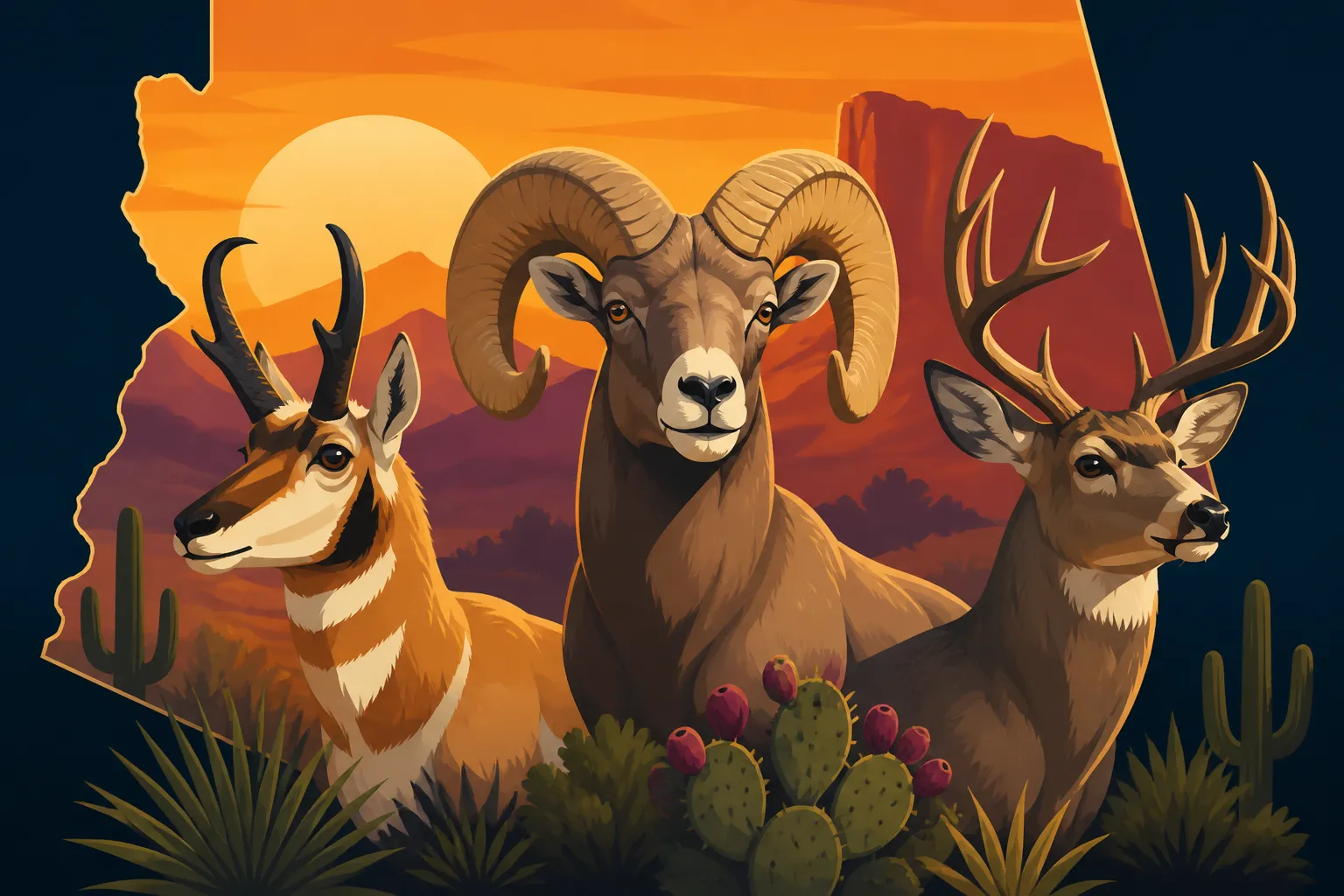
For many hunters, the dream of pursuing certain big game animals in Arizona feels like a distant fantasy. These are the hunts that don't just require skill and dedication, but also an incredible stroke of luck in the draw. This guide will meticulously break down Arizona's three once-in-a-lifetime species – desert bighorn sheep, Rocky Mountain bighorn sheep, and bison – providing a comprehensive understanding of what makes these tags so coveted and how to navigate the complex journey to potentially drawing one.
What Makes a Species Once-in-a-Lifetime?
When we talk about "once-in-a-lifetime" species in Arizona, we're not just using a catchy phrase; it's a legal and biological designation. These are animals that, once you successfully harvest them in the state, you cannot draw another tag for that specific species ever again in Arizona. This strict regulation underscores their rarity, the intense conservation efforts, and the profound respect the state has for these magnificent creatures.
Understanding the Rarity and Draw Odds
The defining characteristic of Arizona's once-in-a-lifetime tags is their extreme rarity. Unlike deer or elk tags, which are issued in the hundreds or thousands across various units, bighorn sheep and bison tags are often issued in single digits for an entire hunt unit, or sometimes not at all in a given year. This scarcity directly translates into astronomical draw odds, where hunters might apply for decades before their number finally comes up. It's a true testament to patience and persistence, requiring a long-term strategy rather than a one-and-done application. Many dedicated hunters use resources like GoHunt to track these incredibly low odds year after year, just to get a realistic perspective on their chances. The application fees, though relatively small, add up over time, marking a quiet commitment to a dream that might only materialize once in their hunting careers.
The Conservation Story Behind Limited Tags
The strict limitation on bighorn sheep and bison tags isn't arbitrary; it's deeply rooted in successful, ongoing conservation efforts. Both bighorn sheep species faced severe population declines in the past due to disease, habitat loss, and overhunting. Decades of work by the Arizona Game and Fish Department (AZGFD), in collaboration with conservation organizations, have brought these populations back from the brink. Reintroduction programs, habitat improvements, and strict management plans have been crucial. For instance, the reintroduction of Rocky Mountain bighorns along the Salt River is a prime example of dedicated effort. Similarly, Arizona's free-ranging bison herds are carefully managed to balance their population with available habitat and prevent overgrazing, ensuring a healthy herd for future generations. The "once-in-a-lifetime" rule is a cornerstone of this management philosophy, designed to spread the limited hunting opportunity across as many different hunters as possible, while maintaining robust populations. It ensures that the resource is sustainably utilized and valued by every hunter who is lucky enough to draw one of these precious tags.
Desert Bighorn Sheep: The Ultimate Mountain Challenge
Imagine stalking an animal with eyesight sharper than any optic you own, in terrain so steep and unforgiving it feels like the world is constantly trying to push you off its edge. That's a desert bighorn hunt in Arizona. This is not just a hunt; it's an extreme athletic endeavor in one of the most brutal landscapes on earth.
Habitat and Behavior in the Sonoran Desert
Arizona's desert bighorn sheep make their homes in the most rugged, remote, and often scorching mountain ranges of the Sonoran Desert. Think of places like the Kofa National Wildlife Refuge or the Cabeza Prieta National Wildlife Refuge, though they inhabit many smaller, equally gnarly ranges across the state. These sheep are incredibly adapted to their harsh environment, capable of going for extended periods without water, drawing moisture from the vegetation they consume. Their coats blend seamlessly with the rocky, sun-baked slopes, making them masters of camouflage. They thrive in vertical country, using their incredible agility and keen eyesight to navigate cliffs and crags that would be impassable to most other big game. Locating a desert ram often means hours of relentless glassing from a distant vantage point, meticulously picking apart mountainsides with high-powered optics, searching for that tell-tale white rump or the distinctive curl of a ram's horn. Once spotted, closing the distance requires incredible stamina, rock-climbing skills, and an intimate understanding of thermals and wind currents that swirl unpredictably around desert peaks.
Draw Odds and Permit Allocation
Drawing a desert bighorn sheep tag in Arizona is arguably the most difficult tag to acquire in the entire state. The number of tags issued each year is astonishingly low, often only one or two per hunt unit, if any at all. For non-residents, the odds are even more infinitesimal, as Arizona Caps Nonresidents at Ten Percent of Every Hunt, meaning only a fraction of the already scarce tags are available to out-of-state applicants. Success in the draw for desert bighorn often takes decades of applying, diligently accumulating bonus points year after year. Hunters spend countless hours researching unit success rates, population trends, and past draw odds, often consulting detailed data provided by resources like GoHunt, just to identify the units with the slightest edge. Even with maximum points, drawing one of these tags is never guaranteed; it almost always comes down to sheer luck in the random draw. The commitment is significant, both in terms of financial investment over many years of application fees and the emotional investment in a hunt that may never materialize for some.
Physical Demands of a Desert Ram Hunt
Once a hunter is fortunate enough to draw a desert bighorn tag, the real challenge begins. This is not a hunt for the faint of heart or the out of shape. The physical demands are immense. Hunters must be prepared to hike thousands of vertical feet daily, often navigating loose scree, treacherous rockslides, and unforgiving cactus-strewn terrain. Temperatures can soar well into the triple digits during early season hunts, while late season hunts can bring unexpected cold snaps. Carrying sufficient water is critical, as natural sources are few and far between, and dehydration is a constant threat. A typical day might involve a pre-dawn climb to a high glassing point, spending hours picking apart distant hillsides, followed by a grueling stalk that could take all day to cover a mile or two in a straight line, but many more miles on the ground due to the contours of the mountains. Preparing Physically for a Desert Hunt is not just recommended; it's absolutely essential. The ability to climb, descend, and traverse steep, unstable ground with a heavy pack is paramount to success and, frankly, to safety in this unforgiving landscape.
Rocky Mountain Bighorn Sheep: Riverine Giants
While their desert cousins cling to arid mountains, Arizona's Rocky Mountain bighorn sheep carve out an existence in a distinctly different, yet equally challenging, environment: the rugged canyons and cliffs along the state's major river systems.
Distinct Habitat Along Arizona Rivers
Unlike the stark, dry ranges of the Sonoran Desert, Arizona's Rocky Mountain bighorns thrive in the riparian corridors and surrounding cliffs of rivers like the Verde, Black, and most notably, the Salt River. These sheep are generally larger and darker in color than their desert counterparts, perfectly suited for the slightly higher elevations and the more varied vegetation found along these river systems. Their habitat still demands incredible agility, as they navigate steep canyon walls, but they benefit from more consistent water sources and denser cover provided by cottonwood and sycamore groves. They are often spotted high on the cliffs overlooking the river, or cautiously descending to drink. Hunting them often involves glassing river breaks from strategic points, or even navigating sections of river by boat to access remote stretches of canyon. This introduces new logistical challenges, such as dealing with river currents, boat launches, and access points along the water.
Tag Allocation and Hunt Dynamics
Tags for Rocky Mountain bighorn sheep are just as rare and highly sought after as their desert counterparts. The AZGFD carefully manages these populations, issuing a very limited number of permits each year to ensure sustainable harvest and healthy herds. Units like 22 or 24B, which encompass portions of the Salt River, are legendary for their Rocky Mountain bighorn populations, but drawing a tag remains a monumental task. The hunt dynamics often differ from desert bighorns; while intense physical exertion is still a given, the presence of water and differing vegetation can influence stalking strategies. Hunters might find themselves scrambling through thick brush in river bottoms or scaling sheer cliffs directly above the water. A good understanding of the local river ecology and the sheep's movements between watering holes and bedding areas is critical. As with all bighorn hunts, patience in glassing and a commitment to meticulous preparation are key.
Comparing Desert vs. Rocky Mountain Bighorns
While both are awe-inspiring trophies, there are distinct differences between Arizona's two bighorn species, influencing both the hunt and the animals themselves. Arizona Holds Desert and Rocky Mountain Bighorns, but their management, biology, and the experiences they offer are unique.
| Feature | Desert Bighorn Sheep | Rocky Mountain Bighorn Sheep |
|---|---|---|
| Habitat | Arid, low-elevation desert mountain ranges | Higher elevation riparian zones, river canyons, cliffs |
| Primary Range | Kofa, Cabeza Prieta, many smaller desert ranges | Verde, Black, and Salt River systems |
| Appearance | Lighter coat, smaller body size | Darker coat, generally larger body size |
| Water Dependence | Highly adapted to minimal water, can go long periods | More access to water, but still hardy |
| Hunting Terrain | Extremely steep, rocky, cactus-strewn mountains | Steep canyon walls, dense river bottom vegetation |
| Physical Challenge | Extreme: heat, dehydration, vertical climbing | High: cliff climbing, river navigation, dense brush |
| Conservation Status | Stable, managed through limited tags | Stable, managed through limited tags |
| Draw Difficulty | Extremely difficult | Extremely difficult |
Why Arizona Treats the Two Bighorns Separately boils down to distinct genetic lines, habitat preferences, and the specific management strategies required for each subspecies. The AZGFD recognizes these differences, allocating tags and setting regulations based on the health and specific needs of each population. For a hunter, this means that drawing one bighorn tag does not preclude you from applying for the other, allowing for another "once-in-a-lifetime" opportunity if you're incredibly lucky. However, it's crucial to understand these distinctions to prepare adequately for whichever tag you are fortunate enough to draw.
Arizona Bison: Hunting the Ancient Beasts
The opportunity to hunt a wild bison in Arizona is truly a step back in time. These magnificent animals, once nearly driven to extinction, roam free in select areas of the state, offering a hunting experience unlike any other in the lower 48.
Where Arizona's Free-Ranging Bison Live
Arizona is one of the few states where you can hunt free-ranging bison, and their presence is thanks to dedicated conservation efforts. The primary areas are the Arizona Bison on the Kaibab and House Rock Wildlife Area, just north of the Grand Canyon. These herds are descendants of animals introduced in the early 20th century, thriving in the expansive sagebrush flats, ponderosa pine forests, and juniper woodlands of the plateau country. The House Rock herd, in particular, is managed for sustained public hunting, offering coveted opportunities each year. Locating bison in these vast landscapes can be a challenge; they are not always where you expect them. While they are massive, their dark hides can blend surprisingly well with dense timber or shadows, requiring diligent scouting and often a bit of luck to find them. Hunters often spend days crisscrossing forest roads and glassing open parks, searching for the tell-tale signs of a herd: fresh tracks, massive droppings, and rubbed trees.
Spring vs. Fall Bison Hunts and Their Differences
Arizona's bison hunts are typically split into spring and fall seasons, each offering a distinct experience and set of challenges.
Spring Hunts: These usually occur in late winter or early spring (February-March). The weather can be highly variable, ranging from mild and sunny to bitterly cold with significant snowfall. This can make access challenging, with muddy roads or snow drifts, but it can also concentrate bison in more accessible wintering grounds. The vegetation is often sparse, which can aid in spotting, but also offers less cover for stalks. Hunters need to be prepared for extreme temperature swings and potentially difficult travel conditions.
Fall Hunts: These take place later in the year, often in September or October. The weather is generally more predictable and pleasant, but the bison may be more dispersed across their summer ranges, making them harder to locate. There's also the potential for monsoon rains, which can turn dirt roads into impassable quagmires. The autumn colors of the aspen and oak can be stunning, but the denser foliage might make spotting more difficult. Understanding the seasonal movements of these herds is crucial for successful scouting and hunting during either season.
The Unique Challenge of Bison Hunting
Hunting bison is a test of preparation, resolve, and respect for a truly wild and powerful animal. Their sheer size and incredible resilience mean that shot placement is absolutely critical. A poorly placed shot on a bison can lead to a long, dangerous tracking job, or worse, a wounded animal that disappears into the vastness of the Kaibab. Unlike deer or elk, bison often don't react immediately to a fatal shot, sometimes standing their ground for minutes before collapsing. This can lead to second-guessing and potential follow-up shots that aren't needed or are poorly placed. Getting close enough for a clean shot can be difficult; while they may seem docile, they are still wild animals and can be unpredictable and dangerous if startled or approached too closely.
Beyond the shot, the challenge of field dressing and packing out a bison is monumental. A mature bull can weigh well over 2,000 pounds, meaning a mountain of meat and bone. Hunters must be prepared with multiple strong knives, saws, and a detailed plan for getting the meat cooled and transported. Getting Meat Cooled on an Early Season Hunt is an especially critical concern for fall hunts if temperatures are still warm. This often involves multiple trips, ATVs, or even hiring professional packers. It's a logistical puzzle that demands forethought and teamwork.
Navigating the Draw: Strategy for Once-in-a-Lifetime Tags
The dream of drawing a once-in-a-lifetime tag in Arizona hinges entirely on understanding and mastering the state's complex draw system. This isn't just about applying; it's about a long-term strategy, patience, and maximizing every possible advantage.
Applying for Arizona's Premium Hunts
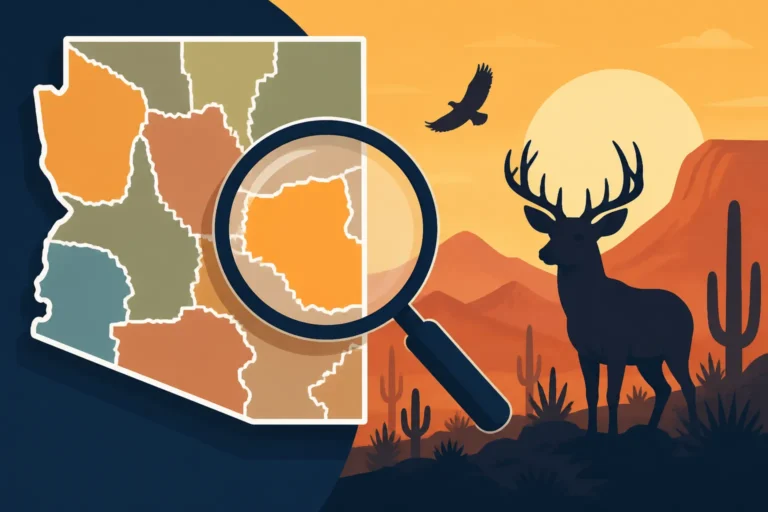
The application process for Arizona's coveted big game tags is handled through the Arizona Game and Fish Department's online portal. Arizona Runs Two Draw Cycles, February and June, with bison and bighorn sheep typically falling under the spring draw cycle, usually with an application deadline in early February. It's imperative to mark these deadlines on your calendar and ensure your application is submitted well in advance. Missed deadlines mean lost bonus points and a lost year of opportunity. When applying, you'll need to specify your hunt choices by unit and weapon type. For once-in-a-lifetime species, many hunters choose to apply for the bonus point only option for several years to build up their points, rather than directly applying for a hunt code with incredibly low odds. This shows a long-term commitment to a particular species, acknowledging that the immediate chance of drawing is almost nonexistent. It's also wise to spend time researching unit boundaries; Reading an Arizona Unit Boundary Before You Apply is crucial to avoid applying for areas that don't match your hunting style or the species' known range.
Bonus Points and How They Work
Arizona's bonus point system is the cornerstone of its draw for limited entry hunts, especially for once-in-a-lifetime tags. Every year you apply for a specific species and are unsuccessful, you earn a bonus point for that species. These points essentially increase your odds in the draw. How Arizona's Bonus Point Pass Awards the First Twenty Percent of the tags to the highest point holders, significantly favoring those who have patiently accumulated points over many years. This is why continuously applying for a bonus point, even if you don't expect to draw soon, is the most viable long-term strategy for these rare tags.
There are also Three Ways to Earn an Arizona Bonus Point beyond just applying unsuccessfully:
- Applying to the draw: Every unsuccessful application earns you a point.
- Hunter Education: Completing a certified Arizona Hunter Education course earns you one permanent bonus point.
- Ethically Hunting Arizona Course: Completing this specific course also earns you one permanent bonus point.
These permanent points are critical, as they provide a foundational boost to your point total that never expires and is species-specific. For hunters pursuing bighorns or bison, every single point matters. Resources like GoHunt provide detailed analyses of draw odds, helping applicants understand the historical point accumulation required to draw specific tags and make informed decisions on their application strategy.
Considering Group Applications for These Species
Group applications are an option in Arizona, allowing multiple hunters to apply together for the same hunt code. If a group is drawn, all members receive a tag. However, for once-in-a-lifetime species, group applications come with a significant caveat: the AZGFD averages the bonus points of all members in the group for the draw. This means if you have 20 points for bighorn and your partner has 5, your group application will be considered with an average of 12.5 points.
While group applications can be appealing for friends or family wanting to experience a hunt together, for once-in-a-lifetime tags, it often drastically reduces the chances of success for the highest-point holder. If your goal is purely to maximize your individual odds of drawing a bighorn or bison tag, applying as an individual, especially if you have a high number of accumulated points, is generally the recommended strategy. The incredible rarity of these tags means that every single bonus point is precious and diluting them with lower-point applicants can push a dream tag further out of reach. It's a personal decision, but one that requires careful consideration of individual goals versus shared experiences.
Post-Harvest Responsibilities and Trophy Care
Successfully harvesting a once-in-a-lifetime animal in Arizona is the culmination of years of dreaming, preparation, and often extreme physical exertion. But the work doesn't end when the animal is on the ground. Proper post-harvest care and adherence to regulations are critical to honoring the animal and preserving your trophy.
Mandatory Reporting and Evidence of Sex
Arizona has strict regulations regarding the reporting of harvested big game animals, and these are especially important for bighorn sheep and bison. Mandatory Reporting After an Arizona Harvest is not just a suggestion; it's a legal requirement. Generally, you must report your harvest to the AZGFD within a specified timeframe (often 48 hours for bighorn and bison), usually by phone or online. This reporting allows the department to collect vital harvest data for management purposes.
Equally important are the "evidence of sex" requirements. For bighorn sheep, a portion of the head or horn with proof of sex (testes or udder) must remain naturally attached to the carcass until it is at the hunter's permanent residence or a meat processor. For bison, similar rules apply, ensuring that the sex of the harvested animal can be verified. These regulations prevent illegal harvest and aid wildlife officers in enforcement. Failing to adhere to these rules can result in significant penalties, including fines, license revocation, and the loss of your trophy. Always consult the most current Arizona hunting regulations booklet for specific details before your hunt.
Field Care in Remote, Arid Environments
Whether it's a desert bighorn ram high on a sun-baked peak or a massive bison on the Kaibab, field dressing and meat care present unique challenges in Arizona's often remote and arid environments. For bighorns, you're likely in extremely rugged, steep country, far from roads. The priority is to quickly field dress and quarter the animal to begin the cooling process. Removing the hide as soon as possible helps immensely. For bison, the sheer scale of the animal means even more work. You'll need multiple strong knives, a saw, and a clear plan to break down the carcass.
Given the potential for high temperatures, especially during early season bighorn hunts or any bison hunt, Field Dressing in Desert Heat and ensuring the meat cools rapidly is paramount to prevent spoilage. This might involve packing meat into game bags and placing them in the shade, or even using ice chests packed with frozen water jugs if you can get them to the kill site relatively quickly. For bison, a common strategy is to quarter the animal and get it off the ground, hanging it in the shade until transport can be arranged. Sometimes, this involves hiking out for help and returning with pack animals or ATVs. Meticulous planning for meat extraction and cooling is not just about ethics; it's about making sure your hard-won trophy provides nutritious sustenance.
Taxidermy and Legacy Planning
Once the animal is successfully harvested, reported, and the meat processed, the focus often shifts to preserving the memory of such an extraordinary hunt. For bighorn sheep and bison, a quality taxidermy mount is a common way to honor the animal and commemorate the experience. It's wise to research and select a reputable taxidermist well in advance of your hunt. Discuss caping instructions for the specific type of mount you desire (shoulder, full body, etc.) with your taxidermist, as proper field caping is crucial for a good finished product.
Beyond the physical mount, consider the legacy of your hunt. These "once-in-a-lifetime" tags represent the pinnacle of ethical hunting and dedicated conservation. Sharing your story, educating others about the importance of wildlife management, and perhaps even donating excess meat to those in need, are all ways to extend the impact of your successful pursuit. This isn't just about bagging a trophy; it's about being a steward of these incredible animals and their wild places, ensuring future generations have the same opportunity for such a rare and profound connection with nature.
Disclaimer
The information provided in this guide is intended for educational and informational purposes only. Hunting regulations and seasons in Arizona are subject to change. It is the hunter's responsibility to consult the most current Arizona Game and Fish Department regulations and obtain all necessary licenses and permits before engaging in any hunting activities.