OTC Bear, Lion and Turkey Tags in Arizona
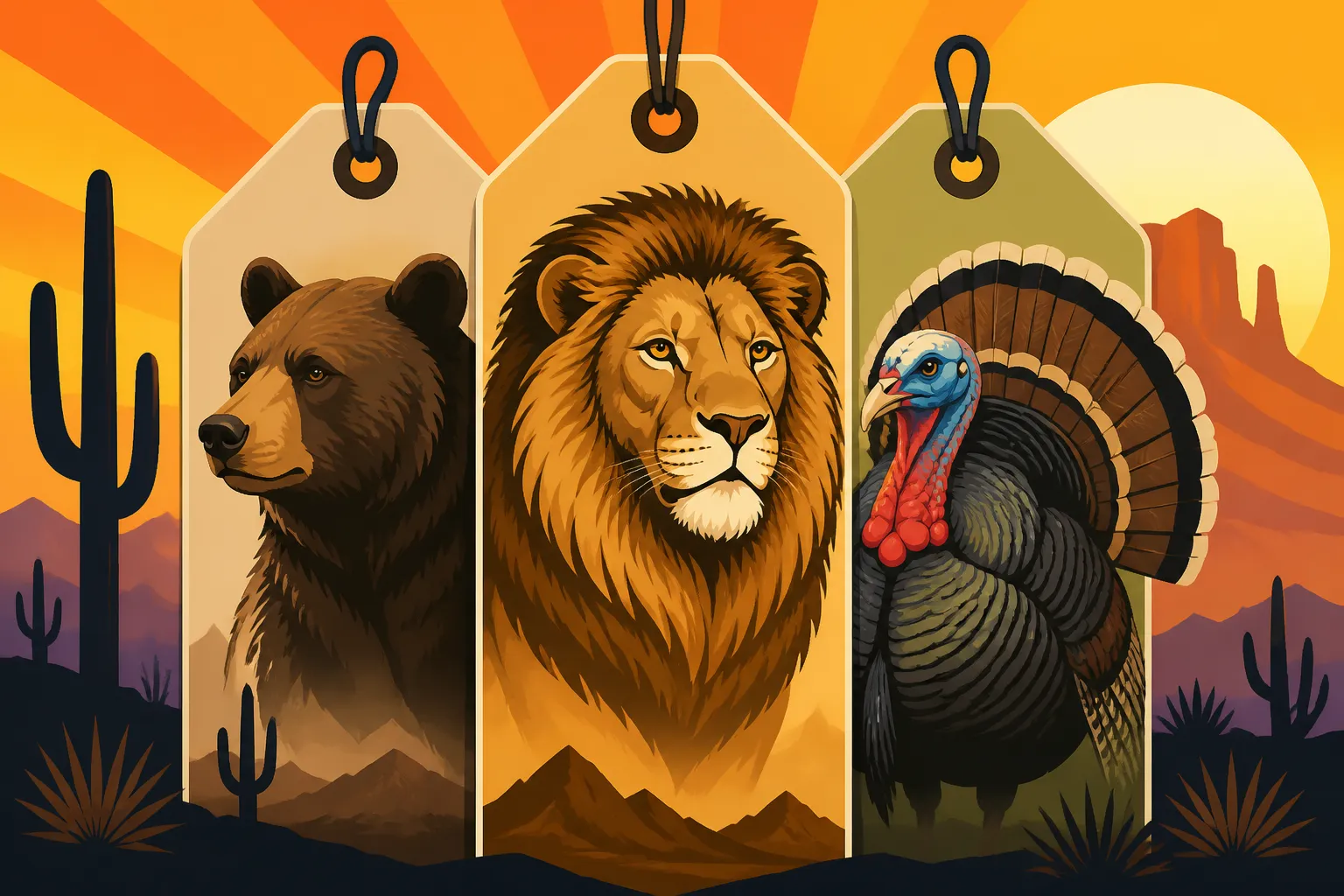
It’s easy to get caught up in the annual Arizona draw, pouring over odds, building bonus points, and waiting with bated breath for results. Many hunters, especially those new to the state or those coming from out of state, assume that if you don't draw a tag, your big game and turkey hunting dreams for the year are dashed. The reality, however, is far more optimistic! Arizona offers fantastic opportunities for bear, mountain lion, and turkey through over-the-counter (OTC) tags, providing accessible and exciting hunts for those willing to do their homework. This guide will walk you through everything you need to know to leverage these often-overlooked tags and get afield.
Navigating Over-the-Counter Bear Hunting in Arizona
The idea of hunting bear on an OTC tag can sound almost too good to be true, especially for those accustomed to highly competitive draw systems for other species. While it's true that an Arizona bear tag is available over the counter, meaning you can walk into a license vendor or buy it online without going through a draw, it's absolutely crucial to understand that this isn't a free-for-all. Arizona manages its bear populations carefully through a dynamic system of unit-specific harvest limits and real-time closures. This system is designed to ensure sustainable populations, and as a hunter, it’s your responsibility to stay informed.
Understanding Bear Harvest Limits and Closures
The biggest frustration for many hopeful bear hunters, especially those traveling a long distance, is arriving in their chosen unit only to find it has closed. This isn't because the state is trying to be difficult; it's a direct result of their conservation strategy. Each hunt unit in Arizona has specific harvest objectives for bears, often with particular emphasis on female bears. Once these unit-specific quotas are met, the season for that unit immediately closes. This happens throughout the season, and it can be incredibly unpredictable. You might scout for weeks, pack into a remote area, and then discover your unit has closed hours before you planned to hunt.
The Arizona Game and Fish Department (AZGFD) works hard to communicate these closures swiftly. They maintain a dedicated hotline and update their website constantly with the latest information. It's not enough to check the regulations booklet once; you need to check daily, sometimes even multiple times a day, particularly as the season progresses and harvest numbers climb. This vigilance is paramount, because heading into a closed unit, even unknowingly, can lead to serious legal repercussions. Understanding How Arizona Closes a Bear Unit Mid-Season is critical for any bear hunter.
A common pitfall is misunderstanding the nuance of these limits. Many units have a general bear harvest objective, but also a more restrictive "female bear" sub-limit. This means that even if the general bear quota hasn't been met, the unit could close if the female quota is reached. This is a vital conservation tool, as the number of breeding females directly impacts future bear populations. This is why Female Harvest Limits on Arizona Bears are so important, and why ethical identification of your target is non-negotiable.
Season Dates and Ethical Considerations for Bear
Arizona's bear seasons are generally split into spring and fall hunts, though the exact dates and open units can vary significantly year to year. Spring hunts, which typically run from March through July, offer the unique challenge of hunting bears as they emerge from dens, often seeking food in lower elevations. Fall seasons, usually from August through December, coincide with bears gorging on acorns, berries, and other mast crops to build reserves for winter. Always consult the current year's hunting regulations for precise dates, as they are subject to change.
Ethical considerations are paramount when pursuing bears. The warm temperatures of early fall or spring hunts in Arizona can make meat care a significant challenge. You must have a solid plan for cooling and processing your animal immediately after harvest. Wasting game meat is not only illegal but also deeply unethical. Furthermore, baiting for bear is strictly prohibited in Arizona, ensuring fair chase hunting opportunities.
Another crucial aspect of ethical bear hunting, particularly given the specific harvest limits, is positive identification. Distinguishing between a male and female bear in the field can be incredibly difficult, especially in varying light conditions or at a distance. Yet, because of Female Harvest Limits on Arizona Bears, making that distinction is often essential to stay within the legal framework and uphold ethical hunting standards. Many experienced bear hunters will tell you that if you're not absolutely certain of the sex, it's best to pass and wait for another opportunity.
Over-the-Counter Mountain Lion Opportunities
Much like bear, hunting mountain lions in Arizona also offers an over-the-counter tag system, providing a thrilling and challenging pursuit for those dedicated enough to chase these elusive predators. A valid hunting license and a mountain lion tag can be purchased directly, bypassing the draw process entirely. This accessibility means you can decide to pursue a lion relatively last minute, a flexibility that’s rarely found with other big game species. However, similar to bear hunting, the OTC nature of a lion tag comes with critical responsibilities, primarily revolving around harvest quotas and strict reporting requirements.
Lion Harvest Quotas and Reporting Requirements
Arizona manages its mountain lion populations through unit-specific harvest quotas. These quotas ensure that lion numbers remain healthy across the state's diverse habitats. While you can purchase a tag readily, you absolutely must be aware of the quota for the unit you intend to hunt. Once a unit's quota is met, that unit closes to lion hunting. The frustration of planning a hunt and then discovering the unit has closed is a common one, so ongoing vigilance is key.
More importantly, Arizona has some of the most stringent reporting requirements for mountain lions in the West. If you harvest a mountain lion, you are required to report it to the AZGFD within 48 hours. This isn't just a suggestion; it's a mandatory legal requirement. The animal, or its hide and skull, must then be presented to an AZGFD official for inspection and sealing within 10 days of harvest. Failing to meet these strict deadlines can lead to severe penalties, including fines and potential loss of hunting privileges. This process of Mandatory Reporting After an Arizona Harvest for lion is critical for state wildlife management and for you to stay on the right side of the law.
Interestingly, Arizona’s regulations sometimes allow for Multiple Lion Tags in Some Arizona Units. This means that in certain areas, a single hunter might be able to purchase and fill more than one lion tag if the unit quotas permit. This is a unique aspect of Arizona’s predator management strategy and offers an extended opportunity for dedicated lion hunters. Always verify the specific rules for your chosen unit, as Arizona Mountain Lion Harvest Limits by Unit can fluctuate. Tools like GoHunt can be invaluable for tracking these unit-specific details and understanding harvest trends before you ever set foot in the field.
Hunting Methods and Challenges for Mountain Lions
Mountain lion hunting is arguably one of the most physically demanding and mentally taxing pursuits in Arizona. While it is legal to still-hunt or call for lions, the vast majority of successful harvests involve the use of trained hounds. The rugged, expansive terrain of Arizona, from its towering Sky Islands to its vast desert mountains, makes tracking a lion on foot an incredibly difficult endeavor. A good pack of hounds can pick up a scent trail that a human would never detect, eventually treeing or baying the lion for the hunter.
If you are considering using hounds, you must be intimately familiar with Hound Rules for Mountain Lion Hunting in Arizona. These regulations cover everything from permissible tracking methods to specific requirements for dog collars and tags. Without a trained pack, still-hunting for a lion involves immense patience, keen observation, and often, an element of luck. Hunters might focus on fresh sign near recent kills or water sources, but the sheer stealth and elusive nature of a mountain lion make success incredibly hard-earned.
The challenge of mountain lion hunting goes beyond just locating the animal. Once a lion is harvested, the work truly begins. Transporting a large cat out of steep, rugged country can be a monumental task, often requiring extensive packing efforts. Ethical considerations also extend to minimizing stress on the animal during the hunt and ensuring a quick, clean kill. Acknowledging the difficulty, many hunters will spend years trying to harvest a lion, finding immense satisfaction in the pursuit of this apex predator.
Pursuing Arizona Turkey with OTC Tags
Turkey hunting in Arizona offers fantastic opportunities, especially for those who prefer the flexibility of over-the-counter tags. While spring Merriam's turkey hunts are often highly coveted and typically managed through a limited draw, there are usually abundant OTC options available, particularly for fall turkey seasons and sometimes for specific units during spring. This makes turkey hunting one of the most accessible big game pursuits in the state, appealing to both seasoned callers and newcomers alike.
Spring and Fall Turkey Seasons Explained
Arizona's turkey hunting landscape is generally divided into spring and fall seasons, each with its own unique charm and challenges. Spring turkey season, usually running from late April through May, is characterized by the thrill of gobbling birds. This is when toms are most vocal and focused on breeding, making them responsive to calling. While many spring tags are awarded through a draw, it's not uncommon for some units to have leftover, over-the-counter tags available after the draw process is complete, or even designated OTC periods. Hunters must act fast to secure these, as they are highly sought after. Always check the annual regulations for Arizona Turkey Season Dates in Spring and availability.
Fall turkey hunting, typically in October and November, is a completely different game. The birds are often in larger flocks, and the primary focus is on locating these flocks and then breaking them up to call individual birds back together. Fall tags are much more frequently over-the-counter, offering more accessible opportunities across a wider range of units. This season can be fantastic for meat hunters, and for those who enjoy the strategic challenge of patterning and scattering a flock. Arizona is home to two subspecies of turkey: Merriam's Turkey Through Arizona's High Country (the most common) and the more elusive Gould's Turkey in Southern Arizona, each with its own preferred habitat and behaviors.
Bag Limits, Calling, and Scouting for Arizona Turkeys
Turkey bag limits in Arizona are generally quite conservative, designed to maintain healthy populations. Typically, during the spring season, the limit is one bearded turkey per hunter per year. Fall seasons might sometimes allow for two turkeys, but this varies by unit and specific tag, so always verify the regulations. It's critical to understand these limits to ensure you're hunting legally and sustainably.
Calling strategies differ between spring and fall. In spring, hunters primarily mimic hens to attract gobblers, using a variety of yelps, clucks, and purrs. Locator calls, like owl hoots or crow calls, are also popular for pinpointing roosted birds at dawn. For fall hunting, the strategy often shifts. Once a flock is located and scattered, the goal is to imitate lonely or lost birds, often using assembly calls to draw them back together. While calling is an art, remember that Where Electronic Calls Are Legal for Big Game does not include turkey hunting in Arizona; only mouth, box, or slate calls are permitted.
Preseason scouting is just as vital for turkey as it is for any other species. This means getting out into the woods before the season to locate roosting areas, feeding grounds, and water sources. Look for tracks, droppings, and scratch marks in the leaves. In the spring, listen for gobbling birds at dawn and dusk. In the fall, focus on areas with abundant mast crops like acorns. Utilizing online mapping tools, perhaps even services like GoHunt for topo maps and satellite imagery, can help you identify promising terrain before you ever lace up your boots. The frustration of trying to call in a bird that isn't there, or that's simply not interested, is a common one, and good scouting helps minimize this.
Acquiring Your OTC Tags and Staying Informed
The beauty of over-the-counter tags in Arizona lies in their accessibility and flexibility. Unlike the often anxiety-inducing draw system, purchasing an OTC tag for bear, mountain lion, or turkey is a relatively straightforward process. This ease, however, should not lead to complacency regarding the rules and regulations that still govern these hunts.
How to Purchase Your Over-the-Counter Tag
The process of acquiring an OTC tag is refreshingly simple. First and foremost, you'll need a valid Arizona hunting license. This is your baseline requirement for any hunting activity in the state, whether you're chasing elk on a coveted draw tag or planning a last-minute javelina hunt. Once your license is in hand, you can purchase an OTC tag in several ways:
- Online: The AZGFD website offers a convenient portal for purchasing licenses and tags from the comfort of your home. This is often the quickest and easiest method, especially if you're an out-of-state hunter planning your trip.
- License Dealers: Many sporting goods stores, bait shops, and even some general stores across Arizona are authorized license dealers. This allows you to pick up your tag while you're grabbing supplies for your hunt.
- AZGFD Offices: You can always visit one of the Arizona Game and Fish Department offices in person to purchase your license and tags.
The key distinction here is that you're not applying for a chance to hunt; you are purchasing the right to hunt, provided you adhere to the specific season dates, unit restrictions, and harvest limits for that species. This offers incredible freedom, allowing hunters to adapt their plans based on weather, scouting reports, or even last-minute free time. It’s a stark contrast to the months-long waiting game of the draw.
Essential Resources for Successful OTC Hunting
While OTC tags provide flexibility, they demand proactive engagement from the hunter. You cannot simply buy a tag and assume you're ready to go. The paramount resource for any Arizona hunter, regardless of the tag type, is the current year's hunting regulations booklet. This document, published annually by the AZGFD, is your bible for legal hunting. It details season dates, bag limits, weapon restrictions, reporting requirements, and all the nuanced rules specific to each unit and species. Reading the Arizona Hunt Regulations Booklet from cover to cover, and then re-reading the sections pertinent to your chosen species and unit, is non-negotiable. Don't rely on hearsay or outdated information from a few years ago.
In today's digital age, e-scouting tools have become invaluable. Platforms like GoHunt provide incredibly detailed topographic maps, satellite imagery, public/private land overlays, and often unit-specific harvest data. These resources can help you identify promising habitat, access points, and potential hunting pressure before you even leave your living room. Services like GoHunt allow you to overlay multiple layers of information, helping you understand terrain, vegetation, and water sources that are critical for finding game. Utilizing E-Scouting an Arizona Unit Before the Season can significantly increase your chances of success, allowing you to hit the ground running when your hunt begins.
Finally, for species like bear and mountain lion, which have dynamic harvest closures, staying updated on the AZGFD website or hotline is an absolute daily requirement. Make it a habit to check the relevant closure status before you head out each day. The frustration of driving hours only to find your unit closed can be avoided with a simple morning check.
Common Pitfalls and Pro Tips for OTC Hunters
While the accessibility of Arizona's over-the-counter tags is a huge advantage, it's precisely this ease that can sometimes lead hunters astray. Many assume "OTC" means "anything goes," but nothing could be further from the truth. Success and legality in these hunts hinge on diligence and a deep understanding of the specific regulations.
Overlooking the Nuances of OTC Regulations
The biggest mistake an OTC hunter can make is failing to grasp the specific nuances of the regulations for their chosen species. For bear and lion, this means constantly monitoring unit-specific harvest limits and closures. It's a bitter pill to swallow when you've done all the hard work, made a successful harvest, only to find out the unit closed mere hours before your shot. This vigilance, as discussed earlier with How Arizona Closes a Bear Unit Mid-Season and Arizona Mountain Lion Harvest Limits by Unit, is paramount. Always check the AZGFD website or hotline before you embark on your hunt each day.
Beyond closures, there are other critical details often overlooked:
- Weapon Restrictions: While many OTC seasons are open to various weapons, always confirm what is legal for your specific hunt. For instance, while generally liberal, there might be archery-only segments or restrictions on certain bullet types for muzzleloaders.
- Shooting Hours: Just like any other big game hunt, Arizona Legal Shooting Hours for Big Game apply to OTC seasons. Don't assume you can hunt from "dark to dark." Knowing the precise legal shooting light for your area and time of year is essential.
- Reporting Requirements: We've stressed the importance of Mandatory Reporting After an Arizona Harvest for lion and bear. The strict timelines are in place for a reason and must be adhered to. Don't let the excitement of the hunt overshadow your legal duties.
The frustration of having a hunt turn sour due to a technicality is truly disheartening. Taking the time to thoroughly understand these rules can save you a lot of headache, and potentially a hefty fine or loss of hunting privileges.
Maximizing Your Chances in the Field
While OTC tags remove the lottery aspect of the draw, they don't remove the need for hard work, strategic planning, and adaptability in the field. Here are some pro tips to maximize your success:
- Preseason Scouting is Still King: Don't just show up. Even for an OTC tag, spending time in your chosen unit before the season is invaluable. Look for fresh sign, water sources, bedding areas, and travel corridors. For turkey, identify roosts and feeding areas. For bear and lion, look for scat, tracks, and areas with high prey density. Tools like GoHunt can aid in E-Scouting an Arizona Unit Before the Season, helping you prioritize areas for physical boots-on-the-ground scouting.
- Gear for the Grind: Arizona terrain is unforgiving. Invest in quality optics (binoculars, spotting scope for long-range glassing), comfortable and durable footwear, and appropriate layers for drastic temperature swings. For lion hunting, especially if considering hounds, physical conditioning is crucial. For turkey, reliable calling gear and camouflage are a must.
- Patience and Adaptability: These species are notoriously elusive. Bear and lion are expert at disappearing into rugged cover, and turkeys can be incredibly frustrating, gobbling their heads off one minute and going silent the next. Be prepared to put in long hours, glass vast landscapes, and adjust your tactics based on what the animals are telling you. The flexibility of an OTC tag means you can shift units if one closes, or extend your hunt if you have the time, but success still demands persistence. Leveraging resources like GoHunt to understand seasonal movements or past harvest data can give you an edge in making those real-time decisions.
By approaching OTC hunts with the same dedication and preparation you would a premium draw tag, you dramatically increase your chances of a memorable and successful experience in Arizona's diverse hunting landscapes.
Arizona Over-the-Counter Tag Comparison
To help you get a clearer picture of the general characteristics for these accessible hunting opportunities, here's a quick comparison of the typical regulations for bear, mountain lion, and turkey OTC tags in Arizona. Please remember that these are general guidelines, and always refer to the current year's official Arizona Game and Fish Department regulations for specific and up-to-date information, as rules can change annually and by unit.
| Feature | Bear | Mountain Lion | Turkey (Fall OTC focus) |
|---|---|---|---|
| Tag Availability | Over-the-counter (OTC) | Over-the-counter (OTC) | Mostly OTC for fall, limited OTC for spring |
| Season Structure | Spring & Fall seasons; unit-specific dates | Year-round (unit-specific quotas/closures) | Spring & Fall seasons; unit-specific dates |
| Harvest Limits | Unit-specific quotas, often with female sub-limits | Unit-specific quotas | Often 1 or 2 per hunter per year (check regs) |
| Reporting | Mandatory harvest reporting within 48 hours for many hunts; check regulations for specifics | Mandatory harvest reporting within 48 hours; physical inspection/sealing within 10 days | Not typically required for general harvest |
| Weapon Types | Rifle, Archery, Muzzleloader (check season specifics) | Rifle, Archery, Muzzleloader (check season specifics) | Shotgun, Archery, Muzzleloader, Rifle (.17-.22 caliber rimfire & centerfire for fall) |
| Baiting | Strictly Prohibited | Strictly Prohibited | Strictly Prohibited |
| Hound Hunting | Prohibited for general bear seasons | Legal (with specific rules) | Prohibited |
| Season Closures | Dynamic, real-time closures when unit quotas met; check daily | Dynamic, real-time closures when unit quotas met; check daily | Fixed season dates, generally no dynamic closures |
| Typical Habitats | Timbered mountains, riparian areas, brushy hillsides | Rugged mountains, canyons, dense cover | Ponderosa pine, oak, mixed conifer forests |
Disclaimer
The information provided in this guide is for general informational purposes only and is not intended as legal advice. Hunting regulations in Arizona are subject to change annually and can vary by specific unit and season. It is the individual hunter's responsibility to consult the most current Arizona Game and Fish Department hunting regulations booklet and any official updates or emergency orders before engaging in any hunting activity. Failure to comply with all regulations may result in penalties.