Why Arizona Outfitters Book Years Ahead on Elk
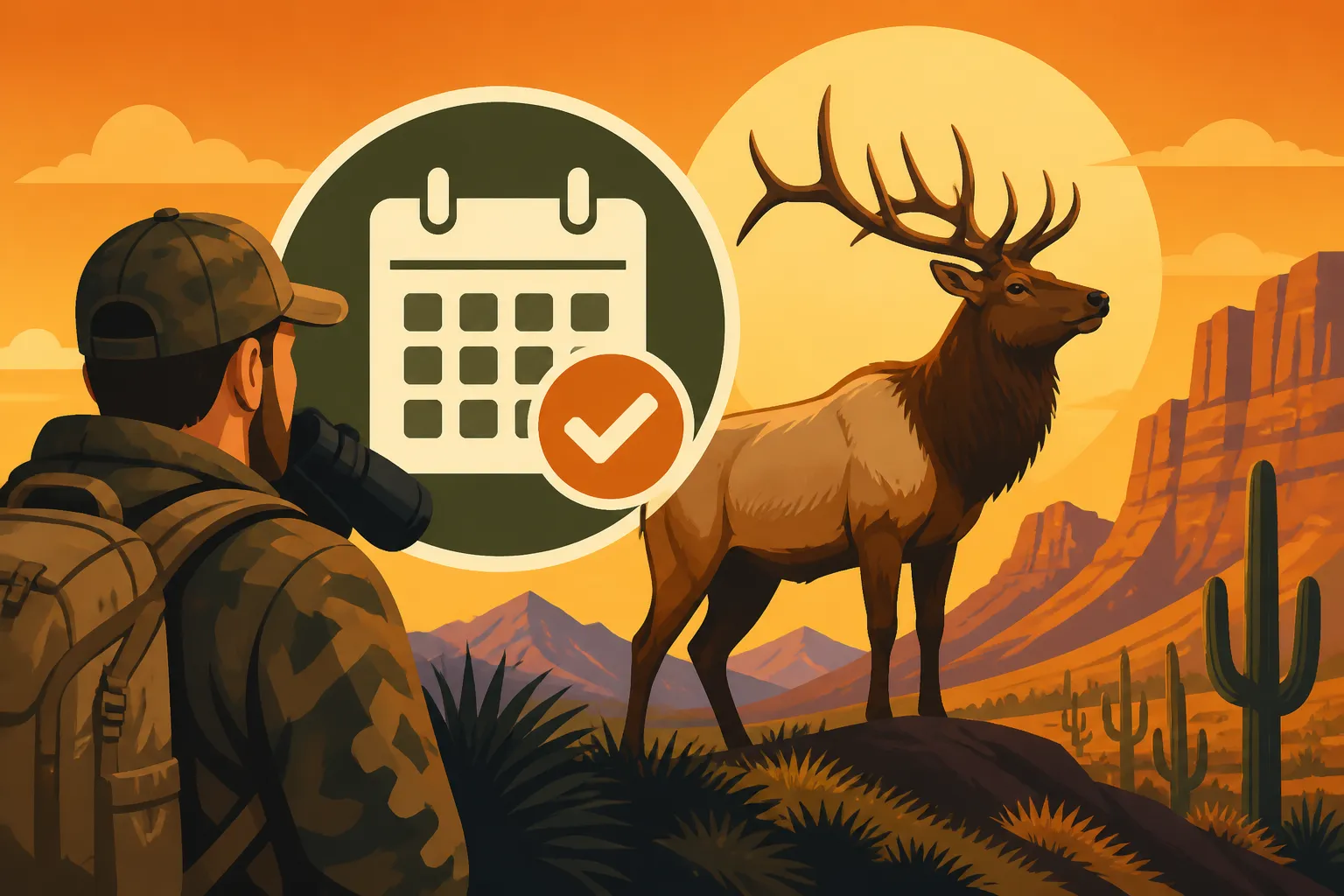
It's no secret that getting an Arizona elk tag is a dream for so many hunters, a true bucket-list experience that promises a chance at a world-class bull in some of the most stunning country imaginable. But when you start looking into a guided hunt, the reality can hit hard: many of the best Arizona outfitters are booked not just for next season, but for years down the road. This guide will walk you through the reasons behind these extensive wait times and help you understand how to navigate the process for your own shot at a guided Arizona elk hunt.
The Allure of Arizona Elk Hunting
Arizona might be famous for its deserts, but it's also home to some truly incredible elk country. When you think of high-quality elk hunting in the West, Arizona consistently comes up, and for good reason. It’s a place where big bulls roam, drawing hunters from all corners of the country who dream of a unique and challenging experience.
Trophy Potential and Herd Quality
Arizona has a well-earned reputation for producing exceptional bulls. We're talking about elk that consistently make the record books, animals that have spent years growing in prime habitat. The game management here, coupled with the varied ecosystems, allows elk to reach their full potential. This isn't just about sheer numbers; it's about the quality of the genetics and the management strategies that prioritize mature animals. When you commit to an Arizona elk hunt, especially a guided one, you're investing in the possibility of encountering a truly magnificent animal, a "once-in-a-lifetime" experience that few other states can consistently offer. This high trophy potential creates an immense demand that starts the booking cycle years in advance.
Diverse and Challenging Terrain
Forget what you think you know about desert hunting. Arizona's elk habitat ranges from the sprawling Ponderosa pine forests of the Mogollon Rim to the high elevation plateaus of the Kaibab, and even into the mountainous "sky island" regions. Each area presents its own unique challenges and breathtaking beauty. The Mogollon Rim, for instance, offers dense timber and steep canyons where elk can be incredibly elusive, requiring keen woodsmanship and physical stamina. The Kaibab Plateau is known for its vast expanses and the need for precision glassing. Arizona Elk on the Rim, White Mountains and Kaibab covers some of these prime locations. This isn't a hunt for the faint of heart or the unprepared; it's a test of skill, patience, and endurance. The complexity of these terrains means that local knowledge and experience, often provided by seasoned guides, become invaluable assets.
The Dream Hunt Experience
For many, an Arizona elk hunt isn't just about pulling a trigger; it's about the entire experience. It's the crisp mountain air at dawn, the sound of a bugle echoing through the pines, the intense satisfaction of a hard-earned stalk in some of the most iconic landscapes in the West. This hunt is on countless hunters' bucket lists because it combines the pursuit of an incredible animal with an immersive adventure in a wild, untamed environment. Outfitters understand this aspiration and strive to deliver an unforgettable experience, from well-appointed camps to expert tracking and calling. This desire for the ultimate "dream hunt" fuels the demand for the best guides, pushing their schedules out further and further.
Understanding Arizona's Elk Draw System
If you've ever looked into hunting Arizona, you know that the draw system is foundational to everything. It's a complex beast that plays a huge role in why guides are booked so far out, creating a scarcity that drives demand through the roof.
The Scarcity of Tags
The biggest factor in Arizona elk hunting is the limited number of tags issued each year. Arizona Game and Fish Department (AZGFD) manages its elk herds very carefully, balancing population health with hunting opportunity. This often means conservative tag allocations, especially for the prime units and seasons known for producing big bulls. This scarcity creates a highly competitive environment. Thousands of hunters apply for a relatively small number of permits, making the odds of drawing a coveted tag quite low, especially for those without a significant number of bonus points. Because these tags are so hard to come by, hunters who successfully draw one are often willing to invest heavily in a guided experience to maximize their chances of success, leading them to book guides well in advance. Arizona Runs Two Draw Cycles, February and June details the overall draw schedule.
The Bonus Point System and Long Odds
Arizona employs a bonus point system designed to reward loyal applicants. For every year you apply for a species and don't draw a tag, you earn a bonus point. These points are then factored into the draw, significantly increasing your odds over time. How Arizona's Bonus Point Pass Awards the First Twenty Percent explains how the initial allocation works. However, because so many hunters accumulate points, it can still take many, many years—sometimes a decade or more—to draw a top-tier elk tag. This long game means that hunters plan their hunts far into the future. They know they might draw in five years, seven years, or even ten, and they want to have an outfitter lined up before that tag is even in hand. This forward-looking approach on the hunter's part directly translates to guides being booked out for those distant seasons. There are even ways to earn additional points, as Three Ways to Earn an Arizona Bonus Point explains, further emphasizing this long-term strategy.
Nonresident Quotas and Competition
Adding another layer of complexity to the draw is Arizona's nonresident quota. By law, nonresidents are capped at ten percent of the total tags issued for any given hunt. This means that while residents already face tough odds, nonresidents face even steeper competition for a much smaller pool of available tags. Many of the hunters seeking guided experiences are nonresidents, eager to hunt Arizona's legendary elk. This limited allocation for out-of-state hunters intensifies the desire to secure a top-tier guide as soon as a tag is drawn, or even before, to ensure they make the most of their hard-won opportunity. A Nonresident Arizona Elk Tag Runs $665 Plus License gives an idea of the financial investment for nonresidents, making the guided experience an even more calculated decision.
The Value Proposition of a Guided Arizona Elk Hunt
When hunters decide to pursue a guided elk hunt in Arizona, they're not just paying for someone to take them into the woods. They're investing in a suite of services and expertise that dramatically increases their chances of success and enhances the overall hunting experience, especially in a state as challenging as Arizona.
Expertise in Challenging Terrain
Arizona's elk country is rugged, vast, and unforgiving. Whether you're in the steep canyons of the Rim, the sprawling Ponderosa forests, or the high desert mountains, understanding the terrain, the elk movements, and the specific unit nuances is critical. A reputable Arizona outfitter and their guides spend countless hours year-round in these units. They know the water sources, the bedding areas, the travel corridors, and the effects of pressure or weather on elk behavior. This intimate knowledge is something a do-it-yourself (DIY) hunter, especially one from out of state, simply cannot acquire in a short scouting trip. Guides can lead you efficiently to elk, help you navigate unfamiliar landscapes, and interpret fresh sign, all of which are invaluable when your tag is punched for a limited number of days. They're essentially selling their deep understanding of the land and its animals, which takes years to cultivate.
Logistics and Camp Management
Beyond finding the elk, a guided hunt takes care of nearly every logistical headache imaginable. Imagine rolling into camp after a long drive, exhausted but ready to hunt, and everything is already set up: comfortable sleeping arrangements, hot meals cooked, and all the necessary equipment for the hunt prepped. What a Fully Guided Arizona Elk Hunt Includes usually covers this in detail. This isn't just about convenience; it's about maximizing your hunting time and minimizing stress. Guides handle everything from hauling gear and setting up camp, to packing out your animal, and often even providing initial meat care. This frees you up to focus entirely on the hunt itself, allowing you to conserve energy for those demanding stalks or long days of glassing. For many hunters, especially those with limited vacation time, the ability to step into a fully managed hunt scenario is a huge draw.
Increased Success Rates and Ethical Harvest
Let's be honest, everyone wants to punch their tag, especially on an expensive and hard-to-draw elk hunt. Outfitters, with their deep knowledge and dedicated resources, often boast significantly higher success rates than the average DIY hunter. They employ strategies like strategic glassing positions, effective calling techniques, and precise stalking plans that are refined over many seasons. Furthermore, a good guide ensures an ethical harvest. They'll help you judge animals, confirm shot placement, and efficiently recover your animal, even in difficult terrain or fading light. This professional assistance not only increases your odds of bringing home an animal but also ensures the hunt is conducted responsibly and respectfully. The peace of mind that comes with knowing you have experienced professionals guiding you through the critical moments of a hunt is a major reason why hunters are willing to book so far in advance.
The Business Realities for Arizona Outfitters
It's easy to look at a booked-out calendar and think outfitters are just swimming in opportunity, but there are very real business reasons why they operate with such long lead times. It's about more than just demand; it's about sustainable operations and delivering a quality experience.
Limited Operating Permits and Allocations
Arizona outfitters operate under specific regulations, often requiring special use permits for national forest or BLM land. These permits dictate where and how many clients they can guide in certain units. They aren't unlimited; they're granted based on strict criteria and are often tied to specific areas. This means an outfitter has a finite number of "slots" they can offer each year. They can't just decide to double their client load if demand surges, because their permits and resources are capped. This inherent limitation on capacity, combined with the high demand for Arizona elk, creates an immediate bottleneck. When a hunter draws a tag, they're not just competing for the tag itself, but for one of these limited outfitter slots, pushing bookings further into the future.
Staffing and Logistics Planning
A successful guided hunt isn't a one-person show. It requires a team of experienced guides, wranglers (if horses are involved), camp cooks, and support staff. Finding and retaining reliable, skilled personnel is a constant challenge for outfitters. Good guides are often booked themselves, working for multiple outfitters or running their own operations. To secure the best talent, outfitters need to plan their seasons well in advance, often offering contracts and commitments to their staff for years to come. Moreover, the logistics of a hunt – everything from securing food, fuel, and equipment, to planning travel routes and contingency measures – requires meticulous long-term planning. Booking years ahead allows outfitters to build robust teams and ensure all the moving parts of a complex hunting operation are in place, long before the first client even arrives.
Financial Planning and Stability
Operating a hunting outfitting business requires significant capital investment. There are vehicles, horses, camp equipment, optics, insurance, marketing, and staff salaries to consider. Booking hunts years in advance provides outfitters with a crucial level of financial stability and predictability. Deposits taken for future hunts can be reinvested into upgrading equipment, improving camp facilities, or retaining key personnel. This forward revenue stream allows them to operate more effectively, ensure high-quality service, and weather any unforeseen economic downturns or regulatory changes. Without the long-term commitments from hunters, outfitters would struggle to plan and invest, potentially compromising the quality of the hunts they offer. It’s a symbiotic relationship: hunters secure their dream hunt, and outfitters secure their business's future.
Navigating the Booking Process: Tips for Hunters
So, you've decided a guided Arizona elk hunt is for you, and you understand why outfitters book so far ahead. The next step is figuring out how to get your name on that coveted calendar. It can feel daunting, but with a strategic approach, you can increase your chances of securing a spot.
Early Engagement and Communication
The best advice for booking an Arizona elk hunt is to start early—even before you've drawn a tag. Many reputable outfitters have waiting lists, or they prefer to build relationships with potential clients who are actively applying for tags. Don't wait until you've received your successful draw notification to start making calls. Reach out to outfitters a year or two (or more) before you expect to draw a tag. Introduce yourself, explain your hunting goals, and express your interest in their services. This early engagement allows you to vet potential outfitters, understand their booking process, and perhaps even get on a priority list for cancellations or future openings. Questions to Ask an Arizona Outfitter can help you prepare for these initial conversations. Many hunters find guides by visiting expos or using online platforms. For instance, reputable sites like BookYourHunt can connect you with outfitters, or you can leverage resources like GoHunt for draw odds and unit information that might inform your discussions with guides.
Understanding Deposits and Contracts
When you do decide to book, be prepared for deposit requirements and a formal contract. It’s standard practice for outfitters to require a significant non-refundable deposit to hold your spot, especially given how far in advance they book. This deposit secures your hunt date and helps the outfitter with their long-term financial planning, as discussed earlier. The contract is crucial; it outlines the terms of your hunt, what's included, payment schedules, and, critically, the cancellation and refund policies. Make sure you read and understand every detail, especially regarding what happens if you don't draw a tag in the year you've booked. Some outfitters will roll your deposit over to the next year, while others might have different policies. This is a key area for discussion during your early engagement. Booking Before Arizona Draw Results Land often involves these kinds of financial commitments and risk assessments.
Leveraging Online Resources
In today's digital age, there are more resources than ever to help you find and vet Arizona outfitters. Beyond personal referrals, which are always invaluable, platforms like BookYourHunt aggregate listings from various outfitters, allowing you to compare services, read reviews, and initiate contact. Websites like GoHunt provide extensive information on draw odds, unit breakdowns, and hunting strategies that can help you target specific hunts and then find guides specializing in those areas. Use these resources not just to find contact information, but to educate yourself about the types of hunts available, the reputation of different outfitters, and the typical pricing structures. This research will empower you to ask informed questions and make a confident decision when it comes time to commit to a guided hunt.
Preparing for Your Arizona Elk Hunt (Even Years Out)
Drawing an Arizona elk tag and booking an outfitter might be years away, but that doesn't mean you should sit idle. The time leading up to your hunt is a critical opportunity to prepare yourself physically, mentally, and with the right gear, ensuring you're ready when your dream hunt finally arrives.
Physical and Mental Conditioning
Arizona elk country is no walk in the park. Whether you're navigating the thick timber of the Mogollon Rim or traversing the rugged, steep terrain of a sky island, you'll be covering miles, often at elevation, with significant changes in temperature. This requires a high level of physical fitness. Start a consistent exercise regimen focusing on cardiovascular endurance, strength training, and hiking with a pack. Simulate hunting conditions by hiking varied terrain in your hunting boots. Just as important is mental toughness. The physical demands, coupled with early mornings, long days, and the inevitable ups and downs of hunting, can be taxing. Develop patience, resilience, and a positive mindset. Physical Conditioning for a Sky Island Hunt delves deeper into what it takes to get ready for these demanding environments.
Equipment Acquisition and Practice
Your equipment can make or break your hunt. Use the years leading up to your trip to acquire high-quality gear, starting with your primary weapon. If you're planning on a rifle hunt, spend ample time at the range, practicing shots from various positions and distances. If it's an archery hunt, develop a consistent practice routine, shooting frequently and ensuring your bow is perfectly tuned. Pay attention to clothing layers appropriate for Arizona's fluctuating temperatures, sturdy hiking boots, and essential optics. Investing in good binoculars and a spotting scope is crucial for Arizona's expansive glassing opportunities. Optics Power for Arizona's Long Desert Sightlines emphasizes the importance of quality glass. Don't wait until the last minute; break in your boots, familiarize yourself with every piece of your kit, and ensure it functions flawlessly.
Scouting and E-Scouting
Even if your hunt is years away, you can start learning the unit you hope to draw. Utilize online mapping tools like Google Earth, onX Hunt, or other geographic information systems (GIS) to "e-scout" the area. Look for potential elk habitat, water sources, roads, and access points. Identify prominent topographical features, understand prevailing wind patterns, and mark potential glassing knobs or travel corridors. If possible, consider a physical scouting trip a year or two before your hunt, especially if you draw a tag or are close to doing so. Walking the ground you've studied online will provide invaluable insights and confidence. Even if you're hiring a guide, this pre-scouting will enhance your understanding and appreciation of the unit. E-Scouting an Arizona Unit Before the Season provides a step-by-step guide to this powerful preparation tool.
Alternatives to Traditional Guided Elk Hunts in Arizona
While a fully guided hunt with a top outfitter might be the dream for many, the long booking times and significant investment mean it's not always feasible. Thankfully, Arizona offers several other avenues for pursuing elk, each with its own benefits and challenges.
DIY Public Land Hunts
For the independent and self-reliant hunter, a do-it-yourself (DIY) public land hunt is an incredibly rewarding experience. Arizona boasts millions of acres of national forest and Bureau of Land Management (BLM) land, all open to public hunting. While you'll need to secure your own tag through the draw and handle all logistics, from scouting and camp setup to packing out your game, the sense of accomplishment is unparalleled. This option requires significant preparation, including extensive e-scouting, physical conditioning, and a solid understanding of the unit's terrain and elk behavior. It's often more challenging, and success rates can be lower than with a guide, but the cost is significantly less. Many hunters find immense satisfaction in earning their elk entirely through their own efforts. You might want to consider Reading a Unit Before You Ever Walk It to get a head start.
Semi-Guided and Drop Camp Options
A fantastic middle-ground solution between a fully guided hunt and a complete DIY adventure are semi-guided hunts or drop camps. A semi-guided hunt might offer some logistical support, such as camp setup, basic food, and transportation into a hunting area, but the actual hunting (finding and stalking elk) is left to the client. This provides some support without the full cost of a dedicated guide. Drop camps are another popular choice, particularly in remote wilderness areas accessible only by horseback. An outfitter will pack you and your gear into a pre-established camp, often with basic supplies, and then leave you to hunt independently for a set number of days before returning to pack you out. These options cut down on some of the logistical burdens and can make accessing remote areas possible, while still giving the hunter significant autonomy in the hunt itself. Arizona Drop Camp Hunts Explained offers a deeper dive into this type of experience.
Tribal Land Opportunities
Arizona is home to several Native American tribal nations, many of whom manage their own wildlife and offer hunting permits on their lands. These hunts are separate from the state draw system, often involve different application processes, and can sometimes provide unique opportunities for high-quality elk. For example, the White Mountain Apache Tribe and the San Carlos Apache Tribe are renowned for their trophy elk hunts. White Mountain Apache Guided Elk Hunts is a great example of this. These permits can be expensive and may also involve specific booking timelines or requirements, often including the use of tribal guides. However, they can sometimes offer a way to bypass the lengthy state draw process for those willing to invest. It's crucial to research the specific tribal regulations and application procedures, as they differ significantly from state hunting rules.
Table: Comparison of Arizona Elk Hunt Styles
| Hunt Style | Investment (Cost) | Planning & Logistics | Success Rate Potential | Lead Time to Book (Outfitters) | Hunter Independence |
|---|---|---|---|---|---|
| Fully Guided | Highest | Handled by Outfitter | Highest | Years Ahead | Lowest |
| Semi-Guided | Medium-High | Partial Outfitter Support | Medium-High | 1-3 Years | Medium |
| Drop Camp | Medium | Outfitter handles pack-in/out | Medium | 1-2 Years | High |
| DIY Public Land | Lowest (Permit + Gear) | All Hunter's Responsibility | Lowest-Medium | None (just tag draw) | Highest |
| Tribal Land | High-Very High | Varies by Tribe/Outfitter | Medium-High | Months to Years | Medium |
Disclaimer
This article is for general informational purposes only and does not constitute professional advice. Laws, prices and regulations vary by location and change over time. Consult a qualified professional for guidance on your specific situation.