What Outfitter Prices Almost Never Include
Booking an Arizona hunting trip is often a dream come true for many, filled with anticipation of chasing elk on the Mogollon Rim or glassing for Coues deer in the Sky Islands. But the excitement can quickly turn into frustration when the "sticker shock" sets in, and you realize the upfront outfitter price isn't the final bill. This guide will walk you through exactly what those outfitter prices almost never include, helping you budget wisely and avoid unwelcome surprises.
Unpacking the "All-Inclusive" Myth
The term "all-inclusive" can be a bit misleading in the hunting world, especially when you're looking at a guided Arizona hunt. While a reputable outfitter will provide an incredible experience, comfortable lodging, delicious meals during the hunt, and expert guidance in the field, there's a whole list of critical items that almost universally fall outside their quoted price. It's not a deceptive practice; it's simply how the industry operates, and understanding this distinction upfront is key to a smooth trip.
Licenses, Tags, and Application Fees
This is perhaps the biggest and most common oversight for first-time hunters booking a guided trip, especially for those coming from out of state. The cost of your hunting license, the application fees for drawing a tag, and the actual big game tag itself are never included in an outfitter's price. These are state-mandated fees that you, the hunter, are responsible for paying directly to the Arizona Game and Fish Department.
Think about it this way: the outfitter is selling a service – their expertise, equipment, and access to an area – not the legal right to hunt a specific animal. You must possess that right yourself. For coveted species like Arizona elk, you'll first need to purchase a non-resident hunting license, then submit an application fee for each species you wish to draw, and then if successful in the draw, pay the full tag fee. These costs can add up significantly, easily into hundreds or even thousands of dollars depending on the species and residency. A nonresident Arizona elk tag, for example, is a substantial investment above and beyond any outfitter fees. It's crucial to factor in these Arizona Application Fees Per Species and the overall The Nonresident Arizona Hunting License Price when planning your budget. Many hunters even choose to apply for a tag on their own for several years, building up bonus points, before they even start looking for an outfitter.
Travel to and From the Hunting Area
While your outfitter might pick you up from a local airport or a designated meeting point once you arrive in Arizona, the cost and logistics of getting to Arizona are entirely yours. This means airfare, rental cars, and fuel expenses. If you're flying into a major hub like Phoenix Sky Harbor International Airport (PHX), you'll then need to figure out how to get to the more remote areas where most prime hunting occurs. This often involves renting a vehicle, which can be an unexpected cost, especially if you need a truck or SUV capable of handling rough forest roads.
Consider the distances involved. An elk hunt on the Mogollon Rim might be a two- or three-hour drive from Phoenix, while a Coues deer hunt in the southeastern Sky Islands could be even further. Factor in the fuel costs for that rental car, not just to the hunting area but for any pre-hunt scouting or post-hunt errands you might run. Some outfitters, especially those working in very remote locations, might offer an airport transfer from a regional airport, but this is often an added service at an extra charge, or it's limited to specific airports and times. Always clarify their transportation policy before you book, and budget generously for your own travel.
Pre- and Post-Hunt Logistics
Your outfitter's price typically covers your lodging and meals during the specified hunt dates. What about the days before your hunt starts or after it concludes? If you arrive a day early to get acclimated, sight in your rifle, or meet up with your group, you'll likely be responsible for your own hotel stay and meals for that extra night. Similarly, if your hunt ends on a Saturday, but your flight isn't until Sunday, that last night's lodging and dinner are on you.
This also extends to the crucial logistics once you’ve harvested an animal. While your guide will absolutely assist with field dressing and getting your animal out of the woods, the subsequent costs for meat processing and taxidermy are not part of their service. You’ll need to budget for taking your animal to a butcher, paying for custom cuts, packaging, and potentially freezer space. If you're bringing the meat home, add in the cost of coolers, dry ice, and shipping. For a trophy animal, taxidermy is a significant investment, and the process of caping, freezing, and shipping the cape and antlers home will be an additional expense. These often overlooked costs can easily run into hundreds or even thousands of dollars, so don't let them blindside you. You might even find yourself paying for additional nights at a hotel while waiting for your meat to be processed.
Essential Gear and Personal Expenses
While outfitters provide critical equipment like camp infrastructure, cooking gear, and oftentimes a quality spotting scope or extra binoculars, the bulk of your personal hunting gear is your responsibility. This is where your preparedness truly shines, and skimping here can impact your hunt experience.
Personal Hunting Gear and Optics
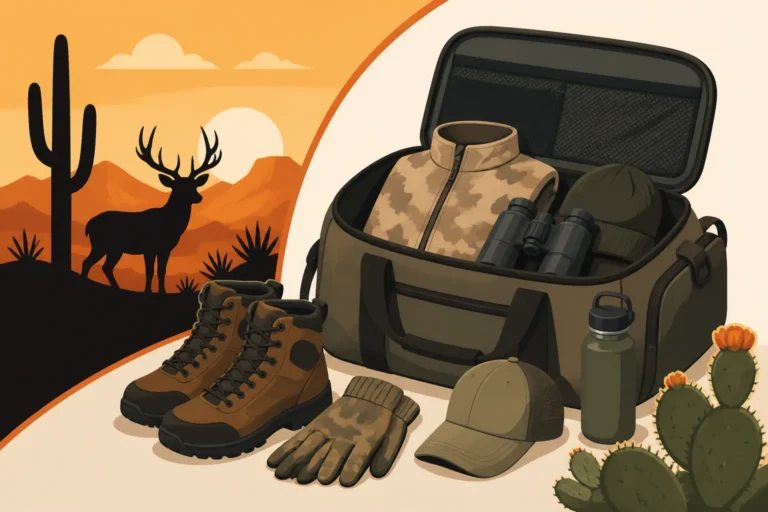
No outfitter expects to provide you with your rifle, bow, ammunition, or hunting clothing. You are expected to arrive fully equipped with all your personal hunting gear. This includes:
- Weapon and Ammunition: Your rifle, scope, and ammunition, or your bow, arrows, and broadheads. You'll want to bring plenty of ammo for sighting in and practice. Remember, The Minimum Bow Draw Weight Arizona Requires for big game is 30 pounds for vertical bows, and The Crossbow Draw Weight Floor in Arizona is 125 pounds. Also, Why Broadheads Must Exceed Seven-Eighths of an Inch is a critical regulation.
- Clothing System: Layered clothing suitable for Arizona's often unpredictable weather, which can swing from warm to cold, especially at higher elevations or in the desert at night. Good rain gear is essential.
- Footwear: High-quality, broken-in hunting boots that can handle rocky, uneven terrain. This is crucial for comfort and preventing injuries on long stalks or hikes.
- Personal Optics: While guides often have top-tier spotting scopes and binoculars, you'll still need your own binoculars for scanning, as well as a rangefinder. Many serious hunters bring their own high-power spotting scopes too, especially for Why Arizona Coues Hunting Is a Glassing Game.
- Backpack: A comfortable day pack for carrying essentials like water, snacks, extra layers, and basic first-aid supplies.
- Sleeping Bag and Pad: If you're on a tent camp hunt, you might be expected to bring your own sleeping system, or at least a pillow. Always clarify.
The investment in quality gear is significant, but it's an investment in your comfort, safety, and success. Don't show up with subpar equipment expecting the outfitter to fill in the gaps. While a good guide might lend you a pair of binoculars if yours break, they are not a rental shop.
Gratuities for Your Guide and Camp Staff
This is an often-overlooked expense that can easily add several hundred to over a thousand dollars to your total trip cost, depending on the length and type of hunt, and the level of service provided. It's customary and expected to tip your guide and any other camp staff (like cooks or wranglers) who contribute to your hunt experience. These tips are a significant portion of their income and are a direct reflection of your appreciation for their hard work, knowledge, and dedication.
The amount you tip is discretionary, but it's generally based on a percentage of the hunt cost or a daily rate. This applies whether you harvest an animal or not. A good guide works tirelessly before, during, and after your hunt, scouting, setting up camp, ensuring your safety, and putting you in the best possible position for success. The cook provides hearty meals to fuel you, and wranglers handle the horses that get you into remote country. Recognize their efforts. Before you go, research typical tipping guidelines, and budget for this important recognition of their service. You can find more details in articles like How Much to Tip a Hunting Guide.
Unexpected or Miscellaneous Costs
Even the most meticulously planned trips can incur unforeseen expenses. These might include:
- Emergency Supplies: Specialized first-aid items, satellite communication devices (like a Garmin inReach or a Satellite Communication From a Hunting Camp device) for remote areas where cell service is non-existent, or extra batteries for electronics. While your guide will have emergency protocols, personal sat-com devices are a smart personal investment.
- Personal Comforts: Specific snacks, beverages, or luxury items that aren't typically provided in a standard camp setup. Some hunters like a particular brand of coffee or a specific protein bar.
- Souvenirs: You might want to pick up a shirt, hat, or other memento from a local shop or the outfitter's camp.
- Medical or Travel Insurance: Highly recommended, especially for remote hunts. Travel insurance can cover trip cancellations, medical emergencies, or evacuation costs, which are definitely not part of your outfitter's price.
- Gun Cases/Bags: For travel, especially by air, you'll need approved cases for your firearm or bow.
Always budget an extra 10-15% of your total estimated costs for these miscellaneous or unexpected expenses. It's better to have it and not need it than to need it and not have it.
Beyond the Basics: Hidden Fees and Upgrades
Sometimes, there are additional charges that aren't "hidden" in a deceptive way, but rather specific conditions or optional upgrades that hunters need to be aware of. These can be significant and depend entirely on the outfitter's policies and the nature of your hunt.
Trophy Fees and Species-Specific Charges
While many outfitters include the opportunity to harvest a single animal of the species you're hunting in their base price, some may charge "trophy fees" if you harvest an animal above a certain size or for specific circumstances. For example, on a plains game hunt, an outfitter might have a base price for a deer but charge an additional fee if you harvest a truly exceptional, record-book class animal.
More commonly in Arizona, these extra fees might apply if you're attempting a multi-species "combo hunt" but the base price only covers one. If you've booked a deer hunt, and also have an over-the-counter javelina tag, the outfitter might charge an additional fee for the guide's time and resources to pursue the second animal. Always clarify if there are any specific size restrictions or additional charges for harvesting a particular quality of animal or for pursuing secondary species. Understand How Outfitters Handle Trophy Fees before you even set foot in camp.
Meat Processing, Taxidermy, and Shipping
We touched on this briefly, but it bears repeating with more detail because it’s a category of expenses that surprises many hunters. Once your animal is on the ground and field-dressed, the clock starts ticking, especially in Arizona’s warmer early seasons.
- Meat Processing: This involves taking your animal to a local butcher or wild game processor. They will skin, quarter, cut, package, and sometimes even vacuum seal your meat. The cost varies by animal size and the services requested, but for a deer or elk, it can be a few hundred dollars. Many outfitters have a preferred processor they work with, but the bill goes to you. You'll need to coordinate drop-off and pickup, which might extend your stay or require arrangements with your guide.
- Taxidermy: If you harvest a trophy and want to preserve it, this is a significant expense. The cost of a shoulder mount for a deer or elk can be substantial, and full mounts even more so. You'll need to arrange for a taxidermist to handle the cape and antlers. Many outfitters will assist with caping and initial preservation, but the rest is on you.
- Shipping: Getting your meat and/or trophy home, especially if you're flying, requires careful planning and budgeting. Meat often needs to be frozen solid and shipped in coolers with dry ice or as extra baggage. Antlers and capes may require specialized crating and shipping services. These costs can be substantial, often equaling or exceeding the cost of the processing itself. Don't underestimate this logistical and financial challenge, as outlined in Meat Processing and Shipping Costs After a Hunt.
Planning Your Budget and Asking the Right Questions
The best way to avoid sticker shock and ensure a smooth Arizona hunting trip is through meticulous planning and clear communication. Treat your hunt like a significant investment, because it is.
Comprehensive Budgeting for an Arizona Hunt
Before you even start looking at outfitters, create a detailed budget. Don't just rely on the outfitter's quoted price. Break down every potential expense into categories:
| Category | Inclusions (Usually Outfitter-Provided) | Exclusions (Usually Hunter's Responsibility) |
|---|---|---|
| Hunt Price | Guide services, in-field transportation, camp lodging, meals during hunt | Licenses, tags, application fees, tips, trophy fees |
| Travel | (Sometimes) Local airport pickup/drop-off | Airfare, rental car, fuel, pre/post-hunt lodging |
| Gear | Camp equipment, some optics (e.g., spotting scope) | Personal weapon, ammo, clothing, boots, personal optics, backpack, sleeping system |
| Post-Harvest | Field dressing, game retrieval | Meat processing, taxidermy, shipping meat/trophy |
| Personal & Misc. | Basic camp amenities | Snacks, beverages, sat-com, insurance, souvenirs |
Use this table as a starting point, and then add specific dollar figures where you can. Remember to add a buffer, ideally 10-15% of your total estimated costs, for unforeseen circumstances. This cushion can cover anything from a broken bootlace to an extra night in a hotel due to bad weather.
Critical Questions for Your Outfitter
The absolute best way to understand what's included and what's not is to ask direct, specific questions before you book. Don't be shy – a reputable outfitter will appreciate your thoroughness. Here are some questions to ask:
- "What exactly is included in your quoted price, item by item?" Get it in writing if possible.
- "What are the known additional costs I should anticipate, such as licenses, tags, and specific fees?"
- "What are your tipping expectations for guides and camp staff?"
- "Do you have a preferred meat processor or taxidermist, and how do hunters typically handle those costs and logistics after the hunt?"
- "Are there any trophy fees for larger animals or additional charges for combo opportunities (e.g., adding javelina to a deer hunt)?"
- "What are the arrangements for travel to and from the camp? Do you offer airport pickup, and if so, from which airport and at what cost?"
- "What are the camp accommodations like? Do I need to bring my own sleeping bag or pillow?"
- "What is your cancellation policy, especially if I fail to draw a tag?" (This is crucial, as many hunters look at Booking Before Arizona Draw Results Post with an outfitter).
Using resources like BookYourHunt or GoHunt can help you research outfitters and see how they structure their pricing and what others have said about their experiences. These platforms often provide a good baseline for comparison and can help you formulate even more specific questions.
Ultimately, hunting Arizona with a professional outfitter can be an incredible, once-in-a-lifetime experience. But like any significant endeavor, it requires careful planning and a clear understanding of all the financial components. By knowing what outfitter prices typically don't include, you can prepare a realistic budget, avoid unexpected expenses, and focus on enjoying the majestic Arizona wilderness and the thrill of the hunt.
Disclaimer
This article is for general informational purposes only and does not constitute professional advice. Laws, prices and regulations vary by location and change over time. Consult a qualified professional for guidance on your specific situation.