What Guides Expect From Their Clients
Going on a guided hunt in Arizona is an incredible adventure, full of potential for unforgettable experiences and filling your freezer. But let's be real: sometimes, folks sign up for a guided trip with a bit of a Hollywood-tinted lens, imagining they'll just show up, get handed a rifle, and a guide will magically produce a trophy animal right on cue. The truth is, a guided hunt is a partnership, and Arizona's rugged, beautiful country demands a lot from both sides. This guide is all about peeling back the curtain to discuss what reputable Arizona hunting guides truly expect from their clients, helping you show up prepared, maximize your experience, and ensure a smooth, successful hunt for everyone involved.
Showing Up Physically and Mentally Prepared
One of the biggest things guides wish clients understood before they even step foot in Arizona is the importance of being prepared, both in body and mind. This isn't a leisurely stroll in a park; it's often hard work in challenging conditions.
The Demands of Arizona's Diverse Terrain
Arizona is a state of extremes, from scorching desert floors to high-elevation pine forests and steep, rocky sky islands. A guide's job is to put you in a position to succeed, but you, as the client, need to be able to physically handle getting to that position. This might mean hiking miles through thick chaparral for javelina, climbing steep canyons for Coues deer, or navigating dense timber and elevation changes for elk. Guides often see clients underestimate the impact of elevation on their physical performance, especially if they're coming from sea level. Altitude sickness isn't a fun addition to a hunt.
It's not just about strength; it's about endurance. Can you walk for several hours, stop to glass, and then quickly move again? Can you handle heat or sudden cold snaps? Your guide isn't there to carry you up the mountain. They need you to be an active participant in the physical demands of the hunt. Taking the time to work on your Physical Conditioning for a Sky Island Hunt or simply going for regular hikes in the months leading up to your trip can make a world of difference. Your guide will appreciate it, and more importantly, you'll enjoy the hunt far more.
Gear Readiness and Familiarity
Think of your gear as your tools. A craftsman doesn't show up with dull, rusty tools, and a hunter shouldn't show up with gear they haven't tested or maintained. Your guide expects you to have the appropriate clothing for Arizona's often unpredictable weather—layering is key, as mornings can be freezing and afternoons sweltering, sometimes in the same day. More critically, they expect you to be proficient with your weapon. This means your rifle is sighted in, you know its capabilities, and you can confidently make the shot when the moment arises. There’s nothing more frustrating for a guide than putting a client on a dream animal only for the client to struggle with their rifle because they haven't practiced.
It's not just about the rifle, though. Are your boots broken in and suitable for rocky terrain? Do you know how to operate your optics? You don't need the most expensive gear on the market, but it should be reliable and you should be comfortable using it. When I'm talking to hunters planning their first Arizona trip, I always tell them to spend time practicing their shooting positions and getting familiar with all their gear. Even something as simple as knowing how to quickly adjust your trekking poles or rangefinder can save precious seconds when a shot opportunity presents itself. For rifle hunters, dialing in your zero after a long journey to camp is critical, and a guide will appreciate that initiative. You can learn more about this by reading Sighting In After a Long Drive to Camp.
Realistic Expectations and a Positive Attitude
This might be one of the most important, yet often overlooked, expectations. Guides are not miracle workers. They can't control the weather, animal movement, or the exact moment a trophy steps out. What they can control is their effort, their knowledge, and their ability to put you in the best possible situation. What they expect from you is a realistic understanding of hunting outcomes and a positive, resilient attitude. Some days you might not see an animal. Some days you might see plenty but can't close the deal. That's hunting.
A guide wants a client who enjoys the process, the scenery, and the camaraderie, even if the tag isn't filled. A negative attitude can sour the entire experience for everyone, including the guide who is pouring their heart into trying to make your hunt a success. If you approach the hunt with an open mind, ready to learn and appreciate the journey, you're already a step ahead. Remember, a guided hunt is more than just harvesting an animal; it's about the adventure, the challenge, and the memories forged in Arizona's wild places.
Clear Communication and Mutual Respect
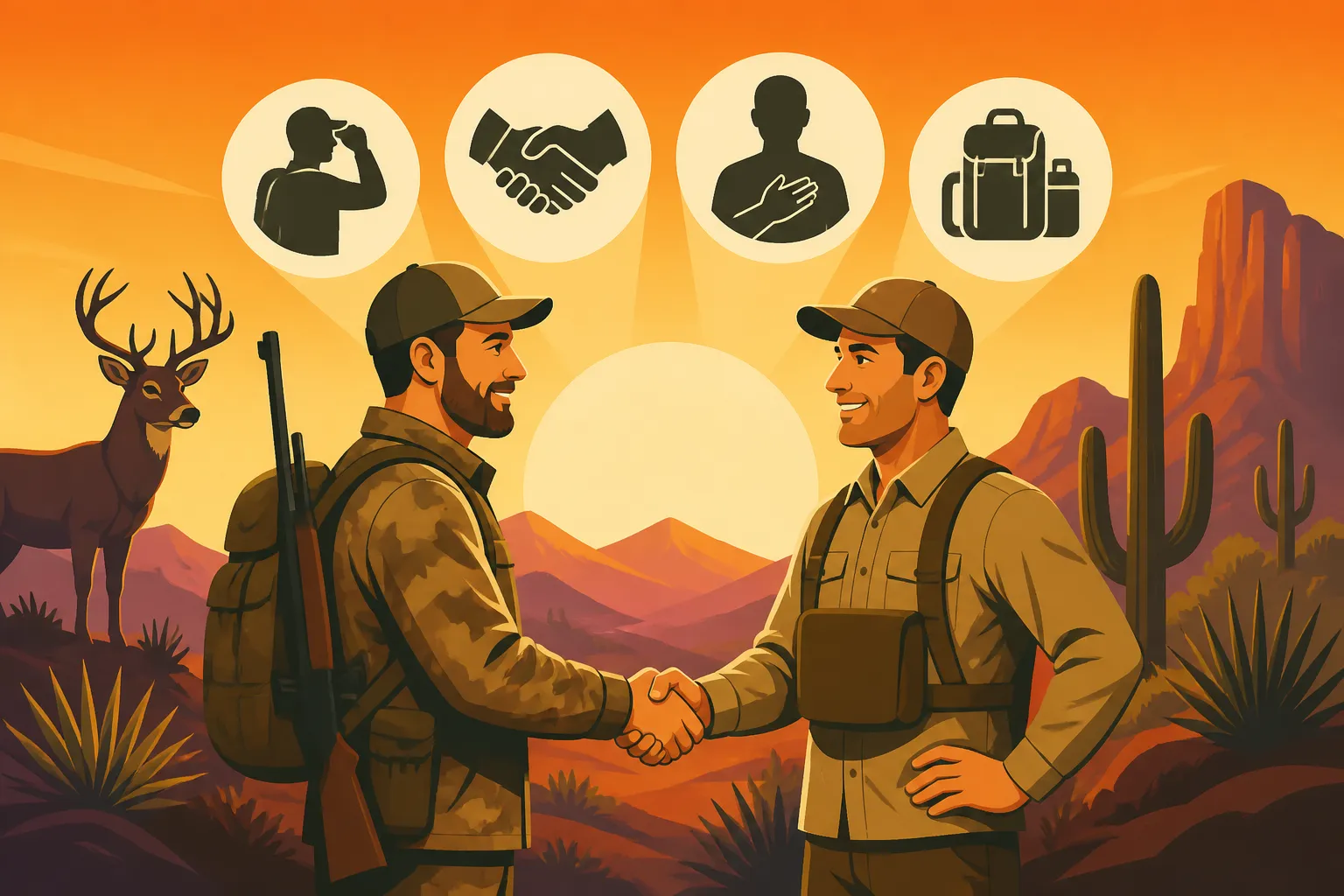
A successful guided hunt relies heavily on open communication and respect between the client and the guide. This isn't just about being polite; it's about building an effective hunting team.
Open and Honest Dialogue
Your guide isn't a mind reader. If you have a physical limitation, a specific expectation for your hunt, or a concern about a particular situation, it's crucial to communicate that clearly and early. Did you tweak your ankle on the way to camp? Tell your guide. Are you nervous about a long shot? Talk about it. Good guides want to know this information so they can adjust their plan to your abilities and preferences. Waiting until you're halfway up a steep climb to mention a knee problem isn't fair to anyone.
Conversely, listen to your guide. They live and breathe this country and these animals. Their advice on movement, wind direction, or shot placement comes from years of experience. When they tell you to move slowly, be quiet, or hold for a better shot, they have a good reason. Clear communication flows both ways and builds trust, which is invaluable when hunting situations unfold rapidly. Understanding what your guide is looking for can even help you contribute to the hunt, such as using The Grid Glassing Method, Step by Step to actively participate in spotting game.
Respecting the Guide's Expertise and Judgment
A guide's job is to apply their extensive knowledge of the local wildlife, terrain, and weather patterns to your hunt. They’ve spent countless hours scouting, learning animal behavior in specific units, and understanding the nuances of how conditions affect success. When your guide makes a call—whether it’s where to sit, which direction to approach, or when to take the shot—they expect you to trust their judgment. This is particularly true in Arizona's vast and often subtle landscapes. The 'gray ghosts' of Coues deer, for example, blend in incredibly well, and a guide's trained eye is often your best asset.
Questioning every decision or insisting on your own plan, especially if it contradicts the guide's experienced advice, can not only be counterproductive but also dangerous. There's a fine line between expressing a preference and undermining their expertise. Remember, you hired them for their knowledge, so let them use it. This also extends to understanding specific rules for hunting in Arizona, like Arizona Legal Shooting Hours for Big Game, which your guide will strictly adhere to.
Camp Etiquette and Professionalism
While guides are often friendly and personable, it's important to remember they are professionals running a business. This means respecting their equipment, their time, and the camp environment. Helping with small tasks around camp, keeping your personal gear tidy, and being punctual for morning departures goes a long way. Excessive drinking, disrespectful language, or leaving a mess creates an uncomfortable atmosphere for everyone and is simply unprofessional.
Many guides operate on public land, which means they often deal with a higher level of scrutiny. Your actions as a client reflect on them. Being respectful of the land, other hunters, and local regulations isn't just good manners; it's a critical part of being a responsible hunter and a good client. Think of it as being a respectful guest in their "office."
Here's a quick look at common client expectations:
| Category | Guide Expectation | Client Action |
|---|---|---|
| Physical | Be able to cover ground, handle terrain and elevation. | Train for your hunt, assess your fitness honestly. |
| Gear | Have appropriate, functional gear; be proficient with your weapon. | Test and maintain all equipment, practice shooting regularly. |
| Attitude | Maintain a positive, realistic outlook, even when challenges arise. | Embrace the process, understand hunting isn't guaranteed success. |
| Communication | Be open about limitations, preferences, and concerns. | Speak up early and clearly; listen intently to guide's instructions. |
| Respect | Trust the guide's experience and judgment in the field. | Follow directions, ask clarifying questions respectfully, don't second-guess constantly. |
| Ethics | Adhere to fair chase, legal, and ethical hunting practices. | Know the regulations, commit to clean kills and recovery. |
| Logistics | Understand financial obligations (tips, fees), and camp protocols. | Plan for all costs, be punctual, contribute positively to camp life. |
Understanding the Financials Beyond the Booking Fee
A guided hunt involves more than just the initial deposit and final payment. Guides expect clients to understand and plan for the additional, often significant, financial aspects that come with a successful trip.
The Importance of Tipping Your Guide
One of the most common questions clients have is about tipping, and guides absolutely expect it. Tipping is a deeply ingrained part of the outfitting industry, akin to tipping service staff in other professions. It's how guides earn a substantial portion of their income and is a direct reflection of your appreciation for their hard work, dedication, and the service they provide. This includes their expertise in finding animals, their efforts in field dressing, packing out, and generally making your hunt as enjoyable and productive as possible.
Typically, guides expect a tip ranging from 15-20% of the hunt's total cost, although this can vary based on the specifics of the hunt and your satisfaction. It's generally given directly to the guide at the end of the trip. Not tipping, or giving a very small tip for a hunt where the guide put in full effort, can be seen as disrespectful and a sign of dissatisfaction. Always budget for this expense well in advance. For a deeper dive, check out How Much to Tip a Hunting Guide.
Managing Trophy Care and Meat Processing Costs
When you successfully harvest an animal, the work isn't over—it's just beginning. Guides expect you to understand that the costs associated with caring for your trophy and processing your meat are your responsibility, not typically included in the hunt price. This means budgeting for:
- Taxidermy: If you're preserving a cape or antlers, you'll need to pay for skinning, caping, and salting services (which your guide often provides for a fee), and then the actual taxidermy work. Shipping these items home can also be costly, especially for larger animals like elk.
- Meat Processing: After the animal is field dressed, it needs to get to a processor, often many miles away. The processing itself—turning a whole animal into packaged cuts—is a separate fee. Again, shipping the meat (often frozen) back home is a significant logistical and financial consideration.
Many guides will help coordinate these services and recommend local reputable businesses, but the bills ultimately fall to you. Don't be caught off guard by these post-harvest expenses. Discuss these logistics with your guide before the hunt, so you have a clear plan and budget. You can find more information about these steps in Meat Processing and Shipping Costs After a Hunt and Shipping Capes and Antlers Home.
Understanding Contract Terms and Payment Structures
When you book a guided hunt, you'll sign a contract. Guides expect you to read this document carefully and understand all its terms. This includes:
- Deposit and Payment Schedules: When are payments due? Are deposits refundable if you don't draw a tag in Arizona's complex draw system?
- Cancellation Policies: What happens if you need to cancel? What if the guide needs to cancel?
- Included vs. Excluded Services: What exactly is covered in your hunt package? Are licenses, tags, travel, and non-alcoholic beverages included, or are they additional costs? This is where many misunderstandings happen.
For hunters coming to Arizona, understanding the nuances of how outfitters handle draw results is particularly critical. Many outfitters book trips well in advance, sometimes even before the Arizona draw results are announced. Knowing whether your deposit is refundable, or if it can be rolled over to the next year if you don't draw, is vital. Reputable booking sites like BookYourHunt or research tools like GoHunt often provide helpful information and reviews that can shed light on an outfitter's standard practices, but always refer to your specific contract. Paying attention to these details upfront can prevent significant stress and financial disappointment down the road. Delve deeper into these aspects by reading Contract Clauses Worth Reading Closely and Refunds When You Fail to Draw.
Active Participation and Ethical Conduct in the Field
A guide is there to facilitate your hunt, not to hunt for you. They expect you to be an active, ethical partner in the pursuit of game.
Being an Active and Engaged Hunter
The phrase "hunting partner" truly applies here. Guides appreciate clients who are actively engaged in the hunt, not just passively waiting for instructions. This means:
- Glassing: If you have optics, use them. Don't just stare blankly at the scenery. Your guide may be glassing a ridge, and you should be doing the same, covering a different section or looking for movement. Learning to glass effectively, especially in vast Western landscapes, is a skill that will greatly enhance your success and your guide's appreciation. Read up on Why Arizona Coues Hunting Is a Glassing Game to prepare for this.
- Listening and Learning: Pay attention to your guide's insights about animal behavior, sign, and the terrain. They are often teaching you as you go, and soaking up that knowledge makes you a better hunter.
- Physical Contribution: If it's safe and appropriate, offer to help with carrying gear, setting up a shooting sticks, or packing out meat. Even small gestures show you're invested.
Your guide is expending a lot of energy to put you in position. Your active participation amplifies their efforts and increases the chances of a successful outcome. You're part of the team, not just a passenger.
Upholding Ethical Standards and Game Laws
Arizona, like all states, has strict game laws and ethical hunting guidelines. Guides expect you to be familiar with these, adhere to them without question, and prioritize ethical decision-making above all else. This means:
- Fair Chase: Understanding and practicing fair chase principles. This involves respecting the animal and the hunting process, not taking advantage of technology or situations that compromise the spirit of the hunt.
- Shot Placement and Retrieval: Taking ethical shots that lead to a clean, swift kill and committing to diligent recovery efforts. No guide wants to chase a wounded animal for miles or, worse, lose one due to a rushed or poor shot. If your guide says to hold off for a better shot, they expect you to listen. This applies especially when hunting species like Coues deer, where distances can be long and targets small. Your guide will provide input on When to Take the Shot Your Guide Calls.
- Respect for Wildlife and the Environment: This includes proper field dressing, minimizing disturbance to the habitat, and leaving no trace behind. It’s not just about filling a tag; it’s about being a responsible steward of Arizona’s wild resources. Taking The Ethically Hunting Arizona Course Explained is a great way to deepen your understanding and even earn a bonus point for future draws.
Ultimately, your guide's reputation (and potentially their license) is on the line when they take you into the field. Your ethical conduct is paramount. A guide would rather you pass on a questionable shot than risk an unethical harvest or a violation of game laws. This also applies to understanding access rules, such as Retrieving Game From Private Land in Arizona.
Managing Expectations During the Hunt
Even with the best planning and effort, hunting can be unpredictable. Guides expect you to roll with the punches. A sudden change in weather, unexpected animal movement, or simply the inherent challenge of hunting wild animals can mean plans change on the fly. Be adaptable. Be patient. Sometimes a guide will pull you off a particular glassing point because they've seen something in another area or the wind has shifted. Trust that they are making the best decision for your success in that moment.
The joy of hunting, particularly in a place like Arizona, often lies in the journey, the challenges overcome, and the raw beauty of the landscape. While filling a tag is always the goal, a good guide wants you to have an enriching experience regardless of the outcome. Being respectful, engaged, and understanding makes you a client they will remember fondly and perhaps even welcome back.
Disclaimer
This article is for general informational purposes only and does not constitute professional advice. Laws, prices and regulations vary by location and change over time. Consult a qualified professional for guidance on your specific situation.