Arizona Application Fees Per Species
Trying to figure out all the costs associated with hunting in Arizona can feel like deciphering a secret code, especially when you're just starting to look at the draw. It's not just about the tag itself; there are layers of fees, and it can be frustrating to piece together exactly what you'll owe and when. This guide aims to clear up the confusion around Arizona's hunting application fees, helping you understand the financial steps required to pursue your dream hunt in the Grand Canyon State.
Decoding Arizona's Hunting Draw System: More Than Just a Lucky Dip
Arizona's draw system is one of the most sought-after in the West, offering incredible opportunities for diverse big game species. But before you even dream of spotting a Kaibab mule deer or calling a bull elk on the Mogollon Rim, you need to navigate the application process, and that starts with understanding the fees involved. It’s not just a lucky dip; it's a structured system designed to manage wildlife and fund conservation efforts across the state.
Understanding the Two Key Draw Cycles
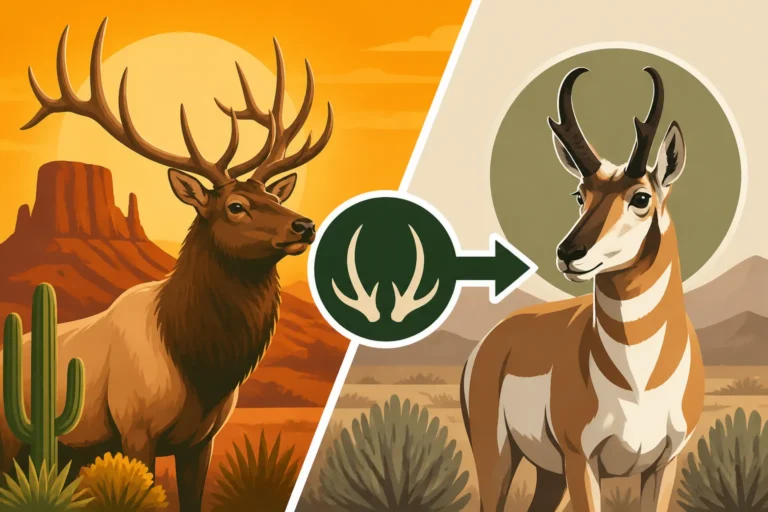
Arizona actually operates on two distinct draw cycles each year, and knowing these deadlines is absolutely critical to even have a chance at applying. The first, and arguably most anticipated, is the February deadline, which covers tags for coveted elk and antelope hunts. This is where most hunters pour their hopes and accumulated bonus points. The second cycle, with a June deadline, focuses on deer, bighorn sheep, and bison. Missing these deadlines means missing out on an entire year's worth of hunting opportunity, and believe me, that's a mistake you don't want to make. It's easy to forget which species falls into which cycle, but checking the Arizona Game and Fish Department (AZGFD) website well in advance is always your best bet. For a more detailed look, you can always check out when the Arizona Runs Two Draw Cycles, February and June.
The Purpose Behind Application Fees for Wildlife Conservation
You might wonder why you have to pay just to apply for a tag, especially if you don't even draw one. It's a valid question, and the answer lies in the fundamental model of wildlife management in North America. These relatively small application fees contribute directly to the Arizona Game and Fish Department's budget. This funding supports crucial conservation programs like habitat improvement projects, scientific research on wildlife populations, law enforcement to prevent poaching, and public access initiatives. So, while it feels like a barrier to entry, it's actually a direct investment in the health and future of the very wildlife you hope to hunt. Every hunter, successful or not, plays a part in this vital cycle.
Clarifying the Difference: Application Fee vs. License vs. Permit
This is where many hunters get tangled up. Let's break down the terminology because each term represents a different financial obligation and legal requirement.
First, the application fee is the non-refundable charge you pay simply to enter your name into the draw for a specific species. It doesn't guarantee a tag; it just allows you to participate.
Second, the hunting license is a separate, annual purchase that allows you to legally hunt any authorized species in Arizona, assuming you have the appropriate tag for that specific animal. Think of it as your driver's license for hunting. You must possess a valid Arizona hunting license before you can even apply for a draw. If you don't have one, your application will be rejected.
Finally, the permit (often referred to as the tag fee) is the significant cost you pay only if you are successful in the draw. This is the fee for the actual piece of paper that allows you to harvest a specific animal in a specific unit during a specific season. These permit fees are much higher than application fees and represent the true cost of your drawn hunt. Understanding these distinctions is paramount to budgeting correctly and avoiding unexpected expenses or, worse, disqualification.
The Specifics: Application Fees for Arizona's Big Game Species
When you're meticulously researching draw odds and dream units, the application fees themselves can feel like a minor detail. However, understanding their consistency, and how they interact with demand for certain species, is still an important part of your overall application strategy. It’s reassuring to know there's a certain level of predictability here, even if the draw results themselves are anything but.
Standardizing the Fee Across Diverse Species
One of the more straightforward aspects of Arizona's big game draw is the consistency of the application fee. Currently, for most major big game species, the application fee is a flat $15 per species, per draw cycle. This applies whether you're putting in for a highly coveted elk tag or a more accessible javelina hunt. This standardization simplifies the initial financial commitment, allowing you to focus more on strategy—which units to apply for, how many bonus points you have, and your overall hunt plan. The $15 fee is a small price to pay for the chance at a truly once-in-a-lifetime tag, or even just an annual opportunity to get out into Arizona's diverse landscapes.
High-Demand Hunts: Elk and Pronghorn
While the application fee itself is the same $15, the context changes dramatically when you consider high-demand species like elk and pronghorn. These hunts typically have extremely low draw odds, especially for prime units. Many hunters accumulate bonus points for years, even decades, hoping to draw one of these tags. The $15 application fee, in this scenario, buys you a lottery ticket for a very exclusive draw. Even if you apply every year for twenty years and never draw, you've invested a total of $300 in application fees, alongside your annual license costs. For many, that's a worthwhile investment for the chance at a trophy animal. The AZGFD system is designed so that even if you're not drawing a tag, you're always Earning an Arizona Point by Applying, which increases your odds over time. The excitement around The Arizona Elk and Antelope Application Deadline is palpable every year, precisely because of the incredible quality of these hunts.
Deer, Bighorn, Bison, Bear, and Turkey: Consistent Application Costs
Beyond elk and pronghorn, the $15 application fee remains consistent for other big game species as well. This includes deer (both Coues and Mule deer), bighorn sheep (both desert and Rocky Mountain), bison, black bear, and turkey. Even though the application fee is the same, the actual tag fees, draw odds, and overall hunting experience for these species vary wildly. For instance, a bighorn sheep tag is arguably the most difficult and expensive tag to draw in Arizona, yet the application fee is still a mere $15. On the other hand, a bear or turkey tag might have more reasonable odds, and the overall hunt cost is far less. This uniformity in application fees means you can apply for multiple species across the different draw cycles without facing escalating upfront application costs, though your annual hunting license and eventual tag fees will certainly differ. Keep a close eye on The Arizona Deer, Sheep and Bison Deadline to ensure you don't miss out on these opportunities.
| Species | Application Fee (per species, per draw cycle) | Resident Hunting License (Annual) | Non-Resident Hunting License (Annual) |
|---|---|---|---|
| Elk | $15 | $37 | $160 |
| Antelope | $15 | $37 | $160 |
| Deer | $15 | $37 | $160 |
| Bighorn Sheep | $15 | $37 | $160 |
| Bison | $15 | $37 | $160 |
| Bear | $15 | $37 | $160 |
| Turkey | $15 | $37 | $160 |
| Javelina | $15 | $37 | $160 |
| Bonus Point Only | $15 (per species) | $37 | $160 |
Note: All fees are subject to change by the Arizona Game and Fish Department. Always confirm current fees on the official AZGFD website.
Your Hunting License: The Gateway to the Arizona Draw
Before you even think about applying for a specific big game tag in Arizona, there's one foundational requirement that often gets overlooked by excited applicants: a valid Arizona hunting license. This isn't just a suggestion; it's a hard rule. Without it, your application for any draw will be invalid, regardless of how much you've paid in application fees or how many bonus points you've diligently accumulated.
Why a Valid License is the First Requirement
Think of your annual hunting license as your key to the entire Arizona hunting system. It's the baseline permit that allows you to legally engage in hunting activities in the state. The AZGFD mandates that every applicant for a big game draw must hold a valid hunting license for the current license year at the time of application. This ensures that everyone participating in the draw has met the basic legal requirements to hunt. Without this prerequisite, the system would be open to individuals who haven't completed hunter education (if required) or who aren't otherwise legally permitted to hunt. It's an administrative safeguard, but also a crucial revenue stream that supports the department's ongoing conservation efforts, much like the application fees themselves.
Cost Differences: Resident vs. Non-Resident Hunting Licenses
The cost of your annual hunting license will depend significantly on whether you are an Arizona resident or a non-resident. This distinction is important and reflects a common practice across states, where residents typically pay lower fees as they contribute to the state's tax base. For Arizona residents, a general hunting license is quite affordable, currently priced at $37. This allows residents consistent and accessible hunting opportunities across various species, year after year.
However, for non-residents, the price jumps considerably. A non-resident hunting license currently stands at $160. This higher fee reflects the non-resident's lesser contribution to state taxes that indirectly support wildlife resources, and also helps manage hunting pressure from outside the state. While it's a steeper upfront cost, it's a necessary investment for anyone looking to experience Arizona's world-class hunting opportunities. It’s important to understand The Nonresident Arizona Hunting License Price clearly when you're planning your budget.
Special Licenses for Youth and Apprentices
Arizona also recognizes the importance of fostering the next generation of hunters, offering special considerations for youth and apprentice hunters. For resident youth aged 10-17, a hunting license is typically available at a reduced rate, making it more affordable for families to get their kids into the field. This encourages participation and ensures that younger hunters can gain experience under proper supervision.
Additionally, the state offers an Apprentice Hunting License. This license is designed for new hunters of any age who may not have completed hunter education yet. It allows them to hunt under the direct supervision of a licensed adult mentor. While apprentice licenses are great for getting started, it's important to note that they often come with specific restrictions, such as not being eligible for big game draw applications. Always check the current regulations on who The Apprentice License and What It Excludes to make sure you're compliant. These programs are vital for maintaining the rich hunting traditions that Arizona cherishes.
Non-Resident Considerations: Additional Costs and Strategies
For hunters coming from out-of-state, Arizona presents some truly unique opportunities, from giant elk to the elusive Coues deer. But the path to securing one of these tags as a non-resident involves a few extra financial and strategic considerations compared to residents. It's not just about paying more; it's about understanding the system and planning effectively.
The Elevated Cost of a Nonresident Arizona Hunting License Price
We've already touched on this, but it bears repeating because it's the first significant difference non-residents will encounter. The Nonresident Arizona Hunting License Price is considerably higher than for residents, currently standing at $160. This isn't a one-time fee for a drawn tag; it's an annual prerequisite. So, every year you wish to apply for a big game draw in Arizona, you'll need to purchase this $160 hunting license before you even submit your application. This makes strategic planning even more critical for non-residents, as you're investing a substantial amount simply to enter the draw, regardless of your success. Factor this into your annual hunting budget long before the application deadlines roll around.
Applying for Bonus Points Only as a Non-Resident
Given the high demand and low draw odds for trophy tags like Arizona elk or prime deer units, many non-residents choose a long-term strategy: applying for bonus points only. Instead of selecting specific hunt choices that might lead to a drawn tag (and the much higher permit fee), you can simply apply for a bonus point for a species. This still requires purchasing the annual non-resident hunting license ($160) and paying the $15 application fee for the point, but it avoids the financial commitment of a potential tag fee.
This strategy is particularly popular for coveted species where tags are extremely hard to draw. By consistently accumulating points, you increase your mathematical odds in the "Bonus Point Pass" of the draw, eventually making it more likely you'll draw a premium tag. It's a patient game, but for many, it's the most realistic path to an Arizona dream hunt. Understanding What Happens to Arizona Points When You Draw is crucial here; generally, your points for that species will be expended if you draw a first-choice tag.
Strategic Applications with Tools like GoHunt
For non-residents, especially, strategic application is paramount. With the higher upfront costs (license + application fees), you want every application to count. This is where modern hunting research platforms like GoHunt become invaluable. GoHunt offers incredibly detailed data on draw odds, unit breakdowns, harvest statistics, and season information for Arizona and other Western states.
By leveraging GoHunt's resources, you can analyze which units offer the best balance of draw odds and hunt quality for your accumulated points, or identify less pressured units that might be a better bet for a general tag. Their filtering tools can help you refine your choices based on weapon type, season dates, and even public land access. This kind of in-depth analysis can help you maximize your $15 application fee and significantly improve your chances of success, whether you're trying to draw a trophy elk tag or a more attainable deer tag. It's a wise investment in information, especially when you're playing the long game for a premium Arizona tag.
Mastering the Application Process: Tips for Success
The thought of applying for a coveted Arizona big game tag can be both exhilarating and a little daunting. The Arizona Game and Fish Department (AZGFD) uses an online portal that, while generally user-friendly, requires careful attention to detail. Missing a step or misunderstanding a rule can lead to frustration, missed opportunities, and potentially wasted fees. Trust me, you don't want to receive a notification that your application was rejected because of a simple oversight.
Navigating the Arizona Game and Fish Online Portal
The AZGFD's online application portal is the primary way hunters submit their draw applications. It's accessible through their official website and requires you to create an account. Once logged in, you'll be guided through a series of steps: selecting the species you wish to apply for, choosing up to five hunt numbers in order of preference, and confirming your current hunting license information. You'll also have the option to apply for a bonus point only.
It's critical to double-check every entry before final submission. Errors in your date of birth, license number, or hunt choice codes can invalidate your application. Many hunters even keep a screenshot of their final application confirmation page, just in case. The portal also allows you to make group applications, which we'll discuss next. Remember to apply well before the actual deadline; last-minute rushes can lead to system slowdowns or rushed errors. For specific information, learn How Arizona Notifies Successful Applicants to know what to look for after the draw.
Group Applications: Pros, Cons, and Point Averaging
Arizona offers the option to submit a group application, which can be a fantastic way for hunting partners or families to ensure they either all draw a tag or none do. This means if one person in the group draws, everyone in that group draws the same tag. The key mechanism here is "point averaging." The AZGFD averages the bonus points of all members in a group application to determine the group's overall point standing.
The primary benefit is staying together. The main drawback is that the group's point average will always be lower than the highest individual's points, potentially reducing the odds for the most-pointed person in the group. For example, if one hunter has 15 points and another has 5, their group application would be considered with 10 points (15+5)/2. This is a critical consideration for those with a high number of points. It's a strategic decision that needs careful discussion among partners. Understanding the Group Application Rules in the Arizona Draw is essential before committing to this option.
The Consequences of Missing Application Deadlines
This might seem obvious, but it's worth emphasizing: missing an application deadline in Arizona means you're out of the draw for that species for the entire year. Period. There are no extensions, no late applications, and no exceptions. Whether it's the February deadline for elk and antelope or the June deadline for deer, bighorn, and bison, these dates are firm.
The consequences are more than just missing a hunt; you also miss out on accumulating another bonus point for that year, which can set back your long-term draw strategy. It’s incredibly frustrating to wait an entire year only to realize you let the deadline slip. Set multiple reminders, mark your calendar, and consider submitting your application a week or two in advance. Online platforms like GoHunt often send out deadline reminders, which can be a lifesaver. This helps avoid the disappointment and financial waste of having to ask yourself, What Happens If You Miss the Arizona Deadline. It’s also a good idea to start Scouting an Arizona Unit Before the February Deadline, using that early research to inform your hunt choices before the clock runs out.
Beyond the Initial Fee: Budgeting for Your Arizona Hunting Adventure
While understanding application fees is crucial, it’s only the very first step in budgeting for a serious Arizona hunting adventure. Many hunters, especially those new to Western big game draws, often underestimate the true "all-in" cost of a successful hunt. The initial application fees are a drop in the bucket compared to the expenses that follow if you're lucky enough to draw a tag.
The Hefty Cost of a Drawn Tag: Permit Fees Explained
Once you've navigated the draw system and successfully pulled a tag, congratulations! Now, however, comes the much larger financial commitment: the permit fee. Unlike the $15 application fee, these fees can range from moderately expensive to truly staggering, especially for non-residents. For instance, a resident Arizona elk tag might cost a few hundred dollars, but a non-resident elk tag can run upwards of $600 to $700. For something truly exclusive like a bighorn sheep tag, the permit fee can be several thousand dollars, regardless of residency.
It's vital to have these funds set aside or readily available before you apply. When you apply, the AZGFD will typically put a hold on your credit card for the full tag amount, or at least a significant portion, which will then be charged if you're successful. This ensures that drawn tags aren't forfeited due to a lack of funds. Don't be caught off guard; research The All-In Cost of an Arizona Nonresident Elk Hunt or any other species you're applying for, so you know exactly what you'll owe if your name is drawn.
Planning for Travel, Gear, and Scouting Expenses
Beyond the official fees, a successful Arizona hunt demands a substantial investment in time and resources for logistics. Travel costs alone can be significant. If you're coming from out of state, think about flights, rental cars, and gas for hundreds, if not thousands, of miles navigating vast units. Even residents face considerable fuel costs exploring distant hunting grounds.
Then there's gear. Arizona's diverse terrain and weather demand specific equipment: quality optics for glassing vast landscapes, rugged boots for rocky desert or steep timber, appropriate clothing layers for extreme temperature swings, and reliable camping equipment if you're planning a backcountry hunt. Don't forget food, water, and emergency supplies. Many hunters also invest in preseason scouting trips, which incur their own travel and accommodation expenses. This preparation is essential and often overlooked in initial budget planning.
When to Consider a Guided Hunt: Weighing the Investment
For many, especially non-residents or those new to Arizona's unique hunting challenges, hiring an outfitter or guide becomes a serious consideration. While this represents a significant increase in overall cost, it can dramatically enhance your chances of success and provide an invaluable learning experience. Guides offer expertise in navigating complex units, understanding animal behavior, and providing logistical support that can be crucial in challenging terrain.
A fully guided elk hunt in Arizona can easily cost several thousand dollars, with trophy fees often adding to that sum. However, this typically includes lodging, food, transportation within the hunt area, and expert assistance in field dressing and packing out your animal. It removes much of the logistical burden, allowing you to focus on the hunt itself. For those seeking a specific trophy or a guaranteed quality experience, the investment in a guide can be well worth it. Before making this decision, it's wise to thoroughly research the question: Do You Need a Guide to Hunt Arizona?.
Disclaimer
The information provided in this guide is for general informational purposes only and is subject to change. Hunting regulations, fees, and season dates are determined by the Arizona Game and Fish Department and can be updated without prior notice. Always consult the official AZGFD website or their annual regulations booklet for the most current and accurate information before making any hunting plans or financial commitments.