What a Guided Arizona Bison Hunt Costs
Dreaming of a magnificent Arizona bison hunt? It's a truly once-in-a-lifetime experience for many, but securing a tag and planning the logistics can feel overwhelming. Many hunters wonder what kind of financial investment they're looking at when they consider a guided hunt for these incredible animals, and the truth is, it's a significant one. This guide will walk you through the various cost components, what to expect from an outfitter, and how to budget for this unique adventure, helping you understand the real shape of the financial commitment involved.
The Rarity and Value of an Arizona Bison Tag
Hunting bison in Arizona isn't like applying for a general deer tag. These opportunities are incredibly rare and highly sought after, making the tag itself a coveted prize. Understanding this inherent value is the first step in appreciating the overall cost of a guided hunt.
Why Arizona Bison Tags Are So Coveted
Arizona is home to two distinct free-ranging bison herds: one on the Kaibab Plateau near the Grand Canyon and another in the House Rock Wildlife Area. These herds represent a unique opportunity to hunt North America's largest land mammal in a truly wild and stunning desert and high-desert environment. The limited number of tags issued each year means that drawing one is an extraordinary feat, often requiring many years of accumulated bonus points. Hunters frequently apply for a decade or more before their name comes up in the draw. This scarcity, combined with the majestic nature of the animal and the challenging terrain they inhabit, elevates the status of an Arizona bison tag to one of the most desirable in the West. It's not just a hunt; it's a testament to patience and persistence. If you're looking for more details on where these magnificent creatures roam, check out Arizona Bison on the Kaibab and House Rock.
The Tag Itself: A Significant Initial Investment
Before you even consider outfitter fees, the cost of the Arizona hunting license and the bison tag itself represents a substantial initial investment. For non-residents especially, these fees are among the highest in the state for big game. While I can't give you exact current figures, understand that this permit is priced at a premium, reflecting the rarity and demand for the hunt. It's not uncommon for the tag alone to be a multi-thousand dollar expenditure, and this is entirely separate from any guiding services. You'll need to purchase your state hunting license first, and then, if successful in the draw, pay for the bison tag. Always check the official Arizona Game and Fish Department website for the most up-to-date licensing and tag fee information, as these can change. For a sense of scale, you might look at what other high-demand tags cost, such as A Nonresident Arizona Elk Tag Runs $665 Plus License, though bison tags are typically in an even higher bracket.
Understanding the Components of a Guided Bison Hunt Cost
Once you've secured that coveted tag, the next major consideration is the cost of a guide. A guided bison hunt in Arizona is a significant financial undertaking, and it's essential to break down what goes into that investment. It's not just paying someone to walk with you; it's paying for expertise, logistics, and often, specialized equipment that ensures a successful and safe hunt.
What a Fully Guided Bison Hunt Typically Includes
A fully guided Arizona bison hunt is a comprehensive package designed to handle nearly every aspect of your trip once you arrive at a designated meeting point. This usually covers the outfitter's professional guide fees, which includes their extensive knowledge of the unit, bison behavior, and tracking skills. Beyond the guiding itself, expect comfortable lodging, which might range from well-appointed wall tents in remote camps to rustic cabins or even motels depending on the unit and access. Meals are typically provided and prepared by camp staff, ensuring you're well-fed for the strenuous days ahead. Transportation during the hunt—often in 4×4 vehicles, ATVs, or even horseback in certain areas—is also part of the package, getting you to and from prime hunting grounds. Critically, a guided hunt almost always includes field dressing of your animal, caping for taxidermy, and the challenging task of meat retrieval. Bringing out hundreds, if not thousands, of pounds of meat from remote, rugged terrain is a monumental logistical undertaking, and your outfitter will have the means and manpower to accomplish it. This comprehensive approach is particularly valuable when pursuing an animal as large and challenging as bison in areas like the Kaibab. Many reputable outfitters list their detailed packages and inclusions on platforms like BookYourHunt, allowing hunters to compare services.
Factors Influencing the Guide Fee
The total guide fee for an Arizona bison hunt is not a static number; it fluctuates based on several key factors. One of the most significant influences is the duration of the hunt. Most guided bison hunts are structured for 5 to 7 days, but some outfitters might offer shorter or longer options, which directly impacts the price. The guide-to-hunter ratio also plays a big role. A 1:1 guide-to-hunter ratio, offering personalized attention and maximum flexibility, will naturally be more expensive than a 2:1 ratio. The remoteness and difficulty of the unit you're hunting in can also drive up costs; units with limited access or extremely rugged terrain require more resources from the outfitter. Finally, the type of bison you're pursuing—whether it's a trophy bull, a management cow, or a younger animal—can also factor into the pricing, with trophy bull hunts generally commanding the highest fees due to the increased scouting and effort involved. The outfitter's reputation and success rates also play a significant role. Savvy hunters use resources like GoHunt to research outfitters and understand their track record before making a decision.
Additional Costs Beyond the Guide Fee
While a fully guided hunt covers a lot, it’s crucial to understand that there are almost always additional costs that aren't included in the base outfitter fee. These can add up quickly and should be factored into your overall budget from the very beginning.
First, travel to and from Arizona is entirely your responsibility. This includes flights, fuel, rental cars, and any overnight stays required before or after the hunt. You'll also need to account for your state hunting license and the bison tag fee, which, as discussed, can be substantial on its own.
Once the animal is down, meat processing is often an extra charge. While the outfitter will handle field dressing and getting the meat out of the field, the cost of having it professionally butchered, packaged, and potentially frozen or shipped back home is typically the client's responsibility. Similarly, if you plan to have your trophy mounted, taxidermy fees are a separate, significant expense.
Perhaps the most overlooked but essential additional cost is gratuities for your guides and camp staff. These hardworking individuals rely on tips as a substantial part of their income, and a customary tip can add a notable percentage to your total hunt cost. It's wise to budget for this from the outset. For more on this, you can check out How Much to Tip a Hunting Guide.
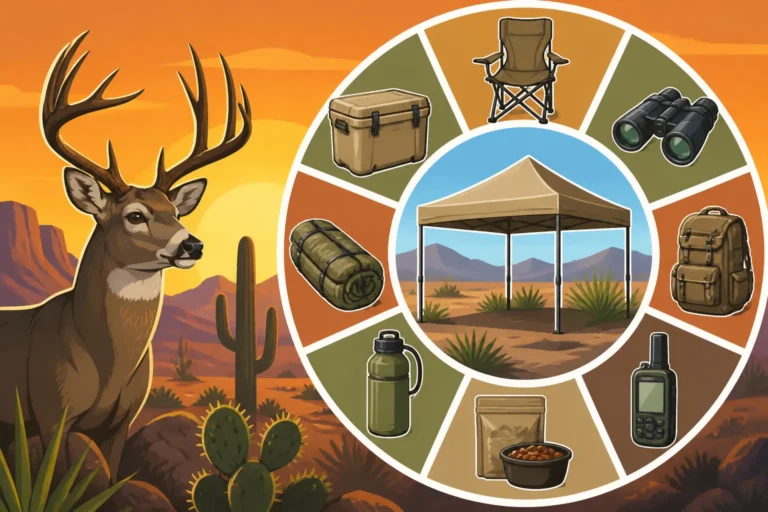
Lastly, your personal gear—high-quality optics, your rifle and ammunition, hunting clothing appropriate for Arizona's diverse weather, boots, and personal effects—are all expenses you'll incur. While the outfitter provides the hunt, you bring yourself and your personal equipment. It's a good idea to clarify with any potential outfitter precisely what is included and, more importantly, what is not, as outlined in What Outfitter Prices Almost Never Include.
| Category | Typically Included | Typically Excluded |
|---|---|---|
| Pre-Hunt | Consultation, scouting, logistical planning | Application fees, state hunting license, bison tag |
| During Hunt | Guide service, lodging, meals, field transportation, field dressing, caping | Extra hunting days (if desired), alcoholic beverages, specialty snacks |
| Post-Hunt | Initial meat transport from field to processor | Meat processing, taxidermy, shipping meat/trophy, gratuities for staff |
| Personal | Basic camp amenities (e.g., cot, lantern) | Personal gear (optics, rifle, ammo, clothing, boots, backpack), travel to/from Arizona |
Range of Costs and What to Expect
Let's be direct: an Arizona guided bison hunt is a premium experience with a price tag to match. There's no getting around the fact that this is one of the most expensive hunts available in the state, even when compared to other coveted species.
The Broad Spectrum of Bison Hunt Pricing
The financial commitment for a fully guided Arizona bison hunt is substantial, typically falling into the upper end of big game guiding services. While specific numbers fluctuate, you should expect the investment to be considerable, often ranging from many thousands to tens of thousands of dollars depending on the outfitter, the duration, the type of bison (cow vs. trophy bull), and the inclusions. Cow hunts, particularly those focused on herd management, might be on the lower end of that scale. Trophy bull hunts, often requiring extensive scouting, specialized equipment, and a higher guide-to-hunter ratio, will naturally command the highest prices. Remember, this figure is on top of your Arizona hunting license and bison tag fee. This is an investment not just in harvesting an animal, but in a rare, challenging, and deeply memorable experience that few hunters ever get to undertake.
The Value Proposition of a Guide for Bison
Given the high cost, why is a guide almost universally recommended, and often considered essential, for an Arizona bison hunt? The value proposition is immense, especially for an animal of this size and in this challenging terrain.
First, expert knowledge of the unit and bison behavior is invaluable. Bison are powerful, elusive, and their movements can be unpredictable. Guides spend countless hours scouting, understanding water sources, feeding patterns, and bedding areas specific to the Kaibab or House Rock herds. They know the subtle signs of bison presence and how to approach these intelligent animals safely and effectively.
Second, logistical mastery is paramount. A downed bison is an enormous animal, often weighing well over a thousand pounds, and they frequently inhabit very rugged, remote country. Retrieving that much meat and a hide from a steep canyon or a deep ravine requires specialized equipment like winches, pack animals, or heavy-duty vehicles, as well as a team of experienced individuals. Without a guide, a hunter could face an impossible task, risking spoilage or physical injury. This is a primary reason why a guide is so critical for this particular species, truly highlighting When an Arizona Hunt Really Needs a Guide.
Third, safety and efficiency. Hunting bison can be dangerous. They are powerful animals that can be aggressive, especially if wounded or cornered. An experienced guide prioritizes your safety and ensures the hunt is conducted ethically and efficiently, maximizing your chances of success while minimizing risks. Furthermore, a guide can save you days, if not weeks, of scouting and trial-and-error in unfamiliar territory, such as Getting to Unit 9 North of the Grand Canyon on the Kaibab Plateau.
Planning Your Budget and Asking the Right Questions
Approaching a guided Arizona bison hunt requires meticulous financial planning. It's not enough to simply ask for the "total price"; you need to understand every line item and potential hidden cost.
Start by creating a detailed budget spreadsheet, categorizing everything from your state hunting license and tag fees to travel, guide services, meat processing, taxidermy, and tips. Be realistic about each category.
When communicating with potential outfitters, be direct and comprehensive with your questions. Don't be shy about discussing money. Ask:
- What is the exact total cost of the guided hunt, including the guide fee, lodging, and meals?
- What is specifically included and excluded in that price? Get it in writing.
- Are there any additional fees I should anticipate, such as trophy fees (if applicable), extra days, or specialized equipment charges?
- What are the estimated costs for meat processing, taxidermy, and shipping the meat/trophy? Do they have recommended local services?
- What is their policy on gratuities for guides and camp staff? What is the typical range?
- What happens if I don't draw a tag after booking? What is their refund or deferral policy? This is extremely important, given the difficulty of drawing a bison tag.
- How many hunting days are included, and what does a typical day look like?
- What are the physical demands of the hunt, and what level of conditioning is expected?
These detailed questions, similar to those outlined in Questions Worth Asking Before You Book, will help you fully understand the financial landscape and avoid any unpleasant surprises down the road. It's an investment, so treat it with the due diligence it deserves, including properly Vetting an Arizona Outfitter Before You Send a Deposit.
Securing Your Hunt: Deposits, Contracts, and Timing
The process of booking a guided Arizona bison hunt is as unique as the hunt itself, largely due to the challenging nature of drawing one of these highly coveted tags. Understanding the timing, financial commitments, and contingencies is crucial.
Deposits and Payment Schedules
Outfitters operating these high-demand hunts typically require a substantial deposit to secure your spot. This deposit can represent a significant percentage of the total hunt cost, often thousands of dollars. It's important to understand that these deposits are frequently non-refundable, especially if the cancellation is on your end and not due to a failed draw.
Payment schedules vary, but a common approach involves an initial deposit upon booking, a second payment closer to the hunt date (or after a successful draw), and the final balance due just before or upon arrival in camp. Always read the outfitter's contract thoroughly to understand their specific terms regarding deposits, payment deadlines, and what happens in various scenarios. This contract is your primary protection and clarifies the mutual obligations. Knowing Typical Deposit Amounts Arizona Outfitters Ask can help you prepare for this initial financial commitment.
The Importance of Booking Ahead and Draw Contingencies
Because Arizona bison tags are so incredibly difficult to draw, many hunters will book a guided hunt with an outfitter before they've actually drawn the tag. This might seem counterintuitive, but it's a common strategy to ensure that if you do draw, you have an experienced outfitter ready to go. Outfitters, in turn, manage their bookings based on the anticipation of clients drawing tags.
This leads to the critical discussion of draw contingencies. What happens if you book a hunt and then fail to draw a bison tag? Outfitters have different policies:
- Full Refund: Some outfitters will offer a full refund of your deposit if you fail to draw the tag.
- Partial Refund/Credit: Others might offer a partial refund or apply your deposit as a credit towards a future hunt or another species.
- Non-Refundable with Rollover: Some might make the deposit non-refundable but allow you to roll it over to the next year's draw, continuing to accumulate points with them until you're successful.
It is absolutely essential to clarify this policy before you put down any money. This conversation needs to happen upfront. You need to know if you're comfortable with the risk involved. Understanding how outfitters handle situations when you fail to draw is as important as understanding the hunt itself, especially since many outfitters require you to Book Before Arizona Draw Results Land.
Researching Outfitters for a Bison Hunt
Finding the right outfitter for a hunt of this magnitude requires thorough research. You're not just looking for any guide; you need one with proven experience specifically with Arizona bison in the units you're targeting.
Start by looking for outfitters who explicitly advertise guided Arizona bison hunts. Check their websites, social media, and look for their presence on reputable hunting booking platforms like BookYourHunt. These platforms often provide detailed outfitter profiles, photos, and client testimonials. Resources like GoHunt can also offer insights into outfitter performance and strategies for drawing tags.
Beyond online research, ask for references. Speak to past clients, especially those who have hunted bison with the outfitter. Ask about their overall experience, the guide's knowledge, the quality of the camp, the food, and how logistics were handled. Inquire specifically about their success rates on bison and how they handle the retrieval of such a large animal.
Look for outfitters who are well-established, properly licensed, and carry the necessary permits to operate on public lands in Arizona. You can often verify an outfitter's standing and licensing through the state's regulatory bodies, as detailed in guides like How to Check an Outfitter's Standing. A strong reputation, clear communication, and a comprehensive contract are all hallmarks of a reliable outfitter for your Arizona bison adventure.
Disclaimer
This article is for general informational purposes only and does not constitute professional advice. Laws, prices and regulations vary by location and change over time. Consult a qualified professional for guidance on your specific situation.