What a Drop Camp Actually Includes
So, you're dreaming of a truly wild Arizona hunt, away from the roads and the crowds, but the thought of packing a full camp on your back into the backcountry for miles and then trying to haul out an elk all by yourself feels a bit daunting, right? It's a common dilemma. Many hunters hear "drop camp" and wonder if it's the perfect middle ground between a fully guided experience and a hardcore do-it-yourself slog. This guide is going to walk you through exactly what a drop camp typically entails, especially when you're looking at hunting the vast, rugged landscapes of Arizona, helping you decide if it's the right fit for your next adventure.
Understanding the Core Concept of a Drop Camp in Arizona
Let's cut right to it: a drop camp is a fantastic hybrid option for hunters who want to experience the deep backcountry of Arizona without the full logistical burden of a completely unassisted DIY hunt. Think of it as a wilderness Uber, but instead of taking you to the airport, it takes you, your gear, and sometimes a pre-set camp into areas that are often miles from the nearest road, usually accessible only by horse, mule, or sometimes even ATV over rough terrain. In a state like Arizona, with its sprawling national forests, BLM lands, and challenging topography, these remote locations can be absolute game-rich paradises, but they are incredibly difficult to reach and even harder to extract from, especially with a downed animal.
The fundamental idea is that an outfitter or packer will "drop" you and your provisions at a pre-arranged, often established campsite, and then pick you up at a later date. They handle the heavy lifting of getting you deep into the country and, critically, getting your harvest out. This leaves you, the hunter, free to focus solely on hunting during your time in the field. It’s a significant step up in independence from a fully guided hunt, where a guide is with you every step of the way, but it offers crucial logistical support that can be a game-changer when you're targeting big game in places like Arizona's Mogollon Rim for elk or the remote Sky Islands for Coues deer. It allows you to feel the true wilderness experience without breaking your back, or worse, leaving a hard-earned animal to spoil because you couldn't get it out.
The beauty of the Arizona landscape, from the ponderosa pine forests to the rugged desert mountains, often means that the best hunting can be found far from paved roads. A drop camp makes these areas accessible to more hunters, turning what might otherwise be an impossible dream into a tangible opportunity. You get to wake up to the sounds of the wilderness, far from any highway noise, and truly immerse yourself in the hunt.
Typical Inclusions You Can Expect in an Arizona Drop Camp
When you sign up for a drop camp in Arizona, you're essentially buying a package of logistical support that targets the biggest challenges of remote hunting. While offerings can vary between outfitters, there's a general framework of what you should expect to be included. Understanding these core services is vital for comparing options and ensuring you're getting what you need for your particular Arizona adventure.
Transportation to and from the Campsite
This is arguably the most valuable component of any drop camp service. Your outfitter will provide the means to get you and your gear into the designated campsite, which could be anywhere from a few miles to a dozen or more miles from the nearest vehicle access point. In Arizona's rugged terrain, this most often means horses or mules, especially if you're heading into designated wilderness areas where motorized vehicles are prohibited. Imagine packing a week's worth of food, water, and hunting equipment into a remote unit like those found in the Apache-Sitgreaves National Forest or deep within the Coconino, a task that would be physically exhausting and time-consuming on foot. The outfitter handles this, saving you immense effort before your hunt even begins. They'll also be there at the agreed-upon time to pack you and any harvested game back out. It's a lifeline for getting into prime, unpressured areas that most road hunters simply cannot reach.
Pre-Set Camp with Essential Gear
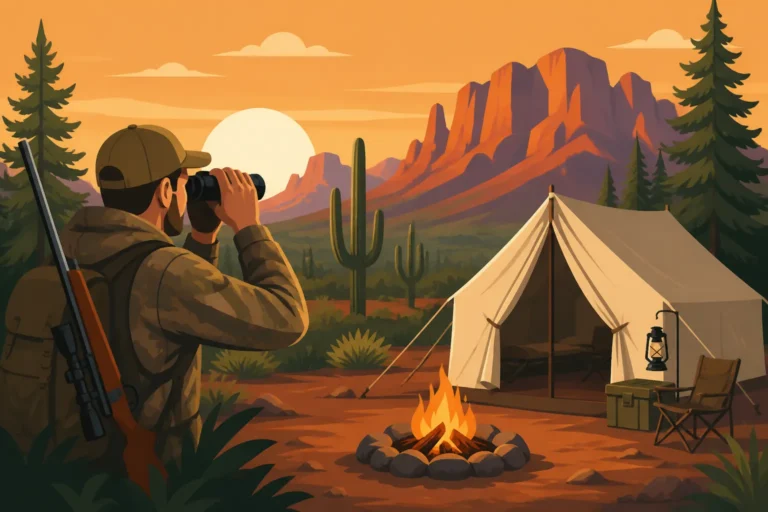
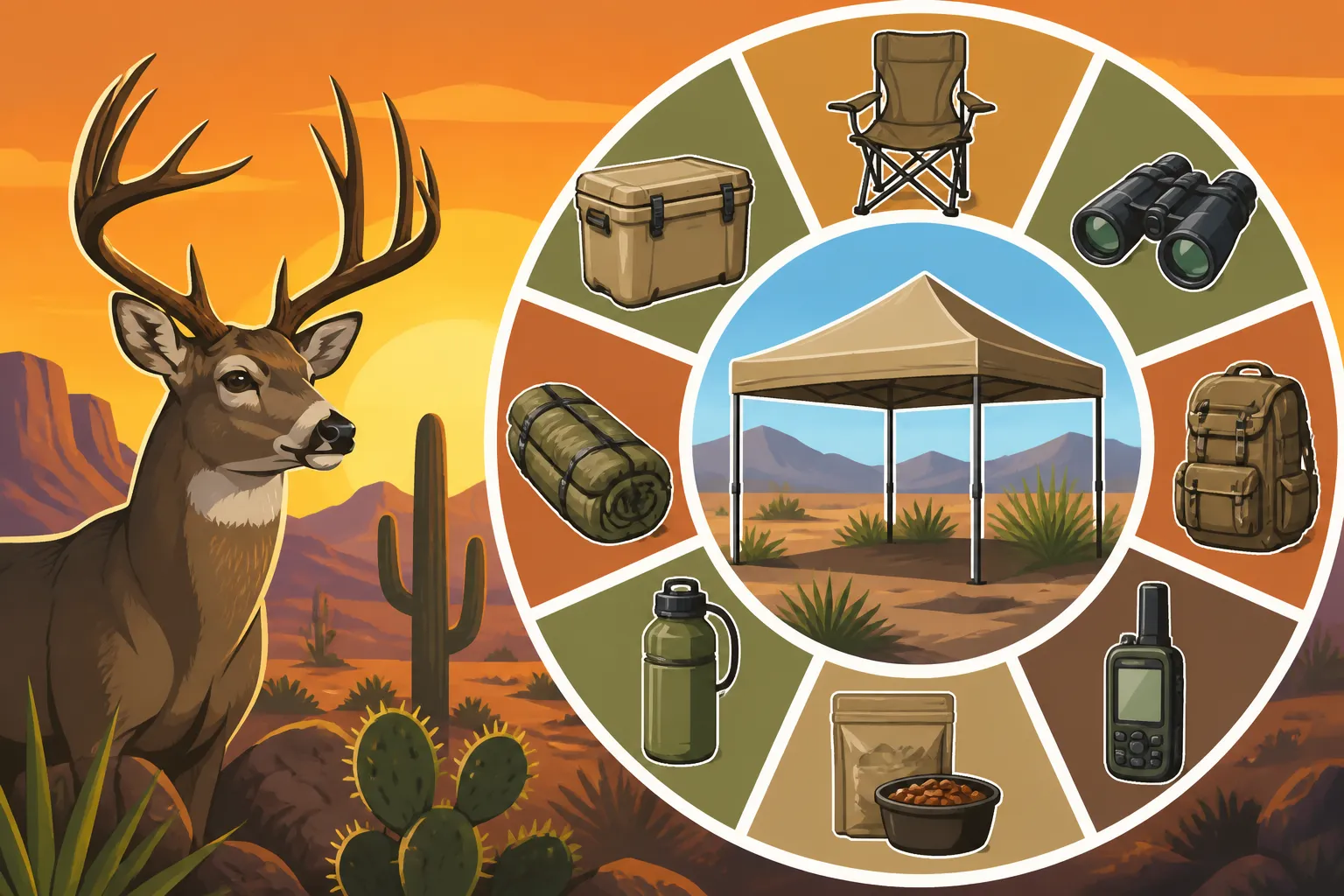
Another significant inclusion is the actual campsite. The outfitter will typically have a camp already set up and ready for your arrival. This means you won't be spending your precious hunting time pitching tents or setting up a kitchen. A standard Arizona drop camp usually includes a wall tent or robust canvas tent, large enough to comfortably accommodate your group. Inside, you'll often find basic sleeping arrangements like cots, a wood stove for heat (critical for high-country elk hunts in September or late-season deer hunts), and a rudimentary kitchen setup. The kitchen usually includes a cooking stove with fuel, pots, pans, utensils, and a wash basin. Some outfits might even provide a table and chairs. These are functional setups, designed for utility and durability in the backcountry, not luxury glamping. They offer shelter from Arizona's intense sun, unpredictable monsoons, and chilly nights, allowing you to focus on rest and recovery after long days afield. It’s worth clarifying with the outfitter if specific items like sleeping pads or chairs are included, or if you should plan to bring your own. You can often find outfitters detailing their typical camp setups when searching on platforms like BookYourHunt.
Game Retrieval Assistance
This is another huge benefit, especially when chasing large game like elk or big mule deer in challenging Arizona terrain. When you successfully harvest an animal, the outfitter will return to help you pack it out. This usually involves quartering the animal at the kill site (a task you are typically responsible for) and then the outfitter's pack string hauling the meat, cape, and antlers back to the trailhead. Having this service lined up beforehand can alleviate a tremendous amount of stress and physical exertion. Hauling an entire elk out of a steep canyon or through dense scrub is a monumental undertaking for even a fit hunter, let alone a small group. With this inclusion, you know your hard-won trophy and valuable meat won't go to waste due to logistical challenges. The specific arrangements for contacting the outfitter for game retrieval, such as satellite phone communication or pre-arranged check-ins, should be clearly understood before you head into the field. This also ties into being physically prepared yourself; while they haul, you'll likely still be involved in the initial field dressing and getting the animal to an accessible spot.
What a Drop Camp Usually Doesn't Provide (and Why it Matters)
While drop camps offer excellent logistical support, it's crucial to understand what they don't include. Misconceptions here can lead to a less-than-ideal, or even dangerous, hunting experience. A drop camp maintains a significant level of hunter independence, meaning many responsibilities still fall squarely on your shoulders. This self-reliance is part of the appeal for many, but it requires thorough preparation.
Personal Consumables: Food, Water, and Hunting Gear
This is perhaps the biggest area where drop camps differ from fully guided hunts. You are responsible for all your personal consumables. This means planning, purchasing, and packing all your food, snacks, drinks, and any specialized dietary needs for the entire duration of your hunt. While the outfitter provides the cooking stove and basic utensils, the groceries are yours to supply. For water, some camps might be near a natural, filterable source, but often, you'll need to calculate and bring a substantial amount of potable water, or at least the means to purify it. Arizona's arid environment means water sources can be few and far between, and relying solely on what might be there can be a recipe for disaster.
Beyond food and water, all your personal hunting gear, optics, weapon, ammunition, clothing, sleeping bag, and personal hygiene items are your responsibility. This also includes essential safety items like a first-aid kit, navigation tools (GPS, maps, compass), and a reliable communication device. Platforms like GoHunt often have gear lists and articles that can help you prepare for these self-sufficient aspects of a backcountry hunt, whether you're heading to the high country for elk or chasing mule deer in the desert.
Active Guiding, Scouting, and Field Work
A drop camp outfitter is a logistics provider, not a guide. They will get you into the general hunting area and may offer some general advice about the terrain or recent animal activity. However, they will not be hunting with you. This means you are entirely responsible for your own scouting, tracking, calling, and decision-making in the field. You need to know how to read sign, navigate the unit, assess animal behavior, and execute a stalk or call setup independently. If you're new to a unit, extensive pre-hunt E-Scouting an Arizona Unit Before the Season is critical.
Furthermore, while they assist with game retrieval, the initial field dressing, quartering, caping, and any necessary boning are typically your responsibility. You need to be proficient in these tasks, especially under potentially strenuous conditions and time pressure, to ensure the meat is handled properly. This level of self-sufficiency demands a competent and experienced hunter or a group of hunters with complementary skills.
Licenses, Tags, and Hunting Compliance
Just like any other hunt, obtaining your Arizona hunting license and the appropriate tags is entirely your responsibility. The outfitter will not provide these, nor are they typically involved in the application process. You must ensure you have all the necessary permits and adhere to all Arizona Game and Fish Department regulations, including legal shooting hours, blaze orange requirements (if applicable), and any unit-specific rules. The outfitter's role is purely transport and camp setup; the legality and ethics of your hunt fall solely on you. It's a good idea to research The Arizona Loyalty Point for Five Straight Years or Arizona Caps Nonresidents at Ten Percent of Every Hunt if you're thinking about applying for a premium tag.
Key Considerations for Booking an Arizona Drop Camp
Deciding if a drop camp is the right move for your Arizona hunt involves more than just checking off what's included. It requires an honest assessment of your skills, your group's capabilities, and your budget. This type of hunt offers incredible rewards, but it demands a certain level of preparedness and understanding.
Assessing Your Hunting Skills and Physical Condition
Because a drop camp leaves the actual hunting to you, your group needs to be competent, experienced hunters. You should be comfortable with navigation, tracking, calling, and field dressing big game. Arizona's terrain is notoriously rugged and unforgiving, whether you're in the steep, rocky "sky islands" chasing Coues deer or climbing canyons in elk country. This isn't a hunt for beginners to the backcountry. You must also be in excellent physical condition. Long days of hiking at elevation, often in extreme heat or cold, carrying a heavy pack, and potentially quartering an animal in difficult terrain demand significant endurance. Don't underestimate the physical toll; it's a major factor in success and safety. Many hunters focus on Physical Conditioning for a Sky Island Hunt months before their trip.
Budgeting for a Drop Camp: Cost vs. Value
While a drop camp is generally less expensive than a fully guided hunt, it's a significant investment compared to a pure DIY hunt. You're paying for the outfitter's expertise in navigating remote areas, their livestock, their equipment, and their time. The cost will vary based on the duration of the hunt, the distance to the camp, the number of hunters, and the type of game. Always get a clear breakdown of what's included and what's extra. Remember to factor in the cost of your license, tag, travel, food, and personal gear. Sometimes, an outfitter might offer additional services for an extra fee, such as packing in more water or providing a satellite phone rental. It's important to understand What an Arizona Drop Camp Costs and compare it against your overall budget.
Communication and Emergency Preparedness
Once dropped off, you are on your own. This makes reliable communication and a solid emergency plan paramount. Outfitters will typically have a pre-arranged schedule for check-ins or pick-up, but unforeseen circumstances can arise. A satellite communication device (like an inReach or SPOT) is absolutely essential. This allows you to signal for help in an emergency or communicate with the outfitter if your plans change or you need an early pick-up for game retrieval. Ensure everyone in your group knows how to use it. Discuss the outfitter's emergency protocols before the hunt. What happens if someone gets injured? What's the plan for severe weather? Understanding Satellite Communication From a Hunting Camp is not just a good idea, it's a non-negotiable safety measure in Arizona's remote units.
Here's a quick comparison of what you generally get and don't get with a typical Arizona drop camp:
| Feature | Typically Included | Typically NOT Included |
|---|---|---|
| Transportation | Horse/Mule pack-in/pack-out for hunters & gear | Vehicle access to camp |
| Campsite | Pre-set wall tent, cots, wood stove, basic kitchen | Luxury amenities, personal sleeping bags/pads |
| Game Retrieval | Pack-out of harvested game (meat, cape, antlers) | Field dressing, quartering, boning at kill site |
| Food & Water | Pack-in/pack-out of your food/water supply | Provision of food, snacks, drinks, water |
| Hunting Guidance | General area advice, maybe recent activity updates | Active guiding, tracking, calling, decision-making |
| Gear | Basic camp infrastructure (stove, pots, pans) | Personal hunting gear, optics, weapon, clothing |
| Licensing/Permits | None | Purchase of hunting license, tag, special permits |
| Camp Chores | None | Cooking, cleaning, firewood gathering, camp maintenance |
| Emergency Services | Pre-arranged pickup, emergency contact info for outfitter | Immediate medical care, search & rescue |
Choosing a drop camp means embracing a challenging yet incredibly rewarding hunting experience. It's for the hunter who cherishes independence but respects the wisdom and logistical might of an experienced outfitter in getting them to where the wild things truly roam in Arizona. When researching outfits, looking at reputable booking sites like BookYourHunt or asking for references from past clients can help ensure you find a reliable operation. Also, don't forget to ask about their specific policies regarding Deposits and Cancellation Terms in Arizona, as these can vary widely.
Disclaimer
This article is for general informational purposes only and does not constitute professional advice. Laws, prices and regulations vary by location and change over time. Consult a qualified professional for guidance on your specific situation.