What a Two-on-One Guided Hunt Means
Venturing into the Arizona backcountry for a big game hunt is often a dream for many, but the practicalities of making that dream a reality can be daunting. One common question that pops up when hunters start looking at guided options, especially when trying to balance cost with experience, is "What exactly does a two-on-one guided hunt entail?" It's a setup that can offer unique benefits, but it also comes with its own set of considerations that every hunter should understand before committing their time and hard-earned money. This guide will dive deep into the meaning and nuances of a two-on-one guided hunt, helping you decide if it's the right fit for your Arizona adventure.
Understanding the Two-on-One Guided Hunt Dynamic
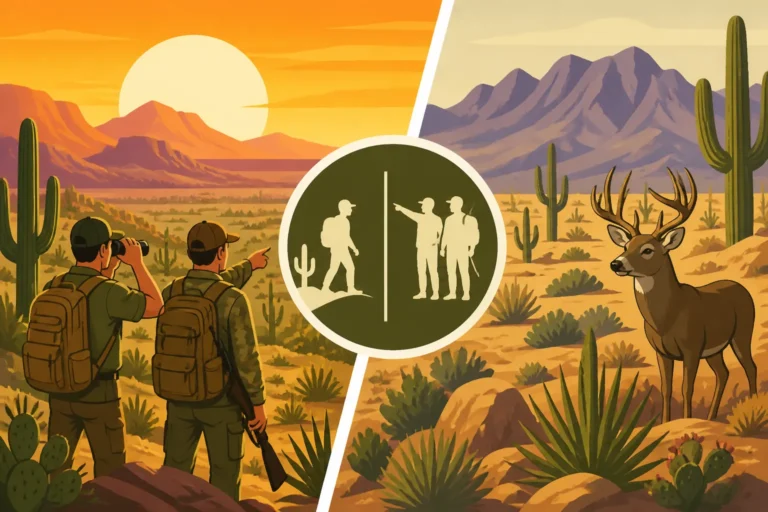
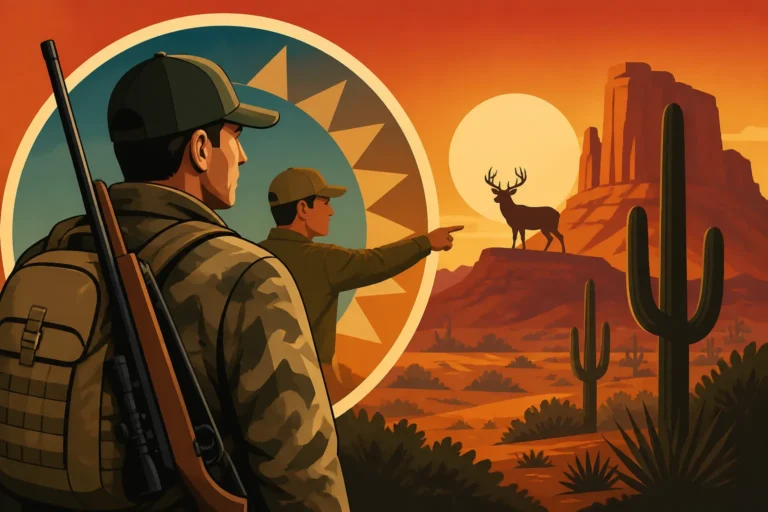
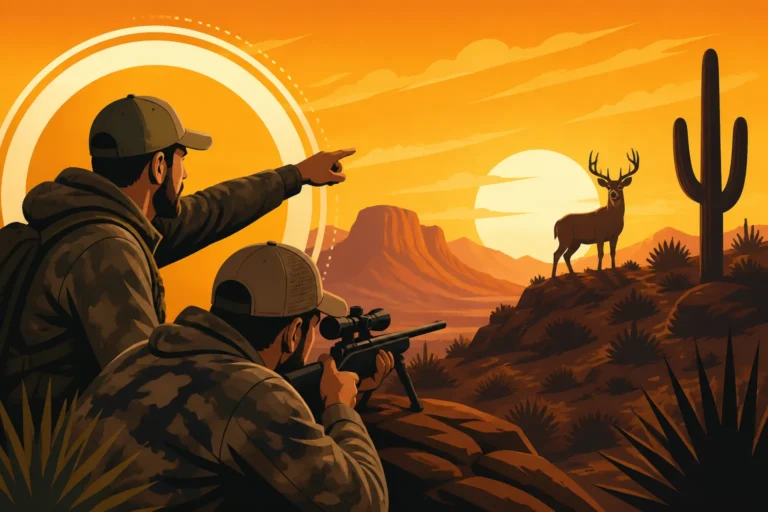
At its core, a two-on-one guided hunt means that one professional hunting guide is responsible for two clients simultaneously. This isn't a complex equation, but its implications for the actual hunting experience are significant. Unlike a one-on-one setup where you have the guide's undivided attention, or a larger group hunt where multiple guides might be involved, the two-on-one creates a distinct dynamic. Both clients are essentially sharing the guide's expertise, time, and attention in the field.
Think of it like this: if you're stalking a Coues deer in the Sky Islands or calling for elk on the Mogollon Rim, that guide is managing the approach for both of you. This means they are spotting, strategizing, and moving with two individuals in mind, which inherently changes the pace and decision-making process. The guide has to consider the capabilities, physical conditioning, and preferences of two hunters, often trying to orchestrate an opportunity that suits both. This setup is a cornerstone of the guiding industry, balancing the personalized attention of a private guide with a more accessible price point.
The Guide's Perspective in a Two-on-One Setting
From a guide's standpoint, managing a two-on-one hunt is a balancing act. They are constantly assessing the terrain, the animals, and the abilities of their two clients. Imagine a guide glassing a distant mule deer buck on the Kaibab. Instead of just focusing on getting one client into position for a shot, they now need to consider how to maneuver two hunters, potentially with different shooting skills or physical stamina, to the same spot without compromising the stalk. It requires excellent communication, strategic planning, and often, a bit of psychological juggling to ensure both clients feel engaged and have a fair opportunity.
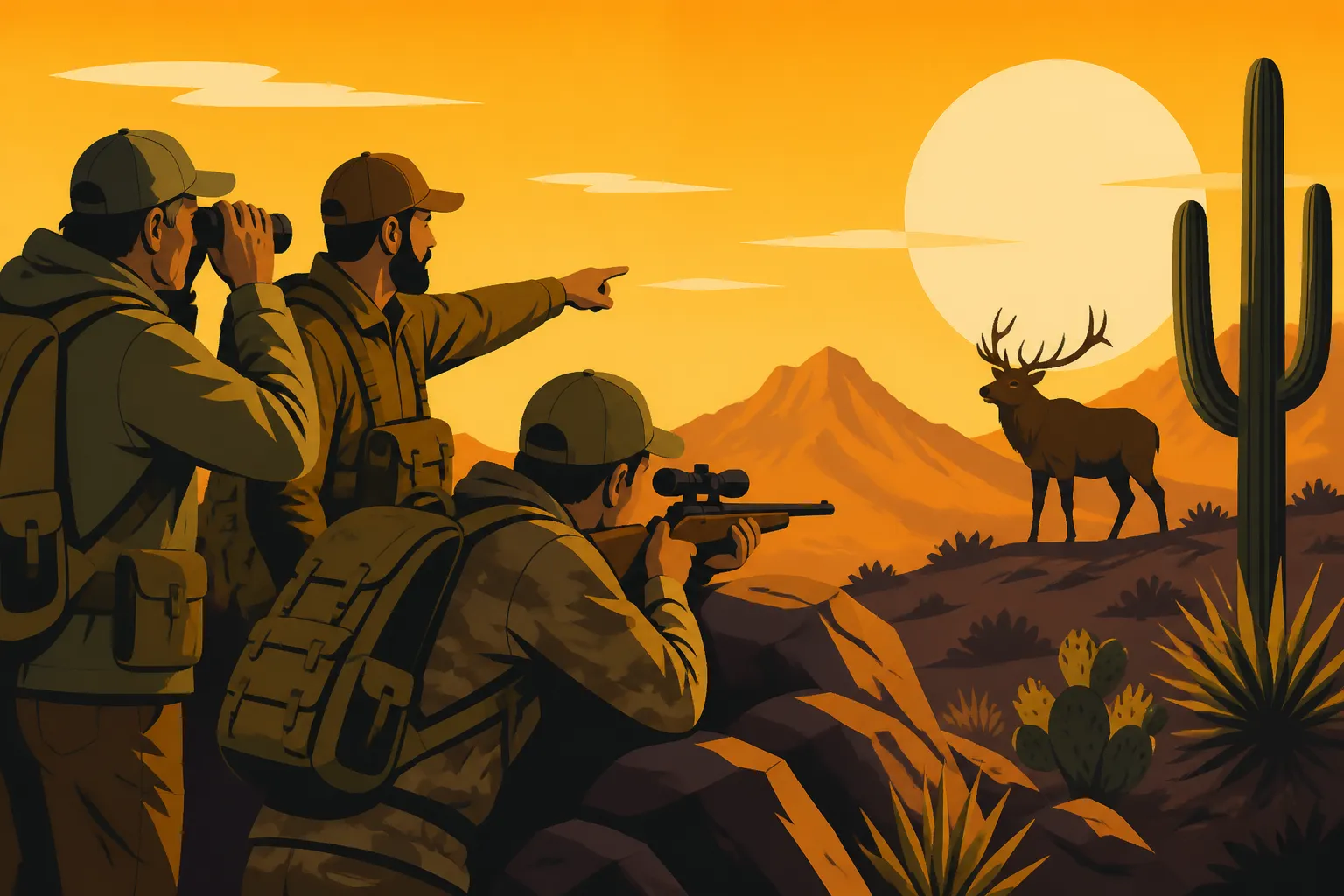
The guide might split their attention between two sets of binoculars, or they might put one client in an advantageous position while they work with the other. In calling scenarios for elk, for example, one hunter might be set up for the shot while the other is positioned to watch the approach or even help with calling. It’s a delicate dance, and the most skilled guides are adept at making both hunters feel like they are getting the full experience, even when their attention is inherently divided. This makes Vetting an Arizona Outfitter Before You Send a Deposit all the more important for these types of hunts.
The Client's Experience Sharing a Guide
For the client, a two-on-one hunt is a shared experience. You'll be spending a lot of time with your fellow hunter, sharing meals, camp stories, and the anxieties and excitements of the hunt itself. This can be a fantastic way to forge new friendships and learn from another hunter’s perspective. You'll likely see the same animals, stalk the same ridges, and experience the same successes or frustrations together.
However, it also means that you won't always be the priority. There might be times when your partner gets the first opportunity, or when the guide needs to dedicate more time to them due to a specific need. For example, if one hunter needs extra assistance with a tricky shot setup or has a physical limitation, the guide's focus will naturally shift. Understanding this shared dynamic and having realistic expectations is crucial for a positive experience. It truly emphasizes the "two-on-one" nature – you are one of two, not the sole focus.
The Advantages and Disadvantages of a Two-on-One Setup
Like any hunting arrangement, the two-on-one guided hunt comes with its own set of pros and cons. Weighing these carefully against your personal hunting style, budget, and expectations will help you determine if this option is suitable for your next Arizona adventure, whether it's for javelina in the desert or a coveted elk tag.
The Upsides: Cost Savings, Camaraderie, and Learning
The most immediate and often most appealing advantage of a two-on-one hunt is the cost savings. Hiring a guide individually for a one-on-one experience is almost always more expensive. By splitting the guide's fee with another hunter, you significantly reduce your personal financial outlay, making guided hunts, especially for highly sought-after species like Arizona elk, more accessible. This financial aspect is a major draw for many who dream of a guided hunt but are conscious of the overall expenses.
Beyond the monetary benefits, a two-on-one hunt fosters camaraderie. You’re sharing an intense, memorable experience with another person, often a friend, family member, or sometimes even a new acquaintance. This shared journey can lead to lasting friendships, shared stories, and the unique bond that only comes from navigating the challenges of a hunt together. Having someone to debrief with at the end of a long day, share a laugh with, or simply offer support can greatly enhance the overall experience.
Furthermore, it can be a fantastic learning opportunity. You get to observe not only your guide's tactics and decision-making but also how another hunter operates in the field. You might pick up new glassing techniques for Coues deer, learn different approaches to reading wind, or gain insights into shot placement that you wouldn't get if you were the sole focus. Two sets of eyes and ears, even if one is a fellow client, can also increase the chances of spotting game. Imagine Glassing Arizona's Sky Islands for Coues Deer with two sets of eyes working, even if one is a fellow hunter.
The Downsides: Divided Attention and Potential Compromises
However, the nature of a two-on-one hunt inherently involves divided attention from your guide. The guide cannot be in two places at once, and their focus will inevitably shift between you and your hunting partner. This can mean less personalized instruction, slower decision-making during critical moments, or fewer opportunities tailored precisely to your preferences. If you're a newer hunter seeking intensive, one-on-one mentorship, a two-on-one might feel less fulfilling.
Another significant drawback is the potential for compromises. This is especially true when an animal is spotted. Who gets the first shot opportunity? What if one hunter is a bowhunter and the other is a rifle hunter, and the animal is just out of bow range? The guide will have to make a call, and sometimes that means one hunter might feel like they missed out. Successful two-on-one hunts rely heavily on both clients having a clear understanding and agreement beforehand on how opportunities will be handled, and a willingness to be flexible. This is a crucial conversation to have with your hunting partner and your guide well before the hunt begins.
Finally, the pace of the hunt can be affected. The guide must account for the physical capabilities of two individuals. If one hunter is slower, less experienced, or has different expectations for the hunt's intensity, it can impact the speed and range of scouting or stalking. This might limit how much ground you can cover in a day or how quickly you can react to a fleeting opportunity.
| Aspect | One-on-One Guided Hunt | Two-on-One Guided Hunt | Three-on-One Guided Hunt (or more) |
|---|---|---|---|
| Guide-to-Client Ratio | 1 guide per 1 client | 1 guide per 2 clients | 1 guide per 3+ clients (or multiple guides for larger groups) |
| Attention Level | Undivided, highly personalized | Divided, shared attention | Significantly divided, minimal individual attention |
| Cost per Client | Highest | Moderate, significantly lower than 1-on-1 | Lowest |
| Flexibility/Pace | Most flexible, tailored to one hunter's pace/skills | Moderate flexibility, pace often dictated by the slower hunter | Least flexible, pace set for the group, potential for significant waits |
| Shot Opportunity | Dedicated to single client | Shared, requires pre-agreed rules and compromise | Shared, high chance of missed opportunities for individuals |
| Camaraderie | Limited to guide/client bond | Strong potential for bonding with hunting partner | Strong group dynamic, but individual voices can be lost |
| Learning | Direct, personalized instruction | Shared observation of guide and partner | General guidance, less direct instruction |
| Ideal For | First-time hunters, specific trophy goals, maximum control | Friends/family, budget-conscious, cooperative individuals | Casual hunting, very tight budget, large groups where individual success is secondary |
What to Expect from Your Arizona Two-on-One Guided Hunt
When you book a two-on-one guided hunt in Arizona, whether it's through a service like BookYourHunt or by directly contacting an outfitter, it's important to set realistic expectations. This isn't just about sharing a tent or a truck seat; it's about sharing the entire hunting experience, from the pre-dawn drive to the post-mortem field dressing. A well-prepared hunter understands these dynamics and can proactively contribute to a positive outcome for all involved.
Expect your guide to facilitate the hunt with both of you in mind. This means they will likely position both hunters for observation when glassing, or try to get both of you within reasonable range of a spotted animal. They might assign specific roles during a stalk, such as one person focusing on quiet movement while the other prepares for a shot. Communication from the guide will be frequent, but it will be directed at both of you, requiring good listening skills and cooperation.
Planning and Communication are Key
The success of a two-on-one hunt hinges significantly on good planning and open communication, both with your hunting partner and with your guide. Before you even set foot in Arizona, you and your partner should discuss your individual goals and expectations. Are you both looking for any legal animal, or does one of you have a specific trophy in mind? How will you decide who gets the first shot opportunity if an animal presents itself to both? Will you alternate days, or will the guide make the call based on the situation? Addressing these potentially sensitive topics upfront can prevent friction in the field when emotions and adrenaline are high.
It's also vital to communicate your physical capabilities, hunting experience, and any specific preferences to your guide. Don't be shy about asking Questions Worth Asking Before You Book. If one of you struggles with steep inclines or needs more time to settle a shot, the guide needs to know this to plan accordingly. Similarly, if one of you prefers still-hunting over glassing, mentioning this can help the guide tailor the experience, even if it's a compromise between two preferences. Outfitters like those found on GoHunt often appreciate this upfront honesty, as it allows them to better prepare and manage client expectations.
Sharing Opportunities and Experiences
In a two-on-one scenario, sharing is the name of the game. This doesn't just apply to shot opportunities but to all aspects of the hunt. You might share optics, snacks, and even the excitement of a close call. When an animal is sighted, the guide will often try to put both hunters in a position to take a shot, if possible. However, given the unpredictable nature of hunting, this isn't always feasible. One hunter might have a clearer lane, or the animal might be positioned such that only one person can get a safe, ethical shot.
This is where your pre-hunt discussion with your partner becomes critical. Some pairs decide to flip a coin, others alternate days or even specific species. For instance, if you're on a combo hunt, one person might target deer first while the other focuses on javelina. The most important thing is that both parties respect the decision and support each other, regardless of who gets the opportunity. Remember, the ultimate goal is often a successful and enjoyable hunt for both clients. The focus should be on celebrating shared successes, not on individual disappointments.
Camp Life and Teamwork
Camp life in a two-on-one hunt is also a shared venture. You'll likely be sharing accommodations, meals, and downtime. This can be a fantastic opportunity to bond, tell stories, and recap the day's events. However, it also means being considerate of your partner's needs and preferences. Are they an early riser? Do they need quiet time after a long day? Just like in the field, teamwork and mutual respect go a long way in making the camp experience positive.
Many outfitters in Arizona pride themselves on comfortable Arizona Outfitter Lodging Standards in Camp, but even the nicest camp requires some degree of cooperation. You might take turns helping with chores, packing gear, or just generally being a good campmate. A guide deeply appreciates clients who work together harmoniously, as it makes their job easier and contributes to a smoother, more enjoyable atmosphere for everyone. It's a team effort, and when both hunters contribute positively, the entire experience benefits.
Making Your Two-on-One Hunt a Success in Arizona
Successfully navigating a two-on-one guided hunt in Arizona isn't just about drawing a great tag or finding a reputable outfitter. It's about how you approach the experience with your partner and your guide. By understanding the nuances and taking proactive steps, you can significantly increase your chances of having a memorable and rewarding hunt.
Choosing Your Hunting Partner Wisely
If you have the luxury of choosing your hunting partner, pick someone with whom you have good chemistry and compatible hunting styles. A friend or family member who shares similar physical capabilities, ethical values, and expectations for the hunt is an ideal choice. Discussing these aspects thoroughly beforehand can prevent conflicts in the field. If you're both equally enthusiastic about hunting big Arizona bulls, for example, but one of you is significantly faster or more patient than the other, those differences need to be openly acknowledged and managed.
Sometimes, outfitters will pair up individual hunters who book a two-on-one. In this scenario, it's even more crucial to communicate openly from day one. You might not have chosen each other, but you are now a team. Being flexible, understanding, and respectful of your new partner's preferences and limitations will go a long way towards a harmonious and productive hunt. A quick phone call or video chat before the trip can help break the ice and ensure you both start on the same page.
Preparing Physically and Mentally
Regardless of whether you're hunting solo or with a partner, Physical Conditioning for a Sky Island Hunt is paramount in Arizona. The rugged terrain, often at high elevations or in challenging desert conditions, demands a certain level of fitness. In a two-on-one scenario, however, your physical conditioning directly impacts your partner and guide. If one hunter struggles significantly more than the other, it can slow down the entire operation, potentially costing both hunters opportunities.
Equally important is mental preparation. Understand that not every day will be action-packed, and not every stalk will end in a shot. Patience, perseverance, and a positive attitude are vital. Be prepared for early mornings, long days, and the occasional setback. Going into the hunt with a flexible mindset, ready to adapt to whatever the Arizona wilderness throws your way, will make the experience far more enjoyable for you, your partner, and your guide.
Leveraging Your Guide's Expertise
Even with two clients, your guide's expertise remains your most valuable resource. They've spent countless hours in the field, studying animal behavior, understanding migration patterns, and navigating the specific units you're hunting. Listen intently to their instructions, ask clarifying questions, and trust their judgment. A good guide will explain their strategy and why they are making certain decisions, which benefits both hunters.
When you're sharing a guide, their ability to How Outfitters Scout Before Your Arrival and interpret signs is critical. Pay attention to how they read tracks, wind, and terrain. Observe how they use optics and make decisions. This is your chance to learn from a seasoned professional. While they may not be solely focused on you, absorbing as much knowledge as possible will not only make this hunt better but will also make you a more capable hunter in the future. Remember that while a guide's priority is getting both clients an opportunity, their deep understanding of the local environment is invaluable to both of you.
Disclaimer
This article is for general informational purposes only and does not constitute professional advice. Laws, prices and regulations vary by location and change over time. Consult a qualified professional for guidance on your specific situation.