Arizona Outfitter Lodging Standards in Camp
Heading out on an Arizona hunting adventure with an outfitter can be one of the most exciting experiences, but a common worry often bubbles up for hunters: what exactly will "camp" look like? You've seen the glossy photos online, but the reality of a backcountry spike camp versus a comfortable ranch house can be vastly different, and you definitely don't want to be caught off guard after a long day in the field. This guide is here to pull back the curtain on the various lodging standards you can expect from Arizona outfitters, helping you set realistic expectations and choose the perfect setup for your hunt.
Understanding the Spectrum of Arizona Outfitter Lodging
When you envision a "hunting camp" in Arizona, what comes to mind? For some, it's a cozy cabin with a wood stove; for others, it's a small tent nestled deep in the wilderness, miles from the nearest road. The truth is, Arizona outfitters offer a wide spectrum of lodging options, ranging from incredibly rustic and basic to surprisingly comfortable and well-appointed. It all depends on the type of hunt, the target species, and the outfitter's overall philosophy. It's easy to assume every guided hunt comes with a hot shower and three square meals in a dining tent, but that's often not the case, especially in true wilderness settings.
From Backcountry Spike Camps to Comfortable Base Camps
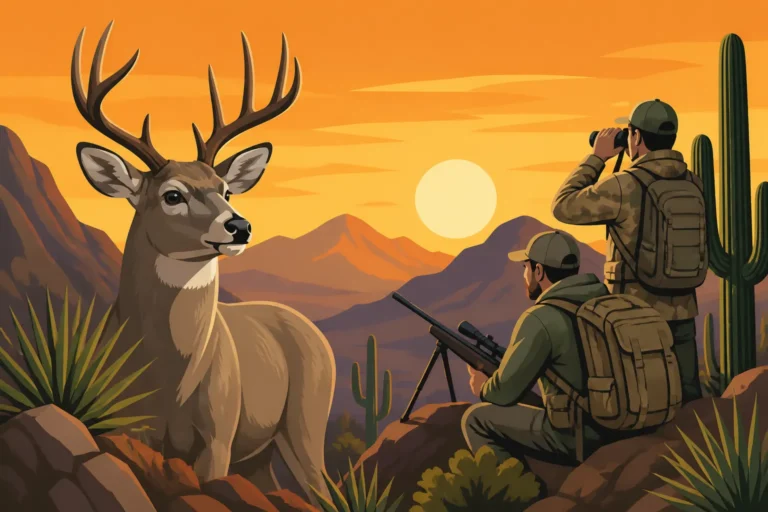
At one end of the spectrum, you have the backcountry spike camps. These are typically minimalist setups, often consisting of lightweight tents, sleeping bags, and basic cooking gear, designed to be mobile and put you right where the game is. If your goal is to chase Coues deer deep in the Galiuro Mountains for Coues Hunters or pack into a remote elk area, a spike camp might be your best bet for maximizing hunting time. The emphasis here is on function and location, not luxury. You're trading creature comforts for proximity to your quarry, often needing to be preparing physically for a Sky Island hunt to handle the demands.
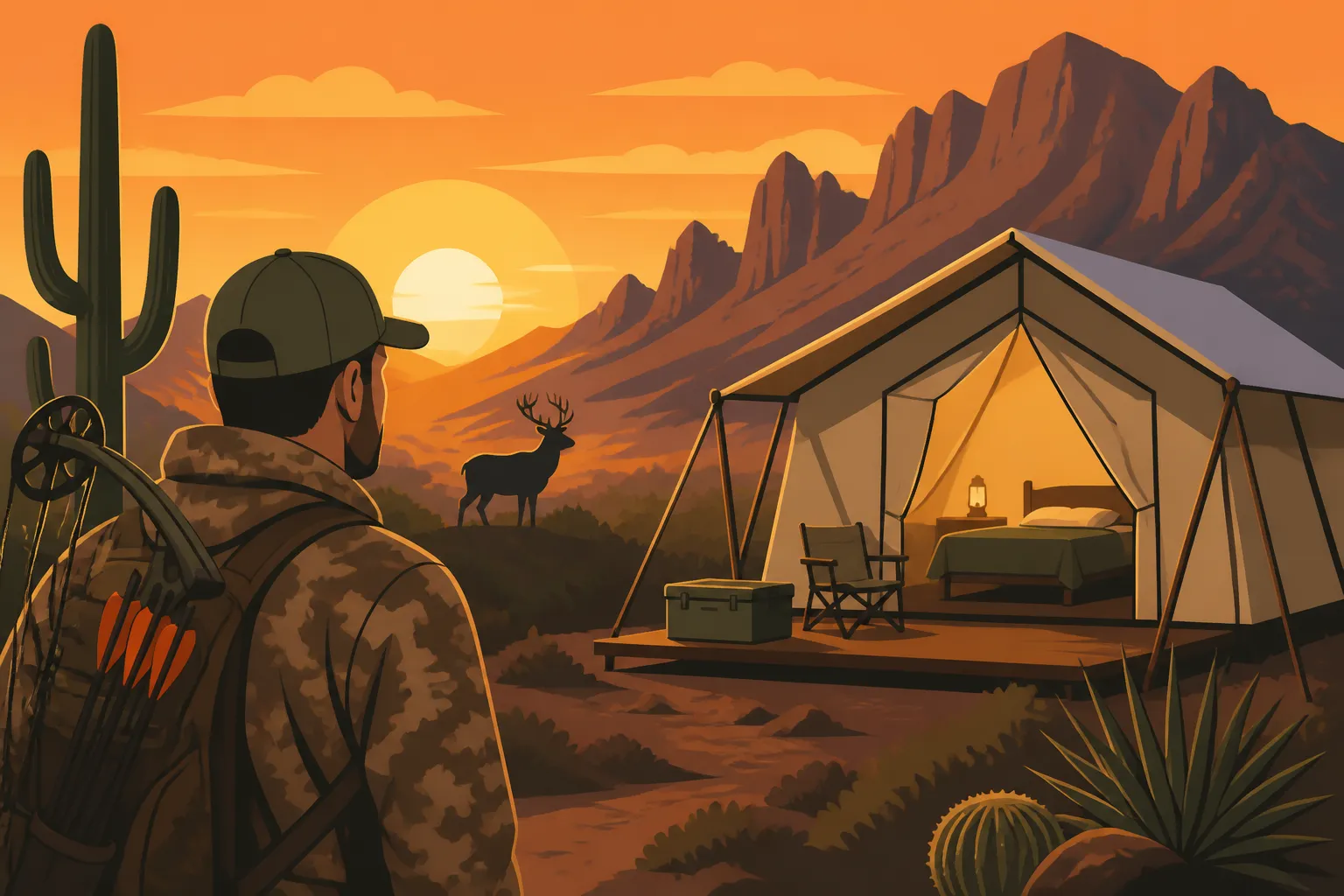
On the other hand, you have more established base camps. These might be wall tents with cots and heaters, small cabins, or even a section of a ranch house. These camps often serve as a hub, allowing for daily drives or hikes to different hunting areas. While still rugged by hotel standards, they offer a higher degree of comfort, often with designated cooking areas, better storage, and more consistent amenities. This kind of setup might be what you're thinking of when an outfitter talks about a "full-service" hunt, and it's definitely something you should clarify when asking Questions Worth Asking Before You Book.
Factors Influencing Lodging Standards
Several key factors play into the type of lodging an Arizona outfitter provides. First and foremost is the species you're hunting and the terrain it inhabits. Chasing desert bighorns in steep, unforgiving country will almost certainly involve a much different camp than hunting elk in a more accessible ponderosa forest. The duration of the hunt also matters; a 3-day javelina hunt might be fine with a very basic setup, while a 7-day elk hunt usually benefits from more substantial accommodations.
Another significant factor is the outfitter's operating permits. If they operate largely on national forest or BLM land, especially in wilderness areas, there are strict rules about what kind of structures can be erected and how long they can remain. Outfitters in such areas often rely on portable tent camps. Conversely, outfitters with access to private ranches or exclusive leases might offer more permanent structures like cabins or guesthouses. The cost of the hunt, as well as the outfitter's overall business model, also dictates the level of amenities. Higher-end, fully guided experiences often justify more robust lodging investments, and it's why understanding What a Guided Arizona Elk Hunt Includes is crucial from the outset.
| Lodging Type | Typical Location | Comfort Level | Primary Benefit | Common Species | Considerations |
|---|---|---|---|---|---|
| Spike Camp | Deep Backcountry, Wilderness | Minimal | Proximity to Game, Mobility | Coues Deer, Elk, Bighorn | Requires physical fitness, self-sufficiency |
| Wall Tent Camp | Accessible Backcountry | Basic to Moderate | Weather Protection, Space | Elk, Mule Deer, Bear | May or may not have heat/power, shared facilities |
| Cabin/Ranch House | Private Land, Forest Roads | Moderate to High | Home Comforts, Amenities | Javelina, Deer, Elk | Less "in the thick of it," longer travel to hunt areas |
| RV/Travel Trailer | Roadside Access | Moderate | Self-contained, Mobile | Varies | Limited to road-accessible areas |
Typical Lodging Scenarios with Arizona Outfitters
Let's dive into the specifics of what these different lodging options typically entail, so you can visualize your potential home away from home. Being clear on these details before you put down a deposit is paramount. Sometimes, what one outfitter calls "rustic charm," another might consider a bare-bones necessity. Don't be shy about asking for photos or detailed descriptions of the camp you'll be staying in.
Backcountry Tents and Minimalist Setups
Imagine a small, lightweight tent designed for two people, perhaps a compact dome or a low-profile backpacker-style shelter. This is the essence of a backcountry tent camp. These camps are set up where the hunting is, often a significant distance from any road or established trail. The outfitter or guide will typically pack in all the essentials: sleeping bags, sleeping pads, a small cooking stove, and dehydrated or simple meals. You won't find running water, flush toilets, or electricity. Instead, you'll be using catholes for human waste, boiling water from a local source (if available) or carrying it in, and relying on headlamps after dark.
The beauty of a minimalist setup is that it maximizes hunting time and minimizes travel. If you're chasing high-country elk during the rut or trying to get on a trophy Coues buck that lives miles from the truck, this is how it's done. Your outfitter might refer to this as a "spike camp" or "bivy hunt." When you see advertised prices for What an Arizona Drop Camp Costs, these minimalist setups are often what they're talking about, where you're dropped off and largely self-sufficient, or with minimal guiding. This kind of experience is not for everyone, but for the adventurous hunter, it's an unparalleled immersion into the wilderness.
Wall Tents with Basic Amenities
A step up from the minimalist tent is the wall tent camp. These are larger, canvas tents, typically supported by an internal frame, offering standing room and much more space than a backpacking tent. Wall tents are often used for base camps in more accessible backcountry areas, or as a more comfortable option for Arizona Drop Camp Hunts Explained. They can be heated with a wood stove, which is a game-changer on cold desert nights or brisk mornings in Rim Country. You'll likely find cots or sleeping pads, and there might be a designated cooking area, possibly even a table and chairs.
While more comfortable, wall tent camps usually still involve rustic sanitation. This means an outdoor privy (an outhouse) or a designated "cat-hole" area, and water for washing will likely be heated on a stove from a hauled-in supply. Electricity might be provided by a small generator for charging devices or powering a light, but it's not a guarantee. These camps strike a good balance between comfort and being "in the thick of it," providing a solid home base without being overly luxurious. They're a common choice for guided elk or mule deer hunts where you're covering a lot of ground each day but returning to a comfortable, dry place to sleep.
Cabin or Ranch House Accommodations
At the higher end of the spectrum, some Arizona outfitters, particularly those operating on private ranches or near established communities, offer cabin or ranch house lodging. These accommodations provide the most comfort, often including beds with mattresses, indoor plumbing, hot showers, electricity, and sometimes even Wi-Fi. Meals are typically cooked in a full kitchen and served indoors. This type of lodging eliminates many of the discomforts associated with traditional camping, allowing you to fully recharge after a long day of hunting.
This style of lodging is less about being right on top of the game and more about convenience and comfort. You'll typically be driving from the lodge to your hunting areas each day. While it might add to your daily commute, it ensures a comfortable night's sleep and modern amenities. This setup is common for hunts where comfort is prioritized, or for hunters with physical limitations who still want a guided experience. It's a significant upgrade and usually reflected in the overall Guided Hunt Price Ranges by Arizona Species. When you're Comparing Two Outfitter Bids Side by Side, the type of lodging can be a major differentiator in value.
What to Expect in Terms of Comfort and Facilities
It's all about managing expectations. Knowing what's standard and what's extra helps you budget and prepare. Don't assume anything, and always clarify the details about creature comforts directly with your outfitter.
Sleeping Arrangements and Camp Essentials
In a minimalist spike camp, expect to sleep in a sleeping bag on a sleeping pad directly on the ground inside a small tent. You might share this tent with your guide or another hunter. It's snug, but it keeps you warm and dry. If you're in a wall tent camp, cots are common, often with a foam pad. Some outfitters might provide sleeping bags, but it's more common for hunters to bring their own, especially if they have specific preferences for temperature ratings. In a cabin or ranch house, you'll have a bed, possibly even your own room, depending on the setup and the number of hunters in camp.
Regardless of the sleeping setup, make sure to bring your personal sleep system (sleeping bag, pad, pillow) unless the outfitter explicitly states they provide it. Camp essentials often include basic lighting (lanterns or headlamps), perhaps a small table, and chairs for eating. Heating in tent camps will be a wood stove or a propane heater, and you'll want to ask if the outfitter provides fuel or if you're expected to help gather wood. If you plan to charge electronics, inquire about generator availability or solar charging options, especially in more remote camps. Websites like BookYourHunt can sometimes offer insights into specific outfitter amenities listed in their hunt descriptions.
Hygiene, Water, and Sanitation Facilities
This is often where the biggest gap between expectation and reality lies. In a true backcountry spike camp, you'll be practicing Leave No Trace principles, which includes packing out all trash and burying human waste in catholes away from water sources. Wipes, hand sanitizer, and a very casual approach to personal cleanliness are your friends here.
Wall tent camps might offer a more formalized outdoor privy or a portable toilet. Water for washing is usually limited and might need to be heated. Don't expect daily hot showers in these settings; a sponge bath with warm water might be the best you can hope for. Water for drinking will either be hauled in or purified from a local source. Always confirm the water source and purification methods.
Cabins and ranch houses, of course, will have indoor bathrooms, flush toilets, and hot running water for showers. This is the luxury end of hygiene in a hunting camp. When researching hunts, GoHunt sometimes includes general information about unit accessibility, which can give you a clue about how "rough" the associated camps might need to be. If an outfitter doesn't explicitly mention showers or indoor plumbing, assume it's not available and ask for clarification.
Food Preparation and Dining Experiences
Meals are a crucial part of the camp experience. In a minimalist spike camp, meals will be simple, easy to prepare, and calorie-dense: think freeze-dried meals, sandwiches, jerky, and quick-cook items. Cooking will be done on a portable stove. The dining "room" is often just around the campfire or inside your tent.
Wall tent camps usually feature a more robust cooking setup, perhaps a dedicated cook tent or a large stove in the main wall tent. Meals might be heartier: chili, stews, steaks, or dutch oven creations. While still camp cooking, it's often more substantial than spike camp fare. You might have a communal table for dining.
In a cabin or ranch house, meals often resemble home-cooked meals, prepared in a full kitchen. Breakfasts might be eggs and bacon, dinners could be roasts or hearty casseroles, and lunches are often packed to go. This level of catering offers the most variety and comfort. Make sure to discuss any dietary restrictions or preferences with your outfitter well in advance. Understanding What Meals Look Like on a Guided Hunt is just as important as the hunt itself for some people.
Key Questions to Ask About Lodging Before Booking
To avoid any unwelcome surprises, being proactive with your questions is key. Don't assume anything is included unless it's explicitly stated or confirmed by the outfitter. This transparency will ensure both you and your guide are on the same page.
Inquiring About Specific Camp Amenities
When you're talking to an outfitter, treat the camp lodging discussion like you're booking a hotel, but with the understanding that it's camp. Ask direct questions. "What kind of tent will I be sleeping in? Will it have a cot or do I need to bring a sleeping pad? Is there heat in the tent? What kind of toilet facilities are available? Will there be potable water for drinking and washing, and how is it supplied? Is there any electricity for charging devices?"
Also, consider less obvious amenities. "Will there be a separate cook tent or communal dining area? What kind of meals are typically served? Is there cell service in camp, or satellite communication? Is there a designated place to store my gear safely?" These specific questions will help paint a clear picture. Remember, outfitters operating in remote areas often have logistical challenges, so a "hot shower" in the backcountry might mean a solar bag hung from a tree. For comparison, checking out listings on platforms like BookYourHunt can give you a sense of what different outfitters claim to offer, which can then inform your follow-up questions.
Understanding Flexibility and Contingencies
Life in the backcountry, especially during a hunt, is unpredictable. Weather can turn on a dime, game movement can shift, and plans can change. Ask your outfitter about the flexibility of their lodging. For example, "If we need to spike out closer to game for a night or two, what does that entail? Is there an option for an early departure if I tag out quickly? What happens if severe weather makes the primary camp inaccessible?"
It's also wise to inquire about any contingencies for unforeseen circumstances. "What is the policy if I get sick or injured in camp and need to leave early? Are there any extra charges for additional nights if the hunt extends due to weather?" Understanding these scenarios will help you feel more secure in your booking, especially when you've already committed to Typical Deposit Amounts Arizona Outfitters Ask and perhaps booked your travel around the Arizona Elk and Antelope Application Deadline. A reputable outfitter will have clear answers and plans for these situations, ensuring your safety and comfort as much as possible, even in challenging Arizona wilderness.
Disclaimer
This article is for general informational purposes only and does not constitute professional advice. Laws, prices and regulations vary by location and change over time. Consult a qualified professional for guidance on your specific situation.