What a Guided Coues Hunt Looks Like
Hunting Coues deer in Arizona can be one of the most rewarding—and equally frustrating—experiences in the Western hunting world. These tiny whitetails, often dubbed "grey ghosts," are masters of their rugged sky island domain, and trying to locate them, let alone get within range, often leaves even seasoned hunters scratching their heads. This guide is dedicated to painting a clear, realistic picture of what you can truly expect from a guided Coues deer hunt in Arizona, breaking down the daily grind, the guide's role, and how to set yourself up for success.
The Unique Challenge of Hunting Arizona's Coues Deer
Before diving into what a guided hunt looks like, it’s crucial to understand why these hunts are structured the way they are. Coues deer aren't your typical whitetail; they're small, fast, and live in some of the most unforgiving, yet breathtaking, country Arizona has to offer. This unique combination presents a set of challenges that often push hunters to their limits.
The Elusiveness of the Grey Ghost
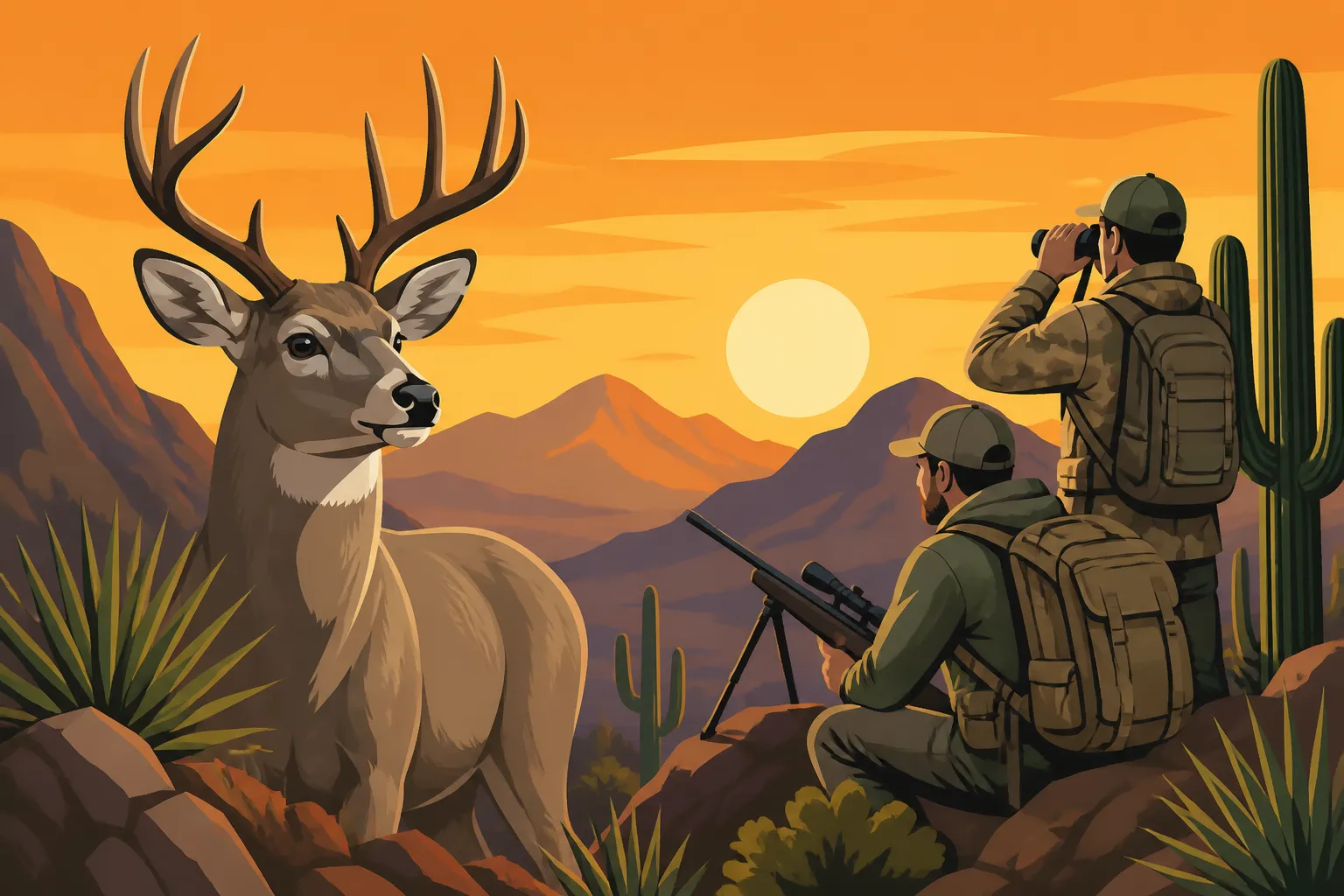
Coues deer earned their "grey ghost" nickname for a reason. Their small stature and dull grey coat blend seamlessly with the rocky, sun-drenched hillsides and sparse oak brush of the sky islands. They are notoriously wary, often disappearing into thin air at the slightest disturbance. You might spend hours glassing a hillside, only to have a buck seemingly materialize from the rocks, feed for a few minutes, and then vanish without a trace. This constant disappearing act is a core frustration for many who try to DIY a Coues hunt.
Moreover, their behavior is often dictated by the harsh environment. They'll bed down in shaded pockets high on a ridge during the heat of the day, making them incredibly difficult to spot. Their feeding patterns can be erratic, tied to the sparse vegetation and available water sources. Understanding these nuances, the subtle signs of their presence, and predicting their movements is often the first, and most significant, hurdle for hunters new to this species. It’s not just about spotting a deer; it’s about spotting the deer you want to pursue, often at extreme distances.
The Rugged Sky Island Terrain
Arizona's Coues deer primarily inhabit the "sky islands" of the southeastern part of the state. These are isolated mountain ranges, rising thousands of feet from the desert floor, creating cooler, wetter environments that are perfect for these deer. Think steep, rocky slopes, thick manzanita and oak brush, and canyons that seem to stretch forever. Navigating this terrain is a workout in itself. You'll often be hiking at elevations that can test your lungs, scrambling over loose rock, and pushing through dense vegetation, all while trying to stay quiet and avoid spooking game.
The sheer scale of these landscapes also presents a challenge. A single glassing knob can overlook thousands of acres, meaning you need to be proficient with optics and methodical in your approach. Where Coues Whitetail Live in Arizona is a great resource to understand these habitats. The combination of elevation, heat (even in winter, the sun can be intense), and sharp, unforgiving ground means every step is a deliberate effort. It's not uncommon to spend days covering miles on foot without ever getting a solid shot opportunity, purely due to the challenging nature of the ground itself.
The Day-to-Day Experience of a Guided Coues Hunt
So, what does it actually look like when you sign up for a guided Coues hunt? It's typically a highly structured, optics-intensive affair, designed to maximize your chances in this challenging environment. Forget leisurely mornings; these hunts demand an early start and sustained focus.
Early Mornings and Extensive Glassing
Your days will almost always begin well before dawn. Guides are keen to be on a glassing point as the first light touches the horizon, often hiking in the dark to reach a prime vantage. This early start isn't just for tradition; it’s because the first and last hours of light are often when Coues deer are most active, moving from bedding to feeding areas. They become incredibly difficult to locate once the sun gets high and they seek cover.
Once on the glassing point, the bulk of your day will be spent behind high-powered binoculars and spotting scopes. This is where the guide's expertise truly shines. They know which ridges to focus on, which shadowed pockets frequently hold deer, and how to systematically pick apart a mountain face. You’ll be instructed on how to use your optics effectively, how to grid a hillside, and what subtle movements or shapes to look for. It’s not just about pointing and looking; it’s an art form honed over years, often referred to as The Grid Glassing Method, Step by Step. You might spend four, six, or even eight hours in a single sitting, slowly dissecting the landscape for any sign of a "grey ghost."
The Art of the Stalk
Spotting a Coues buck from a distance is only half the battle—sometimes not even that much. The next, and often most critical, phase is the stalk. This is where the guide's intimate knowledge of the terrain, wind, and deer behavior comes into play. How Far to Stalk a Bedded Coues Buck is a question that highlights the precision needed here. Even if you spot a deer at 800-1000 yards, closing that distance in the steep, brushy terrain without being seen or winded is incredibly difficult.
Your guide will meticulously plan the route, using topography to conceal your approach, checking wind direction constantly, and moving at a painfully slow pace. You might crawl through cactus patches, navigate treacherous boulder fields, or skirt around dense thickets of catclaw. The goal is to get within comfortable shooting range, which for many rifle hunters means 300-500 yards, but for archers, it's far, far closer. How Close a Bowhunter Needs to Get on Coues is a completely different challenge. This process can take hours, involve significant elevation changes, and test your physical and mental endurance to the maximum.
After the Shot: Recovery and Field Care
Let's say the stalk is successful, and you make a clean shot. The hunt isn't over. Coues deer are tough animals, and the terrain they live in makes tracking and recovery challenging. Your guide will be instrumental in quickly locating your animal, especially in thick brush or on steep slopes where a downed deer can easily roll or become obscured. They'll teach you about efficient field dressing in the desert heat, ensuring the meat is cooled as quickly as possible. This is crucial for preserving the quality of your hard-earned venison.
The guide will also help with the pack out. A Coues buck, though small, can feel like a ton after a long, strenuous stalk and recovery in rugged country. Many guides carry frame packs and will help shoulder the load, getting your deer back to the truck or camp safely. This is an often-overlooked but incredibly valuable aspect of a guided hunt, especially when you’re miles from the nearest road in steep, unforgiving terrain.
Key Skills a Coues Guide Brings to the Table
While you’re doing the shooting, a good Coues guide is truly earning their keep by applying a specialized set of skills and knowledge that would take an individual hunter years, if not decades, to acquire. They are your eyes, ears, and often your legs, helping you navigate the complexities of this hunt.
Optics Expertise and Spotting Acumen
A top-tier Coues guide is an absolute wizard with optics. They live and breathe the glassing game, often spending countless hours in the off-season scouting with their binoculars and spotting scopes. They have a knack for distinguishing a deer from a rock at incredible distances, often spotting only a flicker of an ear, a patch of grey, or the curve of an antler that an untrained eye would completely miss. Optics Power for Arizona's Long Desert Sightlines is paramount in this game, and guides will typically have top-of-the-line equipment that is precisely tuned for these conditions.
More than just having expensive glass, they know how to use it. They understand the nuances of light, shadow, and mirage, adjusting their technique throughout the day. They're also incredibly patient, knowing that the "grey ghosts" often reveal themselves slowly. This spotting acumen is arguably the single most important asset a Coues guide brings, saving you countless hours of ineffective scanning and ensuring you're focusing on productive areas.
Intimate Knowledge of Unit and Deer Behavior
Every hunting unit, even within the same mountain range, has its own personality, its own preferred bedding areas, and its own patterns of deer movement. A local Coues guide will possess an almost encyclopedic knowledge of their permitted units. They know which canyons are likely to hold water, which ridges offer the best glassing vantage points, and where the deer prefer to bed during different times of the season or under various weather conditions.
They also understand the subtle behavioral cues of Coues deer. They can tell if a deer is alert, feeding, or about to bed down, which directly impacts the viability and strategy of a stalk. This intimate understanding of Where Coues Deer Live and Why within a specific area allows them to put you in the right place at the right time, drastically increasing your odds of success compared to a hunter trying to learn a new unit from scratch.
Patience and Mental Fortitude
Hunting Coues deer demands an incredible amount of patience, not just from the hunter but especially from the guide. There will be long hours of glassing without seeing much, stalks that fall apart at the last minute, and plenty of physical exertion with no immediate reward. A good guide maintains a positive attitude and reinforces perseverance, understanding that a single moment of opportunity can make the entire hunt. They know that Why Coues Deer Reward Patience Over Movement is a fundamental truth of this pursuit.
They also provide crucial mental fortitude for their clients. When you're tired, frustrated, and questioning if there are even any deer in the mountains, a guide's calm determination and encouragement can keep you focused and motivated. They're there to manage expectations, celebrate small victories (like spotting a distant buck), and keep the morale high, even when the hunting is tough.
Preparing for Your Guided Coues Adventure
A guided hunt is a partnership. While the guide brings the expertise, you, as the hunter, have responsibilities too. Proper preparation on your end can significantly impact your enjoyment and success on a Coues deer hunt.
Physical Fitness and Endurance
This cannot be overstated: Coues deer hunting is physically demanding. You will be hiking, often steeply, over loose rock and uneven terrain, carrying your gear, and sometimes packing out a deer. Days are long, and temperatures can vary wildly from freezing mornings to warm afternoons. Being in good physical condition is not just about comfort; it's about safety and your ability to execute a stalk when the moment comes. If you can't keep up with your guide, or if you're too winded to shoot accurately after a tough climb, your chances diminish rapidly.
Start a fitness regimen months before your hunt. Focus on cardiovascular endurance (hiking, running, stair climbing) and leg strength. Practice hiking with a loaded backpack on uneven ground. Simulate the demands of a hunt, carrying your rifle or bow up hills. Preparing Physically for a Desert Hunt is essential reading. The better shape you're in, the more you'll enjoy the experience, and the more effective you'll be when that critical opportunity arises.
Essential Gear and Optics
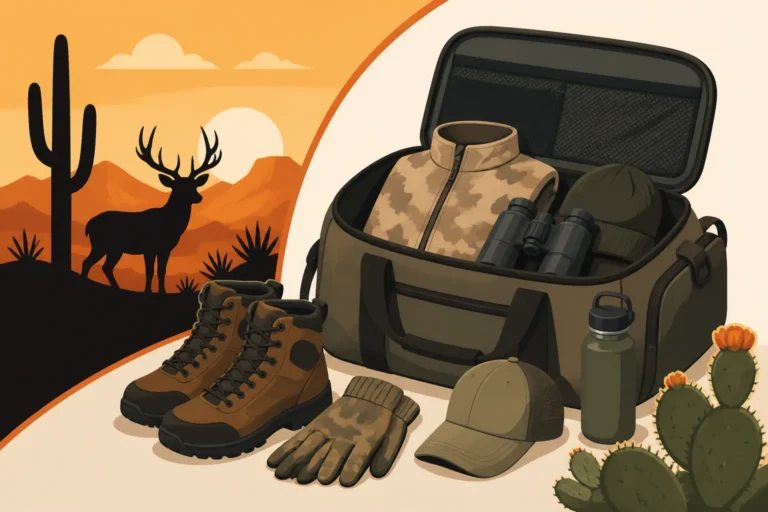
Your guide will likely provide a detailed gear list, but some items are universally critical for a Coues hunt. High-quality optics are paramount. While your guide will have top-tier spotting scopes and binoculars, having your own excellent 10x or 12x binoculars is non-negotiable for personal glassing and identifying what your guide points out. A good rangefinder is also essential for accurate shot placement in steep country.
Beyond optics, sturdy, broken-in hiking boots are a must to protect your feet on rocky ground. Layered clothing suitable for fluctuating desert temperatures, a reliable backpack for day hunting, plenty of water (and a way to carry it), and sun protection are all vital. Discuss your rifle or bow setup with your guide beforehand to ensure it's appropriate for the species and conditions. They can offer advice on caliber choice, bullet performance, and even zero distance for optimal performance in open, often windy, terrain. Don't forget a headlamp for those pre-dawn hikes!
Understanding the Investment: What a Guided Hunt Entails
Guided hunts, especially for coveted species like Coues deer, represent a significant investment. It's important to understand what you're paying for and what expenses might not be included in the advertised price. While I can't give specific figures, I can describe the shape of these costs. What a Guided Arizona Coues Deer Hunt Costs can vary greatly depending on the outfitter, the length of the hunt, and the services included.
Typical Inclusions and Exclusions
Most guided Coues hunts will include the services of your guide (or guides, if it's a 2:1 hunter-to-guide ratio), transportation in the field, and often field dressing and caping of your animal. Many outfitters also provide meals and lodging, which can range from comfortable wall tents in a spike camp to more established cabins or motel accommodations. The quality and type of lodging will often reflect in the overall price.
What's typically not included are your hunting license and tag fees, which you'll need to purchase directly from the state. You'll also be responsible for your travel to and from the hunt location, ammunition, personal gear (including your rifle/bow and optics), and often meat processing or taxidermy. Don't forget tips for your guide, which are a customary and appreciated part of the hunting industry. Always clarify the exact inclusions and exclusions in your contract before booking.
Deposits and Cancellation Policies
Outfitters require a deposit to secure your booking, which can often be a substantial portion of the total hunt cost. This deposit covers their planning, preparation, and commitment to you. The balance is typically due closer to the hunt date. It's absolutely crucial to understand the cancellation and refund policy, especially given the unpredictable nature of draws for many Arizona big game tags.
If you fail to draw a tag for the specific hunt you booked, some outfitters will offer to roll your deposit over to the following year, apply it to a different hunt, or potentially offer a partial refund, but this varies wildly. This is a critical point to discuss before you put any money down. The terms should be clearly outlined in a written contract. Websites like BookYourHunt or GoHunt sometimes offer aggregated information or specific outfitter details, but direct communication with the outfitter about these policies is always the best approach.
Choosing the Right Guide for Your Coues Dream
The guide you choose can make or break your Coues deer hunt. This isn't a decision to take lightly. You'll be spending long, intense days with this person, and their expertise, personality, and professionalism will profoundly impact your experience.
Vetting Outfitters and Asking the Right Questions
Start by researching outfitters with a strong reputation for Coues deer. Look for guides who specialize in the species and have a track record of success in the units you're interested in. Online platforms like BookYourHunt and GoHunt can be good starting points to find lists of outfitters, but dig deeper than just a listing. Read reviews, check references, and look for consistent feedback regarding guide professionalism, communication, and commitment to client success.
When you contact potential guides, have a list of Questions to Ask an Arizona Outfitter ready. Beyond the basics of dates, costs, and inclusions, ask about their experience specifically with Coues deer, their hunting philosophy (are they high-volume or trophy-focused?), and their approach to client communication both before and during the hunt. Inquire about their typical client success rates, but also ask about client satisfaction rates, as success is only one piece of the puzzle. Understand their safety protocols and what to expect regarding emergency preparedness in remote areas.
Communication and Expectations
Clear and consistent communication with your guide is paramount. Once you've booked, maintain an open dialogue. Share your hunting experience, physical capabilities, and specific goals for the hunt (e.g., "I'm looking for any legal buck" vs. "I'm holding out for a mature trophy"). An honest assessment of your abilities and expectations allows your guide to tailor the hunt to you.
During the hunt, listen to your guide's advice, especially regarding glassing techniques, stalk routes, and shot opportunities. They are the expert in that terrain and on that species. Trust their judgment, and be prepared to be patient and put in the effort. Remember, a guided hunt isn't a guaranteed kill; it's a guided opportunity. By doing your homework, communicating effectively, and preparing thoroughly, you set yourself up for an unforgettable Coues deer hunting experience in Arizona.
| Aspect | DIY Coues Hunt | Guided Coues Hunt |
|---|---|---|
| Scouting | Extensive personal time & research, trial and error | Pre-scouted areas, guide's established knowledge |
| Navigation | Maps, GPS, personal wilderness skills | Guide knows routes, terrain, and access points |
| Optics Use | Personal skill, often less powerful equipment | Guide's expert glassing, high-end spotting scopes |
| Stalking | Personal planning, risk of spooking deer | Guide's tactical planning, intimate terrain knowledge |
| Field Care | Personal responsibility, learning on the fly | Guide assists with recovery, field dressing, pack-out |
| Physical Demands | Very high, entirely self-reliant | Still high, but guide assists with planning & load |
| Time Investment | Huge, especially for scouting and learning | Focused on hunting, guide handles logistics |
| Cost | Lower upfront, higher in personal time/learning | Higher upfront, potentially more efficient success |
| Experience | Pure self-reliance, high learning curve | Educational, collaborative, higher chance of success |
Disclaimer
This article is for general informational purposes only and does not constitute professional advice. Laws, prices and regulations vary by location and change over time. Consult a qualified professional for guidance on your specific situation.