Guided Javelina Hunts in Arizona
It's no secret that drawing a coveted big game tag in Arizona can feel like winning the lottery, leaving many aspiring hunters wondering how they can even get their foot in the door. While waiting for those dream elk or bighorn tags, a guided javelina hunt offers an incredibly accessible and exciting way to experience Arizona's unique desert hunting, providing expert knowledge and a much higher chance of success on a species that's readily available year-round. This guide will walk you through everything you need to know about booking and enjoying a guided javelina hunt in the Grand Canyon State.
Why Consider a Guided Javelina Hunt in Arizona?
Let's be honest, the appeal of Arizona's "big three" – elk, mule deer, and bighorn sheep – is undeniable, but the draw odds can be brutal, especially for nonresidents. Many hunters spend years, even decades, building bonus points, and it can be frustrating to feel like you're always on the outside looking in. This is where javelina come in. They offer a fantastic opportunity to hunt a truly unique desert species, and with over-the-counter (OTC) tags available, it's a hunt you can often plan without the anxiety of the draw. Bringing a guide into the picture further elevates this experience, turning a potentially confusing self-guided desert venture into a focused, educational, and often successful outing.
Navigating the Accessibility of Javelina Tags
Unlike the highly competitive draw for species like elk or bighorn, javelina tags are remarkably accessible. Arizona offers year-round archery javelina seasons in many units, and general season rifle or handgun tags are also available without needing to navigate the complex draw system for most hunts. This means you can decide to hunt javelina often just weeks or months before you plan to go, which is a huge relief if you're not keen on planning a year or more in advance. The relative ease of obtaining a tag for this species removes a significant barrier for many hunters, especially those new to Arizona or wanting to get afield sooner rather than later. This open access makes javelina an excellent target for a guided trip, as it allows you to focus solely on the hunting experience rather than the application process. You can learn more about the flexibility of Arizona Javelina Tags Are Available All Year.
Maximizing Success with Local Expertise
The Arizona desert, while beautiful, can be incredibly unforgiving and challenging to hunt, especially if you're unfamiliar with the terrain, vegetation, and animal behavior. Javelina, often called "desert pigs" though they are actually peccaries, are masters of camouflage and can vanish into seemingly sparse brush with astonishing speed. Their habits, travel routes, and feeding patterns are intimately tied to local water sources, prickly pear patches, and specific washes or canyons.
An experienced javelina guide has spent countless hours scouting, observing, and hunting these areas. They understand the nuances of reading tracks in the sand, identifying key feeding areas, and predicting where a herd might be bedding down. Trying to figure this out on your own can lead to days of fruitless searching and frustration. A guide cuts through that learning curve, putting you in prime locations and teaching you the subtle signs to look for. They often have private land access or extensive knowledge of public land hot spots that would take years to discover independently, significantly increasing your odds of a successful harvest.
Learning the Arizona Desert Ecosystem
A guided javelina hunt is more than just about pursuing an animal; it's an immersive education in the Sonoran Desert. Guides are often lifelong residents of Arizona and possess a deep understanding of its ecology, from the types of cactus that provide cover and food to the thermal currents that dictate morning and evening animal movement. They can teach you about the various plants and wildlife you encounter, pointing out mule deer sign, identifying different bird species, and explaining the intricate relationships within this unique ecosystem.
For hunters who plan to eventually pursue other Arizona species, this foundational knowledge is invaluable. You'll learn how to glass effectively in wide-open country, how to approach an animal undetected through thorny brush, and how to stay hydrated and manage the desert heat. These are skills that transfer directly to hunting Coues deer, mule deer, and even bear or mountain lion in similar habitats. It's an investment not just in a single hunt, but in your long-term success as an Arizona hunter. Understanding Finding Water in Arizona's Dry Country is a critical skill a guide can teach you firsthand.
What to Expect from a Guided Javelina Hunt
So, you've decided a guided javelina hunt is for you. Fantastic! Now, what does that actually look like out in the desert? These aren't your typical tree-stand hunts in a Midwestern woodlot. Arizona javelina hunts are dynamic, often involving a lot of glassing and walking through rugged, beautiful, and sometimes prickly terrain. The experience is incredibly rewarding, blending intense moments of spotting and stalking with periods of patient observation.
Typical Hunt Duration and Seasonality
Most guided javelina hunts are relatively short, typically running for two to three days. This shorter duration makes them ideal for a quick getaway, fitting into busy schedules more easily than a week-long elk or deer hunt. The beauty of javelina is their availability throughout much of the year, particularly during the archery-only windows.
While you can hunt them year-round with archery equipment in specific OTC units, the most popular times for guided trips are usually in the cooler months, from late fall through early spring. January, February, and March often see prime conditions, with pleasant daytime temperatures and the javelina herds still in their post-winter breeding cycle, making them a bit more active. Guides often book up quickly for these peak periods, so planning ahead is wise. Rifle and handgun hunts, when available, also fall within these cooler months, offering hunters different weapon choices. You can explore When Arizona Archery Javelina Is Open for more specific seasonality details.
Hunting Methods and Desert Terrain
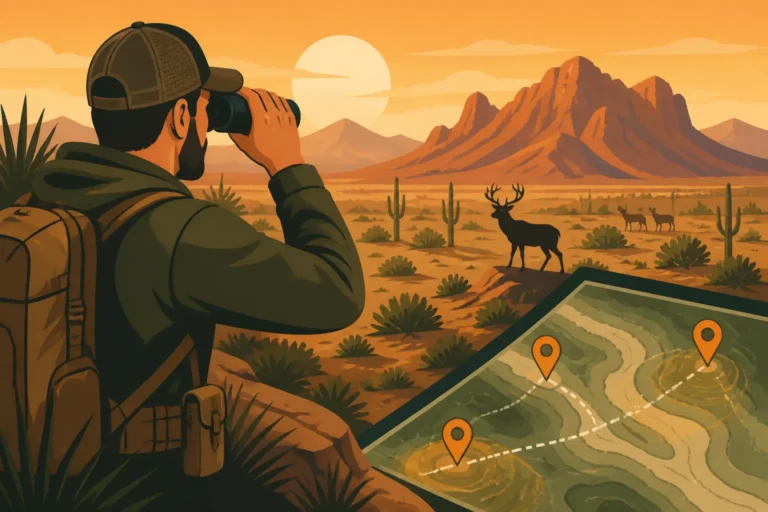
Guided javelina hunts are primarily spot-and-stalk affairs. You'll likely spend a good portion of your mornings and evenings on elevated glassing points, scanning vast expanses of desert with binoculars and spotting scopes. This is where a guide's expertise truly shines; they know the prime glassing knobs and the subtle movements or colors that indicate a javelina herd in the distance. When a herd is spotted, the real work begins: planning and executing a careful stalk.
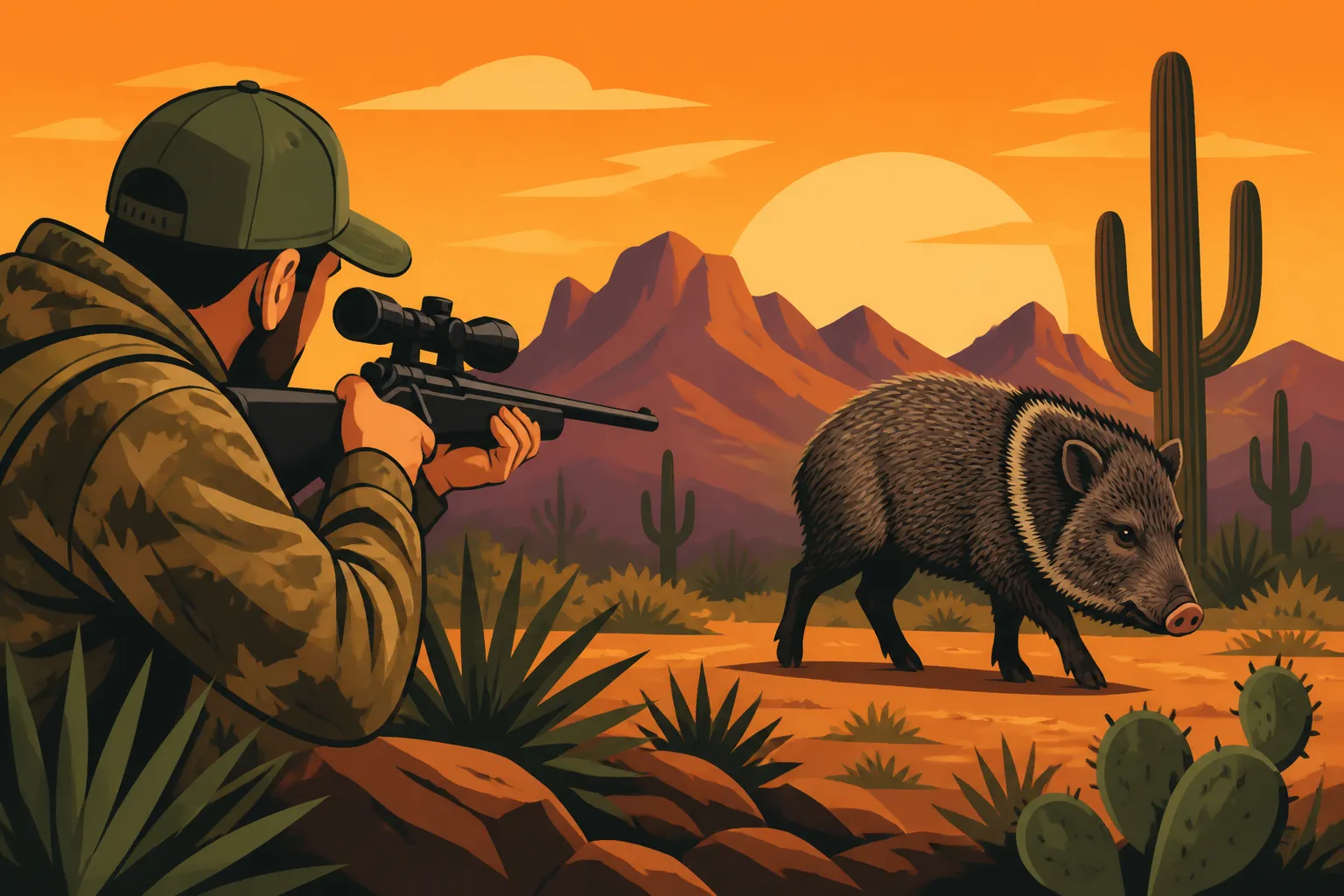
The terrain varies from rolling foothills covered in mesquite and palo verde to steep, rocky canyons choked with saguaro cactus, ocotillo, and prickly pear. Getting close often means navigating through thick brush, over loose rock, and sometimes down into washes. Your guide will lead the way, finding the path of least resistance and helping you maintain cover. Calling is another effective tactic, especially with archery equipment, as javelina are very social and respond well to distress calls or herd sounds. Imagine trying to replicate those calls effectively without having heard them in the wild – that’s another benefit of a guide!
Success Rates and Realistic Expectations
While a guide significantly increases your chances of success, hunting is never a guarantee. However, javelina hunts generally have higher success rates compared to many other big game species in Arizona, especially with a guide. Outfitters often boast high percentages for opportunities and harvests, reflecting their deep knowledge and dedicated effort.
A "successful" hunt isn't always measured by whether you pull the trigger or release an arrow. With a guided javelina hunt, success also means learning new skills, experiencing the desert firsthand, and enjoying the camaraderie. You'll gain valuable insights into animal behavior, desert navigation, and ethical hunting practices. Your guide will work tirelessly to put you on animals, but factors like weather, animal movement, and your own shooting proficiency always play a role. Go into the hunt with an open mind, ready to learn, and appreciate the entire experience, and you'll find it incredibly rewarding regardless of the final outcome.
The Cost and Value of a Guided Javelina Hunt
Let's talk brass tacks: what's this going to set you back? Investing in a guided hunt is a significant decision, and it’s natural to want to understand the financial implications. The cost of a guided javelina hunt in Arizona can vary quite a bit, but it's generally one of the more affordable guided big game options available in the state. The value, however, goes far beyond the price tag, encompassing the knowledge, experience, and increased probability of success you gain.
Typical Price Ranges and What's Usually Included
Guided javelina hunts typically fall into a certain price range, generally lower than guided elk or mule deer hunts due to the shorter duration and less extensive logistics involved. The overall cost will depend on several factors, including the outfitter's reputation, the length of the hunt, whether it's an archery or rifle hunt, and the level of service provided. Some outfits offer basic day hunts, while others provide all-inclusive experiences with lodging and meals.
Most guided javelina hunt packages will include the services of a professional guide, transportation during the hunt (usually a UTV or truck to get to glassing points), and field dressing of your animal. Many will also provide a substantial lunch, snacks, and drinks each day. What's often not included are your hunting license and tag fees, meat processing, taxidermy, personal gear (optics, weapon, clothing), and tips for your guide. Always ask for a detailed breakdown of what's covered and what's not, so there are no surprises. For general pricing expectations, consider researching Guided Arizona Javelina Hunt Pricing through various outfitter websites.
Understanding Exclusions and Additional Costs
When budgeting for a guided hunt, it's crucial to factor in the items that are typically excluded from the base price. As mentioned, your Arizona hunting license and javelina tag are almost always separate costs. For a nonresident, this means purchasing an annual hunting license and then the specific javelina tag. These fees are set by the state and are non-negotiable.
Beyond the license and tag, consider travel expenses to and from Arizona, as well as your lodging if it's not provided by the outfitter. Many hunters opt for local motels or campgrounds if their guide doesn't offer a full-service camp. Once you've harvested an animal, there's the cost of meat processing and potentially shipping your meat home. If you plan to have a European mount or a full shoulder mount, factor in taxidermy fees and shipping the trophy. Lastly, a generous tip for your guide is customary and well-deserved for their hard work and dedication. A good rule of thumb is to budget an additional amount for these "out-of-pocket" expenses on top of the guide fee.
The Value Proposition: DIY vs. Guided
| Feature | DIY Javelina Hunt | Guided Javelina Hunt |
|---|---|---|
| Experience Level | Best for experienced desert hunters or those with ample scouting time. | Ideal for first-timers, nonresidents, or those with limited time. |
| Knowledge & Scouting | Requires extensive personal scouting, e-scouting, and local research. | Guide provides immediate, expert knowledge of unit, javelina habits, and terrain. |
| Success Rate | Variable, dependent on personal skill, time, and luck. | Generally higher, due to guide's expertise and dedicated effort. |
| Cost | Lower upfront (license, tag, personal travel, gear). | Higher upfront (guide fee, license, tag, travel, tips). |
| Time Commitment | Significant time for pre-scouting, in-field searching, and learning. | Maximizes hunting time; minimizes wasted effort. |
| Logistics | All planning, navigation, field dressing, and recovery are on you. | Guide handles in-field logistics, helps with tracking, field dressing, and recovery. |
| Learning Opportunity | Self-taught through trial and error. | Direct instruction and mentorship from an experienced professional. |
The decision to go DIY or guided often boils down to time, experience, and budget. If you have weeks to dedicate to scouting, are comfortable navigating vast public lands, and have prior experience with desert hunting, a DIY hunt can be incredibly rewarding. However, if your vacation time is limited, you're traveling from out of state, or you simply want to maximize your chances and learn from the best, a guided hunt offers unparalleled value. The guide's intimate knowledge of the unit, ability to quickly locate animals, and assistance with everything from navigation to field dressing can turn a potentially frustrating experience into a highly enjoyable and successful one. For many, the peace of mind and educational aspect alone are worth the investment.
Finding the Right Javelina Outfitter
Once you've decided a guided javelina hunt is for you, the next critical step is finding the right outfitter. This isn't a decision to be taken lightly. A good outfitter can make your hunt, while a poor one can lead to disappointment. It's about more than just booking a slot; it's about finding a reputable professional whose values align with yours and who has a proven track record of ethical hunting and client satisfaction.
Vetting Potential Outfitters
The internet is a great starting point, but it's just that – a starting point. Look for outfitters specializing in Arizona javelina or those with extensive experience in the units you're interested in. Pay attention to their website content, professionalism, and any testimonials. Once you've identified a few potential candidates, the real vetting begins.
Don't hesitate to call outfitters directly. A phone conversation allows you to gauge their personality, passion, and willingness to answer all your questions. Ask about their experience specifically with javelina, the number of years they've been guiding, and their guiding philosophy. A reputable outfitter will be transparent and happy to discuss these details. Resources like BookYourHunt can be useful for initial searches, but always follow up with direct contact and thorough vetting before committing.
Essential Questions to Ask Before Booking
When you're speaking with potential outfitters, have a list of questions ready. These should go beyond just price and dates.
- What is your experience guiding javelina specifically? Are they a generalist or a javelina specialist?
- Which units do you primarily hunt, and why? This shows their knowledge of the area.
- What are your typical hunt dates for javelina, and what are the best times? This helps align with your schedule and expectations.
- What is included and excluded in the hunt price? Get this in writing.
- What is your policy if I don't harvest an animal? No guide can guarantee success, but their approach to this question can tell you a lot.
- Can you provide references from past javelina clients? This is perhaps the most crucial question. Speak to several references, asking about their experience, the guide's professionalism, and whether they would hunt with them again.
- How do you handle wounded animals? This speaks to their ethical approach.
- What gear do I need to bring, and what do you provide? This helps you pack correctly.
- What are the physical demands of this hunt? Be honest about your fitness level.
Thoroughly checking references is paramount. Ask the references specific questions about the guide's demeanor, their knowledge of the area, how hard they worked, and whether the camp (if applicable) was clean and well-run. Your ultimate goal is to ensure you're comfortable with the outfitter and confident in their ability to provide a safe, ethical, and enjoyable hunt.
Red Flags to Watch Out For
While most outfitters are legitimate, it's wise to be aware of potential red flags. Be wary of any guide who makes outlandish guarantees of success or boasts unrealistic trophy sizes. Hunting is unpredictable, and ethical guides understand this. Vague answers to specific questions about licenses, permits, or what's included in the price can also be a warning sign.
Another red flag might be an outfitter who pressures you for a deposit before answering all your questions or providing references. A legitimate business will understand your need to do due diligence. Finally, check if the outfitter is properly licensed and insured in Arizona. You can often verify this through the Arizona Game and Fish Department's website or by asking the outfitter for their permit numbers. Trust your gut feeling; if something feels off, it probably is. Choosing the right outfitter is crucial for a positive experience. You can also leverage platforms like GoHunt for researching units and potential outfitters operating in those areas, which might give you more questions to ask.
Maximizing Your Guided Javelina Hunting Experience
You've booked your guide, sorted out the logistics, and now the countdown is on! To make the most of your guided javelina hunt in Arizona, a little preparation goes a long way. This isn't just about showing up with your rifle or bow; it's about being physically ready, mentally prepared, and understanding the role you play in the hunt's success. Your guide will handle the heavy lifting of finding the animals and navigating the terrain, but your readiness directly impacts the overall experience.
Physical Preparation for Desert Hunting
Arizona desert hunting, even for javelina, can be physically demanding. You'll likely be doing a fair amount of walking, often uphill and downhill, through uneven and sometimes rugged terrain. Getting into and out of washes can be steep, and covering ground quickly during a stalk requires stamina. While it might not be a high-altitude elk hunt, don't underestimate the physical exertion involved, especially if you're not accustomed to hiking in the desert.
Leading up to your hunt, focus on cardiovascular fitness. Regular walks, jogs, or hikes, particularly on varied terrain, will be beneficial. Break in your hunting boots well in advance to prevent blisters. Staying hydrated is also key, even before you arrive. The desert climate can quickly dehydrate you, so start drinking plenty of water in the days leading up to your trip. The better your physical condition, the more you'll enjoy the hunt and the more effectively you'll be able to keep up with your guide when the time comes to make a move. Preparing Physically for a Desert Hunt can offer more guidance.
Essential Gear and Clothing Considerations
Packing the right gear is critical for comfort and success in the desert. Your outfitter will provide a detailed gear list, but some general considerations apply. For clothing, think layers. Mornings can be chilly, even in the desert, but midday temperatures can soar. Moisture-wicking base layers are essential, followed by insulating layers and an outer shell that protects against wind and thorns. Camouflage patterns that blend with the arid environment, like desert-specific patterns or muted earth tones, are ideal.
Footwear is paramount. Sturdy, comfortable hiking boots with good ankle support are a must. Gaiters can be invaluable for keeping cactus spines, burrs, and sand out of your boots. Quality optics – binoculars (10x preferred) and a spotting scope if you own one – are crucial for glassing. Your guide will have top-tier optics, but having your own good pair will enhance your personal glassing experience. Don't forget a reliable backpack for water, snacks, extra layers, and any personal items. Sun protection (hat, sunglasses, sunscreen) is non-negotiable. And, of course, your weapon of choice, sighted in and ready to go!
Adhering to Ethical Hunting Practices
Your guide will operate under the highest ethical standards, and they'll expect the same from you. This includes understanding and adhering to all Arizona hunting regulations, which your guide will reinforce. Beyond the written rules, ethical hunting encompasses respect for the animal, the land, and your fellow hunters. This means taking only clean, ethical shots within your effective range, making every effort to recover a wounded animal, and treating the harvested animal with reverence.
Listen carefully to your guide's instructions. They are the experts in the field, and their advice on shot placement, animal behavior, and approach strategies is invaluable. Patience is also a virtue in javelina hunting; waiting for the perfect shot opportunity is always preferable to rushing. Remember that a guided hunt is a partnership; your guide will work tirelessly for you, and your cooperation and commitment to ethical practices are key to a successful and rewarding experience for everyone involved. The Ethically Hunting Arizona Course Explained is a great resource to review before any hunt.
Disclaimer
This article is for general informational purposes only and does not constitute professional advice. Laws, prices and regulations vary by location and change over time. Consult a qualified professional for guidance on your specific situation.