Comparing Two Outfitter Bids Side by Side
Navigating the world of Arizona hunting outfitters can feel like trying to solve a puzzle with half the pieces missing, especially when you’re staring at two different bids, each with its own jargon and inclusions. It’s a common frustration to receive quotes that seem to speak entirely different languages, leaving you wondering if you're truly comparing apples to apples. This guide is here to cut through that confusion, helping you meticulously compare outfitter bids side by side so you can make an informed decision for your dream Arizona hunt.
Understanding the Core Components of an Outfitter Bid
When you receive a bid from an Arizona outfitter, it's more than just a price tag; it's a breakdown of the services, expectations, and potential costs associated with your hunt. The first step in comparing bids effectively is to dissect these components and understand what each outfitter is actually offering. It’s easy to get sidetracked by a lower number, but often, the devil is in the details of what that number doesn’t include.
Initial Quote vs. All-Inclusive Price: What's Really Covered?
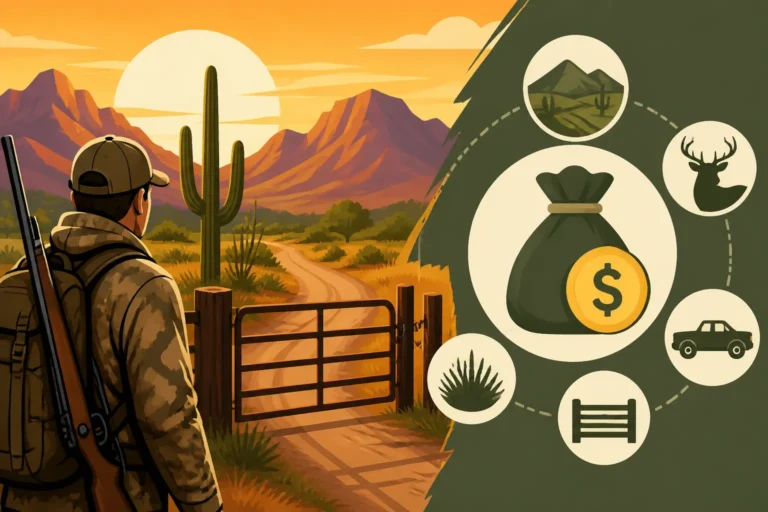
One of the biggest traps in comparing outfitter bids is mistaking an initial quote for the final, all-inclusive price. Many outfitters provide a base price that covers their guiding services, but leaves out a host of other expenses you’ll inevitably incur. This isn't necessarily a bad thing, but it is something you need to account for when looking at bids from different operations. You might get a quote from one outfitter that's significantly lower, only to realize later that it doesn't cover your license, tag, or even basic camp meals, while a slightly higher bid from another outfitter includes many of those necessities.
For instance, an outfitter might quote a price for a fully guided elk hunt. Does that include your Arizona hunting license and the actual elk tag fee, which can be substantial for nonresidents? Probably not. What about your transportation from the nearest airport, or even from the meeting point to the trailhead? Sometimes it's included, sometimes it's not. Even mundane things like field dressing, caping, and initial meat processing can be extra. It's crucial to get a line-item breakdown of everything included in the quoted price and then create your own spreadsheet to add in the estimated costs of what’s not included. This way, you're building a true "total cost of hunt" for each bid. Don't forget to factor in potential trophy fees, if applicable, as these can significantly alter the final bill. Many hunters find resources like BookYourHunt helpful for finding initial quotes and understanding what might be included in typical packages.
Services Offered: From Fully Guided to Drop Camp
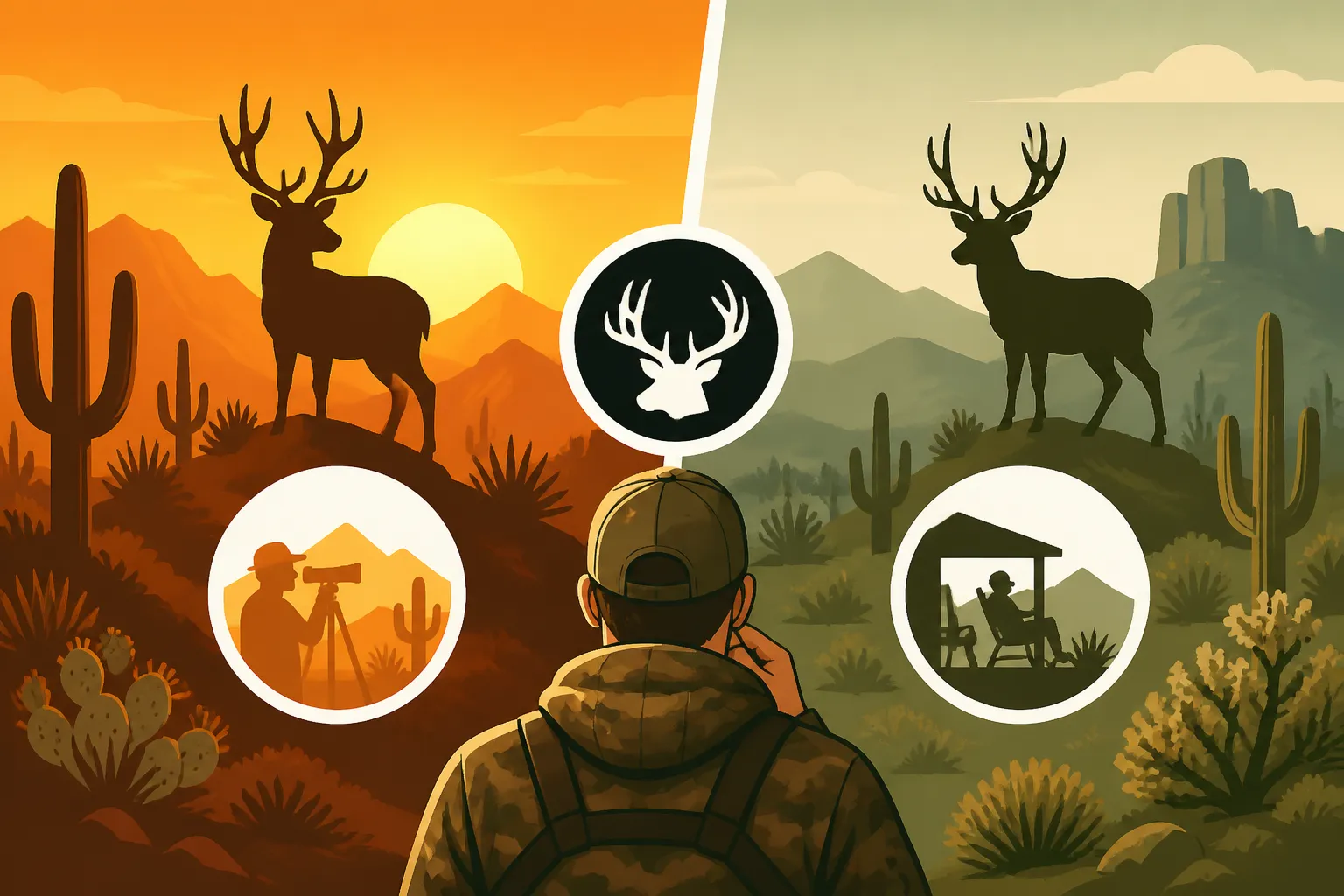
Arizona outfitters offer a spectrum of services, and comparing bids means understanding which service level you're being quoted for. A "fully guided" hunt usually means your guide is with you from dawn till dusk, actively assisting in scouting, locating game, and even making the final stalk. This often includes meals, lodging (whether it's a wall tent camp or a cabin), and field transportation. It's the most hands-off option for the hunter, allowing you to focus solely on the hunt itself.
On the other hand, a "drop camp" provides logistical support – the outfitter packs you and your gear into a remote location, sets up a basic camp, and then leaves you to hunt independently. They return at a pre-arranged time to pack out you and your harvest. The cost for a drop camp will naturally be much lower, but it requires a much higher degree of self-sufficiency, navigation skills, and hunting knowledge on your part. There are also "semi-guided" options, which might include advice on areas to hunt, some pre-scouting, and help with game retrieval, but you're primarily hunting on your own. When comparing bids, ensure both outfitters are quoting for the same type of service. A fully guided mule deer hunt will always cost more than a drop camp for the same species, so comparing those two bids directly on price alone would be misleading. What an Arizona Drop Camp Costs can give you a clearer idea of the service level expectations.
Hunt Duration and Season Specifics
The length of your hunt directly impacts the outfitter's cost, and therefore, their bid. Most guided hunts are quoted for a specific number of days, typically 5 to 7 days for big game like elk or deer. Some outfitters might offer shorter, less expensive options, or longer, more intensive hunts. When comparing bids, verify that the duration is identical. A 5-day hunt from one outfitter will naturally be cheaper than a 7-day hunt from another, even if the daily rate is similar.
Furthermore, the specific season or hunt code can influence the price. Early season archery hunts, for instance, might have different logistics or demands than late-season rifle hunts. Elk rut hunts in September are often the most sought-after and can command premium prices due to higher success potential and intense demand. Make sure the bids you're comparing are for the same season and same target animal. An Arizona Coues deer hunt in the scorching early archery season might be priced differently than a late December rifle hunt, even for the same outfitter. Understanding Arizona Elk Season Structure by Hunt Code or Arizona Deer Season Dates by Weapon can help you confirm you're comparing relevant periods.
Key Factors to Evaluate Beyond the Price Tag
While cost is undoubtedly a significant consideration, it should not be the only factor when comparing outfitter bids. The success of your hunt, your safety, and your overall experience are heavily influenced by elements that aren't easily quantifiable in a dollar amount. These intangible aspects are where you really start to differentiate between a good outfitter and a great one.
Outfitter Reputation and References
This is arguably the most critical factor. A glossy website and a low price mean nothing if the outfitter has a poor reputation or a history of dissatisfied clients. When you receive bids, immediately ask for references—and not just one or two hand-picked success stories. Ask for a list of hunters from the past two or three seasons who hunted the same species and season you’re interested in. Don't be shy about contacting these references. Ask detailed questions:
- Did the outfitter deliver on their promises?
- How was the guide-to-hunter ratio?
- Was the camp comfortable and food adequate?
- What was the guide's demeanor and knowledge of the area?
- Would they hunt with this outfitter again?
Be wary of outfitters who are hesitant to provide references or only offer a couple of older ones. You can also cross-reference outfitters on platforms like GoHunt, which often have community reviews, or check state licensing boards for any complaints. An outfitter's integrity and experience are paramount, especially when you're investing a significant amount of money and time. Learning How to Read an Outfitter's References is an invaluable skill.
Success Rates and Expectations
Every outfitter will tout their success rates, and these can be a powerful draw. However, it's crucial to understand how those numbers are calculated and what they truly represent. Ask if the stated success rate is for opportunity (meaning clients had a shot at an animal) or harvest (meaning clients actually tagged an animal). These are two very different metrics. An outfitter might boast a 100% opportunity rate, but if only 30% of clients harvested, that tells a different story about shot opportunities and hunter skill.
Also, inquire about the success rates for the specific hunt you're considering. Elk success rates on the Mogollon Rim can vary wildly between early archery, general rifle, and muzzleloader seasons. Compare Arizona Outfitter Success Rates for Elk or Arizona Outfitter Success Rates on Coues Deer with the outfitter's claims. An outfitter should be realistic about expectations, explaining that hunting is not a guarantee and that many factors (weather, animal movement, hunter proficiency) play a role. If an outfitter guarantees a kill or boasts unrealistic success rates for a challenging species, consider it a red flag. A reputable outfitter will manage your expectations, not just sell you a dream.
Logistics and Camp Comforts
Beyond the actual hunt, consider the logistical details that contribute to your overall comfort and safety.
- Transportation: Is pickup from a specific airport included, or do you need to rent a vehicle? How will you get from the meeting point to the hunting area?
- Lodging: Will you be in a comfortable cabin, a rustic wall tent, or spike camping? What are the amenities? Hot showers? Charging stations? This becomes especially important on longer hunts or in challenging weather.
- Meals: What kind of food is provided? Are dietary restrictions accommodated? While you're not going on a culinary tour, good food keeps morale and energy levels high.
- Gear: Will the outfitter provide any specialized gear, like spotting scopes for a Coues deer hunt, or pack animals for game retrieval? Or are you expected to bring everything yourself?
These details might seem minor, but they significantly impact your experience. Imagine being miserable in a wet, cold camp with inadequate food after a long day of hunting, and suddenly that slightly cheaper bid doesn't seem so appealing. Make sure to ask What Outfitter Prices Almost Never Include so you can budget for those extras.
The Nitty-Gritty: Contracts, Deposits, and Contingencies
Once you've narrowed down your choices, you'll inevitably get into the fine print of contracts and payment. This is where you need to be especially diligent, as misunderstandings here can lead to significant financial headaches and disappointment.
Deposit Schedules and Cancellation Policies
Nearly all outfitters require a deposit to secure your booking, especially for high-demand Arizona hunts like elk or desert bighorn. This deposit can range from a few hundred dollars to a significant percentage of the total hunt cost. Understand the payment schedule: is there a second deposit due later, and when is the final balance due?
More importantly, scrutinize the cancellation policy. Life happens, and sometimes plans fall through. What are the terms if you have to cancel? Is the deposit non-refundable? Is there a sliding scale for refunds based on how close to the hunt date you cancel? What if the outfitter cancels? While rare, it can happen due to unforeseen circumstances or even lack of drawing enough clients. A clear contract will outline these scenarios. Remember that once you send that deposit, you're financially committed, so Reading the Cancellation and Refund Terms thoroughly is non-negotiable.
What Happens If You Fail to Draw Your Tag?
This is a critical consideration for Arizona, given its popular lottery draw system for species like elk, deer, and antelope. Many hunters book an outfitter before they even know if they've drawn a tag, especially for those hard-to-get trophy units. So, what happens if you don't draw?
- Does the outfitter refund your deposit in full?
- Do they roll your deposit over to the next year's application cycle?
- Do they offer a discount on an over-the-counter (OTC) hunt, like archery deer or javelina, if available?
- Is there a cancellation fee even if you don't draw?
This policy can vary widely among outfitters, so get it in writing. It's perfectly normal for an outfitter to retain a small administrative fee, but a complete forfeiture of a large deposit for a failed draw is something to be cautious about. Some outfitters allow you to get on a waiting list for Arizona Leftover Tag Sales After the Draw if you don't draw your primary choice, offering another avenue to hunt, albeit usually in less desirable units. Always confirm Whether You Get a Refund If You Fail to Draw. Booking Before Arizona Draw Results Land is a common practice, but it hinges on understanding this policy.
Insurance and Liability
Discuss liability with your outfitter. While hunting always carries inherent risks, a professional outfitter should have proper insurance coverage. Inquire about their insurance policy and what it covers in case of an accident or injury. This isn't about expecting something to go wrong, but about being prepared and understanding the outfitter's responsibility.
You should also consider your own travel insurance, especially if you're making a significant investment in a hunt. Travel insurance can cover non-refundable deposits, unforeseen medical emergencies, or even trip interruptions. It's a small additional cost that can offer tremendous peace of mind, especially when traveling to remote areas for an Arizona hunt.
Making Your Final Decision
Comparing two outfitter bids side by side is a process that requires careful thought, detailed questioning, and a bit of instinct. After all the spreadsheets and phone calls, you'll still need to make a judgment call.
Trust Your Gut and Ask All the Questions
After meticulously reviewing all the written information, making calls to references, and getting clear on inclusions and exclusions, take a moment to consider your personal connection with the outfitter. Did they answer your questions thoroughly and patiently? Did you feel like they were genuinely interested in providing a great experience, or just closing a deal? Communication styles can vary, but a good outfitter will be responsive and transparent.
It's okay to have follow-up questions, even after you've seemingly covered everything. Don't feel pressured to commit until you're absolutely comfortable. This is your hunt, your investment, and your adventure. Ask about everything from Water You Must Carry on a Day Hunt to Physical Conditioning for a Sky Island Hunt. No question is too small if it contributes to your peace of mind and preparedness.
Documenting Everything
Once you've made your decision, ensure that everything discussed and agreed upon is clearly documented in a written contract. Verbal agreements, no matter how well-intentioned, can lead to disputes down the line. The contract should clearly state:
- The hunt dates and duration.
- The species and unit being hunted.
- All included services (guiding, lodging, meals, transportation, field care, etc.).
- The total cost and payment schedule.
- The deposit policy and cancellation terms, especially regarding a failed draw.
- Any additional fees (trophy fees, taxidermy, meat processing arrangements).
- Any specific expectations or guarantees (within reason, of course).
Having a signed contract provides a clear understanding for both parties and protects your investment. It's the final, crucial step in securing your Arizona hunting adventure with confidence. For highly sought-after hunts, remember that Why Arizona Outfitters Book Years Ahead on Elk is common, so getting your contract signed and deposit in is essential once you've made your choice.
Comparison Table: Hypothetical Outfitter Bids
To illustrate the side-by-side comparison process, here's a hypothetical table. This is the kind of framework you should use to break down each bid you receive.
| Feature | Outfitter A (Desert Ghost Hunts) | Outfitter B (Rim Country Outfitters) | Key Differences / What to Ask |
|---|---|---|---|
| Hunt Type | Fully Guided Coues Deer | Semi-Guided Mule Deer (Drop Camp Assist) | Different species, different service level. |
| Duration | 5 Days / 6 Nights | 7 Days / 8 Nights | Length impacts cost and opportunity. |
| Base Price Quote | X | Y | Compare after adding known exclusions. |
| Includes Guide | Yes (1:1 guide-to-hunter ratio) | Yes (Initial setup, daily check-ins, retrieval assist) | Level of guide involvement differs. |
| Includes Meals | Yes (Hearty camp meals) | No (Hunter provides own food) | Major cost saving/addition. |
| Includes Lodging | Yes (Wall tent camp with cots, wood stove) | Yes (Provided tent, sleeping pads) | Comfort levels vary significantly. |
| Includes Transport | From local airport to camp, and within hunting area | To drop-off point and retrieval (hunter provides own vehicle to rendezvous) | Clarify pickup/drop-off points. |
| Field Dressing | Yes, initial field dressing & caping | Yes, initial field dressing | Caping is a specialty skill. |
| Meat Processing | Arranges delivery to local processor (cost not incl.) | Hunter responsible for all meat handling after field dressing | Ask about cooler/storage in camp. |
| Licenses/Tags | Not Included | Not Included | Always separate for Arizona. |
| Trophy Fees | None | Potential fee for B&C score over 110" | Crucial to understand any bonus fees. |
| Deposit Required | 50% upfront | 25% upfront, 25% six months before hunt | Payment schedule. |
| Cancellation Policy | Full refund if failed draw, 50% forfeit if hunter cancels <90 days | Deposit rolled over for failed draw, no refund for hunter cancellation | Impact on your financial risk. |
| References Provided | 3 recent Coues clients | 2 recent Mule Deer drop camp clients | Contact them promptly. |
| Avg. Success Rate | 70% opportunity, 40% harvest (Coues) | 60% opportunity, 25% harvest (Mule Deer) | Ask for definitions (opportunity vs. harvest). |
| Insurance | Liability insurance noted in contract | Check with outfitter | Confirm details in contract. |
| Unique Selling Point | Highly experienced Coues specialists | Extensive knowledge of remote wilderness areas | What truly sets them apart? |
Disclaimer
This article is for general informational purposes only and does not constitute professional advice. Laws, prices and regulations vary by location and change over time. Consult a qualified professional for guidance on your specific situation.