Arizona Outfitter Success Rates on Coues Deer
When you're dreaming of chasing Coues deer in Arizona's rugged sky islands, one of the first questions that pops into every hunter's mind is, "What are my chances?" It’s a completely valid thought. Investing your hard-earned money and precious time into a guided hunt, especially for a notoriously difficult animal like the Coues, means you want to understand the potential return. This guide is here to unravel the often-misunderstood world of Arizona outfitter success rates specifically for Coues deer, helping you navigate the claims and truly understand what a successful hunt might look like.
The Nuance of "Success" in Coues Deer Hunting
It's easy to fall into the trap of thinking "success" on a guided hunt simply means harvesting an animal. While that's certainly the ultimate goal for most, the reality of Coues deer hunting, often called the "gray ghost" of the desert, paints a much broader picture. When we talk about success rates with an outfitter, it's crucial to understand what they consider a success, and perhaps more importantly, what you should.
Defining Success Beyond a Harvest
For many, the true measure of a successful Coues deer hunt isn't solely whether a tag is filled. It's about the experience of being out in that incredible country, the thrill of the chase, and the challenge of hunting one of North America's most elusive whitetails. Imagine spending days behind the glass, picking apart distant hillsides, only to finally spot a tiny flicker of movement that resolves into a magnificent Coues buck. The hours spent studying that animal, formulating a stalk, and then perhaps having it all fall apart at the last minute due to a swirling thermal or an unexpected jump, are still deeply etched into your memory. That, for many, is a profound success in itself.
Guides understand this to a degree, and a good one will ensure you have a memorable and challenging hunt, regardless of the outcome. They aim to put you in a position to be successful, but the final act is always up to the hunter and the deer. They want you to leave feeling like you had a genuine opportunity, that you were fully engaged, and that you experienced the unique magic of Arizona's desert mountains.
Factors Influencing Reported Success Rates
When an outfitter quotes a success rate, what are they really measuring? Is it the percentage of clients who went home with a deer, or the percentage who had a legitimate shot opportunity? These two figures can be vastly different, especially with Coues deer. An outfitter might claim an 80% success rate, but upon closer inspection, that might mean 80% of hunters saw a legal buck and had an opportunity, even if only 30% actually put a tag on one.
Many variables outside a guide's control directly impact these numbers. The client's physical conditioning is huge; Coues hunting often involves steep hikes, long days behind optics, and quick, quiet movements. A hunter who struggles with the terrain or the pace will naturally have fewer opportunities. Shooting ability is another major factor. Can you make an accurate shot after a strenuous stalk? What about a longer shot typical of desert hunting? Weather also plays an enormous role; a sudden heatwave or a cold snap can change deer patterns drastically. Even the timing of the hunt matters, with some periods of the rut offering better chances than others.
A truly transparent outfitter will break down their rates: how many clients hunted, how many had opportunities, and how many harvested. This level of detail helps set realistic expectations and allows you to compare apples to apples when researching.
Where to Find and Evaluate Outfitter Success Rates for Coues Deer
Navigating the world of outfitter advertising can feel a bit like wading through thick cholla cactus – it's full of hidden barbs if you're not careful. Every outfitter wants to present themselves in the best light, but finding reliable, unbiased information on Coues deer success rates requires a bit of detective work.
Direct Inquiries and References
The absolute best way to gauge an outfitter's true success is by talking to their past clients. Don't just rely on the testimonials on their website; ask the outfitter for a list of recent references, specifically hunters who pursued Coues deer in the same unit and during a similar season to when you plan to hunt. Be sure to call these references and ask very specific questions.
Did they feel the outfitter worked hard for them? Were the guides knowledgeable about the unit and the deer? How many legal bucks did they see? How many shot opportunities did they have? Did they harvest a deer, and if not, why did they think it didn't happen? Were there specific challenges that arose, like weather or physical limitations, that affected their hunt? It’s also wise to inquire about the condition of the camp, the quality of the meals, and the overall camaraderie of the experience. A reputable outfitter will be happy to provide references, understanding that it's a vital part of your decision-making process.
Online Platforms and Resources
The digital age offers new avenues for research, but always with a grain of salt. Platforms like BookYourHunt can provide a centralized place to find outfitters and sometimes include verified reviews. While these platforms can be a good starting point for discovery, remember that not all reviews are created equal, and some might be incentivized or lack the depth you need for a truly informed decision. Think of them as a filter to narrow down your choices, not the final word.
Another valuable resource for understanding the big picture of hunt units and draw odds is GoHunt. While GoHunt primarily focuses on draw statistics and unit analyses, their data can indirectly inform your understanding of outfitter success. If a unit consistently has very low draw odds and notoriously tough hunting, it stands to reason that even the best outfitter might face an uphill battle. You can use their tools to see average harvest success rates for a given unit across all hunters, which gives you a baseline for what’s possible. If an outfitter is claiming significantly higher success than the general unit average, it's worth digging deeper into how they define and achieve that.
| Metric Type | Definition | Relevance for Coues Deer |
|---|---|---|
| Harvest Rate | Percentage of hunters who killed a legal animal. | The most straightforward measure, but doesn't tell the whole story of the hunt. Can be lower due to hunter error. |
| Opportunity Rate | Percentage of hunters who had a legitimate shot at a legal animal. | Often more indicative of guide effort and skill. For Coues, getting an opportunity is a significant achievement itself. |
| Sighting Rate | Percentage of hunters who saw legal animals. | Important for Coues. A high sighting rate indicates good scouting and guide knowledge, even if no shot materialized. |
| Trophy Rate | Percentage of hunters who killed an animal meeting a certain score/age. | Relevant for hunters with specific trophy goals. Can be much lower than general harvest rates. |
Interpreting Success Rates: What the Numbers Really Mean
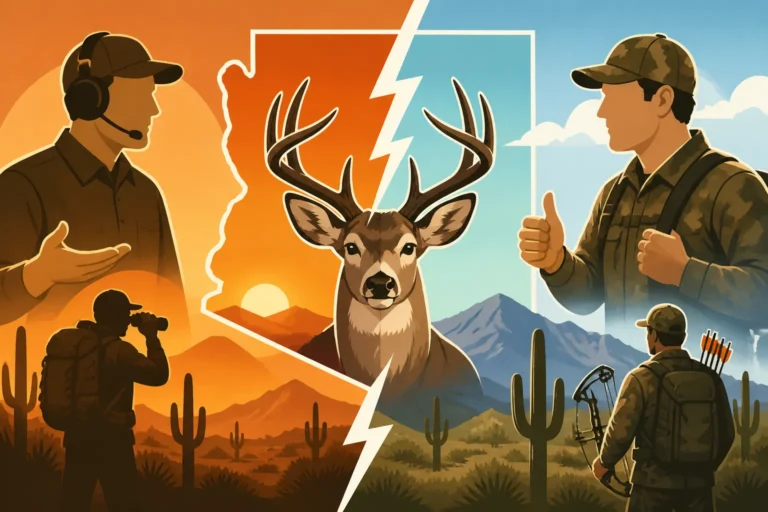
So, you've gathered some numbers. An outfitter says they have an 80% opportunity rate and a 40% harvest rate for Coues deer. What does that actually mean for your hunt? Understanding the difference between various metrics is paramount, and it’s important to remember that these are just statistics, not guarantees.
Understanding Different Metrics Opportunity vs. Harvest
The distinction between "opportunity rate" and "harvest rate" is critical, especially for a challenging species like Coues deer. The opportunity rate tells you how often an outfitter is putting their clients on a legal animal where a shot could be taken. This reflects the guide's scouting ability, their knowledge of the terrain, and their skill in orchestrating a stalk. For Coues deer, simply getting an opportunity at a buck, even if it's a challenging one, is a testament to the guide's expertise. Why Coues Deer Reward Patience Over Movement is a fundamental aspect of this, as these deer are masters of disappearing.
The harvest rate, on the other hand, measures how many of those opportunities actually resulted in a downed animal. This rate is heavily influenced by the hunter's shooting ability, their nerves under pressure, and sometimes, a little bit of luck. A high opportunity rate coupled with a lower harvest rate might suggest that the outfitter is doing their job well, but clients might need to refine their shooting skills for those desert distances. A good outfitter, when you're looking for What a Guided Arizona Coues Deer Hunt Costs, will often discuss both rates openly.
For a species known as the "gray ghost," an outfitter with an 80% opportunity rate and a 50% harvest rate would be doing exceptionally well. It implies that most hunters are getting at least one shot, and about half of them are capitalizing. Don't underestimate the challenge; even How Far to Stalk a Bedded Coues Buck can be incredibly difficult in the open, broken country they inhabit.
The Impact of Unit Choice and Hunt Type
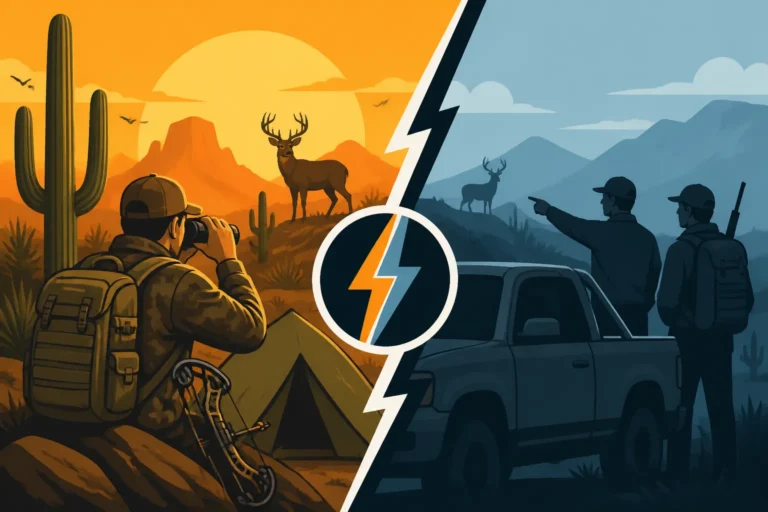
The unit in which you hunt and the specific hunt type (archery, rifle, or muzzleloader) will dramatically affect potential success rates. Some units are simply known for higher densities of deer or better trophy potential, although these often come with tougher draw odds. An outfitter guiding in a prime unit might naturally boast higher success rates than one operating in a more marginal area. When Scouting an Arizona Unit Before the February Deadline, it’s worth researching these differences.
Furthermore, weapon choice makes a huge difference. Archery seasons, while offering longer windows like Arizona's Over-the-Counter Archery Deer Tag Explained, generally have lower harvest success rates than rifle hunts due to the inherent challenge of getting How Close a Bowhunter Needs to Get on Coues. Muzzleloader hunts fall somewhere in between. If an outfitter quotes a combined success rate, make sure to ask them to break it down by weapon type. A 70% success rate on rifle hunts might drop to 30% for archery in the same unit. These details are vital for setting your personal expectations.
Setting Realistic Expectations for Your Coues Deer Hunt
It's absolutely essential to approach a Coues deer hunt with a clear understanding of the unique challenges and rewards this species offers. This isn't your typical whitetail hunt, and the "gray ghost" moniker is well-earned.
The "Gray Ghost" Challenge
Coues deer are notoriously difficult to hunt. They are small, incredibly elusive, and inhabit some of Arizona's most rugged and unforgiving terrain, often described as "sky islands." Their coloring provides exceptional camouflage against the desert backdrop, making them nearly impossible to spot until they move. This is Why Arizona Coues Hunting Is a Glassing Game is such a crucial piece of the puzzle. You'll spend an enormous amount of time behind quality optics—a powerful spotting scope and binoculars on a solid tripod are non-negotiables. Spotting Scope Power for Coues Country and Binocular Size That Survives an All-Day Session become primary considerations.
Because of this inherent difficulty, Coues deer generally have lower harvest rates statewide compared to other big game species. An outfitter's success rate, while important, shouldn't solely dictate your decision. The true value often lies in the guide's ability to locate deer, teach you the nuances of glassing and stalking, and provide a genuine, immersive hunting experience. This hunt is a masterclass in patience and persistence.
Preparing for a Successful Experience, Tag or No Tag
While harvesting a Coues buck is the ultimate prize, preparing for a successful experience, regardless of whether you fill your tag, is equally important. This means putting in the work long before you ever step foot in Arizona.
Physical Conditioning: The terrain can be brutal. Steep climbs, uneven footing, and long days under the Arizona sun demand excellent physical fitness. Start a rigorous training regimen months in advance, focusing on cardio, leg strength, and endurance. Being physically ready will not only increase your chances of keeping up with your guide and maximizing opportunities but also ensure you genuinely enjoy the hunt. You'll be able to move quietly and efficiently when Reading Wind on a Sky Island Stalk or setting up a Tripod Setup for Glassing From a Ridge for extended periods.
Shooting Practice: Practice shooting from various positions, including prone, kneeling, and from improvised rests, mimicking what you might encounter in the field. Practice at longer distances than you might typically shoot, as Coues opportunities can often be 200-400 yards or more. Knowing your rifle and your limits is paramount. When it comes time for Judging a Coues Buck in the Field, you need to be ready to make a quick decision and an even quicker, accurate shot.
Mental Mindset: Finally, cultivate a realistic and resilient mindset. This hunt will challenge you. There will be long hours with no deer sightings. There will be stalks that fail. Embrace the process, appreciate the incredible landscape, and learn from every moment. A good outfitter will be thrilled to see you enjoy the hunt, even if the "gray ghost" evades you this time. The memories, the lessons, and the sheer joy of being in that wild country are often the greatest trophies of all.
Disclaimer
This article is for general informational purposes only and does not constitute professional advice. Laws, prices and regulations vary by location and change over time. Consult a qualified professional for guidance on your specific situation.