The Gear List Your Outfitter Will Send
Heading out on a guided hunt in Arizona is an incredible adventure, but one of the biggest anxieties many hunters face before they even leave home is staring at that gear list from their outfitter and wondering if they're truly prepared. It’s easy to feel overwhelmed, second-guessing every choice, worrying about forgetting a crucial item, or bringing something totally unnecessary for the unique challenges of Arizona's diverse landscapes. This guide is here to demystify that outfitter-provided gear list, helping you understand what to expect and how to confidently pack for your next incredible Arizona hunting experience.
Deciphering Your Outfitter's Gear List: What to Expect
When you book a guided hunt, whether for a trophy elk on the Mogollon Rim or a wily Coues deer in the Sky Islands, your outfitter is going to send you a list of recommended gear. This isn't just a generic checklist; it's a carefully curated document based on their experience, the specific hunt type, the terrain you'll cover, and the time of year. Think of it as their secret sauce for ensuring client comfort and success. Understanding the categories and rationale behind these items can turn that daunting list into a helpful roadmap.
Categories of Essential Gear
Typically, these lists break down into a few core categories, each vital for a successful and safe hunt. It's not just about what you wear, but what you carry, what keeps you safe, and what ensures your personal well-being in some truly remote country.
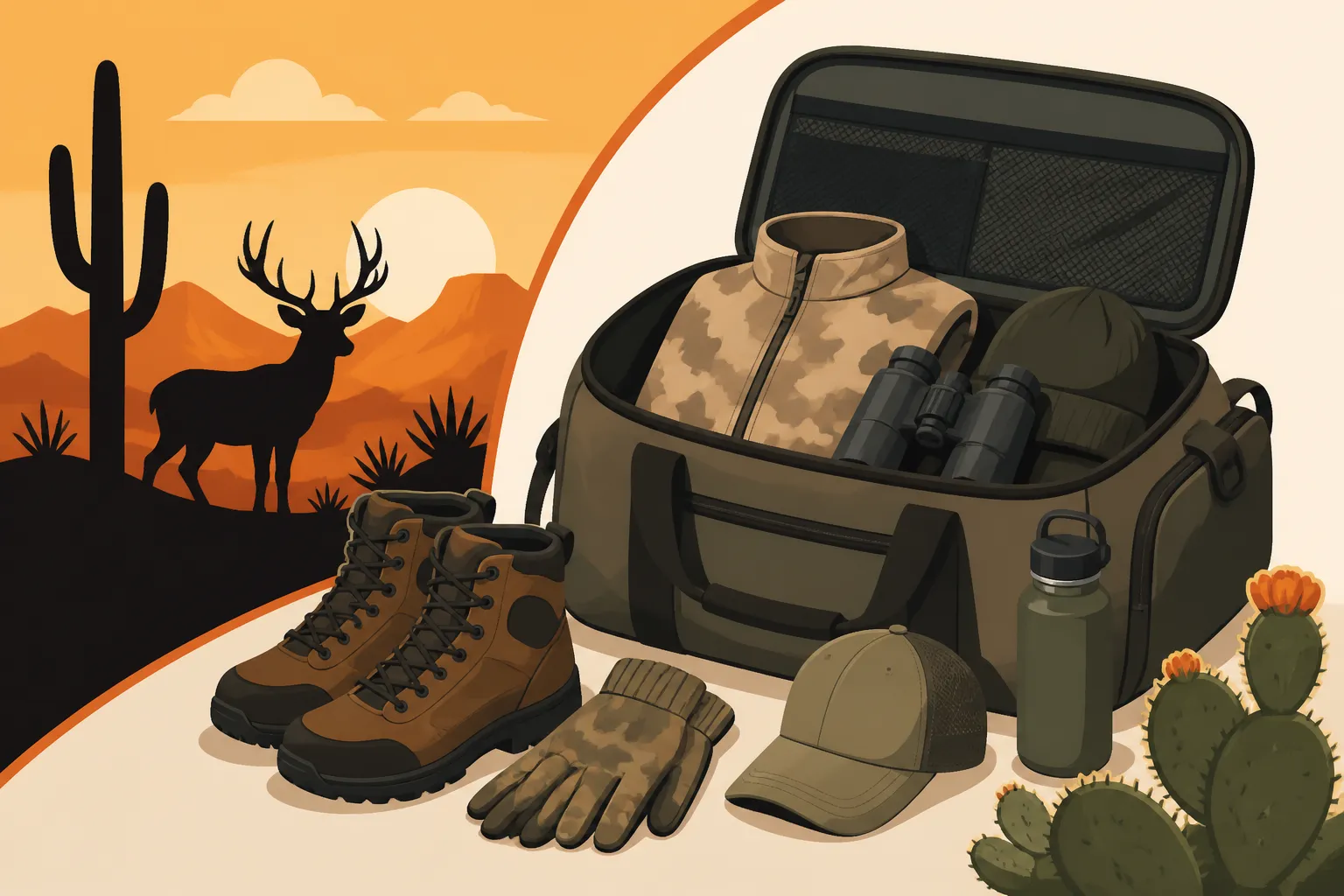
- Clothing and Layering Systems: This is almost always at the top for a reason. Arizona's weather can swing wildly in a single day, especially at higher elevations or during early archery seasons. You'll see recommendations for base layers, mid-layers, outer shells, and specific materials like merino wool or synthetics that wick moisture and dry quickly. Expect suggestions for waterproof and windproof outerwear, hats, gloves, and durable socks. Layering for Rim Country Temperature Swings is something every hunter needs to master.
- Hunting-Specific Equipment: This section focuses on the tools of the trade. For rifle hunts, it's your rifle, ammunition, and cleaning kit. For archery hunts, your bow, arrows, broadheads, and release. Don't forget binoculars, rangefinders, and potentially a spotting scope and tripod, especially if you're chasing Coues deer where glassing is king. Many outfitters, often reviewed on sites like GoHunt, will have very specific recommendations on optics power for particular species.
- Footwear: This deserves its own special mention because your feet are your most important asset on an Arizona hunt. The lists will specify durable, broken-in hunting boots with good ankle support, suitable for rocky, uneven terrain. You'll likely need waterproof options, and maybe a lighter camp shoe. Choosing Boots for Rocky Desert Ground is a critical decision.
- Personal and Camp Items: This covers everything from toiletries and medications to a headlamp with extra batteries, a small first-aid kit, and perhaps a sleeping bag and pad if it’s a spike camp or drop camp hunt. Even on fully guided hunts, personal items like chapstick, sunscreen, and moleskin for blisters are non-negotiables.
- Emergency and Navigation Gear: This category is about safety. Expect requests for a GPS device, a satellite communicator (like a Garmin inReach or Zoleo), a compass, and a whistle. Water filtration or purification options will also be on there, as Water You Must Carry on a Day Hunt is often more than you think.
Why Your Outfitter's List is More Than a Suggestion
Your outfitter isn't just trying to fill pages; they're trying to prevent problems. They know the terrain, the weather patterns, and the physical demands of the hunt better than anyone. Bringing unsuitable gear can not only make you miserable but can also compromise your safety and the success of the hunt for the entire party. For instance, showing up with cotton clothing for an elk hunt in the mountains can lead to hypothermia if you get wet, even in milder temperatures. Similarly, inadequate footwear can result in debilitating blisters that end your hunt early. They’ve seen it all, and their list reflects those hard-won lessons.
Arizona's Diverse Environments and Your Packing Strategy
Arizona isn't just one type of landscape; it's a tapestry of environments, from scorching desert floors to snow-capped peaks. This incredible diversity means that a gear list for a desert javelina hunt in January will look drastically different from an elk hunt on the Kaibab Plateau in September.
Desert Hunts: Heat, Thorns, and Limited Water
Hunting species like javelina, desert mule deer, or early-season Coues deer often means operating in environments where heat management is paramount, even in the "cooler" months. You'll be dealing with thorny vegetation, rocky washes, and often long distances between reliable water sources.
- Clothing: Lightweight, breathable, long-sleeved shirts and pants in neutral colors are key for sun protection and abrasion resistance. Think synthetics or lightweight merino. A wide-brimmed hat is a must.
- Hydration: More than just water bottles, consider a hydration pack with a significant capacity (3-5 liters) and electrolytes. Water purification tablets or a filter are good backups. Water Sources and Ethics in Arizona Desert Hunting is a critical read.
- Footwear: Durable, breathable boots with good ankle support are essential to navigate rocky, uneven ground and protect against cactus spines. Gaiters can be a lifesaver for protecting your lower legs and keeping debris out of your boots.
- Optics: Heat shimmer can be a huge factor in the desert. High-quality binoculars and a spotting scope with good light transmission are invaluable for picking apart distant hillsides.
Mountain and Rim Country Hunts: Elevation, Weather Swings, and Rugged Terrain
When you head to areas like the Mogollon Rim, the White Mountains, or the Kaibab Plateau for elk, bear, or high-country mule deer, you're stepping into a completely different world. Elevations can soar, bringing colder temperatures, sudden storms, and dense timber.
- Layering: This is where a robust layering system shines. Base layers for moisture wicking, insulating mid-layers (fleece or puffies), and a waterproof/windproof outer shell are critical. You might start a morning hunt bundled up, shed layers by midday, and put them back on as the sun dips.
- Footwear: Sturdy, waterproof boots with aggressive tread are non-negotiable. You'll be traversing steep slopes, potentially muddy or snowy trails, and climbing over downed timber. Traction is key.
- Backpack: A comfortable, capable hunting pack is vital for carrying your layers, food, water, and if you're successful, packing out meat. Consider a pack with a strong frame. Packing an Elk Out of Rim Country Alone can give you an idea of the physical demands.
- Navigation: In dense timber or fog, a GPS unit with pre-loaded maps is your best friend. A compass and paper map serve as crucial backups.
Sky Island Hunts: A Hybrid Challenge
The "Sky Islands" of southeastern Arizona, home to trophy Coues deer, present a unique blend of challenges. These isolated mountain ranges rise abruptly from the desert floor, creating diverse microclimates. You can experience desert-like conditions at the base and alpine environments at the top, sometimes within a few miles.
- Versatile Layering: You need layers that can handle rapid temperature changes. Think light base layers, a versatile mid-layer, and a packable, waterproof shell.
- Optics-Focused Gear: This is paramount for Coues. A lightweight but powerful spotting scope, tripod, and comfortable binoculars are your primary hunting tools. Spotting Scope Power for Coues Country highlights the importance of good glass.
- Footwear: Similar to mountain hunts, durable, supportive boots are essential for navigating rocky, steep, and often brushy terrain.
- Compact Kit: While you need good gear, keeping your kit as light and compact as possible is beneficial for covering ground and enduring long glassing sessions.
Beyond the Checklist: Critical Considerations for Your Gear
The outfitter's list is a fantastic starting point, but there are always nuances and extra steps that will enhance your hunt and ensure you’re truly ready for what Arizona throws at you.
Test Your Gear Before You Go
This cannot be stressed enough. Never use brand-new gear on a hunt, especially boots. Break them in over weeks or months, taking them on walks and hikes similar to what you expect on your hunt. Test your layering system in various weather conditions you anticipate. Make sure your backpack fits comfortably when loaded. Fire your rifle or bow regularly to ensure it’s sighted in and you’re proficient. Sighting In After a Long Drive to Camp is a crucial step that should ideally happen before the drive.
The Importance of Good Optics
For almost any big game hunt in Arizona, quality optics are not just nice-to-haves; they are essential. Whether you’re picking apart distant ridges for a Coues buck or trying to locate elk in thick timber, clear, bright glass makes all the difference. Your outfitter will likely suggest specific magnification ranges for binoculars and spotting scopes. Don't skimp here if you can help it. Optics Power for Arizona's Long Desert Sightlines explains why.
Pack for Comfort and Contingency
Even with a detailed list, think about small comfort items. A comfortable camp chair (if feasible), quality sleep system, and entertainment for downtime can make a difference. Always pack for contingencies: extra medications, a small sewing kit for repairs, and a multi-tool are invaluable. Consider a backup method for charging electronics, like a power bank.
Understanding the Outfitter's Role in Gear Provision
It’s important to clarify what your outfitter provides versus what you're expected to bring. For fully guided hunts, they might supply tents, cooking gear, and even some specialized equipment like a satellite phone for emergencies, or a cooler for meat transport. For drop camps, they might provide a tent and basic camp setup, but you're responsible for almost everything else. Always ask specific questions if you're unsure. You can find outfitter details and what they provide on platforms like BookYourHunt.
Table: Gear Considerations by Arizona Hunt Type
To help visualize how gear needs shift across Arizona's diverse hunts, here's a general comparison:
| Gear Category | Desert (e.g., Javelina, Coues) | Rim/Mountain (e.g., Elk, Mule Deer) | Sky Island (e.g., Coues) |
|---|---|---|---|
| Clothing | Lightweight, breathable, UV protection, thorn-resistant | Robust layering (base, mid, shell), waterproof, windproof | Versatile layering, lightweight but durable |
| Footwear | Durable, breathable, good ankle support, gaiters | Waterproof, sturdy, aggressive tread, high ankle support | Durable, good traction, medium-weight, ankle support |
| Hydration | High capacity (3-5L+), electrolytes, filter/tablets | 2-3L+, insulated options, filter/pump | 2-3L, electrolytes, filter/tablets |
| Optics | High-power binoculars (10-15x), spotting scope | Mid-power binoculars (8-10x), rangefinder | High-power binoculars (10-15x), lightweight spotting scope, tripod |
| Backpack | Day pack, comfortable, hydration compatible | Day pack or small frame pack (for meat), robust | Lightweight day pack, optics-friendly |
| Navigation | GPS with topo maps, compass, satellite communicator | GPS with topo maps, compass, satellite communicator | GPS with topo maps, compass, satellite communicator |
| Shelter (if any) | Lightweight sleeping bag/pad for spike camp (desert nights can be cold) | Warm sleeping bag/pad for cold nights, robust tent if drop camp | Mid-weight sleeping bag/pad, compact shelter if spike camp |
Note: This table provides general guidelines. Always defer to your outfitter's specific list and discuss any questions you have with them directly.
Final Thoughts on Preparing Your Gear
Ultimately, your outfitter's gear list is designed to set you up for success and safety. Take it seriously, but don't just blindly check off boxes. Think critically about why each item is requested, considering the environment, the weather, and the physical demands of your specific hunt. Invest in quality gear that fits well and functions reliably. Prepare physically for the hunt, understanding that even the best gear won't compensate for a lack of conditioning. Preparing Physically for a Desert Hunt is as important as your packing list. By understanding and thoughtfully assembling your gear, you’ll be much more likely to have a memorable and successful Arizona hunting experience.
Disclaimer
This article is for general informational purposes only and does not constitute professional advice. Laws, prices and regulations vary by location and change over time. Consult a qualified professional for guidance on your specific situation.