What Ranch Access Typically Costs
For many hunters dreaming of chasing big game in Arizona, the thought of endless public land is appealing, but the reality often involves crowded areas, intense competition, and dwindling chances at truly unpressured animals. This can be a huge frustration, especially when you've invested years in the draw. This guide dives deep into what it typically costs to gain access to private ranch land in Arizona, breaking down the various options and helping you understand if this alternative is the right fit for your hunting aspirations.
Understanding the Layers of Ranch Access in Arizona
Let's be real: public land hunting in Arizona can be incredible, but it's also incredibly competitive. When you're constantly running into other trucks, finding pressure on every waterhole, or drawing a tough tag in a heavily hunted unit, the appeal of private ground starts to shine through. Ranch access isn't just about a shortcut to a trophy; it's often about securing a more exclusive, less pressured, and potentially more successful hunting experience.
Why Ranch Access Becomes a Necessity
Arizona's public lands are vast and beautiful, but for species like trophy elk, big mule deer, or even the highly sought-after Coues deer, finding unpressured ground can feel like winning the lottery. You might spend years applying for premium tags, only to find yourself sharing the woods with dozens of other hunters, pushing animals onto private parcels where they feel safe. For many, paying for ranch access becomes a practical solution to avoid this constant pressure and to target specific animals that might spend most of their lives on private agricultural fields, lush creek bottoms, or secluded mesas.
Imagine having hundreds or even thousands of acres to yourself, or at least shared with a very limited number of other hunters. This exclusivity significantly increases your chances of encountering game that hasn't been constantly bumped and educated. It allows for more natural animal behavior, more predictable patterns, and ultimately, a more relaxed and fulfilling hunt. This is particularly true for those looking for specific antler criteria or a mature animal that often becomes elusive under heavy public land pressure. When you consider the effort, time, and money already invested in an Arizona hunt, the added cost of private access often seems like a worthwhile investment for the peace of mind and improved opportunity it brings. You can also explore options like Getting Landowner Permission in Arizona to understand the groundwork.
The Core Cost Factors at Play
At its heart, paying for ranch access is a business transaction. Ranchers, whether they're raising cattle, farming crops, or managing wildlife, incur significant costs. When they open their land to hunters, they are, in essence, selling an experience and a commodity – the opportunity to hunt game that benefits from their private management. The price they set reflects various factors, including lost grazing income if hunters displace livestock, the cost of maintaining roads and fences, insurance liability, and the general opportunity cost of dedicating their land to hunting instead of other ventures.
The value proposition for the rancher is clear: monetizing a resource that exists on their property. For the hunter, it's about paying for exclusivity, reduced pressure, and often higher animal quality. The demand for tags in Arizona's better units also plays a huge role; if a ranch is situated in a unit known for producing giant elk or record-book mule deer, that demand drives the price up considerably. Similarly, the level of active wildlife management the ranch undertakes—such as water development or habitat improvement—can contribute to the perceived value and, consequently, the price of access. It's a supply-and-demand game where premium opportunities command premium prices.
Exploring the Different Models of Ranch Access
Not all ranch access is created equal, and the cost structure varies significantly depending on the type of arrangement you're seeking. From a quick weekend hunt to a multi-year commitment, each model offers distinct advantages and price points, catering to different hunting styles and budgets.
Day Fees and Short-Term Leases
For many, dipping a toe into private land hunting starts with a day fee or a short-term lease. This model typically involves paying a set amount per hunter, per day, or for a specific block of days, such as a long weekend. It's often the most accessible entry point for private land, especially for species like javelina, predator calling, or even some small game. You might see this for specific "trophy fees" if you're targeting a particular animal on a larger ranch during a limited window.
The beauty of day fees or short-term leases is the lower commitment. You pay for exactly what you use, and you're not locked into a long-term contract. However, this convenience often comes with certain limitations. You might not have the opportunity to scout the land beforehand, or you may be restricted to certain areas of the property. Lodging or amenities are typically not included, meaning you'll still need to arrange your own camping or hotel stay. While the daily rate might seem higher on a per-day basis compared to a long-term lease, the overall upfront cost is much lower, making it an attractive option for a quick, focused hunt, perhaps in a Ranch Access Along Grassland Units context.
Seasonal or Multi-Year Agreements
Stepping up from short-term arrangements are seasonal or multi-year lease agreements. These represent a more substantial commitment but offer greater flexibility and often better value over the long run. A seasonal lease grants you access to a specific property, or a portion of it, for an entire hunting season, or even across multiple seasons for different species. Multi-year agreements extend this commitment even further, providing consistent access for several years.
The financial outlay for these agreements is considerably higher upfront than a day fee, but the effective daily or weekly cost is usually much lower. The significant advantages include the ability to extensively scout the property, understand game patterns throughout different times of the year, and develop a deep familiarity with the land. You might even be able to set up trail cameras, blinds, or food plots (with explicit permission, of course). These leases are popular for deer and elk hunting, where understanding the animals' movements across an entire season is crucial. Sometimes, these agreements might include basic facilities, like a rustic cabin or designated camping areas, adding to the convenience.
Package Deals with Outfitters
For those seeking a truly turn-key private land experience, many outfitters in Arizona secure exclusive hunting rights on prime ranches and then offer comprehensive package deals to clients. This is often the most expensive route to private land access, but it includes far more than just permission to step on the property. A fully guided hunt on private land typically bundles access with professional guiding services, lodging, meals, transportation during the hunt, and often even game retrieval and basic field dressing.
Outfitters often invest heavily in scouting, habitat management, and knowing the specific animals on their leased ground, which can significantly increase your odds of success, especially for trophy-class animals. They act as the liaison with the landowner, handling all the logistical complexities, so you can focus solely on the hunt. While the price tag is substantial, it often represents a complete, high-quality experience designed for maximum opportunity and comfort. Platforms like BookYourHunt and GoHunt are excellent resources for researching and comparing these types of outfitter packages, showcasing the range of options available for private land hunts, as explained further in How an Outfitter Opens Private Arizona Ground.
Navigating the Financial Side: What to Expect
When you're considering private ranch access in Arizona, it's easy to get fixated on the initial sticker price. However, understanding the factors that influence that cost, as well as the potential "hidden" expenses, is crucial for budgeting effectively and ensuring you get the most value for your investment.
The Variables That Drive Pricing
The cost of private ranch access isn't a one-size-fits-all figure; it's a dynamic number influenced by a multitude of variables. Chief among these is the species you intend to hunt. Trophy elk and mule deer hunts almost always command the highest fees, sometimes ranging into the tens of thousands for a truly premier experience. Conversely, access for javelina, predators, or small game will be considerably less. The trophy quality of the animals on the ranch is another major driver; properties consistently producing Boone & Crockett or Pope & Young animals will naturally be more expensive.
Location and unit play a significant role. Ranches situated in highly coveted Arizona game management units, known for their strong populations and trophy potential, will carry a premium. The timing of the season matters too, with prime rut hunts (whether for elk or deer) typically being the most expensive due to increased animal activity and demand. Consider also the exclusivity of the access: are you the only hunter, or will there be others on the property? A truly exclusive experience where you have the entire ranch to yourself will cost more than sharing it with a few other paying hunters. Finally, any included amenities (lodging, blinds, water access) or services (pre-scouting, game retrieval support) will contribute to the overall price. For a deeper dive into costs, specifically for a popular species, check out What a Guided Arizona Elk Hunt Costs.
Beyond the Access Fee: Hidden Costs
It’s tempting to think that once you've paid the ranch access fee, your expenses are covered. However, just like any hunting trip, there are often additional costs that can quickly add up and surprise you if not planned for. First and foremost, you'll still need to factor in your Arizona hunting license and species-specific tags. These are separate from any access fees and must be secured through the state's draw system or over-the-counter options.
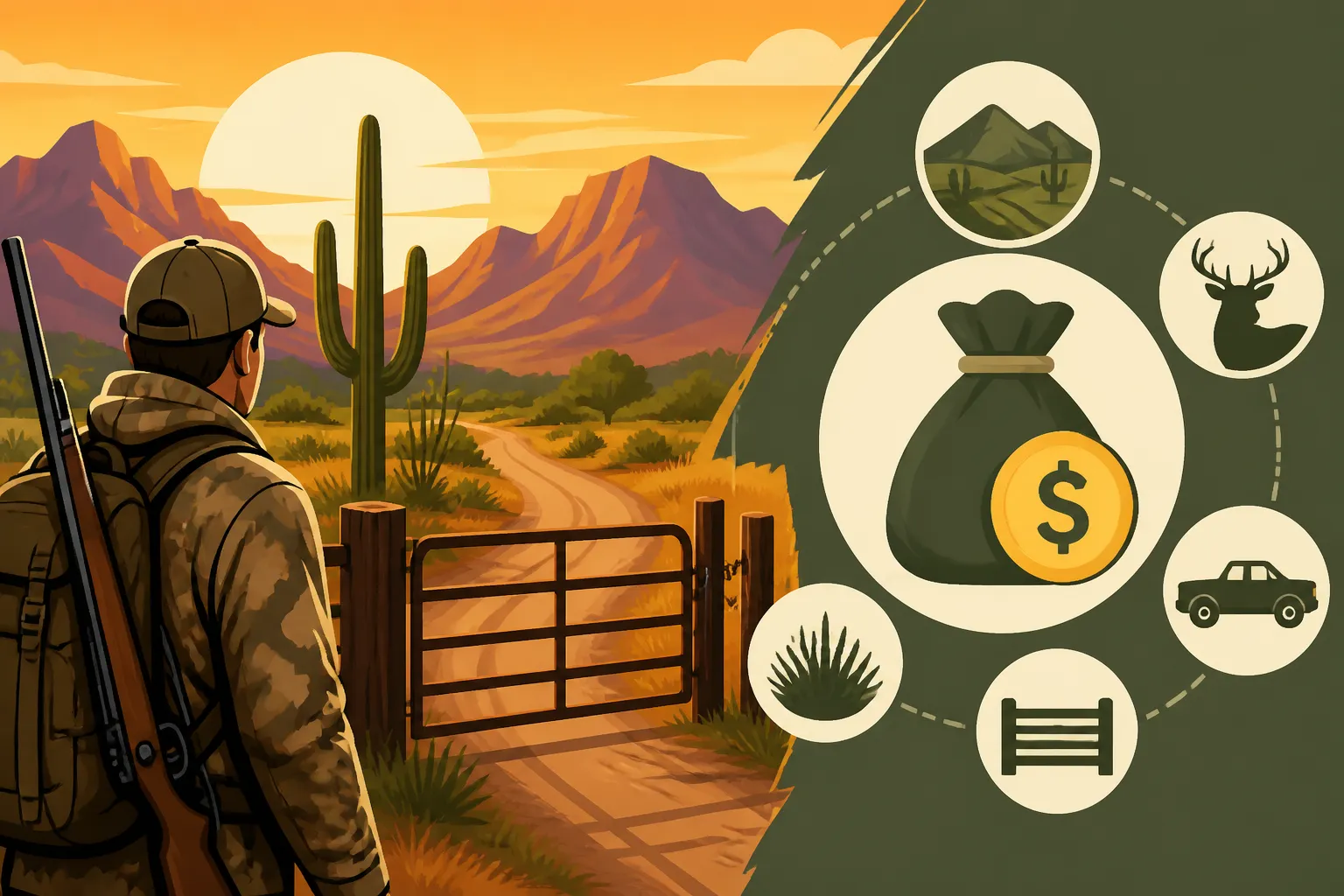
Beyond the tags, consider travel expenses to and from the ranch, which can be substantial depending on your starting point. If lodging isn't included in your access agreement, you'll need to budget for accommodations, whether that's a hotel in a nearby town, a rented cabin, or simply the cost of camping supplies. Food and supplies for the duration of your trip are also essential. After a successful hunt, there are significant costs associated with meat processing and potential taxidermy, especially for larger animals. If you're working with an outfitter or ranch hands who provide assistance, gratuities or tips are customary and should be factored into your budget. Finally, evaluate if any specialized equipment (e.g., specific blinds, a beefed-up vehicle for rough terrain) is necessary for hunting on the private land. Always ask for a comprehensive list of what is and isn't included in any access agreement to avoid unwelcome surprises. Meat Processing and Shipping Costs After a Hunt is a good read if you want to be prepared.
Finding Value in Ranch Access
Determining "value" in ranch access isn't solely about finding the cheapest option; it's about weighing the overall experience, opportunity, and potential success against the financial investment. Sometimes, paying a higher fee for a quality private ranch can actually save you money and frustration in the long run. Consider the years you might spend applying for a public land tag with low odds, the fuel and time spent scouting public ground only to find it hammered by pressure, or the sheer physical and mental effort of pursuing elusive game in crowded areas.
A well-chosen private land opportunity can offer reduced pressure, higher success rates (especially for specific trophy criteria), and a more enjoyable, less stressful hunt. This increased probability of success, combined with the convenience and potentially superior animal quality, can make a significant difference. It's about maximizing your chances and ensuring that when you finally do draw that coveted Arizona tag, you have the best possible opportunity to fill it. When researching, leverage resources like GoHunt for insights into units and potential private land outfitter connections, and BookYourHunt to directly compare and contrast various private land hunting packages, allowing you to weigh their offerings and find the best fit for your hunting goals and budget.
Making the Decision: Is Ranch Access Right for Your Arizona Hunt?
Deciding whether to pursue private ranch access is a deeply personal choice that hinges on your hunting philosophy, budget, and desired outcome. There's no single "right" answer, but understanding the trade-offs between public and private land hunting is key to making an informed decision.
Weighing Public Land Opportunities Against Private Access
The allure of public land in Arizona is undeniable: vast expanses, the challenge of a do-it-yourself hunt, and the relative affordability of licenses and tags. For many, the true essence of hunting lies in the grit and grind of navigating public areas, earning every animal through hard work and perseverance. Public land hunts offer incredible adventure and the satisfaction of a truly self-reliant experience. However, they often come with significant pressure, lower draw odds for prime units, and the reality that many trophy animals retreat to private sanctuaries once the season begins. The chance of encountering other hunters is high, which can impact animal movement and your overall experience. If you are keen on public land hunts, read Planning a DIY Public Land Hunt in Arizona.
Private ranch access, on the other hand, provides a stark contrast. It offers exclusivity, often significantly reduced hunting pressure, and potentially higher success rates for specific species and trophy goals. You’re paying for a curated experience, where much of the legwork of scouting and animal management has already been done. This can lead to a more relaxed, focused hunt with better chances at a quality animal. The trade-off, of course, is the increased financial investment. Ultimately, the choice depends on your priorities: is it the adventure and affordability of public land, or the increased odds, exclusivity, and convenience of private ground that you value most for your Arizona hunting experience? Consider exploring Public Land Opportunity in Southern Arizona for comparisons.
Resources for Finding and Vetting Ranch Access Opportunities
Once you've decided that private ranch access is the route you want to explore, knowing where to start looking and how to vet opportunities is critical. The most direct approach, though often time-consuming, is contacting ranchers directly in the units you're interested in. This might involve looking up county assessor records to identify landowners or simply driving through an area and looking for ranch signs. While it requires persistence, it can sometimes lead to more affordable or unique arrangements. Getting Landowner Permission in Arizona offers a good starting point for this.
Another highly effective avenue is through outfitters who specialize in private land access. Many reputable Arizona outfitters have established relationships with landowners and lease prime hunting ground. They act as a one-stop shop, offering package deals that include access, guiding, and amenities. Platforms like BookYourHunt are designed specifically to connect hunters with outfitters, allowing you to browse available private land hunts, review offerings, and compare services. Similarly, sites like GoHunt often feature articles and resources that might highlight outfitters operating on private lands or provide insights into areas where private access is more prevalent. Word-of-mouth recommendations from trusted hunting companions can also be invaluable.
Regardless of how you find an opportunity, due diligence is paramount. Always insist on a written, signed agreement that clearly outlines what is included, the specific dates of access, the areas you are permitted to hunt, and any rules or restrictions. Clarify liability waivers, payment schedules, and cancellation policies. Don't hesitate to ask for references from past clients and check their experiences. A thorough vetting process will protect your investment and ensure that the private ranch access you secure aligns with your expectations for an Arizona hunt. For more guidance, check out Questions Worth Asking Before You Book, Leasing Hunting Ground in Arizona, and Trespass Fee Arrangements on Arizona Ranches.
Here's a quick comparison of general expectations for different types of private ranch access:
| Type of Access | Typical Duration | Cost Expectation (Shape) | Common Inclusions | Exclusivity Level (General) |
|---|---|---|---|---|
| Day Fee | 1-3 days | Varies widely, generally lower daily rate | Access to specific zones, basic hunting rights | Shared with other day-fee hunters |
| Short-Term Lease | Weekend to 1 week | Moderate weekly rate, higher than day fee | Defined hunt period, specific area access | Limited group during your period |
| Seasonal Lease | Entire hunting season | Higher lump sum, lower effective daily rate | Season-long access, potential scouting, camping | Few hunters, more freedom |
| Guided Hunt (Outfitter) | 3-7 days | Highest total cost for full experience | Guide, lodging, meals, access, support, game care | Very high, often dedicated attention |
Disclaimer
This article is for general informational purposes only and does not constitute professional advice. Laws, prices and regulations vary by location and change over time. Consult a qualified professional for guidance on your specific situation.