Guide to Hunter Ratio Limits on a Trip
Trying to understand what you’re really getting when you book a guided hunt in Arizona can feel like navigating a maze, especially when it comes to something as crucial as how many hunters your guide will be managing at once. You’ve likely heard terms like "1:1" or "1:2" guide-to-hunter ratios tossed around, but what do these numbers actually mean for your experience in the field, and how do you ensure you're getting the attention you need to make your hunt successful? This guide is all about breaking down those guide-to-hunter ratios, helping you understand their implications, and giving you the right questions to ask before you commit to an Arizona hunting adventure.
Understanding Guide to Hunter Ratios in Arizona
When you're researching a guided hunt, whether it's for a trophy elk on the Mogollon Rim or a wily Coues deer in the Sky Islands, one of the first things you'll likely encounter is a mention of the guide-to-hunter ratio. This isn't just some arbitrary number; it’s a critical piece of information that dictates the level of personalized attention, instruction, and in-field support you can expect. It profoundly impacts everything from the pace of your hunt to the amount of one-on-one coaching you receive during a stalk or a shot opportunity.
What These Ratios Actually Mean for Your Hunt
At its core, the guide-to-hunter ratio tells you how many hunters each professional guide is responsible for during the hunting day.
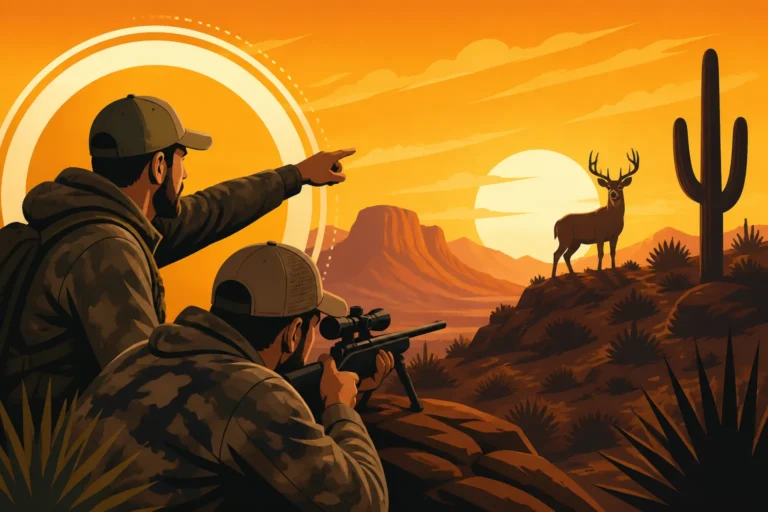
- 1:1 Ratio (One Guide, One Hunter): This is often considered the gold standard for dedicated, high-stakes hunts. With a 1:1 ratio, your guide is solely focused on your hunt. They're scanning for your animal, judging your shot, and tailoring every move, every strategy, and every piece of advice directly to you. If you're physically challenged, new to hunting, or pursuing a once-in-a-lifetime trophy like a desert bighorn sheep, this personal focus can be invaluable. It means more flexibility to chase a hot track, spend extra time glassing a promising basin, or adjust tactics on the fly without having to consider another hunter’s needs or preferences.
- 1:2 Ratio (One Guide, Two Hunters): This is a very common and often highly effective ratio, particularly for pairs of hunting buddies or family members. While the guide's attention is split, it's still manageable. The guide can typically still provide good individual attention, help both hunters with spotting and stalking, and manage two concurrent opportunities if they arise. The biggest difference here is the need for communication and compromise between the two hunters. You might have to decide whose turn it is for the stalk, or whose animal to prioritize if multiple opportunities present themselves simultaneously. It can be a fantastic way to share an experience, and often comes at a more accessible price point than a 1:1 hunt.
- 1:3 Ratio (One Guide, Three Hunters) or Higher: While less common for big game in Arizona, especially for premium species, these ratios sometimes appear on more budget-friendly hunts or for specific species like javelina where multiple animals can be found in a group. In these scenarios, the guide's role shifts more towards managing the overall group, providing general direction, and facilitating opportunities as they arise for anyone in the group. Individualized attention will be significantly reduced, and hunters need to be more self-sufficient in terms of glassing, field judging, and making their own decisions. It’s definitely a more communal experience, and can be perfect for a group of friends who enjoy hunting together and don't necessarily need constant coaching.
Why Ratios Aren't Always Legally Mandated, But Still Matter
It might surprise you to learn that for many big game species in Arizona, there isn't a strict legal mandate from the state regarding the guide-to-hunter ratio. The Arizona Game and Fish Department is primarily concerned with ethical hunting practices, license compliance, and species management, not dictating the commercial arrangements between outfitters and clients. This means that an outfitter could legally take out a larger group with fewer guides, but it would almost certainly lead to a poor client experience and damage their reputation.
So, if it’s not a law, why do outfitters adhere to these ratios so diligently? It comes down to quality of service, client satisfaction, and business reputation. A reputable Arizona outfitter understands that their success hinges on their clients having a positive, and ideally successful, hunt. Cramming too many hunters per guide dilutes the experience, significantly lowers the chances of success, and ultimately leads to unhappy customers. Ethical outfitters self-regulate these ratios because it’s simply good business. They know that a dedicated guide can improve your odds of success, teach you valuable skills, and ensure a safer, more enjoyable trip. When you're Vetting an Arizona Outfitter Before You Send a Deposit, asking about their standard ratios is a key part of your due diligence.
Common Ratios for Different Arizona Species and Hunt Styles
The ideal guide-to-hunter ratio isn't a one-size-fits-all answer; it often varies significantly depending on the species you're pursuing, the terrain you'll be hunting, and the overall style of the hunt. Arizona offers such a diverse range of hunting experiences, from the high country timber to the vast Sonoran Desert, and each presents its own unique challenges and demands on a guide.
High-Demand Hunts: Elk and Bighorn Ratios
When it comes to pursuing trophy elk in Arizona’s Rim Country or a desert bighorn in the rugged, remote mountains, you’ll find that 1:1 or 1:2 guide-to-hunter ratios are almost universal. These are often once-in-a-lifetime tags (especially for bighorn) and immensely challenging hunts requiring intense effort and dedication.
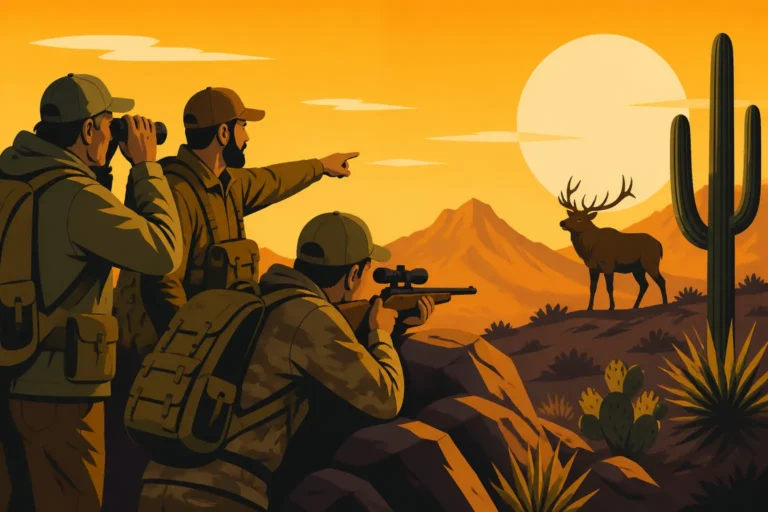
- Elk Hunts: Imagine calling in a bull elk during the rut in dense ponderosa pine forests or spotting one across a vast canyon. These scenarios demand a guide’s undivided attention. With a 1:1 ratio, your guide can focus on locating animals, reading wind thermals, setting up precise calling sequences, and guiding you through dense cover for a close-range shot. On a 1:2 elk hunt, the guide will be managing two sets of eyes and ears, coordinating movements, and still trying to create opportunities for both hunters. This requires excellent communication within the hunting party, and often means one hunter might get the first opportunity. What a Guided Arizona Elk Hunt Costs often reflects this high level of dedicated service.
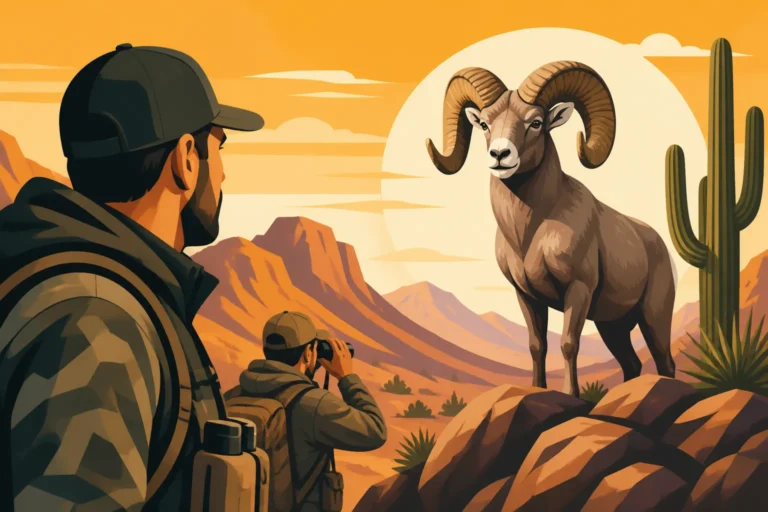
- Bighorn Sheep Hunts: Bighorn hunting is arguably one of the most demanding hunts in North America, let alone Arizona. It involves extreme physical exertion in brutal terrain, often with extensive glassing and long stalks. A 1:1 ratio is almost always preferred, and frequently offered, for these hunts. Your guide will literally walk beside you, help carry gear, constantly glass for sheep, assess ram quality, and guide you every step of the way through treacherous country. The focus is entirely on getting you a shot at a legal ram. This intense dedication is necessary given the difficulty and rarity of these tags.
Deer and Javelina: Balancing Value and Attention
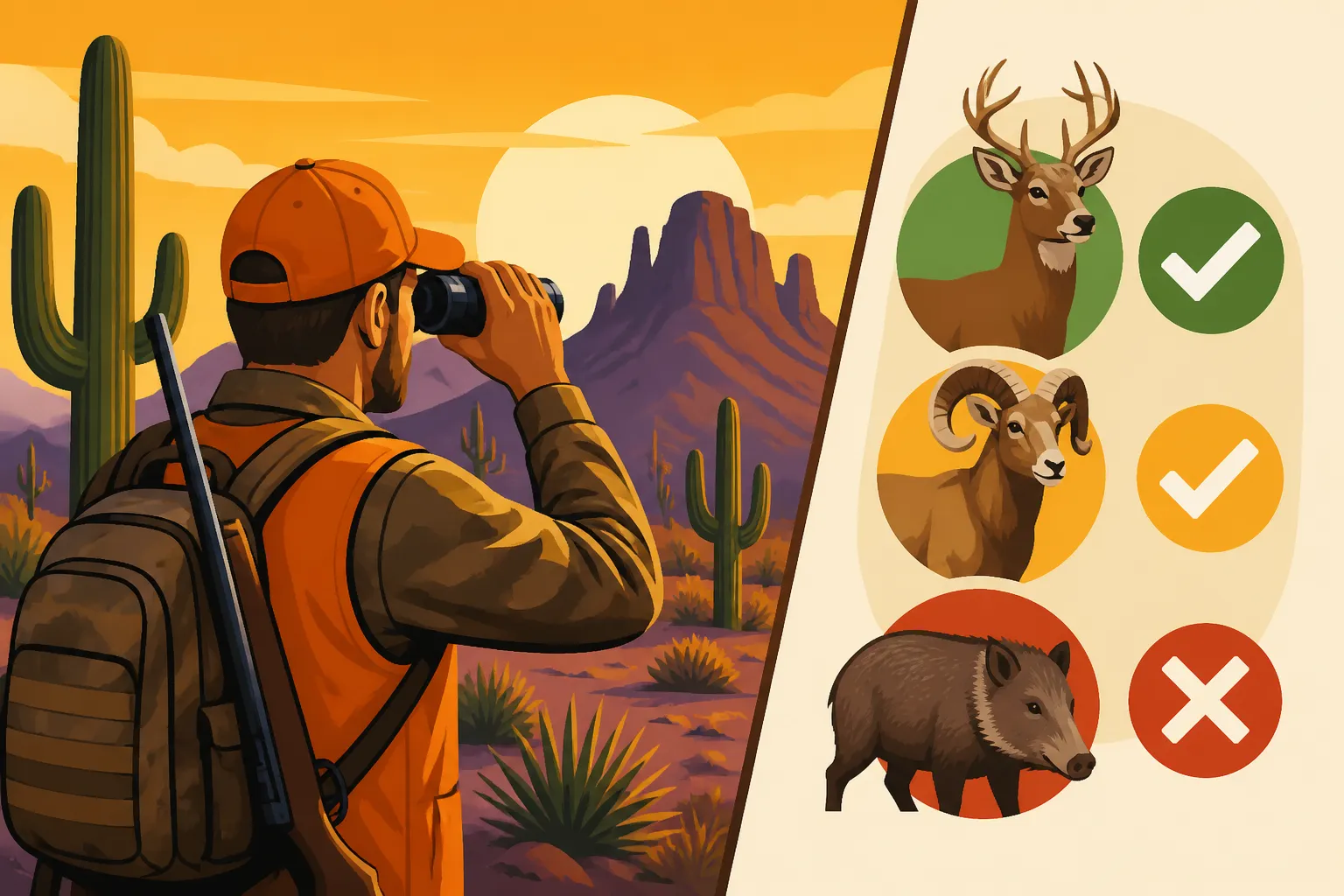
For species like Coues deer, mule deer, and javelina, there’s a bit more flexibility in guide-to-hunter ratios. While dedicated attention is always beneficial, the nature of these hunts can sometimes accommodate a 1:2 or even a 1:3 ratio, especially if the outfitter is experienced in managing groups.
- Coues Deer Hunts: Often called "gray ghosts," Coues deer are notoriously difficult to spot and stalk, thriving in the rugged Sky Islands of southern Arizona. While 1:1 is excellent for these hunts, a 1:2 ratio can also work very well. With two hunters and one guide, you essentially have more eyes glassing the vast, broken country. The guide can direct both hunters to potential deer, assist with field judging, and then orchestrate a stalk for one or both, often with one hunter waiting while the other attempts to get into position. This often makes for a great shared experience for two friends. What a Guided Arizona Coues Deer Hunt Costs might be more approachable with a 1:2 setup.
- Mule Deer Hunts: Whether it’s on the northern plateaus or the desert foothills, mule deer hunting often involves extensive glassing and covering significant ground. Similar to Coues, a 1:2 ratio can be very effective here, especially if the hunters are competent glassers themselves. The guide acts as a coordinator, a primary spotter, and a strategist, directing the hunters to advantageous positions or guiding them on stalks. The key is that the hunters themselves are actively participating in the hunt, which makes a 1:2 dynamic less taxing on the guide than it might be for other species.
- Javelina Hunts: Javelina hunts in Arizona are often fast-paced and can involve locating herds of these peccaries. Because javelina often move in groups and can be found in more open country or specific washes, a 1:2 or even 1:3 ratio can be quite feasible. The guide's role might involve spotting a herd, confirming legal animals, and then directing the group to close the distance. Since the goal is often to simply harvest a javelina, rather than a specific "trophy" animal, the pressure for individualized attention is often less. You might be Hunting a Stock Tank During Early Archery for javelina, where a guide can effectively manage a small group.
Drop Camps and Semi-Guided: Ratios Look Different Here
It's important to differentiate fully guided hunts from drop camps or semi-guided options, as the concept of "guide-to-hunter ratio" shifts significantly for these services. In these cases, you’re often paying for access, logistics, and support rather than constant, in-field presence.
- Drop Camps: With an Arizona drop camp, an outfitter typically packs you and your gear into a remote location, sets up a comfortable camp, and provides supplies. They might offer advice on where to hunt, but they usually do not provide a guide who stays with you daily. You are essentially on a DIY hunt with logistical support. Therefore, a guide-to-hunter ratio doesn’t really apply during the actual hunting days; it’s more about the ratio of packers and camp staff during setup and breakdown. What an Arizona Drop Camp Costs will reflect this support service.
- Semi-Guided Hunts: These are a hybrid approach. An outfitter might provide transportation to hunting areas, assist with scouting reports, offer advice on tactics, and perhaps even spend some time with you in the field, but they won't be with you every minute of every day. For semi-guided hunts, you need to clarify precisely what level of in-field support is included. The "ratio" might mean they check in on a group of hunters daily, or they might split their time between multiple small groups. It's crucial to understand these nuances, as your self-reliance needs to be much higher than on a fully guided trip.
The Pros and Cons of Different Guide to Hunter Ratios
Choosing the right guide-to-hunter ratio for your Arizona hunt isn't just about price; it's about matching the experience to your expectations, skill level, and hunting goals. Each ratio offers distinct advantages and disadvantages that can significantly shape your time in the field.
The Intimacy and Focus of a 1:1 Ratio
A 1:1 guide-to-hunter ratio represents the pinnacle of personalized hunting experiences. It's often chosen by hunters seeking their ultimate trophy, those with specific physical needs, or individuals new to a particular hunting style or species.
Pros:
- Maximum Personalized Attention: Your guide's focus is entirely on you. This means constant feedback, immediate responses to questions, and an unbroken dialogue about strategy, animal behavior, and terrain. They are there to anticipate your needs, whether it's adjusting a bipod, ensuring you have water, or simply offering encouragement.
- Tailored Strategy: The entire hunt can be customized to your pace, preferences, and physical abilities. If you need to rest, the hunt pauses. If you want to spend extra hours glassing a specific canyon, that’s where you go. There’s no compromise needed with another hunter.
- Enhanced Learning Opportunity: For newer hunters or those looking to expand their skills, a 1:1 ratio offers an unparalleled educational experience. Your guide can provide hands-on instruction in glassing techniques, reading sign, stalking, and shot placement. They become a true mentor for the duration of the trip.
- Higher Probability of Success (Often): While success is never guaranteed in hunting, having a dedicated guide means more eyes constantly searching, more strategic decision-making focused on your opportunity, and quicker reactions to changing conditions. This level of dedication can significantly increase your odds on challenging hunts.
- Flexibility in the Field: If a prime opportunity arises far from your current location, a 1:1 setup allows for immediate, unhindered pursuit without considering another hunter's position or capabilities. You can shift gears quickly to capitalize on a fresh track or a newly spotted animal.
Cons:
- Higher Cost: This level of dedicated service naturally comes with a premium price tag, as you are essentially hiring a professional for your exclusive use. The All-In Cost of an Arizona Nonresident Elk Hunt will definitely be higher with a 1:1 guide.
- No Hunting Partner: If you enjoy sharing the daily experiences of a hunt with a friend or family member, a 1:1 ratio might feel a bit solitary, as your primary companion will be your guide.
- Intense Focus: While a pro, the constant one-on-one attention can sometimes feel a bit intense for hunters who prefer more independence or quiet reflection during their time afield.
The Dynamics of a 1:2 or 1:3 Ratio
These ratios offer a blend of professional guidance and shared experience, often making them a popular choice for groups of friends or those seeking a more budget-conscious option without sacrificing all professional support.
Pros:
- More Affordable: Sharing a guide's cost among two or three hunters significantly reduces the per-person expense, making a guided hunt more accessible. This is a common way to manage The All-In Cost of an Arizona OTC Archery Deer Hunt.
- Shared Experience: Hunting with a friend or family member can create lasting memories and is often a key reason many people choose a guided hunt. You get to celebrate successes together and commiserate over the challenges. Consider Splitting an Outfitted Hunt With a Partner to make it happen.
- More Eyes and Ears: With multiple hunters, you have more people actively glassing and listening, which can sometimes lead to spotting game that a single guide might miss. The guide can also leverage this by strategically positioning hunters.
- Camaraderie in Camp: Beyond the hunt itself, the shared experience extends to camp life, meals, and evening discussions, fostering a sense of camaraderie.
Cons:
- Divided Attention: The most significant drawback is that the guide's attention is split. During critical moments, like a stalk or identifying an animal, the guide might be focused on one hunter, meaning the other(s) receive less immediate input.
- Compromise is Key: Decisions about where to hunt, how long to glass, and who gets the shot opportunity often require discussion and compromise among the hunters. This can slow down the hunt or lead to missed chances if the group can't quickly agree.
- Slower Pace (Potentially): Moving a group of two or three hunters through challenging terrain, especially during a stalk, is inherently slower and more complex than moving just one.
- Reduced Learning: While you’ll still learn from a guide, the personalized instruction will be less intense than a 1:1, as the guide juggles multiple needs.
- Less Flexibility: The guide’s ability to quickly change plans or chase a new lead might be limited by the logistics of moving the entire group.
| Ratio | Typical Hunt Types | Pros | Cons |
|---|---|---|---|
| 1:1 | Trophy Elk, Bighorn, Premium Deer, First-Time Hunts | Max attention, tailored strategy, great learning, higher success | Most expensive, solitary experience, potentially intense |
| 1:2 | Elk, Deer, Pronghorn, Bear, Predator Calls | Affordable for pairs, shared experience, more eyes, good attention | Divided attention, some compromise, slightly slower pace |
| 1:3+ | Javelina, Small Game, Budget Hunts | Most affordable, group camaraderie, can cover more ground | Least individual attention, significant compromise, very group-dependent |
What to Ask Your Outfitter About Ratios and Expectations
Understanding guide-to-hunter ratios is only half the battle; the other half is effectively communicating with your potential outfitter to ensure their interpretation and operational practices align with your expectations. Don't be afraid to ask direct, pointed questions. This is an investment of your time, money, and emotional energy, and you deserve clarity. Resources like BookYourHunt and GoHunt are excellent places to start researching outfitters and checking reviews from past clients, which can sometimes hint at how they manage their ratios in practice.
Clarifying the "Guide" Role and In-Field Support
It's absolutely essential to dig deeper into what "guide" means in the context of the stated ratio. Some outfitters might include camp cooks or drivers in their overall staffing numbers, which isn't what you're asking about when you inquire about an in-field guide.
- "When you say a 1:2 guide-to-hunter ratio, does that mean one hunting guide actively with us in the field, or does that include other support staff?" Be specific. You want to know how many experienced hunters will be dedicated to finding and stalking game with you.
- "Will my guide be exclusively with my group throughout the entire hunting day, or will they be rotating between multiple groups?" This is a huge differentiator, especially for semi-guided options. If a guide is splitting their time between two different groups in two different areas, your in-field attention effectively drops.
- "What are the qualifications and experience levels of the guides working the 1:1 or 1:2 hunts?" A great ratio means little if the guide is inexperienced. Ask about their knowledge of the specific unit, species, and hunting methods.
- "What is the typical daily schedule for a guided hunt at this ratio?" Understanding the flow of the day – how much time is spent glassing, stalking, driving, or resting – can reveal how effectively the guide manages the group. This helps set expectations for Physical Conditioning for a Sky Island Hunt or any other challenging terrain.
Beyond the Numbers: Logistics and Camp Support
The guide-to-hunter ratio usually only refers to the direct hunting component. However, the overall support system for your hunt influences the entire experience. Don't forget to inquire about the broader logistics.
- "What additional staff are present in camp, such as cooks, wranglers, or camp jacks?" While not guiding, these individuals free up your hunting guide to focus solely on the field, which indirectly enhances your guided experience. For instance, if your guide doesn't have to cook dinner or chop firewood, they can spend more time scouting or resting for the next day's hunt.
- "How does meat care and pack-out logistics work with this ratio?" If you harvest a large animal like an elk, the process of field dressing, packing out, and getting the meat cooled quickly is critical, especially in Arizona's warmer seasons. Ask if the guide handles all of this, or if additional support is brought in. You want to know about Getting Meat Cooled on an Early Season Hunt.
- "What are the typical camp accommodations and amenities, and is there dedicated camp staff?" A comfortable camp run by efficient staff allows you and your guide to be well-rested and focused on the hunt.
- "Will we be using vehicles, ATVs, or horses for transport during the hunt, and how does the guide manage that with the given ratio?" Logistics of moving multiple people and gear can be complex, and a good outfitter will have this dialed in. For those doing a horseback hunt, understanding the dynamics of a Horseback and Pack String Outfitters in Arizona is important.
How Ratios Impact Success Rates and Experience
While a good ratio doesn't guarantee success, it significantly contributes to the quality of the hunt and the potential for a harvest. Outfitters often provide Arizona Outfitter Success Rates for Elk or other species, but remember that a high overall success rate doesn't always reflect your individual experience if the guide-to-hunter ratio is stretched too thin.
- "How does your guide-to-hunter ratio typically impact your success rates on this particular hunt?" Listen for honest answers and ask for specifics, not just general statements.
- "What happens if one hunter in a 1:2 group fills their tag early? Does the guide then focus 100% on the remaining hunter, or do they assist with camp duties?" Understanding this contingency plan is important for both hunters in a paired hunt.
- "Can I speak with references who have hunted with you at the specific guide-to-hunter ratio I am considering?" This is perhaps the most valuable question you can ask. Talking to past clients will give you unfiltered insights into their actual experiences with the outfitter’s ratios. Websites like BookYourHunt allow you to read verified reviews, which often touch on the guide's attentiveness. Meanwhile, resources like GoHunt can help you research specific units and historical harvest data, which can provide context to an outfitter's claims. By combining direct questions with independent research, you empower yourself to make the best decision for your Arizona hunting adventure.
Disclaimer
This article is for general informational purposes only and does not constitute professional advice. Laws, prices and regulations vary by location and change over time. Consult a qualified professional for guidance on your specific situation.