Do Arizona Tribal Hunts Require a State License?
It's incredibly common to feel a bit lost when trying to understand the overlapping, and sometimes seemingly contradictory, regulations that govern hunting across Arizona. You've got state land, federal land, private land, and then there are the tribal lands, each with their own set of rules. This guide will cut through that confusion, specifically addressing whether you need an Arizona state hunting license to pursue game on tribal lands, and what you do need instead.
Understanding Tribal Sovereignty and Hunting Rights
One of the biggest sources of confusion for hunters looking at opportunities on tribal lands in Arizona is the idea of sovereignty. Many hunters assume that if they're in Arizona, all hunting regulations must come from the Arizona Game and Fish Department (AZGFD). But that's not quite how it works when it comes to tribal nations.
The Foundation of Tribal Self-Governance
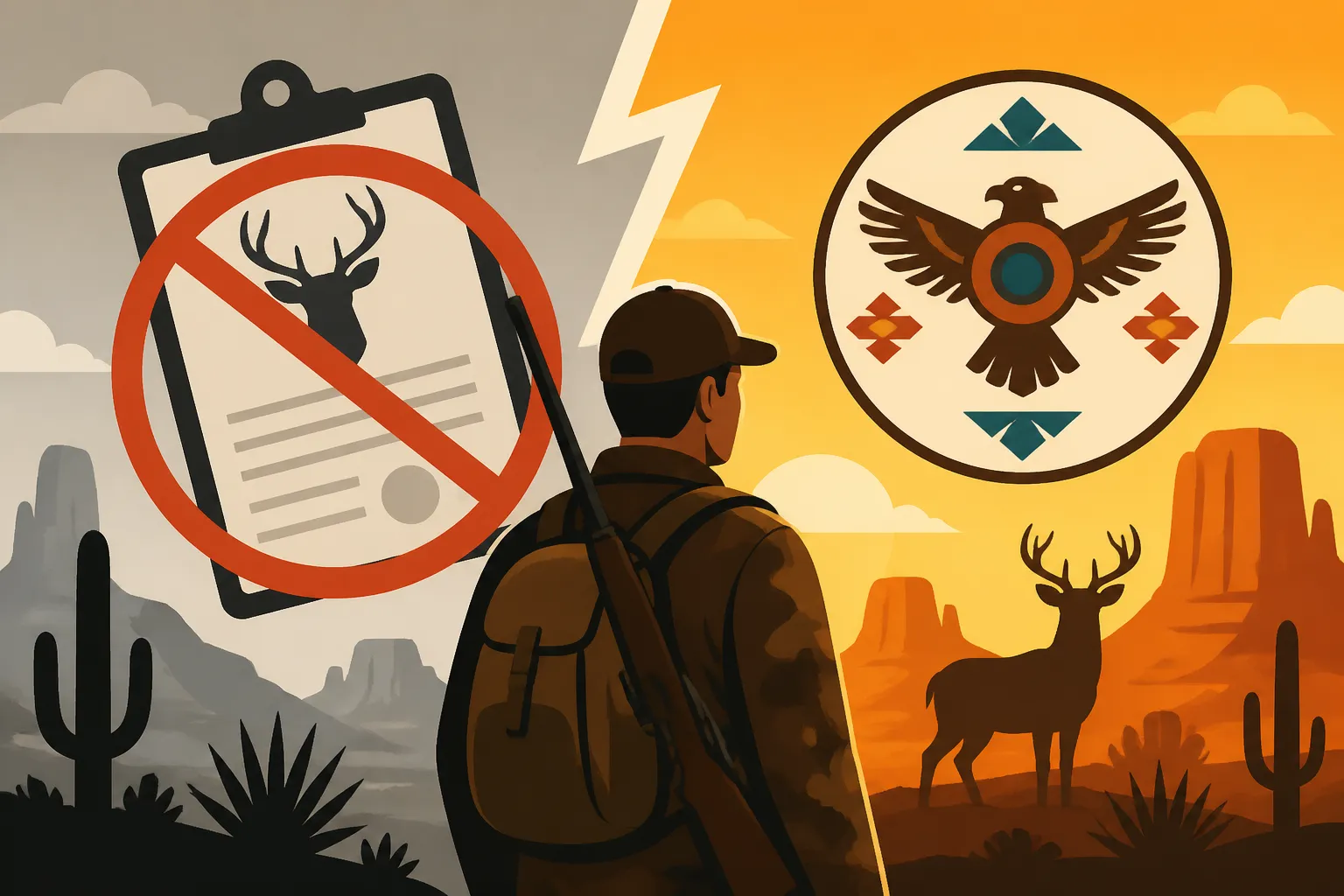
Native American tribes in Arizona are recognized as sovereign nations within the United States. This means they possess the inherent authority to govern themselves, including the management of their natural resources and wildlife within their reservation boundaries. They have their own governments, laws, and enforcement agencies. Think of it less like hunting in a different county and more like hunting in a different country, or at least a distinct jurisdiction. They manage their wildlife populations, set their own seasons, determine bag limits, and issue their own hunting permits and tags, completely separate from the state of Arizona. This self-governance is rooted in treaties, federal law, and their inherent rights as sovereign entities. It's a critical distinction to grasp because it forms the very basis of why state licenses often don't apply.
Why State Licenses Don't Apply on Tribal Lands
Because tribal nations manage their own wildlife, the revenue generated from hunting permits and tags on their lands goes directly to supporting their conservation efforts, wildlife management programs, and tribal services. This is different from the state system, where your Arizona hunting license fees and tag purchases contribute to AZGFD's budget for statewide conservation. If you were to hunt on tribal land with only a state license, you wouldn't be contributing to the tribal nation's wildlife programs, and you wouldn't be adhering to their specific regulations, which they have every right to enforce. So, generally speaking, an Arizona state hunting license is not required to hunt on tribal lands. What is required is a tribal hunting permit or license issued by the specific tribe whose land you intend to hunt. This is a common point of misunderstanding, and it's why it's so important to research the exact requirements for each tribal nation.
The Specifics of Hunting on Arizona Tribal Lands
Arizona is home to many tribal nations, and while the general principle of tribal sovereignty applies to all, the specifics of hunting regulations, seasons, available species, and permit requirements can vary significantly from one reservation to another. You can't assume that what applies on the White Mountain Apache Reservation will apply on the Navajo Nation, for example.
White Mountain Apache and San Carlos Apache Examples
When we talk about hunting on tribal lands in Arizona, two of the most frequently discussed are the White Mountain Apache Tribe and the San Carlos Apache Tribe. Both are renowned for their incredible big game opportunities, especially for elk.
- White Mountain Apache Tribe: This reservation, often referred to simply as "the White Mountain," is legendary for its elk hunting. They run their own robust wildlife and recreation department. To hunt here, you absolutely need a White Mountain Apache Tribe hunting permit and a tag specific to the species and hunt you're pursuing. They offer a range of hunts, from guided trophy elk opportunities to general season deer hunts, and each has its own application process, fees, and rules. Their permits are distinct from any state license, and you'll interact directly with their game and fish department or licensed tribal outfitters. If you're looking for White Mountain Apache Guided Elk Hunts, you'll be dealing with their system.
- San Carlos Apache Tribe: Similar to the White Mountain Apache, the San Carlos Apache Tribe manages its own hunting programs, offering coveted opportunities for species like elk, deer, and javelina. Their San Carlos Apache Trophy Hunts are highly sought after. Again, state licenses are not applicable here. You'll need to secure your permits and tags directly from the San Carlos Apache Tribe's Recreation and Wildlife Department. They have their own seasons and regulations, which are meticulously crafted to manage their unique wildlife populations.
These examples highlight a critical point: tribal lands are not a monolith. Each nation has its own approach.
What an Arizona Tribal Hunting Permit Includes
A tribal hunting permit or license functions similarly to a state hunting license within the reservation boundaries. It grants you the privilege to hunt according to that tribe's specific regulations.
Typically, a tribal permit will:
- Grant legal access: It allows you to enter and hunt on the designated tribal lands.
- Cover a specific period: Like state licenses, they are usually valid for a defined season or duration.
- Outline rules and regulations: The permit will come with or refer to a comprehensive set of rules regarding seasons, bag limits, weapon restrictions, reporting requirements, and ethical conduct specific to that tribal nation.
- Fund tribal wildlife management: The fees collected directly support the tribe's conservation efforts, wildlife surveys, habitat improvement projects, and law enforcement.
It's imperative to understand that a tribal permit is not a substitute for an Arizona state license if you plan to hunt outside reservation boundaries. If you hunt a tribal land and then decide to pursue small game or a different big game species on adjacent Arizona state or federal land, you would need the appropriate state licenses and tags for those areas. This is why paying close attention to Tribal Land Boundaries Arizona Hunters Must Respect is so important.
Navigating the Regulations for a Successful Hunt
The idea of separate regulations might seem daunting at first, but with careful planning and respect for tribal sovereignty, it's quite manageable. The key is to approach tribal hunts with the understanding that you are operating under a different legal framework.
The "Why" Behind Separate Regulations
The reason Why Tribal Tags Sit Outside the State Draw is fundamentally about respect for self-determination and the historical context of tribal nations. These nations were here long before Arizona became a state, and their inherent rights to manage their lands and resources have been affirmed through numerous legal decisions and federal policies. From a practical standpoint, it allows tribes to tailor their wildlife management to their specific ecological conditions, cultural practices, and economic development goals. For instance, a tribe might prioritize trophy quality for elk hunts to maximize revenue for their communities, or they might manage deer populations in a way that differs from the state's approach due to habitat conditions unique to their lands. It's a system designed to empower the tribes to be stewards of their own resources in a way that best serves their people and the land.
Key Differences Between State and Tribal Rules
To help clarify the differences, here's a general comparison. Remember, this is a simplification, and you must consult the specific tribal regulations for any hunt you're planning.
| Feature | Arizona State Land Hunting | Arizona Tribal Land Hunting (General) |
|---|---|---|
| License/Permit | Arizona Hunting License required + species-specific tag | Tribal Hunting Permit/License required + species-specific tag (from tribe) |
| Jurisdiction | AZ Game and Fish Department (AZGFD) | Individual Tribal Nation's Game & Fish/Wildlife Department |
| Regulations | AZGFD Regulations (hunting proclamation, general orders) | Tribal Council Ordinances, Tribal Game & Fish Regulations |
| Application | AZGFD Draw (February & June cycles), OTC, Bonus Points | Tribe's own application process, sales, or draw, no state bonus points |
| Revenue Use | Funds statewide AZGFD conservation and operations | Funds Tribal wildlife management, conservation, and services |
| Hunter Education | Required for under 14 (state) | May have own requirements (check with tribe) |
| Weapon Rules | State-specific rules (e.g., broadhead width, draw weight) | Tribe-specific rules (may differ from state) |
| Enforcement | AZGFD Game Wardens, local law enforcement | Tribal Game Wardens, Tribal Police |
This table underscores that while the act of hunting is similar, the administrative and legal frameworks are entirely separate. You wouldn't use your Arizona Sets Bow Draw at 30 Pounds and Crossbows at 125 knowledge to guess at tribal bow requirements; you'd check the tribal regs.
Planning Your Tribal Land Adventure
Embarking on a hunt on tribal lands can be an incredibly rewarding experience, offering unique landscapes, wildlife, and cultural immersion. However, proper planning and a respectful approach are paramount.
How Tribal Hunts Are Booked
The process for How Arizona Tribal Hunts Are Booked can vary. Many tribes, especially for highly sought-after species like trophy elk, run their own application or draw systems, much like the state, but entirely independent of it. These applications typically involve specific deadlines and fees. Some tribes also sell tags directly, either online or through their wildlife departments. For premium hunts or those requiring specialized access, many tribes work with licensed tribal outfitters. These outfitters are permitted by the tribe and can guide hunters, arrange logistics, and help navigate the tribal regulations. Websites like BookYourHunt might list some of these tribal outfitting opportunities, but it's always best to verify directly with the tribe or the outfitter's tribal permits. Don't rely solely on third-party information without double-checking.
Researching Specific Tribal Regulations
Before you even think about packing your gear, your first step must be thorough research of the specific tribal nation you wish to hunt.
- Identify the Tribe: Know exactly which tribal land you're interested in. Arizona has numerous tribes, and their lands are clearly marked on public land maps (though often not as individual "units" in the state sense).
- Locate Their Wildlife Department: Most tribes with hunting programs have a dedicated wildlife, game and fish, or recreation department. A simple online search for "[Tribe Name] Game and Fish" or "[Tribe Name] Hunting Permits" will usually lead you to their official website.
- Download Regulations: Look for their current year's hunting regulations, proclamations, or brochures. These documents are your bible for understanding what's legal and what's not. They will clearly outline What an Arizona Tribal Hunting Permit Includes, season dates, species available, weapon restrictions, and any other rules.
- Contact Directly: If anything is unclear, don't hesitate to call or email their wildlife department. They are the ultimate authority and can provide accurate information. This direct communication is invaluable for avoiding misunderstandings.
Remember, services like GoHunt are fantastic for researching Arizona state hunting units and draw odds, but they won't typically provide detailed, current information for tribal lands because those operate under a separate jurisdiction. You'll need to go directly to the source for tribal hunts.
Respecting Tribal Land and Culture
Hunting on tribal lands isn't just about following rules; it's also about showing profound respect for the land, the wildlife, and the culture of the tribal nation. These lands hold deep historical and spiritual significance.
- Adhere to all rules: This goes without saying. Treat tribal regulations with the same or even greater seriousness than state laws. Violations can have severe consequences, including fines, confiscation of game/equipment, and bans from tribal lands.
- Be a good guest: Remember you are a guest on sovereign land. Be courteous, follow all directives from tribal authorities, and leave no trace.
- Understand cultural nuances: If possible, educate yourself a little about the tribe's history and traditions. While not mandatory for hunting, it can enrich your experience and foster mutual respect.
- Conservation is key: Tribal nations are deeply committed to conserving their natural resources. Your adherence to their rules directly supports their ongoing efforts.
Hunting on tribal lands offers an incredible opportunity to experience Arizona's wild places and diverse wildlife in a unique context. By understanding the principle of tribal sovereignty and diligently researching and respecting each nation's specific requirements, you can ensure a legal, ethical, and memorable hunting adventure without needing an Arizona state license.
Disclaimer
This article is for general informational purposes only and does not constitute professional advice. Laws, prices and regulations vary by location and change over time. Consult a qualified professional for guidance on your specific situation.