How Arizona Tribal Hunts Are Booked
The world of Arizona hunting can feel like a labyrinth sometimes, especially when you start looking beyond the state-managed draws and into the unique opportunities presented by tribal lands. Many hunters dream of the quality animals that roam these territories, but the whole process can seem daunting and shrouded in mystery. It’s not like applying for a state tag, and trying to figure out who to contact, what permits you need, and how much it’ll all cost can quickly lead to frustration. This guide is here to unravel that mystery, walking you through exactly how Arizona tribal hunts are booked and what to expect along the way.
Understanding the Landscape of Arizona Tribal Hunting
When you’re planning a hunt in Arizona, most of your focus naturally falls on the Arizona Game and Fish Department (AZGFD) and their well-known draw system. But tucked away across the state are sovereign tribal nations, each with its own jurisdiction over its lands and wildlife. This creates a fascinating, albeit different, set of hunting opportunities that operate entirely outside of the conventional state framework. It's a completely separate system, from the permits to the prices, and understanding this fundamental difference is your first critical step.
Why Tribal Lands Operate Differently
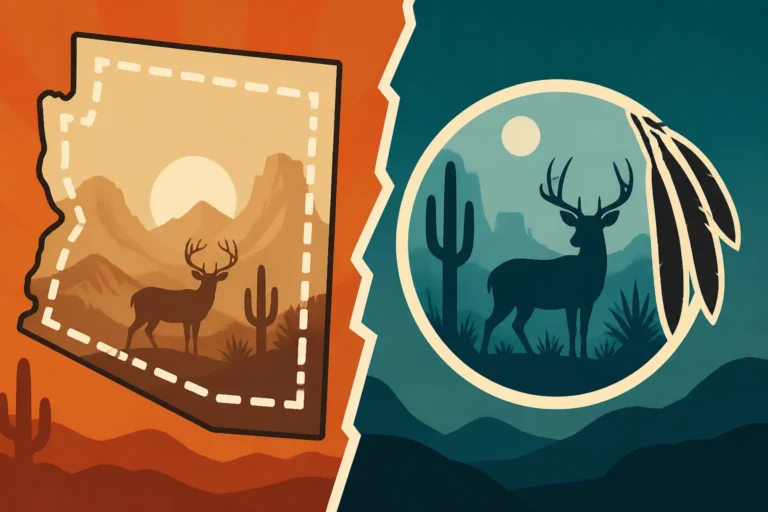
The core distinction lies in sovereignty. Native American tribes in Arizona are recognized as sovereign nations, meaning they have the inherent authority to govern themselves and manage their own resources, including wildlife, on their reservation lands. This isn't just a nuance; it's the foundation of why hunting on tribal lands is a different ballgame. The Arizona Game and Fish Department's regulations, licenses, and tags simply do not apply on tribal reservations. Instead, each tribe maintains its own game and fish department, establishes its own hunting seasons, sets its own bag limits, and issues its own permits and tags.
Think of it like hunting in another state, but often with even more specific local regulations. You won't find these opportunities listed in the main AZGFD regulations booklet, nor will your state hunting license grant you access or permission to hunt. Hunters often wrestle with the perception that all land in Arizona falls under one umbrella of rules, but tribal lands are a clear exception, offering unique conservation strategies and often resulting in exceptional wildlife populations, especially for species like elk and deer. The tribes prioritize their cultural heritage, land stewardship, and economic well-being through these programs, which means a different set of expectations for visiting hunters.
Key Arizona Tribes with Hunting Opportunities
While many tribes call Arizona home, a few stand out for their renowned big game hunting programs, attracting hunters from across the nation seeking truly world-class opportunities. The most prominent among these are the White Mountain Apache Tribe and the San Carlos Apache Tribe. Both of these tribes are celebrated for their incredible elk hunting, often producing some of the largest bulls in the state, if not the entire Southwest.
The White Mountain Apache Tribe, located in the east-central part of the state, manages vast tracts of timbered mountains and high-desert plateaus. Their elk hunts are legendary, often yielding high success rates on mature bulls. They also offer opportunities for other species like mule deer, bear, and turkey. Similarly, the San Carlos Apache Tribe, situated to the south of the White Mountain Apache Reservation, is another powerhouse for elk, with a reputation for trophy-quality animals. Their landscapes range from desert lowlands to pine-covered mountains, offering diverse hunting experiences. While these two tribes are the most well-known for their big game, other tribes might offer limited hunting for smaller game or specific big game species, so it’s always worth researching individual tribal game and fish departments if you have a specific area or species in mind.
The Booking Process: Step-by-Step for Tribal Hunts
Booking a tribal hunt is distinct from the state draw process. It typically involves either direct communication with the tribe's game and fish department or working with an outfitter authorized by the tribe. This dual approach gives hunters some flexibility, but understanding the nuances of each path is crucial to a successful booking.
Direct vs. Outfitter Booking
When it comes to securing a tribal hunt, you generally have two main avenues: applying directly through the tribal game and fish department or booking through an authorized outfitter. Both have their advantages and disadvantages, and the best path for you often depends on your experience, budget, and desired level of support.
Direct Booking: Some tribes offer tags directly to the public, often through an application or draw process that mirrors, in some ways, the state's system. You would need to contact the specific tribe's game and fish department, usually found through their official website, to inquire about their direct tag sales. This route typically involves a deeper dive into their specific regulations, application periods, and fees. The benefit of direct booking is that it might sometimes be less expensive than going through an outfitter, as you're not paying for their services. However, it also means you're responsible for all your own logistics, scouting, and guiding – which, depending on the tribe, might be a requirement. For instance, some tribes mandate that non-tribal members be accompanied by a tribal guide, even if you secure the tag directly.
Outfitter Booking: For many premier tribal hunts, especially for trophy elk or other big game, booking through a tribal-licensed outfitter is not just common; it's often the only practical, or even mandatory, way to hunt. These outfitters have established relationships with the tribes, sometimes receiving a quota of tags directly, or acting as booking agents for tags the tribe sells. They handle all the intricate tribal paperwork, permits, and often provide the required tribal guide services, lodging, and logistical support. Using an outfitter simplifies the process immensely for hunters unfamiliar with tribal regulations and terrain. It's an investment, but it takes the guesswork out of navigating a complex system. Platforms like BookYourHunt can be a great starting point for finding reputable outfitters who specialize in these unique hunts. They often list outfitters who have established credentials with various tribes, streamlining your search for a trusted guide.
Navigating Tribal Regulations and Fees
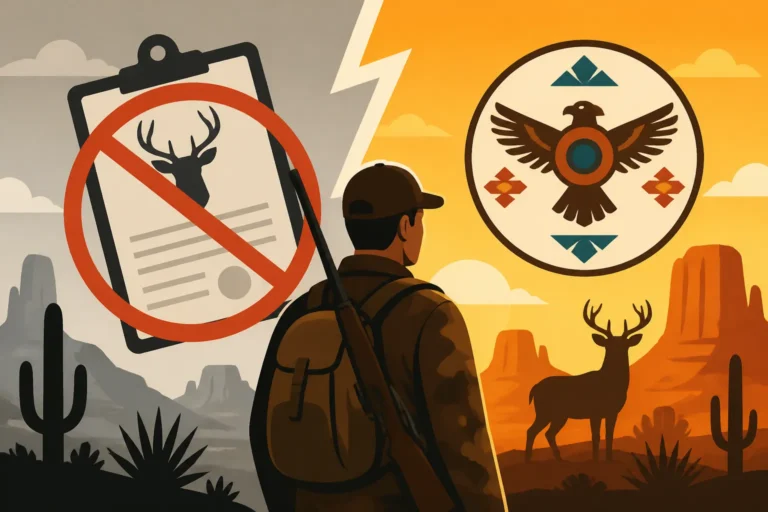
One of the biggest hurdles for hunters looking at tribal lands is understanding that a completely different set of rules and fees apply. Your standard Arizona hunting license is not valid on tribal lands, nor are your state bonus points or application history relevant. You'll need to acquire specific tribal permits and licenses directly from the respective tribe.
The first step is always to research the specific tribe you're interested in. Their game and fish department website is your primary source of information. Here, you'll find details on hunting regulations, season dates (which often differ significantly from state seasons), tag availability, and application procedures. Each tribe has its own fee structure, and these fees can be substantial, reflecting the quality of the hunting experience and the tribe's commitment to wildlife management. These costs often include a non-refundable application fee, the cost of the tribal hunting license, and the tag fee for the specific species you're pursuing. Additionally, many tribal hunts require the use of a tribal guide, and the fees for these services are typically separate and can be quite high. It's crucial to budget for these multiple layers of expense. Sometimes, a resource like GoHunt can provide an overview of tribal hunt opportunities and average costs, helping you prepare for the financial commitment involved before you even contact a tribe or outfitter.
It's not uncommon for tribal hunt fees to be in a different league than state tags, especially for highly sought-after trophy hunts. These fees contribute directly to the tribe's wildlife management, conservation efforts, and community programs. This often means very well-managed herds and exceptional hunting opportunities. Always clarify what is included in the stated price – does it cover the tribal license, the tag, guide fees, food, lodging, and field transportation? A clear understanding upfront prevents any surprises down the line.
| Feature | Arizona State Hunts | Arizona Tribal Hunts (e.g., White Mountain Apache) |
|---|---|---|
| Governing Authority | AZGFD | Sovereign Tribal Nation |
| Licenses/Permits | State hunting license, draw tags | Tribal hunting license, tribal tags |
| Regulations | AZGFD annual regulations | Tribe's specific game & fish regulations |
| Application Process | State draw system, bonus points | Direct application/draw, or via authorized outfitter |
| Cost Structure | State license + tag fees | Tribal license + tag fees + (often) guide fees |
| Guide Requirement | Generally optional (except for some species) | Often mandatory for non-tribal members |
| Access | Public lands (BLM, USFS, State Trust) | Tribal reservation lands only |
| Season Dates | Set by AZGFD, usually fixed | Set by tribe, can differ significantly |
| Draw Odds / Tags | Often competitive, random/point-based | Varies, sometimes higher success due to management |
What to Expect: Planning Your Tribal Hunt
Once you've navigated the booking process, whether directly or through an outfitter, the actual hunt on tribal lands often involves specific logistical and experiential considerations that differ from a typical public land hunt in Arizona. Knowing what to expect in terms of hunt structure, guide services, and tag allocation can help you mentally and physically prepare for an unforgettable experience.
Hunt Structure and Logistics
Tribal hunts, particularly for big game like elk, are typically structured as fully guided experiences. This means a significant portion of the logistics are handled for you, from camp setup to daily transportation. Hunt durations often range from 5 to 7 days, providing ample time to locate and pursue your animal. The type of camp can vary wildly depending on the outfitter or the tribal program: some might offer comfortable wall tent camps with cooks and amenities, while others might be more rustic spike camps, especially for hunts deep in the backcountry. Drop Camps in Arizona's Rim Country are a concept many hunters are familiar with, but tribal drop camps might have specific rules regarding who can set them up and occupy them.
Transportation in the field is also usually provided by your guide, often utilizing ATVs, 4×4 vehicles, or even horses to access remote areas. This can be a huge advantage when navigating vast and sometimes roadless tribal lands. Food, lodging, and expert guiding are usually part of the package when booking through an outfitter. However, always confirm these details in your contract. You'll want to know what personal gear you're expected to bring, what services are included, and what to expect regarding daily routines. The goal of a tribal hunt is often to provide a premium experience, so expect a high level of organization and support from your outfitter and tribal guides.
Tag Allocation and Success Rates
Tribal tag allocation varies by tribe and species. Some tribes might offer tags on a first-come, first-served basis once they are released, while others might run their own internal lottery system. For high-demand hunts, especially trophy elk, tags are often heavily weighted towards or exclusively allocated through authorized outfitters. This is where researching reputable outfitters through services like BookYourHunt becomes invaluable. These outfitters are typically well-versed in the tribal tag allocation process and can advise you on the best timing and strategy for securing a tag.
Success rates on tribal hunts, particularly for trophy animals, are often notably higher than on state public lands. This isn't just luck; it's a testament to the tribes' dedicated wildlife management programs, which often involve conservative harvest quotas, habitat improvements, and strict monitoring. For example, some tribal lands are known for their ability to produce massive elk due to genetics, forage quality, and limited pressure. While no hunt guarantees success, the odds of encountering and harvesting a quality animal on many tribal lands are significantly enhanced. This higher probability of success, especially for a truly exceptional animal, is a major draw for hunters willing to invest in these unique opportunities. You can often find historical success rates or trophy quality information on tribal game and fish websites, or by asking your chosen outfitter. GoHunt might also provide insights or data points on various tribal hunt outcomes.
Important Considerations and Ethical Hunting
Venturing onto tribal lands for a hunt is a privilege that comes with specific responsibilities beyond simply following hunting regulations. It's an opportunity to experience unique cultures and landscapes, and approaching it with respect and a clear understanding of the expectations is paramount.
Cultural Respect and Rules
Hunting on tribal lands is not just about the pursuit of game; it's about being a guest on someone else's sovereign territory. This requires a heightened sense of cultural awareness and respect. You'll be expected to adhere not only to hunting regulations but also to the tribe's broader rules and customs. This might include restrictions on alcohol consumption, specific photography policies, or guidelines regarding access to certain sacred sites or areas. Always remember that the land is deeply significant to the tribal members, and your conduct should reflect that understanding.
Engage with your tribal guides and any tribal members you encounter with courtesy and an open mind. They are not just guides; they are stewards of their land and culture, and often a wealth of knowledge about the ecosystem and its history. Asking questions respectfully and listening attentively can enrich your hunting experience beyond measure. Avoiding littering, respecting private property within the reservation boundaries, and leaving the land exactly as you found it are not just good hunting practices; they are expressions of respect for your hosts. Familiarize yourself with the specific tribal codes of conduct provided by the game and fish department or your outfitter before your hunt. Water Sources and Ethics in Arizona Desert Hunting might also be relevant, as tribal lands often have unique water management systems important to local wildlife and communities.
Financial Commitment and Planning
There's no sugarcoating it: Arizona tribal hunts, especially for coveted species like trophy elk, represent a significant financial investment. We touched on the various fees earlier, but it bears repeating that these hunts are typically on the higher end of the hunting spectrum. The cost usually reflects the exceptional quality of the animals, the intensive management programs, the expertise of tribal guides, and the comprehensive logistical support provided. This isn't a budget hunt; it's an investment in a premium, often once-in-a-lifetime, experience.
Because of the substantial financial commitment, meticulous planning is essential. Start researching tribal hunt opportunities and potential outfitters well in advance, often a year or more out. This allows you to understand the full cost, save accordingly, and secure your spot as demand for these hunts is high. Get a clear, written contract from your outfitter detailing all inclusions, exclusions, payment schedules, and cancellation policies. Understand what happens if you fail to draw a tag, or if unforeseen circumstances require you to cancel. Platforms like BookYourHunt can connect you with outfitters who offer clear contracts, and services like GoHunt might offer research tools to compare value across different tribal hunting opportunities. Don't be afraid to ask for references from past clients, and always thoroughly vet any outfitter you consider. Vetting an Arizona Outfitter Before You Send a Deposit is incredibly important for any guided hunt, but especially so when dealing with the unique dynamics and higher price points of tribal hunting. This careful planning ensures your focus can be on the hunt itself, rather than unexpected financial burdens.
Disclaimer
This article is for general informational purposes only and does not constitute professional advice. Laws, prices and regulations vary by location and change over time. Consult a qualified professional for guidance on your specific situation.