Predator Hunt Add-Ons Worth Booking
You’ve finally secured that coveted Arizona big game tag, maybe an elk permit for the Mogollon Rim or a mule deer tag for the Kaibab Plateau. You’re already planning the trip, investing time and money, and spending precious vacation days in the field. But why stop there? Many hunters find that adding a predator hunt to their primary big game excursion not only maximizes their time afield but also offers unique challenges and helps with overall wildlife management, giving you even more reasons to be out enjoying the wild spaces of Arizona. This guide will walk you through the benefits, popular species, practical considerations, and how to find the right outfitter for a successful predator hunt add-on.
Why Add a Predator Hunt to Your Arizona Big Game Trip?
It’s a fair question, especially when your focus is locked onto that primary big game animal. But when you’re already immersed in the Arizona wilderness, the opportunities to enhance your experience with a predator hunt are plentiful and offer a surprising array of benefits, both personal and ecological. It's about making the most of every sunrise and sunset, and every hour in between.
Maximizing Your Time and Investment
You've saved for months, maybe years, to draw that coveted Arizona elk or deer tag. You're already traveling, setting up camp, and spending time in the unit. Why not make every minute count? A predator hunt add-on allows you to extend your time afield, filling in those hours when big game activity might be slow or legal shooting light has passed for your primary quarry. Instead of just sitting in camp, you could be calling in coyotes, adding another layer of excitement and challenge to your adventure.
Think about it: a slow midday lull during an early season hunt, or those early morning hours before legal light for deer. Perhaps you’re on a Arizona Elk Season Structure by Hunt Code hunt and you have some downtime. These are prime windows for predator activity. By having a predator strategy in your back pocket, you’re essentially getting more bang for your buck – more time experiencing the Arizona wilderness, more opportunities to hone your hunting skills, and more stories to tell around the campfire. It truly is about getting the absolute most out of your investment in travel, lodging, and your precious vacation time in the wild.
Furthermore, these add-on hunts can offer a change of pace and a different kind of intensity. After hours of slow-motion stalking or glassing for big game, the rapid-fire action of a predator calling setup can be an exhilarating shift. It keeps your senses sharp and your adrenaline flowing, ensuring you remain engaged with the environment throughout your trip, regardless of what your primary quarry is doing.
Honing Skills and Gaining Experience
Predator hunting, especially with calling, demands a different skillset than pursuing big game, but many of those skills are transferable and can actually make you a better big game hunter. The patience required to set up, the acute observation needed to spot a predator slipping in, and the precision of the shot all contribute to a sharper hunter. You learn to read terrain for approach and escape routes, to understand wind shifts on a micro-level, and to identify subtle movements in the brush.
For instance, calling coyotes involves understanding animal behavior, interpreting scent and wind, and often making quick, ethical shots under pressure. These are all lessons that translate directly to success on a Compound, Recurve or Longbow for Coues Deer hunt, where every detail matters. The experience you gain in concealment, movement, and shot placement in varied conditions will undoubtedly refine your overall hunting prowess.
Moreover, predator hunting offers more consistent opportunities for engagement. Drawing a premium big game tag in Arizona can take years, meaning fewer chances to practice those critical in-the-field decision-making skills. Predator hunting, with its more accessible tags and longer seasons, provides frequent chances to sharpen your instincts and test new strategies. It's like having a year-round practice range for your hunting mind and body, preparing you for when that once-in-a-lifetime big game opportunity finally arrives.
Contributing to Wildlife Management
Beyond the personal benefits, adding a predator hunt can also be a valuable contribution to local wildlife management efforts. While predator populations are natural and necessary components of any healthy ecosystem, imbalances can sometimes occur, particularly in areas with abundant big game or certain land uses. Targeted predator removal, when conducted responsibly and ethically, can help maintain healthier game populations, especially for species like deer and elk that can be vulnerable to predation pressure, particularly on fawns and calves.
Coyotes, for example, are incredibly adaptable and can thrive in various Arizona habitats, sometimes reaching population densities that impact other wildlife. Hunting coyotes, therefore, can be a form of responsible stewardship, helping to balance the ecosystem. It's important to understand that this isn't about eradication, but about responsible management.
Engaging in predator hunting, especially in conjunction with an outfitter, can ensure that your efforts are aligned with broader conservation goals. Many outfitters understand the local ecological dynamics and can guide you to areas where predator management might be particularly beneficial. It's a way to actively participate in the health of the very ecosystems you cherish for big game hunting, making your trip more meaningful than just filling a tag.
Top Predator Species for Arizona Add-On Hunts
When you consider adding a predator hunt to your Arizona big game adventure, you'll find a few key species that are commonly targeted, each offering its own unique challenge and thrill. Understanding these options will help you decide which one best complements your primary hunt.
Coyotes: The Ubiquitous Opportunist
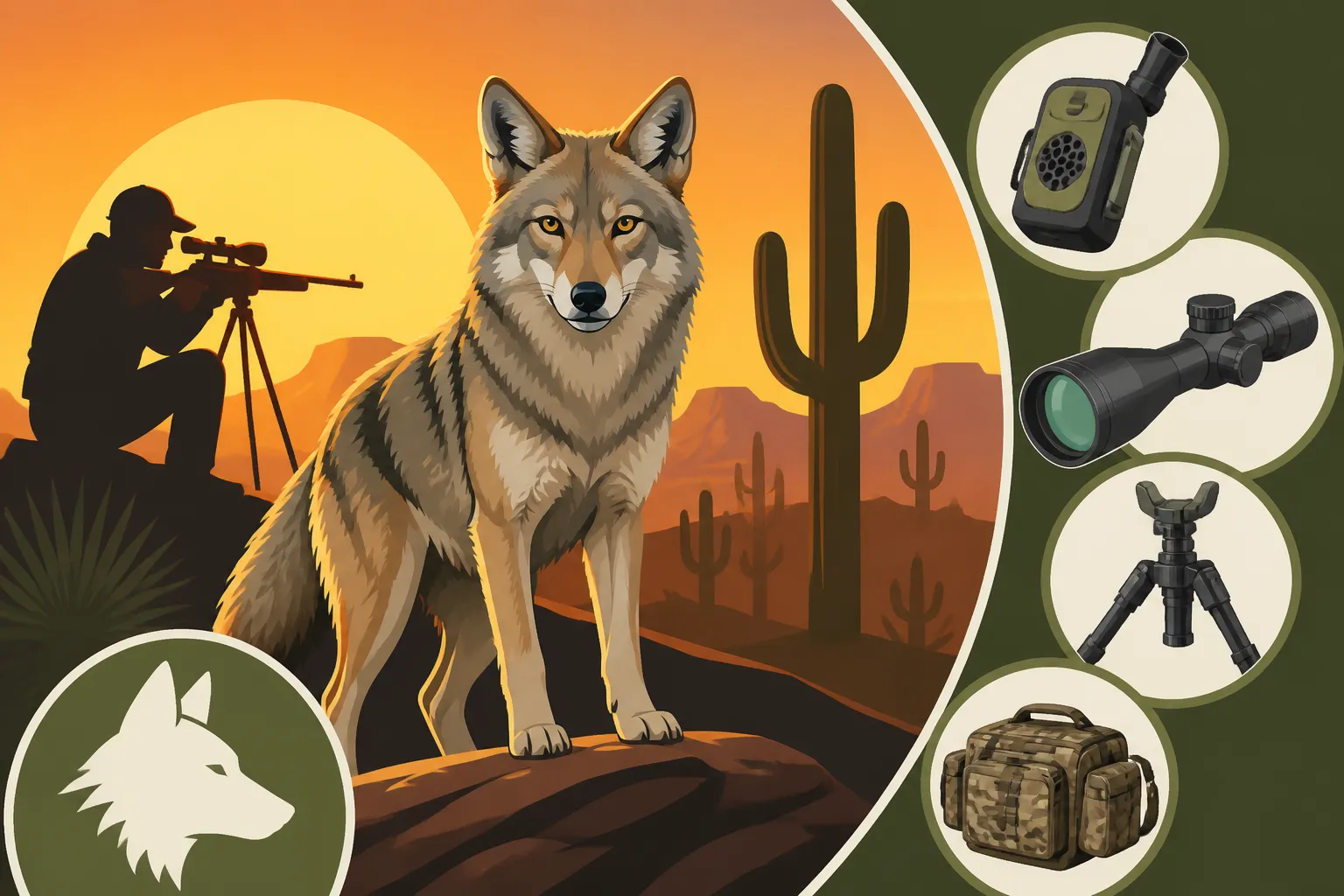
Coyotes are perhaps the most popular choice for a predator hunt add-on in Arizona, and for good reason. They are incredibly widespread across the state, from the high country timber to the Sonoran Desert floor. This means almost any unit you're hunting for deer or elk will likely have a healthy coyote population. They are opportunistic, vocal, and respond well to various calling techniques, making them an exciting quarry. You can hunt Hunting Coyotes Year Round in the Desert, which offers immense flexibility.
Calling coyotes often involves mimicking distressed prey or even other coyotes, and the thrill of seeing one slip silently into your setup, often from an unexpected direction, is hard to beat. This type of hunting can be done during daylight hours when your primary big game species might be bedded down, or even early morning and late evening, extending your time in the field. Many outfitters have a strong understanding of coyote behavior in their units and can quickly put you on calling stands during downtime, maximizing your chances of success. It's a great way to stay engaged and sharp while you're waiting for those prime big game hours.
Because they are so common, harvesting a coyote as an add-on typically doesn't require a separate, difficult-to-draw tag like big game. This ease of access, combined with their challenging nature and the opportunity to hone your calling and shooting skills, makes coyotes the go-to predator for most hunters looking to enhance their Arizona experience.
Bobcats: Elusive Felines of the Desert
Bobcats offer a significantly different challenge compared to coyotes. These secretive felines are masters of camouflage and stealth, often requiring more patience and a keen eye to spot. They inhabit diverse terrains across Arizona, from dense desert scrub to rocky canyons and forested areas, often overlapping with prime big game habitat. While not as numerous as coyotes, their presence adds an element of mystique and difficulty that many hunters relish.
Hunting bobcats as an add-on is often an opportunistic endeavor. While you might specifically set up for them, many are encountered while glassing for other animals or called in during a general predator calling sequence. The reward of seeing a bobcat, let alone harvesting one, is significant due to their elusive nature and beautiful pelts. Remember to be aware of Bobcat Season and Pelt Tag Rules, as regulations can sometimes differ from other predators, especially if you plan to keep the fur.
An outfitter experienced in calling for cats can be invaluable, as their knowledge of local terrain and bobcat habits increases your odds exponentially. They know the subtle differences in calling sequences or setup locations that can entice a cautious bobcat. The satisfaction of outsmarting such a wary animal adds a profound sense of accomplishment to any hunt.
Foxes: Stealthy Challengers
Arizona is home to several species of fox, including grey foxes and kit foxes, both of which can make for an exciting add-on predator hunt. Like bobcats, foxes are often more elusive than coyotes and require a quiet, patient approach. They are generally smaller, lighter-footed, and more cautious, making them a testament to your ability to remain still and blend into the environment. Fox and Raccoon Season Dates are important to check, as their seasons might also differ or have specific nuances.
Foxes tend to respond well to distress calls, particularly smaller rodent or bird sounds. Their keen senses and natural wariness mean that successful fox hunting demands meticulous setups, careful wind management, and often quick target acquisition. It's an excellent way to refine your precision shooting skills in a real-world scenario.
While often an opportunistic take during a coyote setup, a dedicated fox setup can be incredibly rewarding. Picture yourself nestled against a mesquite bush at dawn, slowly working a mouse squeak, and suddenly seeing a grey fox materialize from the shadows, its eyes fixed on your position. This quiet intensity and the challenge of fooling such a wary creature make fox hunting a compelling add-on for those looking for a different kind of predator experience. Many outfitters will include foxes in their general predator calling efforts, giving you a chance to encounter these clever animals.
Practical Considerations for Planning a Predator Add-On
Successfully adding a predator hunt to your Arizona big game trip isn't just about spotting an animal; it involves careful thought regarding your gear, adherence to specific regulations, ethical considerations, and understanding the financial implications. Getting these details squared away beforehand will ensure a smooth and enjoyable experience.
Gear Overlap and Essential Predator Specifics
One of the great advantages of an add-on predator hunt is the significant overlap in gear with your big game setup. Your rifle or bow, optics for glassing (binoculars, spotting scope, rangefinder), camouflage clothing, and even your hunting pack are likely already perfectly suitable. You're probably already considering your optics power for Optics Power for Arizona's Long Desert Sightlines on your primary hunt, and those same tools will be invaluable for scanning for incoming predators.
However, there are a few predator-specific items that can greatly increase your success. Electronic calls are highly effective for predators and are legal for these species in Arizona, unlike for big game. A quality electronic call with a remote can cycle through various sounds – distress calls, pup howls, and even rabbit squeals – making it easier to entice wary predators. Some hunters also prefer a shotgun for close-range predator encounters, especially when calling in thick cover. If you plan to hunt after sunset for certain species (where legal, typically for coyotes), night vision or thermal optics might be on your list, but always double-check current regulations as these can be restricted in some areas for specific species. Don't forget a comfortable seat or ground pad, as calling stands can require significant stillness.
When it comes to clothing, consider the nature of predator hunting. You'll often be stationary for extended periods, so layering for warmth (even in Arizona's desert, mornings and evenings can be chilly) and concealment is key. Gloves and a face mask can help break up your outline and reduce scent, both critical when dealing with keen-sensed predators. Most importantly, ensure your chosen firearm is zeroed and you're proficient with it for quick, accurate shots.
Timing, Regulations, and Ethical Hunting
Timing your predator add-on around your primary big game hunt is crucial. Often, this means utilizing the midday lulls when deer and elk are bedded, or hunting during early morning and late evening before or after legal big game shooting hours. Since coyotes can be hunted Hunting Coyotes Year Round in the Desert, and seasons for other predators like bobcats and foxes are often long, you have a lot of flexibility. Always consult the current Arizona hunting regulations booklet for specific season dates, legal shooting hours for each species, and any bag limits. This is paramount to staying legal and ethical.
Ethical hunting practices extend to predators as much as any other game animal. This includes making clean, humane shots, understanding shot placement, and respecting fair chase principles. Using electronic calls is generally accepted for predators, but always avoid any practices that would be considered unethical or illegal, such as spotlighting (unless specifically allowed for certain nocturnal species in certain contexts, which is rare for add-on hunts). If you’re utilizing a resource like BookYourHunt to find an outfitter, make sure to ask about their ethical hunting practices for predators.
Another important aspect of ethical hunting is understanding the role predators play in the ecosystem. While you're participating in management, it's also about respect for the animal. Taking only what you will use, whether that's for fur (if allowed and in season) or for simply being a part of the hunt, is key. If you partner with an outfitter, they should be well-versed in all local and state regulations and promote ethical hunting at all times.
Cost Implications and Outfitter Expectations
Adding a predator hunt to your big game trip will, naturally, have cost implications, though often less significant than a full dedicated predator hunt. First, you'll need the appropriate hunting license, which you likely already have for your big game hunt. Predator tags themselves, like those for coyotes, often run separately from your big game tag and typically require an additional, usually modest, fee. These are generally over-the-counter and widely available, so you won't be dealing with draw odds.
When considering an outfitter, it's important to clarify whether a predator hunt is truly an "add-on" included in your big game package, or if it's a separate service with its own fee structure. Many outfitters offer predator calling during downtime as a complimentary bonus for their big game clients, especially for coyotes. Others might have a specific daily or per-animal fee for a dedicated predator hunt, particularly for more elusive species like bobcats or if you're requesting specific gear like thermal optics. Always ask your outfitter for a clear breakdown of all potential costs, including any additional guide fees, use of specialized equipment, or if they facilitate any taxidermy or pelt preparation services. Referencing guides like What Outfitter Prices Almost Never Include can help you understand what to specifically inquire about beyond the base rate.
A detailed discussion with your prospective outfitter before booking is paramount. Be upfront about your interest in adding a predator hunt and ask them to outline exactly what that entails, how it impacts the daily schedule, and any associated costs. This transparency ensures there are no surprises and that both you and the outfitter have aligned expectations for your multi-species adventure.
Selecting an Outfitter for Combined Hunts
Choosing the right outfitter for a combined big game and predator hunt is critical to a successful and enjoyable experience. You're looking for someone with not only expertise in your primary big game species but also genuine proficiency and passion for predator hunting, and the logistical savvy to blend the two seamlessly. Resources like Where Arizona Lists Registered Hunting Guides can be a great starting point for finding reputable outfitters.
Questions to Ask About Predator Expertise
When you're vetting potential outfitters for your Arizona big game hunt, don't shy away from diving deep into their predator hunting experience if that's an add-on you desire. It’s not enough for them to simply say they "do a little predator calling." You want to understand their specific knowledge and strategies. Ask them:
- "How frequently do you incorporate predator hunting into your big game trips, and what does a typical session look like?"
- "Which predator species do you primarily target as add-ons, and why?"
- "What calling techniques do you use, and do you employ electronic calls, mouth calls, or a combination?"
- "What kind of success rates do your clients typically have on predator add-ons?" (While success is never guaranteed, this gives insight into their experience level).
- "Are there specific times of day or specific areas within the unit where you focus predator efforts?" For instance, are they well-versed in Electronic Calls for Predators and Varmint Hunting or do they prefer a more traditional approach?
- "What kind of gear do you provide for predator hunting, if any, and what would I need to bring?"
An experienced outfitter will be able to articulate their approach clearly, discuss common scenarios, and even share stories of past predator hunts. Their enthusiasm for predator hunting should be evident, signaling that it’s more than just an afterthought. Platforms like GoHunt, while primarily focused on big game draw odds and unit info, can sometimes offer insights into unit-specific predator densities that an outfitter might confirm.
Integrated Packages vs. Separate Arrangements
The way an outfitter structures a combined hunt can vary significantly, and it's essential to understand whether you're getting an integrated package or essentially two separate arrangements. Many premier Arizona outfitters will offer predator calling as an organic part of their big game hunts, particularly during midday lulls or quiet evenings. This is often seamless and doesn't feel like a separate booking; it's just another way to engage with the wild while you're there.
However, some outfitters might offer a more dedicated "add-on" that has its own structure. This could mean a specific half-day dedicated to predator hunting, or even bringing in a specialized predator guide for a portion of your trip. This typically comes with a separate fee. When reviewing proposals or talking with outfitters, use questions like those found in Questions Worth Asking Before You Book to clarify how predator hunting fits into the overall itinerary and budget.
Consider asking: "Is the predator hunting considered an 'included' activity or a separate service?" and "If it's a separate service, what is the cost, and what does it entail?" You might also ask if they ever combine species, such as a Combination Arizona Deer and Javelina Hunts package, which could give you a sense of their flexibility. Booking platforms like BookYourHunt often allow you to filter for outfitters who explicitly offer multi-species or add-on hunt opportunities, making it easier to find those who specialize in this type of integrated experience. The goal is to avoid any misunderstandings and ensure the predator hunt enhances, rather than detracts from, your primary big game objective.
| Predator Species | Typical Add-On Method | Seasonality | Difficulty | Key Considerations |
|---|---|---|---|---|
| Coyote | Calling (electronic/mouth), Spot-and-stalk | Year-round | Moderate | Widespread, responsive to calls, good for skill practice |
| Bobcat | Calling (distress/feline), Opportunistic | Fall-Spring | High | Elusive, nocturnal tendencies, requires patience, check pelt tag rules |
| Fox | Calling (distress/rodent), Opportunistic | Fall-Spring | High | Wary, smaller target, excellent for stealth/precision, check pelt tag rules |
This article is for general informational purposes only and does not constitute professional advice. Laws, prices and regulations vary by location and change over time. Consult a qualified professional for guidance on your specific situation.