Drop Camps in Arizona’s Rim Country
For many hunters, the dream of a true backcountry hunt in Arizona's rugged Rim Country often comes with a significant hurdle: the sheer logistics of getting deep into remote wilderness with all the necessary gear. Dragging a massive camp, weeks of food, and enough water for an extended stay can feel overwhelming, especially if you're traveling from out of state or simply don't have the specialized pack animals or heavy-duty vehicles required. This guide is here to shed light on a fantastic middle-ground solution: the Arizona drop camp, offering the wilderness immersion you crave without forcing you to haul every single item yourself.
Understanding the Allure of a Drop Camp in Arizona's Rim Country
Arizona's Rim Country, with its towering ponderosa pines, deep canyons, and vast expanses of wild elk and deer habitat, calls to serious hunters. But it’s not for the faint of heart, or for those unprepared to face its challenges. This is where the concept of a drop camp truly shines, providing a crucial bridge between a fully outfitted experience and a completely self-reliant DIY adventure. It's about empowering you to focus on the hunt itself, knowing the heavy lifting of camp establishment is taken care of.
What Exactly Is a Drop Camp?
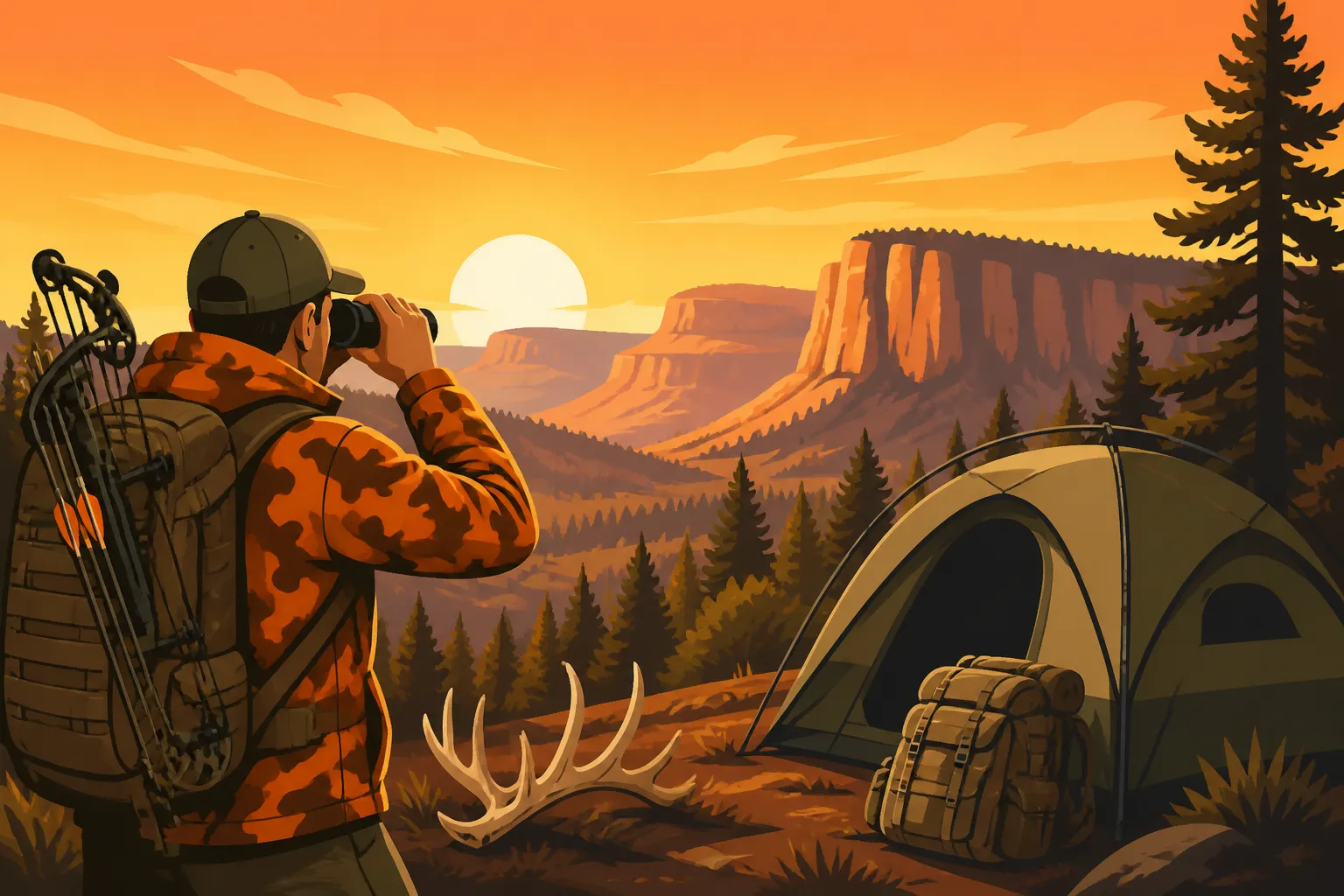
Imagine you want to hunt a remote unit on the Mogollon Rim, miles from the nearest paved road, in country that requires significant elevation changes and rugged travel. A traditional hunt might involve backpacking everything in, setting up a minimalist bivy camp, or hoping your vehicle can make it close enough to establish a base. A drop camp, however, offers a different proposition. An outfitter, typically utilizing horses or mules, will transport your gear and a pre-arranged camp to a designated remote location, often deep within the national forest or wilderness areas. They'll set up tents, cots, sometimes even a wood stove, and establish a functional base camp. Once you're dropped off with your personal gear, food, and hunting equipment, you are effectively on your own for the duration of your hunt. They’ll return on a pre-determined date to pick you and your harvest up. It’s an arrangement that promises solitude and self-reliance, with a significant logistical burden removed.
This isn't a "glamping" experience, nor is it a fully guided hunt where someone cooks your meals and leads you to game every day. It's a genuine backcountry immersion, but with a comfortable, established base camp. Think of it as having your own remote cabin, without the construction, and with the added benefit of pack animals for transport. The beauty of it lies in that balanced freedom – you're responsible for your hunting, cooking, and daily decisions, but you don't have to break your back getting your shelter and supplies into the wilderness.
The Rim Country's Unique Appeal for Drop Camps
The Mogollon Rim, stretching across central Arizona, is an iconic hunting destination, especially renowned for its elk. The terrain here can be steep, rocky, and heavily timbered, making vehicle access difficult or impossible in many of the best hunting spots. This is precisely why drop camps are so popular here. Outfitters know the lay of the land, the remote drainages, the hidden meadows, and the historic camp locations that are accessible only by foot or pack stock. Without that specialized knowledge and equipment, many of these prime hunting areas would remain out of reach for the average hunter.
Moreover, the sheer vastness of the Coconino and Apache-Sitgreaves National Forests that comprise much of the Rim Country means that good hunting can often be found far from trailheads and forest roads. This is where solitude truly exists, and where mature animals can often avoid pressure. A drop camp places you directly into this prime, unpressured habitat. It's a chance to truly experience what many consider some of Arizona's best elk country, often in areas where a Packing an Elk Out of Rim Country Alone would be a monumental task without a return pack-out service. The high elevations also mean cooler temperatures than the desert floor, which is a huge advantage for early season hunts when heat management is critical.
Why Hunters Choose Drop Camps Over Fully Guided or DIY
Hunters often land on drop camps after carefully weighing their options against the two other main categories: fully guided hunts and entirely do-it-yourself (DIY) adventures. Each has its merits, but a drop camp carves out a unique niche that appeals to a specific type of hunter. For starters, a fully guided hunt, while offering the highest success rates and amenities, comes with a significantly higher price tag. Not everyone has the budget for that, or even wants someone telling them where and when to hunt. Many experienced hunters prefer the challenge of locating and pursuing game on their own terms, but simply lack the means or physical ability to pack in a full camp for an extended period.
On the other hand, a truly DIY backcountry hunt in rugged Arizona can be incredibly demanding. It requires extensive physical conditioning, specialized gear, and the fortitude to pack everything in and out on your back, including a heavy game animal. This can be a bridge too far for many, especially if they are new to backcountry hunting, hunting solo, or aren't accustomed to the elevation and terrain. A drop camp provides that perfect balance: you retain your independence and the thrill of a self-directed hunt, but you skip the back-breaking initial and final hauls. It democratizes access to some of the state's most remote and desirable hunting grounds, making a dream hunt a tangible reality for more people.
The Logistics and Expectations of an Arizona Drop Camp
Committing to a drop camp in Arizona's Rim Country is an exciting decision, but it's crucial to understand the nuts and bolts of how these operations run. Unlike a fully guided hunt where many details are handled for you, a drop camp requires significant personal responsibility and a clear understanding of what your outfitter will and won't do. It’s a partnership, where each party has specific roles to play.
What Services an Outfitter Typically Provides
When you book a drop camp, you're primarily paying for logistical support. The outfitter's core service is transportation: getting your gear, and often your group, into a remote location via pack animals, and then picking you up at the end of your hunt. This might sound simple, but it involves skilled horsemanship, intimate knowledge of the terrain, and careful planning. Most outfitters will also provide a pre-set camp. This often includes sturdy canvas tents, cots for sleeping, a wood-burning stove for heat and cooking, and sometimes a basic cooking setup (pots, pans, utensils). Some may even include a water filter or a supply of treated water. The quality and extent of these provisions can vary greatly between outfitters, so it's essential to clarify exactly what is included in your package.
Think about the sheer effort this saves you. Instead of struggling with a heavy backpack up a steep canyon, you arrive at a camp already standing, ready for you to settle in. They’ll also often provide a general idea of the area and recent game activity, but this isn't scouting on your behalf; it’s more of a local intel briefing. The outfitter often serves as an invaluable resource for general area information. Many outfitters operate on Arizona forest ground and have special use permits to do so, indicating their legitimacy and familiarity with the area. Remember, their primary role is setting up and breaking down camp, and moving your gear – the hunting itself is entirely up to you.
Hunter Responsibilities and Self-Reliance
This is where the "self-reliant" aspect of a drop camp truly kicks in. Once the outfitter rides off, you are responsible for everything: finding game, navigating the country, cooking your meals, managing your camp, and ensuring your safety. This means you need to be proficient in backcountry skills. Navigation, using maps and GPS, is paramount, as you'll be hunting in unfamiliar and potentially vast terrain. First aid knowledge is non-negotiable, and having a well-stocked first aid kit for emergencies is critical. You'll also need a reliable communication device like a satellite messenger, as cell service will likely be nonexistent.
Cooking is another major responsibility. You'll need to plan all your meals, bring all your ingredients, and be prepared to cook over a fire or a portable stove. Waste management is also key; everything you pack in must be packed out, including all trash, food scraps, and anything else that doesn't naturally occur in the wilderness. This also extends to field dressing and meat care. You'll be quartering your animal, packing it out to camp, and ensuring it cools properly – all tasks that demand preparation and skill. The entire experience hinges on your ability to be self-sufficient and make sound decisions in a remote environment. For those who thrive on independence, this is the ultimate appeal, but it requires a serious commitment to preparation.
Choosing Your Drop-Off and Pick-Up Points
The outfitter will typically have pre-determined drop camp locations that they regularly utilize. These spots are chosen for their strategic access to good hunting grounds, proximity to water sources, and suitability for a comfortable camp setup. However, there might be some flexibility. It's crucial to have detailed discussions with your outfitter about potential camp locations and how they align with your hunting goals. You'll want to review topographic maps and satellite imagery (tools like GoHunt can be invaluable here) to understand the terrain surrounding each potential drop-off point. Discuss game movement patterns, water availability, and historical success rates for specific areas with the outfitter.
Confirming the exact drop-off and pick-up points is vital, as is establishing clear communication protocols for rendezvous. What happens if you're delayed? What if an emergency arises? Having a backup plan and clearly understood contingency measures is essential. These details often get ironed out in the contract, but an open dialogue ensures everyone is on the same page. Remember, you're placing a lot of trust in the outfitter to be there when they say they will, and they're trusting you to manage your hunt responsibly until then.
Gear and Preparation for a Rim Country Drop Camp
While a drop camp handles the "heavy iron" of tents and cots, your personal gear is still crucial. The Arizona Rim Country, while stunning, can be unforgiving. You'll experience significant temperature swings, potentially harsh weather, and physically demanding terrain. Being properly equipped isn't just about comfort; it's about safety and increasing your chances of success.
Essential Personal Gear for Backcountry Hunting
Your personal gear list for a Rim Country drop camp will largely mirror that of any serious backcountry hunt, with the exception of not needing to pack in your main shelter. Think layers. The high elevation means mornings can be frosty, even in early archery season, while midday can be quite warm. A good layering system is paramount, starting with moisture-wicking base layers, insulating mid-layers, and a waterproof/windproof outer shell. Comfortable, broken-in hunting boots that can handle rocky, uneven terrain and offer good ankle support are non-negotiable. Don't skimp here; blisters can ruin a hunt faster than anything.
Beyond clothing, you'll need reliable navigation tools. While your outfitter might point you in the right direction, your personal GPS device (with pre-loaded maps) and a physical compass and map are essential backups. Headlamps, spare batteries, a quality knife, fire-starting materials, and a small personal first-aid kit are also must-haves. Don't forget a comfortable backpack for daily excursions from camp, large enough to carry layers, food, water, and potentially a portion of a game animal. Depending on the season and expected weather, a good sleeping bag rated for colder temperatures than you anticipate is always a wise choice, as it's easier to vent heat than to generate it. Choosing Boots for Rocky Desert Ground is a topic many overlook, but it's vital for a successful trip.
Food, Water, and Camp Provisions
While some outfitters might offer basic cooking gear, the responsibility for food and water is almost entirely yours. Planning your meals meticulously is key. Think nutrient-dense, calorie-rich, and easy-to-prepare items. Dehydrated meals are popular for their light weight and convenience, but don't underestimate the morale boost of some fresh items early in the hunt. Canned goods, while heavy, can add variety if the outfitter is packing them in for you. Consider bringing robust snacks like jerky, nuts, and energy bars for sustained energy throughout the day.
Water is a critical concern, even in areas with natural sources. Always have a reliable water filter or purification tablets. While your camp might be near a spring or tank, you'll need water for daily hunting forays, and the quality of natural sources can be questionable. Always carry enough water for the day, and know where your closest reliable source is. In a Rim Country drop camp, it's wise to pack in an extra day or two's worth of food, just in case of unexpected delays or weather that might affect pick-up schedules. This little bit of foresight can make a huge difference in an emergency.
Weapon and Optics Considerations for Remote Hunting
Your choice of weapon should be well-practiced and suited for the game you're pursuing in the Rim Country. Whether it's a rifle for longer shots across canyons or a bow for closer encounters in the timber, ensure it's sighted in perfectly before you head out. Remember that elevation can affect ballistics, so practice at varying distances if possible. A quality set of optics is indispensable, especially if you're hunting elk or mule deer in the vast, broken country. Binoculars are for general scanning, but a good spotting scope on a tripod can be a game-changer for identifying animals at extreme distances and judging their quality, particularly in open areas. Optics Power for Arizona's Long Desert Sightlines is a topic that can greatly influence your success.
Don't forget accessories like rangefinders, shooting sticks or a bipod, and extra ammunition. For bowhunters, extra arrows, broadheads, and a repair kit are vital. You'll be miles from the nearest pro shop or sporting goods store, so self-sufficiency in gear repair is a must. The ability to make minor adjustments or repairs in the field can save your hunt. Your entire gear setup should be robust enough to withstand the rigors of backcountry use, and reliable enough that you can count on it when a shot opportunity arises.
Navigating and Hunting from Your Drop Camp
The real adventure begins once you're settled into your drop camp. This is your opportunity to immerse yourself fully in the hunt, leveraging the solitude and the absence of human pressure that remote areas offer. Success hinges on a combination of effective scouting, smart hunting strategies, and adaptability.
Strategies for Elk and Deer in Remote Terrain
Hunting from a remote drop camp in Arizona's Rim Country means you're likely in prime habitat, but finding the animals still requires effort. For elk, focus on key features like north-facing slopes with dense timber for bedding, south-facing slopes for sunning and feeding in cooler weather, and saddles or natural pinch points that funnel movement. During the rut, listen for bugles at dawn and dusk, and be prepared to move quickly and quietly into their perceived locations. Bugling Against Cow Calling in September can be an effective strategy, but knowing when to be aggressive and when to be silent is key. Water sources, like stock tanks and springs, are always critical, especially in drier periods.
For deer, particularly mule deer which are often found in similar elevations along the Rim, look for areas with good browse, thick cover for bedding, and escape routes. Glassing extensively from high vantage points is a highly effective technique. Dedicate significant time to scanning distant slopes and canyons, letting your optics do the walking. Glassing Grids for Arizona Coues Deer is a method that can be adapted for mule deer, ensuring you systematically cover ground. Remote areas mean less pressure, so deer might be more predictable in their patterns, but they are still wary animals. Always play the wind, as these animals rely heavily on their sense of smell.
Reading the Landscape and Interpreting Sign
One of the most satisfying aspects of a drop camp hunt is the pure connection with the land. You become an active participant in the environment, constantly reading the signs animals leave behind. Fresh tracks, droppings, rubs, and beds are your daily newspapers, telling you what animals are in the area, where they're going, and what they're doing. Pay close attention to track size and depth; a deeper track in soft earth indicates a heavier animal. Look for clear indications of how recent the sign is – fresh droppings are soft and moist, while old ones are dry and cracked.
Beyond direct animal sign, learn to interpret the landscape itself. Understand how thermals shift with the rising and setting sun, carrying your scent up or down a canyon. Observe vegetation patterns; certain plants indicate specific types of habitat that game animals prefer. Note the location of wallows for elk, or bedding areas under dense junipers for deer. The more you learn to read these subtle cues, the more effectively you can predict animal movement and position yourself for success. This deep dive into environmental understanding is often lost in less remote hunting scenarios.
Dealing with Unexpected Weather and Conditions
Arizona's Rim Country weather can be notoriously unpredictable. A sunny, warm morning can quickly give way to an afternoon thunderstorm with torrential rain and even hail. Temperatures can drop dramatically, especially in the higher elevations. Being prepared for these sudden changes is paramount. Your layering system, as mentioned earlier, is your first line of defense. Always carry rain gear, even if the forecast looks clear. A sudden downpour miles from camp can lead to hypothermia if you're not properly insulated and protected.
Beyond personal comfort, adverse weather can impact hunting conditions and even your safety. Heavy rain can make steep trails slick and dangerous. Snowfall can complicate navigation and track animals, but also make travel difficult. High winds can make hearing game challenging and also increase the risk of falling debris. Always check the forecast before heading out, but be ready for anything. Knowing how to set up an emergency shelter, start a fire in wet conditions, and signal for help are essential skills for a drop camp hunter, reinforcing the need for true self-reliance.
The Critical Aspect of Game Retrieval
So you've put in the work, honed your skills, and connected with the land. Congratulations, you've harvested an animal! Now comes one of the most physically demanding and ethically critical phases of a drop camp hunt: getting your game from where it fell back to your camp, and then ensuring it's ready for the outfitter to pack out. This isn't a task to be underestimated, especially in rugged terrain.
Field Dressing and Meat Care in a Remote Camp
The moment an animal is down, the clock starts ticking, especially in Arizona's warmer early seasons. Proper field dressing is crucial for preserving the meat. This involves quickly gutting the animal to allow the carcass to cool internally. In a remote setting, you’ll likely be quartering the animal to make it manageable for packing. This means removing the four legs, backstraps, and tenderloins, often bone-in for structural integrity and better cooling. You’ll need a sharp knife, a game bag for each quarter (essential for keeping meat clean and free of insects), and a way to elevate the meat off the ground for better airflow.
Once the meat is back at camp, cooling is the next priority. If temperatures are warm, hanging the meat in the shade, allowing air to circulate, is vital. Some hunters bring a portable cooler or even dry ice if the outfitter can pack it in, but usually, natural cooling is the primary method. This might mean keeping game bags damp to encourage evaporative cooling or even covering them with sleeping bags at night to insulate against warming daytime temperatures. The goal is to get the internal temperature of the meat down as quickly as possible to prevent spoilage. This is also where you'll need to remember Evidence of Sex Requirements on a Carcass to ensure you remain legal.
Packing Out Your Harvest to the Drop Point
This is often the most physically grueling part of a drop camp hunt. Unless you harvest the animal very close to camp, you're looking at multiple trips to retrieve all the meat. An adult elk can weigh 500-700 pounds live, meaning you'll be packing out hundreds of pounds of meat, bone, and cape. This typically involves making two, three, or even four trips from the kill site back to your base camp, carrying heavy loads in your backpack. You'll need a stout pack frame designed for heavy loads, and a strong will.
Plan your route carefully, marking it with GPS waypoints to ensure you don't get lost, especially in low light or fog. Take frequent breaks, stay hydrated, and don't push yourself beyond your limits. It's far better to make an extra trip than to injure yourself or spoil meat. Once all the meat is back in your main drop camp, it needs to be carefully organized and prepped for the outfitter's pick-up. This means ensuring it's in clean game bags, clearly labeled, and accessible for easy loading onto pack animals. Clearly communicating the amount of meat to be packed out to your outfitter is also a good idea so they can plan their pack string accordingly.
Planning for Unexpected Challenges
Even with the best planning, things can go sideways in the backcountry. What if you make a marginal shot and the animal travels a significant distance? What if you harvest an animal on the last day, far from camp, and need more time to retrieve it? These are scenarios you need to mentally prepare for and discuss with your outfitter beforehand. Having an agreed-upon contingency plan for delayed pick-ups or extra pack animal services (which may incur additional fees) is wise. This is especially true given the rugged nature of Arizona's high country.
Another challenge can be navigating heavy snow or unexpected monsoon rains, which can make trails impassable or dangerous. Always carry an emergency shelter and fire-starting materials, and know basic survival skills. Your satellite communication device is not just for checking in with family; it's a lifeline for genuine emergencies. The mental fortitude to push through exhaustion, cold, or discomfort is as important as the physical strength required for game retrieval. A drop camp truly tests your mettle as a hunter and outdoorsman.
Finding and Vetting Arizona Drop Camp Outfitters
Choosing the right drop camp outfitter is as important as choosing the right unit. Your experience, safety, and ultimately your hunting success will be heavily influenced by the professionalism and reliability of the outfitter you select. Don't rush this process; thorough research is key.
Key Questions to Ask Potential Outfitters
When you're evaluating potential drop camp outfitters, approach it like an interview. Don't be shy about asking detailed questions. Here's a table of essential inquiries to guide your conversations:
| Question Category | Specific Questions to Ask |
|---|---|
| Outfitter Experience | How long have you been operating drop camps in this unit/area? Can you provide references from recent drop camp clients (not just fully guided)? What is your experience with the specific game animal I'm targeting (e.g., elk, mule deer)? |
| Camp Details | What type of tents do you provide (canvas, dome)? What amenities are included (cots, stove, cooking gear, water)? What is the typical size of the camp? How far from roads are the camp locations? Are there any specific rules for camp use? |
| Logistics & Schedule | How many pack animals are allocated for my gear? What is the weight limit per person/group for gear? What is the exact drop-off and pick-up procedure? What happens if I harvest an animal on the last day, far from camp? |
| Safety & Contingency | What are your emergency communication procedures? What happens if there's an injury in camp? What are your plans for unexpected weather delays (e.g., heavy snow, impassable roads)? What are the additional costs for extra pack-outs or delays? |
| Hunting Area | Can you provide map coordinates for potential camp locations? What is the terrain like around the camps? What are typical game patterns in the area? Is there reliable water nearby? |
| Contract & Fees | Can I see a sample contract? What are the payment terms, deposit requirements, and cancellation policy? Are there any hidden fees? What is the refund policy if I don't draw a tag? |
Asking these detailed questions helps you understand their operation and ensures there are no surprises once you’re in the backcountry. A reputable outfitter will be transparent and happy to answer all your inquiries.
Understanding Contract Terms and Contingencies
Before you send any money, carefully review the outfitter's contract. This legal document outlines the scope of services, payment schedule, cancellation policies, and, crucially, contingency plans. Pay close attention to clauses regarding refunds if you fail to draw a tag in Arizona's lottery system. Some outfitters offer full refunds, while others might retain a portion as a booking fee. Platforms like BookYourHunt often have standardized contracts or assist with vetting, but always read the fine print.
Also, look for details on what happens in case of unforeseen circumstances, such as extreme weather forcing a delay in pick-up, or if you need an additional pack-out for an unusually large animal or multiple game. Will there be extra charges? How are these calculated? Understanding these possibilities upfront helps you budget and avoid stressful situations in the field. A good contract provides clarity and protection for both parties. Don't hesitate to seek legal advice if any part of the contract seems unclear or unreasonable. This is a significant investment in your hunt, and you want to be sure you're protected.
Resources for Researching and Booking
Beyond direct contact, there are several avenues to research and book Arizona drop camp outfitters. Online platforms like BookYourHunt or GoHunt often list outfitters and provide reviews, allowing you to compare services and read testimonials from past clients. Hunting forums and social media groups dedicated to Arizona hunting can also be excellent resources for word-of-mouth recommendations and candid reviews. Don't underestimate the power of connecting with other hunters who have used drop camp services in the Rim Country.
When checking references, don't just ask about success rates. Inquire about the outfitter's communication, their camp quality, their adherence to schedule, and how they handled any unexpected issues. A high success rate might mean they only take clients to easily accessible areas, which defeats the purpose of a remote drop camp. Look for outfitters who prioritize safety, ethical hunting practices, and client satisfaction. You're not just buying a service; you're investing in an experience, and the right outfitter can make all the difference. Vetting an Arizona Outfitter Before You Send a Deposit is a crucial step that can save you a lot of headache and disappointment.
Comparing Drop Camps to Other Hunt Styles in Arizona
Deciding on a drop camp isn't just about finding an outfitter; it's about understanding how this hunting style fits your personal goals, budget, and skill level compared to the alternatives. Arizona offers a wide spectrum of hunting opportunities, and knowing where a drop camp sits within that spectrum is key to making an informed choice.
Drop Camps vs. Fully Guided Hunts
The most significant difference between a drop camp and a fully guided hunt is the level of service and, consequently, the price. A fully guided hunt means the outfitter provides everything: a guide to hunt with you every day, cooked meals, camp logistics, and full game retrieval and processing assistance. This is the highest-tier experience, designed for those who want to maximize their chances of success with expert assistance, or simply prefer to have all the details handled. The guide leads the hunt, knows the game patterns, and makes the tactical decisions. A What a Fully Guided Arizona Elk Hunt Includes is truly comprehensive.
A drop camp, on the other hand, is a more independent endeavor. You get the benefit of having your camp and heavy gear transported, but you are the guide. You scout, you hunt, you cook, and you retrieve your animal (at least to camp). The cost of a drop camp is significantly less than a fully guided hunt, making it accessible to a broader range of hunters. It's ideal for experienced hunters who possess strong backcountry skills and want the challenge of a self-directed hunt but might not have the pack animals or desire to physically pack in a multi-day camp. It offers the wilderness immersion of a guided hunt but without the constant presence of a guide.
Drop Camps vs. DIY Public Land Hunts
A do-it-yourself (DIY) public land hunt is the ultimate test of self-reliance. It means you are responsible for everything: planning, scouting, purchasing licenses and tags, packing all your gear, setting up camp, hunting, cooking, and retrieving your game. This is often the most budget-friendly option, requiring only the cost of tags, licenses, and your personal gear. For many, the satisfaction of a truly DIY hunt is unparalleled, proving their capabilities in the wilderness.
However, DIY hunts, especially in rugged areas like Arizona's Rim Country, demand an extremely high level of physical fitness, meticulous planning, and extensive backcountry experience. Packing heavy loads in and out, setting up a robust camp from scratch, and handling game retrieval alone can be incredibly challenging. This is where the drop camp bridges the gap. It offers the same DIY hunting experience once you're in the field, allowing you the freedom to hunt where and how you choose, but it alleviates the enormous physical and logistical burden of transporting your entire camp. You get the remote access and solitude of a deep-country DIY hunt without the weeks of pre-planning for pack animals or the back-breaking effort of a heavy backpack trip. This makes it a great option for hunters who want to explore remote Arizona elk country without fully committing to a primitive backpacking experience.
Cost-Benefit Analysis of Drop Camps
When considering a drop camp, a careful cost-benefit analysis is essential. While cheaper than fully guided hunts, drop camps are still a significant investment, typically ranging somewhere in the middle of the price spectrum. The costs will include the outfitter's fee, your licenses and tags, food, personal gear, and travel expenses. The "benefit" comes in the form of accessing remote, unpressured hunting grounds that would otherwise be extremely difficult or impossible to reach on your own. It also significantly reduces the physical toll of packing in a full camp, allowing you to save your energy for the actual hunt.
The intangible benefits are also substantial: the solitude, the challenge of a self-directed hunt, the deep immersion in nature, and the confidence gained from successfully executing a backcountry hunt from a remote base. If your budget doesn't stretch to a fully guided trip, but your body or equipment isn't quite ready for a full DIY pack-in, a drop camp offers an excellent value proposition. It allows you to experience the best of Arizona's wilderness hunting without completely breaking the bank or your back. Consider it an investment in a high-quality, authentic backcountry experience that might otherwise be out of reach.
The Unforgettable Experience of a Rim Country Drop Camp
A drop camp in Arizona's Rim Country isn't just a hunt; it's an adventure that can profoundly impact you as a hunter and outdoors enthusiast. It strips away many of the conveniences of modern life, forcing a deeper connection with the natural world and a reliance on your own skills and decisions.
Embracing the Solitude and Challenge
One of the most profound aspects of a drop camp is the solitude. Miles from the nearest road or other human presence, you are truly alone in the wilderness. This can be both intimidating and incredibly liberating. The quiet hum of the forest, the rustling leaves, the calls of distant animals – these become your companions. This solitude allows for deep introspection, a heightened awareness of your surroundings, and an unparalleled focus on the hunt. You'll find yourself listening more intently, moving more deliberately, and observing the landscape with fresh eyes.
The challenges are also significant. Navigating unfamiliar terrain, reading animal sign, enduring varied weather, and the physical demands of hunting and potentially retrieving an animal far from camp – all these push your limits. But it's in overcoming these challenges that growth occurs. You learn what you're truly capable of, both physically and mentally. This isn't just about filling a tag; it's about proving your resilience and earning your place in the wild. This deep immersion is precisely what many hunters seek when they apply for tags in units like Arizona Unit 23 Elk and Coues Country.
Building Skills and Confidence as a Hunter
Every day in a drop camp is a lesson. You'll refine your navigation skills as you trek new ridges and canyons. Your tracking abilities will improve as you decipher subtle clues left by game animals. You'll become more attuned to playing the wind, reading thermals, and adapting your strategy to the conditions. Perhaps most importantly, you'll develop a deeper sense of confidence in your own abilities. Knowing that you can sustain yourself in a remote camp, locate game, make ethical decisions, and handle the demanding task of game retrieval empowers you in ways that few other experiences can.
This confidence extends beyond the hunt itself, often translating into other areas of life. The discipline, problem-solving, and adaptability honed in the backcountry are invaluable skills. A drop camp forces you to be resourceful, to think on your feet, and to rely on your own judgment. It’s an accelerated course in outdoor competency, transforming you from someone who goes hunting into someone who truly is a hunter.
The Lasting Memories and Future Hunts
Long after the last piece of game meat is consumed, and the gear is put away, the memories of your Rim Country drop camp will remain vivid. You'll recall the crisp dawn air, the breathtaking views, the thrill of a bugling bull, and the profound satisfaction of a hard-earned harvest. These experiences forge a deep connection to the land and to the hunting heritage that runs through it. They become stories you share around the campfire for years to come.
For many, a successful drop camp hunt ignites a lifelong passion for backcountry adventures. It opens the door to future hunts in other remote areas, with even greater confidence and ambition. You might find yourself graduating to a full DIY pack-in hunt, or simply returning to the familiar comfort of a well-run drop camp year after year. The lessons learned, the skills gained, and the memories created in Arizona's Rim Country will serve as a powerful foundation for all your future outdoor pursuits. It's a testament to the enduring appeal of the wild and the human spirit's desire to meet its challenges head-on.
Disclaimer
This article is for general informational purposes only and does not constitute professional advice. Laws, prices and regulations vary by location and change over time. Consult a qualified professional for guidance on your specific situation.