What an Arizona Drop Camp Costs
The dream of a deep backcountry hunt in Arizona is powerful, calling to many of us with promises of untouched wilderness and mature animals. But for many, the sheer logistical challenge of packing in all your gear, setting up a remote camp, and then getting a big animal out can feel completely overwhelming. That's where an Arizona drop camp comes into play, offering a bridge between a fully guided experience and a full-on DIY expedition. This guide will walk you through what a drop camp entails and, critically, what you can expect to pay for this unique service.
What Exactly Is an Arizona Drop Camp?
When you hear "drop camp" in the Arizona hunting world, it typically refers to an outfitter providing transportation of you, your gear, and your supplies into a remote, pre-determined campsite. They "drop" you off, often with some basic camp infrastructure already in place, and then return at a pre-arranged time to "pick" you up. This is a crucial distinction from a fully guided hunt, where a guide is with you every step of the way, actively scouting, calling, and assisting in the hunt itself.
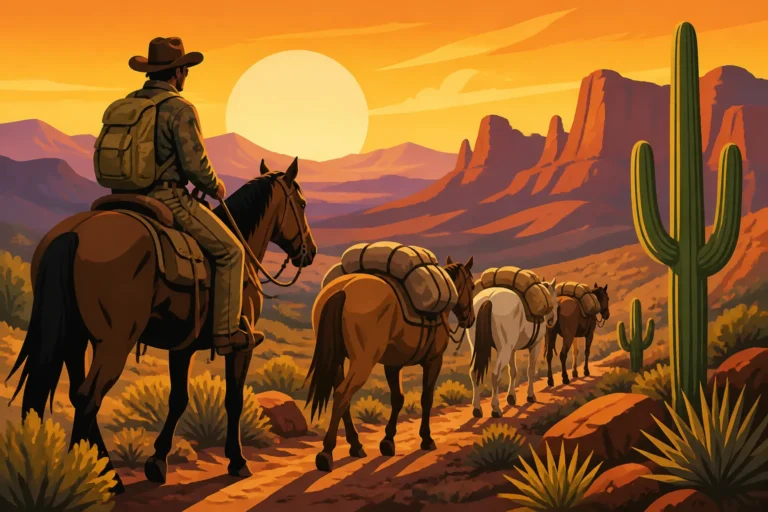
The primary appeal of a drop camp is that it allows hunters to access wilderness areas or remote units that would be incredibly difficult, if not impossible, to reach with all the necessary gear on foot. Imagine trying to haul a heavy canvas tent, cots, a stove, a week's worth of food, and enough water for several days deep into the Mazatzal Wilderness. It's a grueling task, even for the most seasoned backpacker. Drop camps leverage horses, mules, or sometimes ATVs (where legal and permissible) to do the heavy lifting, giving you the freedom to focus on hunting.
Essentially, you're paying for the convenience of remote access and, in many cases, the peace of mind that comes with knowing you have a reliable way to get yourself and your harvested game out of the backcountry. You are still the hunter, responsible for your own strategy, game finding, and shot placement. Think of it as a remote taxi service with a wilderness flair, often with some crucial camp amenities provided.
The Price Tag: Factors That Drive Arizona Drop Camp Costs
So, you're considering an Arizona drop camp for your next adventure. The first question often on everyone's mind is, "What's this going to cost me?" The truth is, there's no single, set price, as many variables influence the final figure. Drop camp pricing can vary widely, just like the landscapes of Arizona itself, from the high pines of the Mogollon Rim to the rugged peaks of the Sky Islands.
One of the biggest factors is the distance and difficulty of the pack-in. A camp just a few miles from a trailhead will naturally be less expensive than one requiring a full day's ride deep into a wilderness area. The terrain, elevation changes, and general accessibility all play a role in how much time and effort the outfitter needs to invest in logistics. A remote elk camp high in the White Mountains will almost certainly cost more than a javelina camp in a more accessible desert unit, simply due to the physical demands on the stock and the packers.
Another significant cost driver is the duration of your hunt. Most drop camps are priced per hunter for a set number of days, usually 5-7. If you want to extend your stay, expect the daily rate to add up. Similarly, the number of hunters in your group can affect the per-person cost. Often, outfitters will have a minimum number of clients or offer a slightly reduced rate per person for larger groups, as they are packing gear for multiple people in one trip, optimizing their time and resources. When you’re looking at options on platforms like BookYourHunt, you'll often see these variables clearly laid out.
The level of amenities provided also impacts the price. A bare-bones drop camp might just include the transport of your personal gear, while a more comprehensive setup might offer a large wall tent, cots, a wood stove, and even a basic cooking setup. We'll delve deeper into what's typically included in the next section. Finally, the demand for specific units or seasons can influence pricing. Highly sought-after elk or trophy mule deer units during prime rut dates might command a premium, as outfitters know those tags are hard to come by and hunters are willing to invest more for access.
Beyond the Basics: What Your Drop Camp Fee Usually Covers (and What It Doesn't)
Understanding what's included in a drop camp package is vital for accurate budgeting and to avoid any surprises once you're in the field. It’s important to remember that a drop camp is primarily a logistical service, not a guiding service. When you check out listings on sites like GoHunt, pay close attention to the "inclusions" section.
What You Can Generally Expect to Be Included:
- Transportation: This is the core service. The outfitter will pack you and your pre-arranged amount of gear (often with a weight limit per person) into the designated camp location. This could be via horseback, mule train, or sometimes an ATV for less restricted areas. They will then pack you out at the end of your hunt.
- Camp Set-Up: Many drop camps include a fully set-up wall tent or similar shelter. This often means the tent is pitched, with cots or sleeping pads inside, and perhaps a small table and chairs. Some might even include a wood stove for colder weather, with a pre-cut supply of firewood.
- Basic Cooking Gear: It's common for drop camps to provide essential cooking equipment like pots, pans, utensils, and sometimes a propane stove with fuel. A water container or cache might also be provided, which is huge in arid Arizona.
- Game Retrieval Assistance: This is one of the most valuable aspects. If you harvest an animal, the outfitter will typically pack it out for you from a pre-arranged point near your camp. This can save you immense physical effort, especially on a large animal like an elk. However, understand that this usually means getting the animal back to your camp, not necessarily tracking it miles away or quartering it for you in dense cover, so clarify these details.
What is Almost Never Included (and will be additional costs for you):
- Your Hunting License and Tags: You are responsible for drawing your tags or purchasing over-the-counter tags, and having your valid Arizona hunting license. This is a separate, significant expense. For example, A Nonresident Arizona Elk Tag Runs $665 Plus License, which is on top of any drop camp fees.
- Food and Beverages: You'll need to plan and pack all your meals and drinks for the duration of your trip. This requires careful consideration, especially for shelf-stable options in warm weather.
- Personal Hunting Gear: Your weapon, ammunition, optics, sleeping bag, clothing, backpack, first-aid kit, and other personal items are all your responsibility.
- Guiding Services: Do not expect your drop camp operator to scout for you, tell you where to hunt, or accompany you afield. This is a self-guided experience once you're dropped off. If you're looking for someone to lead you, you need a fully guided hunt. It's helpful to understand the distinctions, like Drop Camp Against Fully Guided.
- Meat Processing and Taxidermy: After your game is packed out to the trailhead, the responsibility for processing the meat and handling any taxidermy falls to you. This means arranging for a butcher or taking care of it yourself. Keep in mind, Getting Meat Cooled on an Early Season Hunt can be critical in Arizona's warmer temperatures.
- Gratuities: It is customary to tip the packers and any other support staff who assist with your drop camp. This is a significant part of their income. We'll discuss this further in the next section, but consider How Much to Tip a Hunting Guide, even for support staff.
To give you a clearer picture, here’s a breakdown of common inclusions and exclusions:
| Feature | Typically Included (Drop Camp) | Often Not Included (Your Responsibility) |
|---|---|---|
| Transportation (In/Out) | Yes | No (provided by outfitter) |
| Camp Tent/Shelter | Yes (set up) | No (provided by outfitter) |
| Cots/Sleeping Pads | Often | Your personal sleeping bag |
| Cooking Equipment | Basic (pots, pans, stove) | Specialty items, food, drinks |
| Water Containers/Cache | Often | Personal hydration system |
| Game Retrieval | Yes (from camp area) | Tracking wounded game, field dressing |
| Hunting License/Tags | No | Yes |
| Guiding/Scouting | No | Yes |
| Personal Gear | No | Yes (weapon, optics, clothing, pack) |
| Meat Processing/Shipping | No | Yes |
| Taxidermy | No | Yes |
| Gratuities for Staff | No | Yes |
Budgeting for the Whole Adventure: Hidden Expenses and Smart Planning
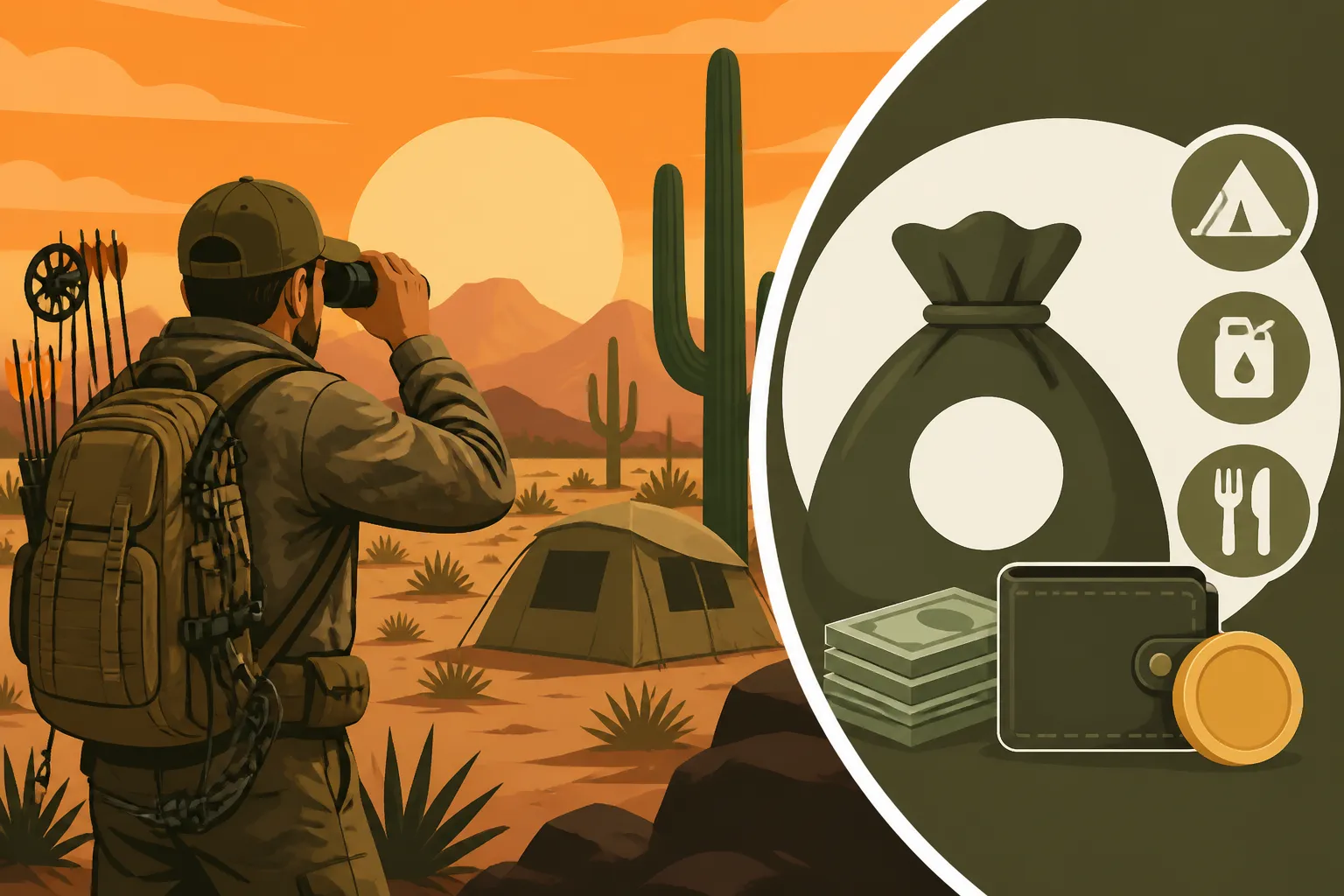
The drop camp fee is just one piece of the financial puzzle for an Arizona hunt. To truly prepare, you need to think about all the other expenses that add up before, during, and after your trip. Many hunters underestimate these "hidden" costs, leading to unwelcome surprises. Proper planning, including understanding The Logistics of a Horseback Drop Camp, will make your trip smoother.
First, factor in your hunting license and specific tag fees. These can be substantial, especially for non-residents. Then, consider your travel expenses to and from Arizona. Are you flying into Phoenix Sky Harbor International Airport or Tucson International Airport and renting a vehicle, or are you driving your own rig? Fuel costs can quickly accumulate, particularly if you plan to scout extensively before your drop camp. Don't forget any overnight stays in hotels before you head into the backcountry or after you come out, especially if you need to access services like a meat processor.
Food and supplies for your time in camp are entirely on you. This means grocery bills for several days' worth of meals, snacks, and drinks. Think about durable, high-energy options that pack well. You'll also need personal hunting gear. If you're new to backcountry hunting, or just upgrading, this could mean significant investments in a quality pack, sleeping bag, boots suitable for Choosing Boots for Rocky Desert Ground, optics, and specialized clothing for Layering for Rim Country Temperature Swings or desert heat. Don't forget essentials like a good headlamp, a reliable water filtration system, and emergency communication devices.
A critical, often overlooked cost is gratuities for the outfitter's staff. These hard-working folks—the packers, cooks (if applicable), and anyone else assisting with the logistics—rely on tips. While there's no hard and fast rule, a general guideline is to budget 10-20% of the drop camp fee to cover tips. It's a small way to show appreciation for their strenuous efforts. Don't be afraid to ask your outfitter about their preferred tipping practices when you're asking Questions Worth Asking Before You Book.
Finally, prepare for post-hunt expenses. If you're successful, you'll have the cost of meat processing. This can range from a few hundred dollars for deer to much more for an elk, depending on what services you choose. If you're traveling a long distance, you'll need to consider shipping costs for your meat, hide, and antlers. This requires special arrangements and insulated coolers. For trophy animals, a taxidermist will be another significant expense. It's wise to research these services in advance and budget accordingly.
| Cost Category | Description | Considerations |
|---|---|---|
| Outfitter Fee | The base cost of the drop camp service | Varies by duration, distance, amenities, number of hunters, species, and demand. |
| Licenses & Tags | State hunting license, specific big game tags (deer, elk, javelina, etc.) | Can be substantial, especially for non-residents. Required before you hunt. |
| Travel | Flights, fuel, vehicle rental, overnight accommodations (pre/post-hunt) | Getting to/from Arizona and the trailhead. Account for extra days if needed. |
| Food & Supplies | All meals, snacks, drinks, and camp consumables for your duration | Plan for shelf-stable, high-energy, and easy-to-prepare backcountry meals. |
| Personal Gear | Weapon, ammo, optics, clothing, pack, sleeping bag, boots, first aid, etc. | Initial investment can be high. Essential for safety and comfort in the backcountry. |
| Gratuities | Tips for packers and support staff | Typically 10-20% of the drop camp fee. Acknowledge hard work. |
| Meat Processing | Butchering, packaging, and potentially freezing your harvested animal | Varies by animal size and services requested. Critical for meat preservation. |
| Shipping | Transport of meat, hide, and/or antlers back home | Requires special handling, insulation, and expedited shipping for meat. |
| Taxidermy | Mounting fees for trophy animals | Significant expense for a lifelong memory. |
| Emergency Fund | Satellite communication rental, unexpected repairs, extra supplies | Always wise to have a buffer for unforeseen circumstances in the wilderness. |
By meticulously planning for each of these categories, you'll have a much more realistic picture of the total investment for your Arizona drop camp hunt. It's a fantastic way to experience Arizona's wild places, and with a clear budget, you can ensure it's a memorable one for all the right reasons.
Disclaimer
This article is for general informational purposes only and does not constitute professional advice. Laws, prices and regulations vary by location and change over time. Consult a qualified professional for guidance on your specific situation.