Does a Hunting License Cover Trust Land Access?
It's incredibly common for hunters new to Arizona, or even those who've hunted here for a while, to scratch their heads over the complexities of land access, especially when it comes to Arizona State Trust Land. You've got your hunting license in hand, ready to head out, but then you hear whispers of "permits" and "fees," leaving you wondering if your license is actually enough. This guide aims to clear up that confusion, specifically addressing whether your Arizona hunting license provides the necessary access for hunting purposes on State Trust Land.
What is Arizona State Trust Land?
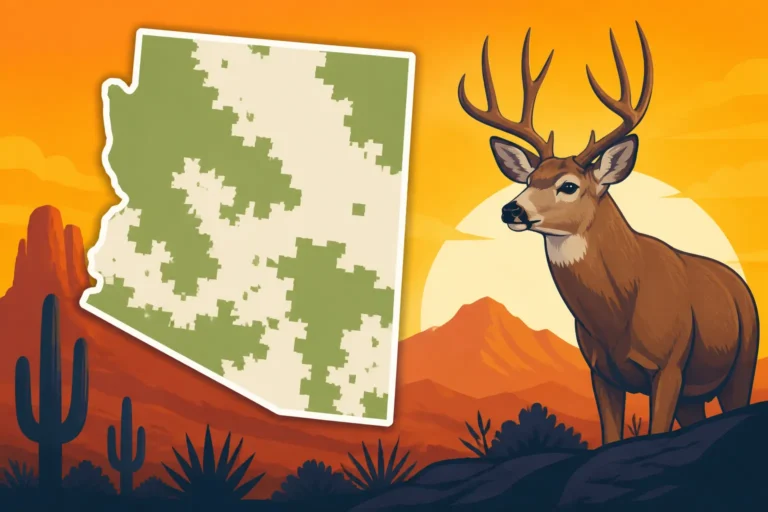
Let's begin by understanding what Arizona State Trust Land (ASTL) actually is, because it's fundamentally different from federal public lands like those managed by the Bureau of Land Management (BLM) or the U.S. Forest Service. Unlike federal lands, which are generally managed for multiple uses including recreation and conservation, ASTL was granted to Arizona by the federal government at statehood. Its primary purpose isn't public recreation in the traditional sense; instead, it's managed to generate revenue for 13 specific beneficiaries, predominantly public schools and universities.
This means that while it might look like open desert or timberland, every acre of ASTL has a fiduciary responsibility tied to it. The Arizona State Land Department (ASLD) is tasked with managing these lands to maximize their financial return, often through leases for ranching, agriculture, commercial development, and mineral extraction. This underlying mission is why access to ASTL comes with different rules and requirements compared to what you might expect on national forests or BLM lands. It's a vast and vital part of Arizona's landscape, covering millions of acres, but its use is carefully regulated to ensure those beneficiaries receive their due.
Your Arizona Hunting License as an Access Permit
Here's the good news for hunters: your valid Arizona hunting license does act as your recreational permit for engaging in hunting, fishing, and trapping activities on Arizona State Trust Land. This is a crucial distinction and one that often causes the most confusion. You generally do not need a separate, additional "recreational permit" from the Arizona State Land Department if your sole purpose for being on ASTL is actively participating in these permitted activities during legal seasons.
Think of it this way: when you purchase your Arizona hunting license, a portion of those funds helps support wildlife management and also implicitly covers your access rights for these specific, regulated activities on ASTL. This is a deliberate provision to ensure hunters can access vast swathes of Arizona's big game and small game habitat that falls under State Trust Land jurisdiction. It's designed to facilitate hunting access while still acknowledging the land's revenue-generating purpose. However, it’s imperative that your hunting license is current and valid for the species and season you are pursuing. This doesn't mean you can just wander anywhere; you still need to respect any specific closures or restrictions, such as those imposed by active leases, which we'll get into shortly. Knowing the boundaries and the specific regulations for the area you plan to hunt is always your responsibility.
For a deeper dive into whether you need any permit at all, you might find Do You Need a Permit for Arizona State Trust Land? helpful. The sheer scale of this land is also often a surprise; Arizona holds an incredible How Many Acres of Trust Land Arizona Holds, much of which is open to hunting with your license. The revenue generated from these lands goes to specific programs and institutions, as explored in Who Benefits From Arizona Trust Land Revenue.
When a Separate Recreational Permit IS Required
While your hunting license is a golden ticket for hunting, fishing, and trapping on Arizona State Trust Land, it's absolutely vital to understand its limitations. Your hunting license does not cover general recreational activities that are not directly related to the pursuit of game. This is where many hunters unknowingly run afoul of the regulations.
For any non-hunting recreational activity on ASTL, you will need to obtain a separate recreational permit from the Arizona State Land Department. This includes things like:
- Camping: If you plan to camp on State Trust Land, even if it's during a hunting trip, and your camping isn't directly incidental to active hunting (e.g., setting up a base camp days before the season, or staying after the season ends), you'll need the recreational permit. The general rule of thumb is that if you're sleeping overnight, you likely need this separate permit.
- Target Shooting: Engaging in target practice, sighting in your rifle, or casual shooting that isn't part of an active hunt also requires the recreational permit.
- Hiking, Biking, Horseback Riding: If you're out enjoying these activities and not actively hunting, fishing, or trapping, the recreational permit is necessary.
- Photography or Wildlife Viewing: While you might spot game, if your primary purpose isn't to harvest an animal during a legal season, you'll need the separate permit.
- Off-Highway Vehicle (OHV) Use: While your hunting license allows you to drive on designated roads on ASTL for hunting access, using an OHV for general recreational riding on ASTL requires a separate permit and a valid OHV decal for your vehicle.
The key distinction lies in the intent and activity. If you are on ASTL solely to hunt legally, your hunting license usually suffices. If you are doing anything else, especially overnight stays or extended leisure activities, you need that additional recreational permit. This ensures the ASLD can manage all forms of public access and collect the necessary fees to fulfill its trust obligations. It's a small fee to pay for access to such a vast and valuable resource. To understand the specifics of when you might need that extra permit, check out When Arizona Requires a Recreational Permit Instead. And for those wondering about setting up a tent or camper, Can You Camp on Arizona Trust Land? provides even more detail on overnight stays.
Navigating Trust Land with Confidence: Tools and Best Practices
Understanding the rules is one thing, but actually putting them into practice on the ground is another, especially when Arizona's diverse landscape can make property boundaries incredibly complex. It's absolutely paramount for hunters to know exactly what land they are on at all times. Here are some essential tools and best practices to navigate Arizona State Trust Land with confidence.
The Power of Mapping Applications
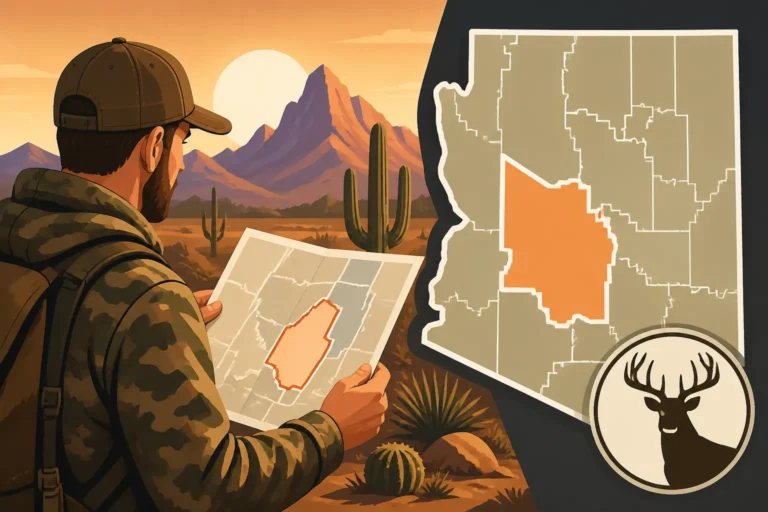
In today's hunting world, digital mapping applications are no longer a luxury; they are a necessity. Tools like onX Hunt have revolutionized how hunters identify land ownership in the field. With onX Hunt, you can overlay property boundaries directly onto satellite imagery or topographic maps, clearly distinguishing between federal public lands (like BLM or National Forest), private property, tribal lands, and, crucially, Arizona State Trust Land. Before you even leave home, you can use these apps to e-scout your unit, mark potential access points, and identify ASTL parcels that you plan to hunt. Having this information at your fingertips in the field means you can verify your location in real-time, preventing accidental trespass and ensuring you're compliant with all regulations. Other robust planning platforms, like GoHunt, also integrate land ownership data into their comprehensive unit analyses and draw odds tools, allowing you to combine your land access research with your overall hunt planning. This integrated approach ensures you're not just finding good habitat, but also confirm it's accessible.
Understanding Land Ownership Layers
When using mapping apps, make sure you understand how to interpret the different colored polygons that represent land ownership. ASTL is typically coded in a specific color (often yellow or tan on apps like onX Hunt), making it distinct from private land (often white or grey) or federal lands (green for Forest Service, orange for BLM). Familiarize yourself with these color codes and how to toggle between different layers on your map. This skill is critical, especially in checkerboard areas where public, private, and trust lands can be intertwined like a complex puzzle. Reading a Land Ownership Layer Correctly can help you sharpen this skill, ensuring you never second-guess your position.
Respecting Leases and Posted Lands
Even on State Trust Land where your hunting license allows access, there can be additional layers of complexity due to existing leases. The Arizona State Land Department leases portions of ASTL for activities like grazing, farming, and commercial operations. While these leases don't typically prohibit hunting access, lessees often have priority use and may have structures, active operations, or livestock on the land. Always respect their operations. Occasionally, you might encounter signs indicating certain restrictions or areas to avoid, especially around active ranching infrastructure or cultivated fields. It's rare, but sometimes, Why Lessees Can Close Trust Land Temporarily due to specific safety concerns or active management. While your hunting license is your permit, it doesn't grant you carte blanche to disregard legitimate lessee activities.
OHV Decals and Designated Routes
If you plan to use an Off-Highway Vehicle (OHV) on ASTL, even if it's for hunting access, remember that in addition to your hunting license serving as your recreational permit, your OHV must also have a valid Arizona OHV decal. Furthermore, travel on ASTL, as with most public lands, is generally restricted to designated roads and trails. "Cross-country" travel is usually prohibited unless explicitly marked otherwise. Always consult Motor Vehicle Use Maps (MVUMs) for National Forests and similar resources for BLM and ASTL to ensure you're staying on legal routes. Ignoring these rules can lead to significant Penalties for Entering Trust Land Without a Permit or traveling off-route.
Here's a quick summary to help keep things straight:
| Activity | Requires AZ Hunting License | Requires Separate AZSLD Recreational Permit | Requires AZ OHV Decal (if applicable) |
|---|---|---|---|
| Active Hunting (during legal season) | Yes | No | Yes (if using OHV off-highway) |
| Active Fishing (during legal season) | Yes | No | Yes (if using OHV off-highway) |
| Active Trapping (during legal season) | Yes | No | Yes (if using OHV off-highway) |
| Camping (incidental to active hunt) | Yes | Check specific rules/duration | Yes (if using OHV off-highway) |
| General Camping (non-hunting) | No | Yes | Yes (if using OHV off-highway) |
| Target Shooting | No | Yes | Yes (if using OHV off-highway) |
| Hiking/Biking/Horseback Riding (non-hunting) | No | Yes | No (for foot/bike/horse) |
| OHV Recreational Riding | No | Yes | Yes |
By employing modern mapping tools like Using onX Layers for Arizona Public Land and thoroughly understanding these access rules, you can confidently pursue your hunting adventures across Arizona's incredible State Trust Lands, knowing you're doing so legally and responsibly.
Navigating the various land designations in Arizona can feel like solving a puzzle, but with the right knowledge and tools, it becomes second nature. Your Arizona hunting license truly is a valuable pass for accessing State Trust Land for its intended purpose: hunting. Just remember to always verify your location, respect the land's primary mission, and acquire additional permits if your activities extend beyond the scope of a legal hunt. Happy hunting!
Disclaimer
This article is for general informational purposes only and does not constitute professional advice. Laws, prices and regulations vary by location and change over time. Consult a qualified professional for guidance on your specific situation.