Coues Deer Ground Inside Unit 21
Many Arizona hunters dream of chasing the elusive Coues deer, often called the "gray ghost" of the desert. But finding these small, wily whitetails in the vastness of the Arizona landscape can feel like an impossible task, especially when you're looking at a specific unit. This guide is here to demystify hunting Coues deer in Unit 21, breaking down the terrain, strategies, and gear you'll need to increase your chances of success.
Understanding Unit 21's Terrain and Habitat for Coues Deer
Unit 21, like many prime Coues deer units, embodies the classic "Sky Island" geography that makes hunting these deer so unique and challenging. It’s a place where rugged mountain ranges punch up out of the Sonoran Desert floor, creating dramatic shifts in elevation and vegetation that directly influence where these deer live and thrive. If you've never hunted country like this, it's unlike anything else, and it requires a distinct approach.
The Sky Island Environment of Unit 21
Imagine standing in a landscape dotted with saguaro cactus and creosote, then looking up to see steep, timbered slopes rising thousands of feet above you. That's the essence of Unit 21's Sky Island environment. These isolated mountain ranges act like biological islands, supporting cooler temperatures and more abundant water sources than the surrounding desert. This means within a single hunt, you might transition from classic desert scrub to oak woodlands, then into juniper and even some scattered pines or firs at higher elevations.
Coues deer are masters of this broken country. They aren't big migrators like elk; instead, they move vertically, utilizing different elevation bands depending on the season, weather, and available forage. During hotter periods, they'll often push higher into the cooler, denser cover of the oaks and junipers, seeking shade and more palatable browse. As temperatures drop, or after monsoon rains bring fresh growth to lower elevations, they might disperse a bit more. The key is understanding that these deer are almost always within striking distance of thick cover, whether that's dense oak brush on a steep hillside or a jumble of rocks and catclaw in a canyon. Where Coues Whitetail Live in Arizona
Water Sources and Their Importance
In any arid environment like Arizona, water is life, and Unit 21 is no exception. For Coues deer, water sources are critical for survival, especially during the long, hot dry spells that characterize much of the year. You'll find a mix of permanent and ephemeral water sources here, from developed wildlife waters (guzzlers) and stock tanks to natural springs tucked away in canyon bottoms, and even seasonal seeps that only appear after significant rainfall.
Understanding the distribution and reliability of these water sources is absolutely paramount to locating deer. During the archery seasons, particularly the early August hunt, deer will be tightly bound to water. Even during the rifle seasons later in the fall and winter, a reliable water source will concentrate animals. These aren't just drinking spots; they're also often associated with richer pockets of vegetation, providing both food and cover. Many of the natural springs or seeps are found in the bottoms of canyons and drainages, often surrounded by denser riparian growth that offers sanctuary. Stock tanks, while sometimes holding water year-round, can fluctuate dramatically, so it's vital to scout their current status. Using tools like onX Hunt can be incredibly helpful for identifying these locations, but nothing beats putting boots on the ground to verify what's actually there. Pay close attention to trails leading to and from these spots; fresh tracks can tell you a lot about deer activity.
Key Strategies for Scouting and Hunting Coues in Unit 21
Hunting Coues deer in Unit 21, or any Sky Island unit, isn't about still-hunting through timber like you might do for whitetails back East. It's a game of patience, optics, and strategic movement. These deer are small, blend in perfectly, and often inhabit incredibly steep, broken terrain, making direct encounters challenging. You need to adapt your strategy to their environment.
Mastering the Glassing Game
Let's be blunt: if you're not glassing, you're not Coues deer hunting. This isn't just a suggestion; it's the absolute foundation of success in Unit 21. These deer are tiny, often smaller than a good-sized domestic goat, and their "gray ghost" moniker is earned. They blend seamlessly into the rocks, shadows, and vegetation. Trying to walk them up or still-hunt through their habitat is incredibly inefficient and will likely result in you spooking deer you never even saw. Why Arizona Coues Hunting Is a Glassing Game
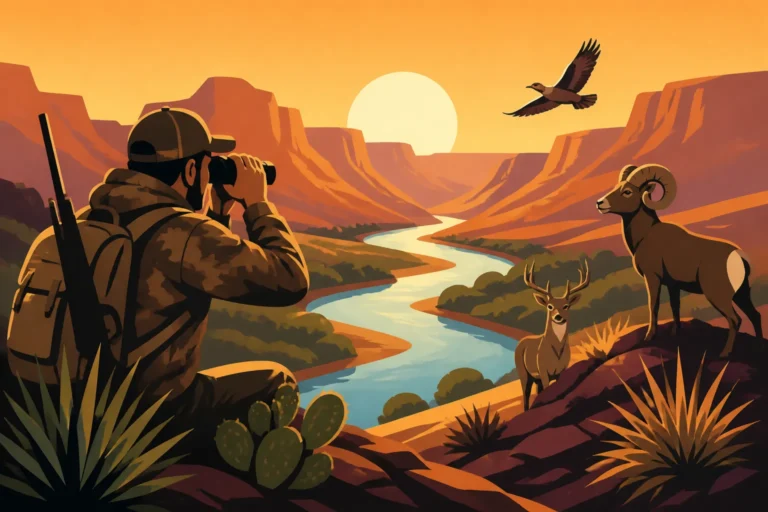
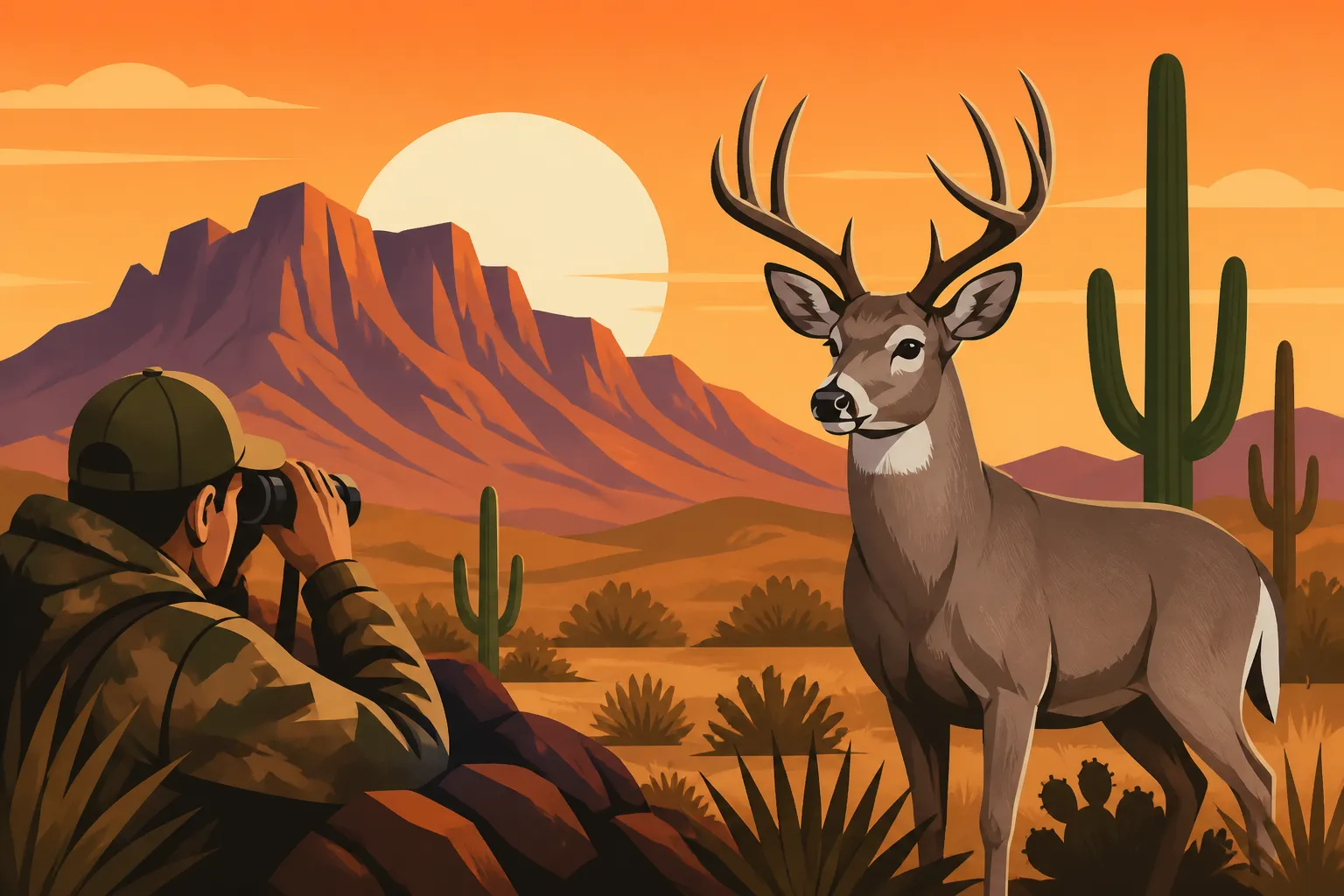
The strategy involves finding a high vantage point that offers expansive views of opposing hillsides, canyon systems, and patches of oak brush. You'll then systematically "grid" the landscape with your optics, slowly picking apart every shadow, every rock, every patch of cover. This means sitting for extended periods, sometimes hours, meticulously examining the terrain. It's not uncommon to spot a deer simply by noticing a flick of an ear, the gleam of an antler tip, or a slight shift in a "rock" that suddenly moves. The Grid Glassing Method, Step by Step Patience is your best friend here. Don't rush. The best times for glassing are typically early morning, right as the sun begins to hit the hillsides, and late afternoon as the shadows lengthen. These are the periods when deer are most active, moving from bedding areas to feeding grounds or vice-versa. Best Time of Day to Glass a Sky Island
Stalking the Gray Ghost
Once you've spotted a Coues buck from a distance – and it will almost always be from a distance – the real challenge begins: the stalk. This is where the broken, rocky, and brushy terrain of Unit 21 really tests your woodsmanship. Coues deer have incredible eyesight, hearing, and a keen sense of smell, making a successful stalk one of the most rewarding aspects of this hunt.
Your primary goal during a stalk is to use the terrain to your advantage. Look for draws, washes, ridgelines, and any patches of dense vegetation that can offer concealment. Move slowly, deliberately, and above all, silently. The loose rocks and crunchy leaves can be incredibly noisy, so pick your footfalls carefully. Often, you'll need to make wide detours to avoid skylining yourself or traversing noisy ground. Pay close attention to the wind, as thermal currents can shift dramatically in mountainous terrain. Early in the morning, thermals tend to flow downhill, then switch to uphill as the day warms, often becoming unpredictable in the middle of the day. You'll need to constantly monitor the wind direction to keep it in your favor. Playing Thermals on a Canyon Stalk Many times, you'll find yourself needing to get within very close range for a shot, especially if you're bowhunting. How Close a Bowhunter Needs to Get on Coues Be prepared to take your time, and don't be afraid to back out and try again if the conditions aren't right or you've spooked the deer without it knowing exactly where you are. Using Washes and Draws to Close Distance
Essential Gear and Mindset for Success in Unit 21
Hunting Coues deer in Unit 21 isn't just about knowing the land; it's also about having the right tools and the right attitude. The rugged environment demands gear that can perform, and the challenges of the hunt require a specific kind of mental toughness. Don't underestimate either of these components.
Optics for Distant Discovery
Your optics setup is arguably the most critical piece of gear you'll carry into Unit 21. Investing in high-quality binoculars and a spotting scope is non-negotiable for serious Coues hunting. For binoculars, a 10x or 12x magnification is a good starting point for handheld glassing, but many experienced Coues hunters swear by 15x binoculars for their ability to pick apart distant hillsides. The larger objective lens (e.g., 50mm or 56mm) on 15x binos helps gather more light, which is crucial in the dim light of dawn and dusk. Binocular Size That Survives an All-Day Session
A good spotting scope, typically with a 60-85mm objective lens and variable magnification up to 60x or 80x, is essential for truly evaluating a buck once you've spotted it with your binoculars. This allows you to judge antler size, confirm legal take, and assess the animal's behavior without moving closer. Both your binoculars and spotting scope should be mounted on a sturdy tripod. Trying to hold high-magnification optics steady for extended periods is a recipe for fatigue and missed details. A good tripod setup will save your neck, back, and eyes, allowing you to glass more effectively for longer. Spotting Scope Power for Coues Country Tripod Setup for Glassing From a Ridge Before you even apply for a unit, using tools like GoHunt can help you research harvest statistics and terrain characteristics, giving you an idea of the type of glassing challenges you might face.
Physical Preparation and Desert Acclimation
Unit 21 is not a place for the faint of heart or the out-of-shape. The terrain is relentlessly steep, rocky, and often covered in dense, thorny brush. You'll be doing a lot of hiking, often with heavy packs, up and down significant elevation changes. Being in good physical condition is paramount, not just for covering ground, but for maintaining focus and endurance during long days of glassing and potentially even longer, more strenuous stalks. Start an exercise regimen well in advance of your hunt, focusing on cardiovascular fitness, leg strength, and carrying weight.
Beyond physical fitness, mental preparation and an understanding of the desert environment are crucial. Temperatures can swing wildly, from freezing nights to scorching afternoons, especially during the early archery or late rifle seasons. You must be prepared to carry adequate water, often much more than you think you'll need, as natural sources can be unreliable. Water You Must Carry on a Day Hunt Good, broken-in hiking boots with excellent ankle support are essential for navigating the uneven, rocky ground. Choosing Boots for Rocky Dese rt Ground Sun protection – hats, lightweight long-sleeved shirts, sunscreen – is also key. Be aware of venomous critters like rattlesnakes, especially during warmer months. This is a tough hunt, and it demands a tough hunter. Preparing Physically for a Desert Hunt
| Aspect | Description in Unit 21 Coues Ground | Key Challenge | Success Tip |
|---|---|---|---|
| Terrain Type | Sky Islands: Steep mountains rising from desert, rocky, dense oak brush, juniper, saguaro-dotted lower slopes. | Significant elevation changes, rugged footing. | Prioritize cardio and leg strength in your physical prep. |
| Primary Strategy | Extensive long-range glassing from high vantage points. | Spotting small, camouflaged deer at extreme distances. | Invest in top-tier binoculars (12-15x), spotting scope, and a sturdy tripod. |
| Water Sources | Scattered stock tanks, natural springs, guzzlers; can be scarce, especially in dry periods. | Locating reliable water and deer activity around it. | Use mapping apps like onX Hunt for intel, then verify on foot. |
| Cover & Concealment | Dense oak brush, rock outcroppings, canyons, riparian zones along washes. | Stalking silently through noisy, thorny vegetation. | Move slowly, pick every foot placement, and use thermals/wind. |
| Typical Shot Distance | Highly variable, from close range after a perfect stalk to long shots across canyons (know your limits!). | Getting within ethical shooting range. | Practice shooting at varying distances, especially uphill/downhill. |
| Patience Level | Extremely high. Hours of glassing, slow stalks, and the possibility of no sightings on some days. | Avoiding frustration and maintaining focus. | Embrace the process; it's a marathon, not a sprint. |
Disclaimer
This article is for general informational purposes only and does not constitute professional advice. Laws, prices and regulations vary by location and change over time. Consult a qualified professional for guidance on your specific situation.