Crossing a State Line With a Harvested Animal
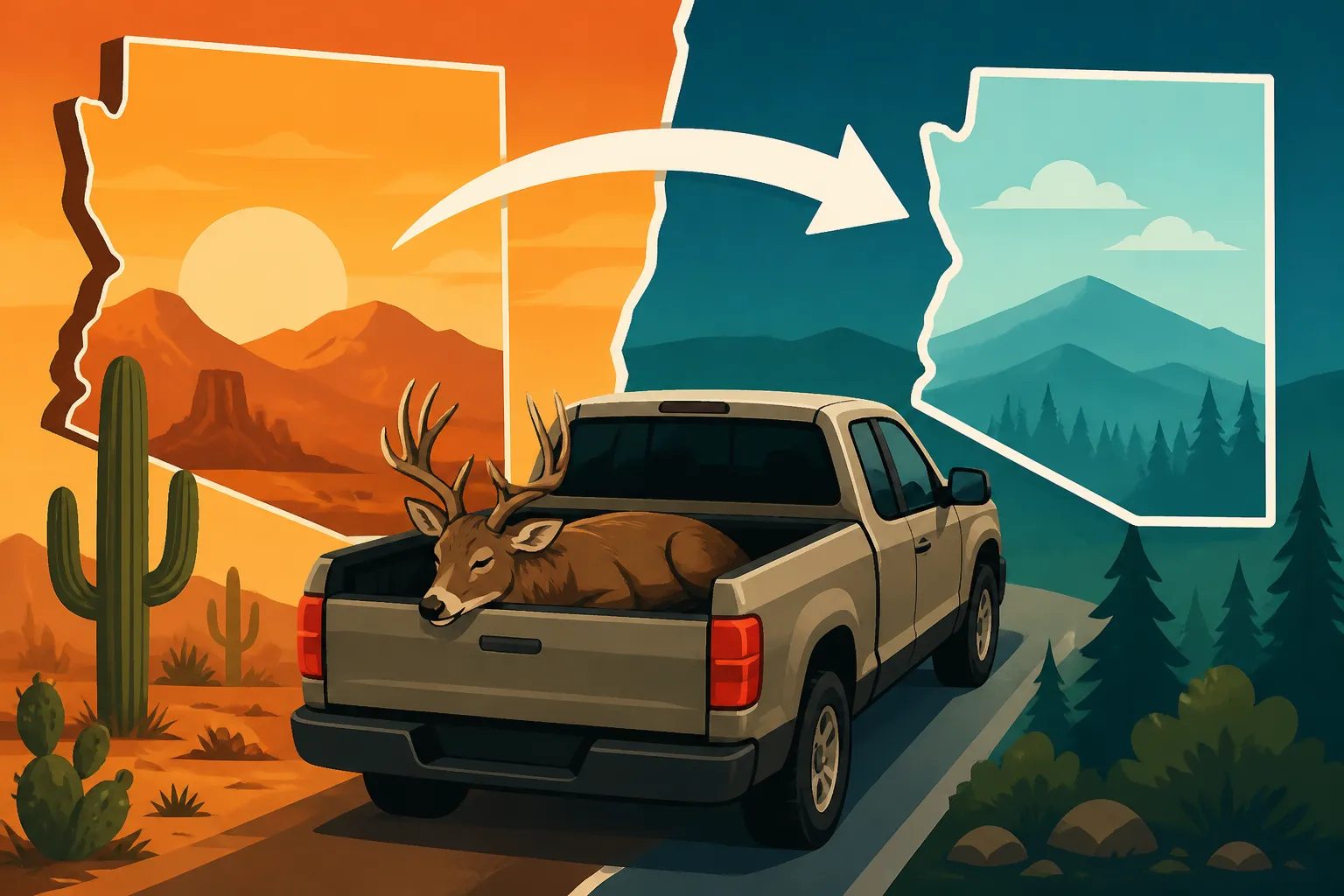
Harvesting an animal in Arizona is an incredible achievement, but the relief and excitement can quickly turn into a stressful head-scratcher when you realize you need to transport that hard-earned game across state lines. Many hunters find themselves anxiously wondering if they've properly prepared their harvest for legal travel, fearing an accidental violation before they even get home. This guide will walk you through the essential rules, preparations, and best practices for successfully crossing state lines with your harvested big game from Arizona, helping you avoid unnecessary headaches and potential legal troubles.
Understanding Interstate Game Transport Laws
It’s a common misconception that if it's legal in Arizona, it's legal everywhere. Unfortunately, that's just not the case, especially when it comes to transporting game across state boundaries. Each state has its own set of regulations, and they often differ significantly, particularly concerning Chronic Wasting Disease (CWD) and carcass parts. This patchwork of rules can feel overwhelming, but a little preparation goes a long way to ensure a smooth journey home.
The Two-Way Street of Regulations
When you're bringing an animal out of Arizona and into another state, you're essentially dealing with two sets of laws: Arizona's regulations for export and the destination state's regulations for import. While Arizona has clear rules for how you must tag and prepare your animal immediately after harvest – for instance, How Soon You Must Tag a Downed Animal – it's often the destination state's rules that dictate the final form your animal needs to be in for entry. You might have legally quartered your elk in an Arizona unit, but if your home state has stricter CWD-related carcass import rules, those quarters might still need further processing before crossing the border. Always, always check the rules of the state you're driving into first.
Why CWD Rules Are the Biggest Hurdle
Chronic Wasting Disease (CWD) has become the single biggest driver of interstate game transport regulations. It's a neurological disease affecting cervids (deer, elk, moose, caribou), and while there's no evidence it can be transmitted to humans, wildlife agencies are rightly cautious. The disease-causing prions are concentrated in certain "high-risk" parts of the animal, such as the brain, spinal cord, lymph nodes, and spleen. To prevent the spread of CWD, many states have enacted strict rules about which parts of a deer or elk carcass can cross their borders. This means simply tossing a whole animal or even bone-in quarters into your truck might be illegal depending on where you're headed. Before you even head out, services like GoHunt often provide crucial state-by-state breakdowns of CWD regulations, which are a huge part of this.
Preparing Your Harvest for Cross-State Travel
The key to a stress-free trip home is preparing your animal before you leave the Arizona unit where you hunted. This often involves more than just field dressing; it means making decisions about deboning, skull preparation, and ensuring proper documentation. Being proactive in the field saves you a world of trouble at state lines.
Field Dressing and Deboning Best Practices
For many states with CWD regulations, deboned meat is the safest and most compliant way to transport your harvest. This means removing all meat from the bone, essentially leaving the skeletal structure behind. This process eliminates the spinal cord and other high-risk tissues. While it adds extra work in the field, it's often your best bet for hassle-free travel. Learning how to properly debone an animal in the field is a valuable skill for any hunter, especially if you're on a multi-day hunt and need to get that meat cooled quickly. Considering Arizona's often warm temperatures, getting that meat off the bone and cooling it rapidly is also vital for meat quality. Field Dressing in Desert Heat covers some excellent techniques for this.
Here’s a general guideline for what’s typically allowed (always verify with your destination state):
| Carcass Part | Generally Allowed for Interstate Transport (with caveats) | Generally Restricted (due to CWD risk) |
|---|---|---|
| Deboned meat | Yes (typically) | No (meat must be deboned) |
| Skull plate with antlers | Yes (cleaned, free of brain/tissue) | Whole skull (unless professionally cleaned) |
| Hides/capes | Yes (no brain or spinal tissue attached) | No (unless processed) |
| Teeth | Yes | No |
| Finished taxidermy mounts | Yes | No |
| Bone-in quarters | Check destination state's specific CWD rules; often restricted | Yes (often restricted) |
| Whole carcass | Only if destination state has no CWD restrictions | Yes (almost always restricted in CWD states) |
| Brain, spinal cord, lymph nodes, spleen | No | Yes (always restricted) |
Remember, this table is a general guide. It's imperative that you look up the specific regulations for your destination state. Some states might have additional rules, such as requiring lymph nodes to be removed even from deboned meat, or specific cleaning protocols for skulls.
Skull and Antler Preparation
If you plan to bring home a skull or antlers for a European mount or taxidermy, you need to be very diligent. Most states require that the skull plate be completely free of brain matter and any other tissue. This often means boiling or pressure washing the skull to ensure it's spotless. Leaving brain tissue, even a small amount, can lead to your trophy being confiscated. Similarly, hides and capes usually need to be thoroughly cleaned and free of any tissue, especially around the neck and head area, to be transported legally. You'll want to review Evidence of Sex Requirements on a Carcass to ensure you leave the necessary parts attached for identification until final processing.
Cooling and Packaging
Regardless of your destination, proper cooling and packaging of your meat are critical. Arizona's desert environment, even in cooler seasons, can quickly spoil meat if not handled correctly. Once you've field dressed and potentially deboned your animal, get that meat on ice, preferably in coolers where air can circulate. Double-bagging meat in sturdy plastic bags helps keep it clean and prevents cross-contamination, especially if you're using melted ice for cooling. If you've taken an animal on an early season hunt, Getting Meat Cooled on an Early Season Hunt offers excellent advice on managing the heat. Your coolers should be secure and easily accessible in case officials need to inspect them.
Documentation and Legal Requirements
Beyond the physical preparation of your game, having the correct paperwork is paramount. A properly filled-out tag and your hunting license are your primary documents, but depending on the circumstances, you might need more. Getting your game checked and adhering to reporting requirements are also part of the overall legal picture.
Your Arizona Hunting License and Tag
Your Arizona hunting license and the tag affixed to your harvested animal are the most crucial pieces of documentation. Ensure your tag is properly filled out, dated, and securely attached to the animal as soon as it's down. Arizona has strict rules about this, and How Soon You Must Tag a Downed Animal outlines the specifics. This tag is proof of legal harvest in Arizona. Do not remove it until your game is fully processed and ready for storage. Keep your hunting license easily accessible, as you'll need to present it if questioned by game and fish officials in any state you pass through.
Mandatory Reporting and Game Check
Arizona has mandatory reporting requirements for certain species after harvest. For instance, Mandatory Reporting After an Arizona Harvest explains the process for reporting big game kills. While not directly about interstate transport, fulfilling these requirements is part of your overall legal obligation as an Arizona hunter. Furthermore, if you harvested an animal in a CWD-positive unit or management zone, your destination state might require you to provide proof that the animal was tested for CWD, or that you've adhered to specific carcass export rules. Sometimes, this means stopping at a CWD sampling station – Where Arizona CWD Sampling Stations Are can help you locate these. You might not need to submit samples unless required by Arizona for disease monitoring, but having documentation showing you passed through such an area or took necessary precautions can be beneficial.
Planning Your Route and Knowing State Laws
Planning your driving route home is just as critical as your hunting plan. Tools like onX Hunt can help you visualize state boundaries and identify potential inspection points along your journey. Before you leave home for your hunt, take the time to research the game transport regulations for every state you will be driving through, not just your final destination. This includes states you're simply passing through. A quick call to the game and fish department of each state along your route can clear up any ambiguities. While Arizona does not impose specific restrictions on what parts of a legally harvested animal you can take out of the state, it's those importing states that have the final say.
Essential Checklist for Cross-State Travel
To make sure you're fully prepared, consider this checklist before you hit the road:
- Research Destination & Transit States: Know their CWD rules, general game transport laws.
- Properly Tagged Animal: Arizona tag securely attached, all fields filled out.
- Hunting License & Permits: Keep yours readily available.
- Meat Preparation: Deboned if required, well-packaged, and properly cooled.
- Trophy Preparation: Skull cleaned of all tissue, cape preserved.
- CWD Test Results (if applicable): If you tested your animal, keep results handy.
- Copy of Arizona Regulations: Having a digital or physical copy of Where the Current Arizona Regulations Are Posted can be useful for reference, especially if there's a question about the legality of your harvest in Arizona itself.
- Contact Numbers: Keep numbers for Arizona Game and Fish and relevant agencies in your transit states.
By meticulously following these steps, you can confidently drive home, knowing that you've respected the law and preserved your hard-earned harvest. Don't let the administrative burden overshadow the incredible experience of your Arizona hunt; just be prepared!
Disclaimer
This article is for general informational purposes only and does not constitute professional advice. Laws, prices and regulations vary by location and change over time. Consult a qualified professional for guidance on your specific situation.