Getting Landowner Permission in Arizona
Finding quality hunting land in Arizona can feel like a constant battle, especially when public land units get hammered with pressure. Many hunters dream of accessing those untouched pockets of private property that often hold the biggest bucks and bulls, but the thought of asking a landowner for permission can be incredibly daunting. This guide is here to demystify the process, offering practical advice and strategies for respectfully approaching private landowners in Arizona to gain hunting access.
The Lay of the Land: Understanding Private Property in Arizona Hunting
Arizona is a vast state, and while it boasts an impressive amount of public land managed by the BLM and National Forests, there are also significant tracts of private property, especially in transition zones between mountains and deserts, along river corridors, and within ranching communities. Ignoring these private parcels means potentially missing out on some incredible hunting opportunities. The key is to first understand where private land exists and how it might impact your hunting plans, even if you’re primarily focusing on public ground.
It's common for hunters to stumble upon "landlocked" public parcels, surrounded entirely by private ground. Without permission, these areas are effectively inaccessible. Moreover, private land often holds vital resources like water sources or prime feed, drawing game animals away from pressured public areas. This makes understanding the boundaries absolutely critical, not just for respectful hunting, but for strategic advantage.
Identifying Private Land Boundaries
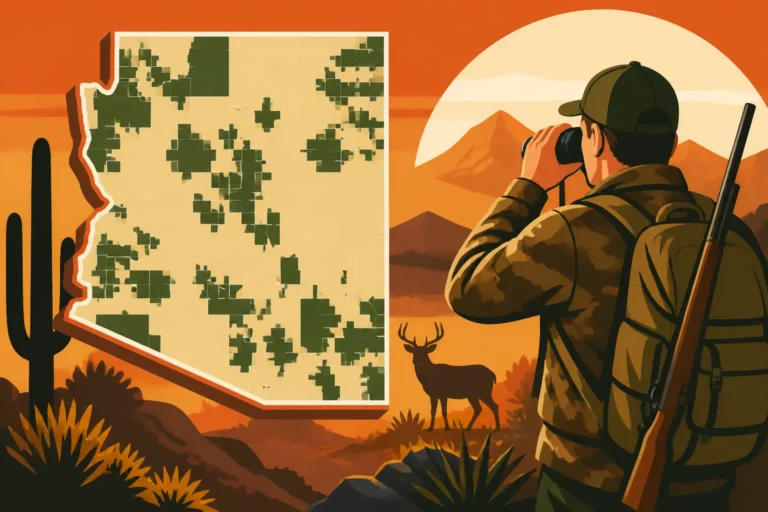
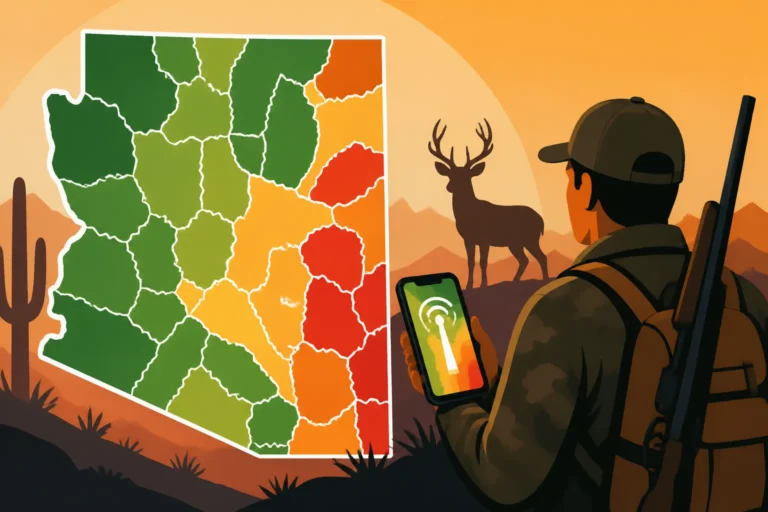
Before you even think about knocking on a door or making a phone call, you need to know exactly whose land you're looking at. This is where modern technology becomes your best friend. Gone are the days of squinting at plat maps in a county office. Now, apps like onX Hunt have revolutionized how hunters identify land ownership. These tools overlay property lines, landowner names, and land status (public, private, tribal, state trust) directly onto a GPS map on your phone or tablet.
Using a mapping application, you can zoom into an area you're interested in, identify private parcels, and often find the landowner's name and sometimes even contact information. This allows you to pinpoint the exact property you want to request access to and research who owns it. It’s also crucial for understanding Reading a Land Ownership Layer Correctly, ensuring you don't accidentally trespass or approach the wrong person. Remember, while a hunting license is your permit for much of Arizona's State Trust Land, private property is an entirely different beast requiring explicit permission.
Why Landowners Might Grant Access
Many hunters shy away from asking for permission because they assume all landowners will say no, or that they only grant access for a fee. While some do charge, or reserve their land for family and friends, many others might be open to the idea for various reasons. They might be looking to manage game populations that are overgrazing their pastures or damaging crops. They might simply appreciate respectful hunters who offer to help with small tasks around the ranch, like fixing a fence post or keeping an eye out for anything amiss.
Sometimes, landowners are simply tired of dealing with trespassers and would prefer to have a known, responsible hunter on their property. Building a reputation as a trustworthy individual who respects their land and rules can be a huge asset. These reasons are often not about money, but about trust and shared values. It's about finding that common ground and demonstrating that you're an asset, not a liability. Ranch Access Along Grassland Units often comes down to these types of relationships.
The Art of the Ask: Approaching Landowners for Access
Approaching a landowner requires preparation, respect, and a clear understanding of what you're asking for. It's not a cold call; it's more like a job interview where you're selling yourself as a responsible, ethical hunter. Your first impression, whether in person, by phone, or in a letter, is everything.
Research and Preparation Before Contact
Before you ever make contact, do your homework. Use tools like GoHunt's property data or onX Hunt to learn about the property itself. What kind of terrain is it? Does it appear to have good habitat for the species you're pursuing? Is it bordered by public land, suggesting game might funnel through it? Knowing these details shows you’re serious and have done your research.
Next, research the landowner if possible. A simple online search might reveal if they are known to grant access, if they run a cattle operation, or if they have specific concerns (e.g., protecting livestock). Draft a brief, polite script or letter outlining who you are, what you're asking for (e.g., permission to hunt archery deer in October), and why you believe you'd be a responsible guest. Mention your experience, ethical standards, and perhaps offer references if you have them. This preparation helps you avoid fumbling your words or forgetting crucial details when the moment comes. Consider how your approach might differ if the land is primarily agricultural versus vast, undeveloped acreage.
Making Initial Contact: In Person, Phone, or Letter
There are generally three primary ways to initiate contact with a landowner. Each has its pros and cons, and the best method often depends on the specific situation and your comfort level.
| Contact Method | Pros | Cons | Best Use Case |
|---|---|---|---|
| In Person | Most personal, allows for immediate rapport, direct answers. | Can be intrusive if timing is bad, requires travel, potential for awkwardness. | For properties you can easily drive by, or when you know the landowner is often on site. Always approach respectfully, never during meal times or busy work periods. |
| Phone Call | Convenient, relatively quick, allows for a real-time conversation. | Easy to be dismissed, harder to convey sincerity without face-to-face interaction. | When the landowner's number is readily available, allows for a more immediate response than a letter. Keep calls concise and respectful. |
| Written Letter | Allows for a detailed, well-thought-out request, can be less intrusive. | Slow response time, easy for letter to be ignored or lost. | For distant landowners, or if you prefer to make a formal, detailed proposal. Include all your contact info and mention your scouting efforts. |
No matter the method, always be polite, respectful, and flexible. State your request clearly and concisely. If they say no, thank them for their time and move on gracefully. Pestering or arguing will only damage your reputation and potentially impact future hunters seeking access.
What to Say and What to Avoid
When you get the chance to speak with a landowner, remember that you're asking for a privilege, not asserting a right. Start by introducing yourself clearly, mentioning where you're from, and briefly stating your purpose. For example, "Hello, my name is Alex and I'm a bowhunter from Phoenix. I'm hoping to find a place to hunt deer this fall, and I noticed your property has some great habitat adjoining public land. I was wondering if you ever grant permission for respectful hunters?"
Be prepared to answer questions about your hunting style, experience, and commitment to safety. Highlight your respect for their property, livestock, and any improvements. Offer to share contact information and references if they ask. What you absolutely must avoid is being vague, demanding, or entitled. Never assume access or start by talking about the trophy animal you hope to take. Focus on being a responsible guest. Avoid pushing too hard if they hesitate, and respect their decision if it's a "no." Also, be clear about the specific animal you're hunting; don't ask to hunt "anything."
Building Bridges: Cultivating Trust for Future Opportunities
Gaining permission once is a great start, but the real goal is to build a relationship that allows for future opportunities. This means going above and beyond to prove yourself trustworthy and respectful. Think of it as a long-term investment in your hunting future.
Upholding Your End of the Bargain
Once permission is granted, treat the property better than your own. Stick to the agreed-upon areas, dates, and weapon types. If you said you'd hunt archery-only, don't show up with a rifle. If they specified a certain gate to use, use it. Close all gates behind you, even if you found them open. Pick up any trash you find, whether it's yours or not. Report any issues you notice on the property, like downed fences, trespassers, or injured livestock. This shows you're not just there for the hunt but care about their land.
If you harvested an animal, let them know and offer to share some of the meat as a gesture of thanks. Even if they decline, the offer itself means a lot. Being courteous and communicative is key. If you decide not to hunt after all, or your plans change, let them know out of courtesy. This kind of communication solidifies trust.
Going Above and Beyond: Adding Value to the Relationship
Many successful private land hunters go beyond simply following the rules. They actively look for ways to help the landowner. This could mean offering to mend a fence, help with a branding, check water troughs during a dry spell, or even just keep an eye on the property when the landowner is away. These aren't obligations, but opportunities to show genuine appreciation and build a bond.
For example, on a ranch in southern Arizona, a hunter might offer to check remote stock tanks for issues or report Water Sources That Concentrate Arizona Desert Game on the property. These small acts of service can transform a transactional permission into a valued partnership. You're no longer just a hunter; you're a trusted pair of eyes and hands on their property. This sort of reciprocal relationship is what opens doors for years to come and is often why How an Outfitter Opens Private Arizona Ground or a trespass fee arrangement is so valuable to a landowner.
Navigating the Details: Agreements and Responsibilities
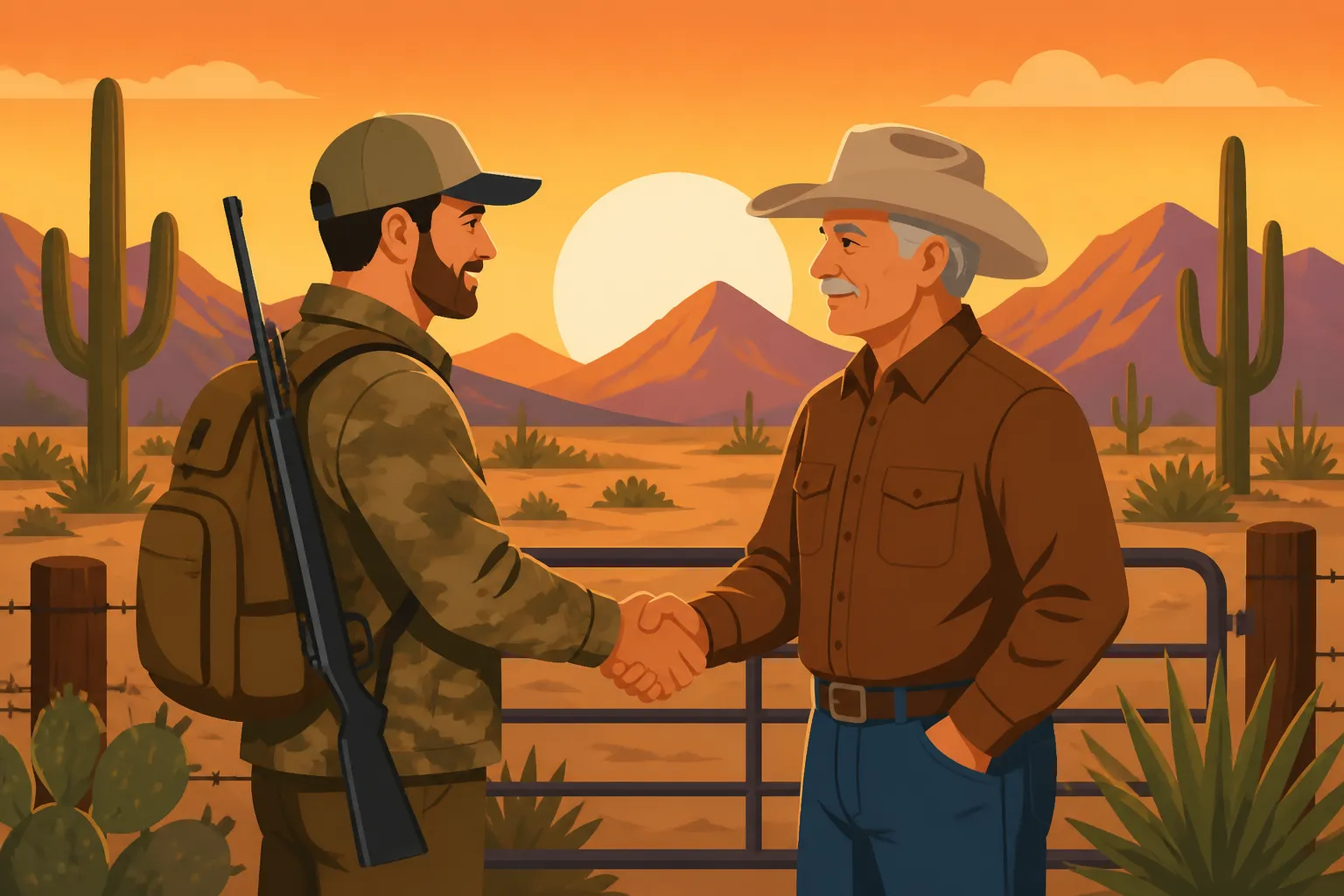
Even with a handshake, it’s important to have clear understanding on specifics. Ambiguity can lead to misunderstandings and sour an otherwise good relationship.
Clarifying Expectations and Rules
Before your hunt, ensure you and the landowner are on the same page about all the specifics. This includes:
- Specific hunting areas: Are there boundaries within the property? Are some areas off-limits?
- Dates and times: What days are you allowed to hunt? Are there specific hours?
- Species and weapon: Are you hunting deer, javelina, or something else? Is it archery, rifle, or muzzleloader?
- Access points: Which gates or roads can you use? Should gates be left open or closed?
- Vehicle use: Can you drive off main roads? Where can you park?
- Guest policy: Can you bring a hunting partner, or is it just you?
- Safety zones: Are there areas near residences or livestock that are off-limits for shooting?
- Contact information: Make sure you both have each other’s phone numbers.
- Emergency procedures: What should you do in case of an accident or if you find an injured animal?
It might feel like a lot of questions, but clarity upfront prevents problems later. It shows professionalism and respect for their property. Remember, What Ranch Access Typically Costs can also sometimes be non-monetary, like an exchange of services for access, so be open to different arrangements.
Understanding Liability and Legalities
Even with permission, hunters must be aware of their legal responsibilities. In Arizona, private landowners are generally protected by recreational use statutes, which limit their liability when they allow public access for recreational activities like hunting, usually without charge. However, you as the hunter are responsible for your own actions and safety.
Always carry your hunting license, tags, and proof of permission (a written note, text message, or even just a clear understanding with the landowner). Know Trespass Law on Posted Arizona Property inside and out, as violating it can lead to severe penalties. Should you harvest an animal, ensure you comply with all tagging and reporting requirements. This commitment to legality and responsibility is paramount for protecting yourself, the landowner, and the future of private land access for hunters. Always remember to perform your due diligence in Reading a Unit Before You Ever Walk It, not just for game, but for understanding all the access nuances.
Disclaimer
This article is for general informational purposes only and does not constitute professional advice. Laws, prices and regulations vary by location and change over time. Consult a qualified professional for guidance on your specific situation.