Water Hauling for a Desert Camp
Hunting in Arizona's vast and often unforgiving desert environments presents a unique set of challenges, and none is more critical than securing enough water for your camp. Many hunters, especially those new to the Southwest, underestimate just how quickly the arid climate, relentless sun, and physical exertion can lead to dangerous dehydration. This guide is here to walk you through the realities of water management for a desert camp, helping you plan, haul, store, and conserve this precious resource so you can focus on the hunt itself, rather than worrying about your canteen running dry.
Why Water is the Ultimate Resource in the Arizona Desert
Let's be brutally honest: Arizona's desert doesn't play around when it comes to hydration. This isn't your lush, humid Eastern forest where a stream is always within earshot. Here, the air is often bone dry, the sun beats down with an intensity that seems to suck the moisture right out of you, and the physical demands of navigating rocky, brush-choked terrain can elevate your water needs exponentially. Underestimating this can turn an exciting hunt into a serious survival situation faster than you can say "heat stroke."
Many hunters arrive thinking their usual two liters a day will suffice, only to find themselves parched and struggling by midday. The low humidity means sweat evaporates almost instantly, giving a false sense of not sweating much, when in reality, your body is losing critical fluids at a rapid rate. Combine that with the physical exertion of climbing a steep ridge to glass, busting through thick catclaw, or packing out a harvested animal, and your body's water demand skyrockets. It's not just about comfort; it's about maintaining physical and mental acuity for safe decision-making in demanding conditions. You need to be thinking about Heat Management on an Arizona Early Season Hunt long before you even hit the dirt.
Beyond personal consumption, consider the other needs of a desert camp. Cooking, basic hygiene, and even tending to a harvested animal all require water. Field dressing an animal in 100-degree heat, for example, demands more water than you might expect for cleaning hands and tools. Ignoring these secondary needs means you'll either go without, which is miserable, or dip into your precious drinking supply, which is dangerous. Every drop counts out here, and a comprehensive water plan is the absolute cornerstone of a successful and safe Arizona hunt.
Calculating Your Camp's Daily Water Needs
When it comes to water, there's no such thing as "too much" in the Arizona desert, but there certainly is "not enough." A good rule of thumb is to calculate your absolute minimum and then add a significant buffer. Dehydration dulls your senses, saps your energy, and makes even simple tasks feel monumental. You simply cannot afford to skimp here.
Start by estimating your individual daily drinking needs. For an active hunter in a hot desert environment, a minimum of 1.5 to 2 gallons per person per day is a more realistic starting point than the typical 1 gallon often cited for less extreme conditions. If you're physically Preparing Physically for a Desert Hunt, you might even be pushing 2.5 to 3 gallons on days with strenuous activity, like a long-distance stalk or packing out meat. Factor in the ambient temperature: a fall hunt might require less than an early archery season venture in August, but even then, the desert sun is potent. Your activity level is key; someone sitting a waterhole might need less than someone constantly on the move, covering miles while glassing.
Now, add in your camp needs. This includes water for cooking dehydrated meals, washing up (even if it's just a quick rinse of hands and face), and perhaps a small amount for cleaning dishes. Budget at least an additional 0.5 to 1 gallon per person, per day, for these purposes. If you plan on having more involved meals or desire a bit more comfort, adjust upwards. Don't forget any game care—you'll want some clean water for processing an animal.
Here’s a rough breakdown to help you visualize your minimum daily needs:
| Activity Level & Conditions | Drinking Water (Gallons/Person/Day) | Camp Use (Gallons/Person/Day) | Total Minimum (Gallons/Person/Day) |
|---|---|---|---|
| Mild weather, low activity | 1.5 | 0.5 | 2.0 |
| Warm, moderate activity | 2.0 | 0.75 | 2.75 |
| Hot, high exertion | 2.5 – 3.0 | 1.0 | 3.5 – 4.0 |
Once you have your per-person, per-day estimate, multiply that by the number of people in your group and the total number of days you plan to be in the field. Then, add a significant contingency. A good rule of thumb is to bring at least an extra day's worth of water, or even two, especially if your camp is remote or your vehicle access is questionable. Mechanical issues, unexpected delays, or getting turned around can quickly deplete your reserves. It's always better to haul more out than to run out in the field.
Strategic Water Hauling and Storage Solutions
Getting all that water to your desert camp is often a logistical puzzle. It requires forethought, appropriate gear, and sometimes a bit of ingenuity. Your choice of hauling and storage methods will depend heavily on your vehicle access, the duration of your trip, and the remoteness of your chosen hunting area.
Efficiently Hauling Water to Your Camp
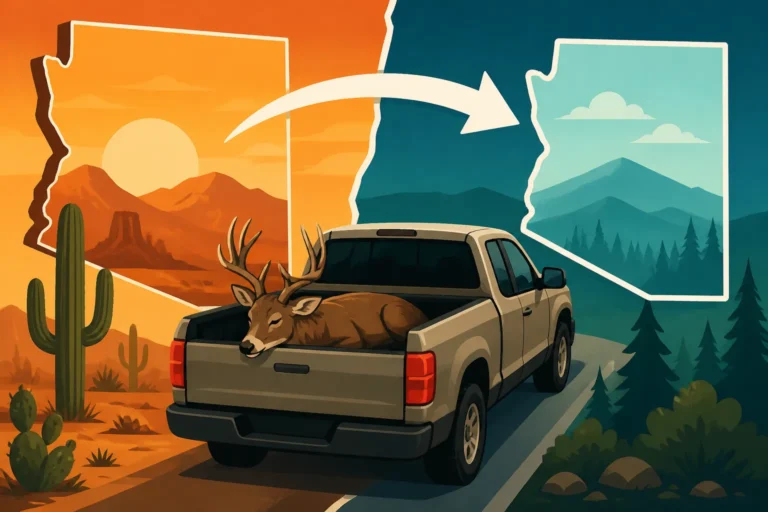
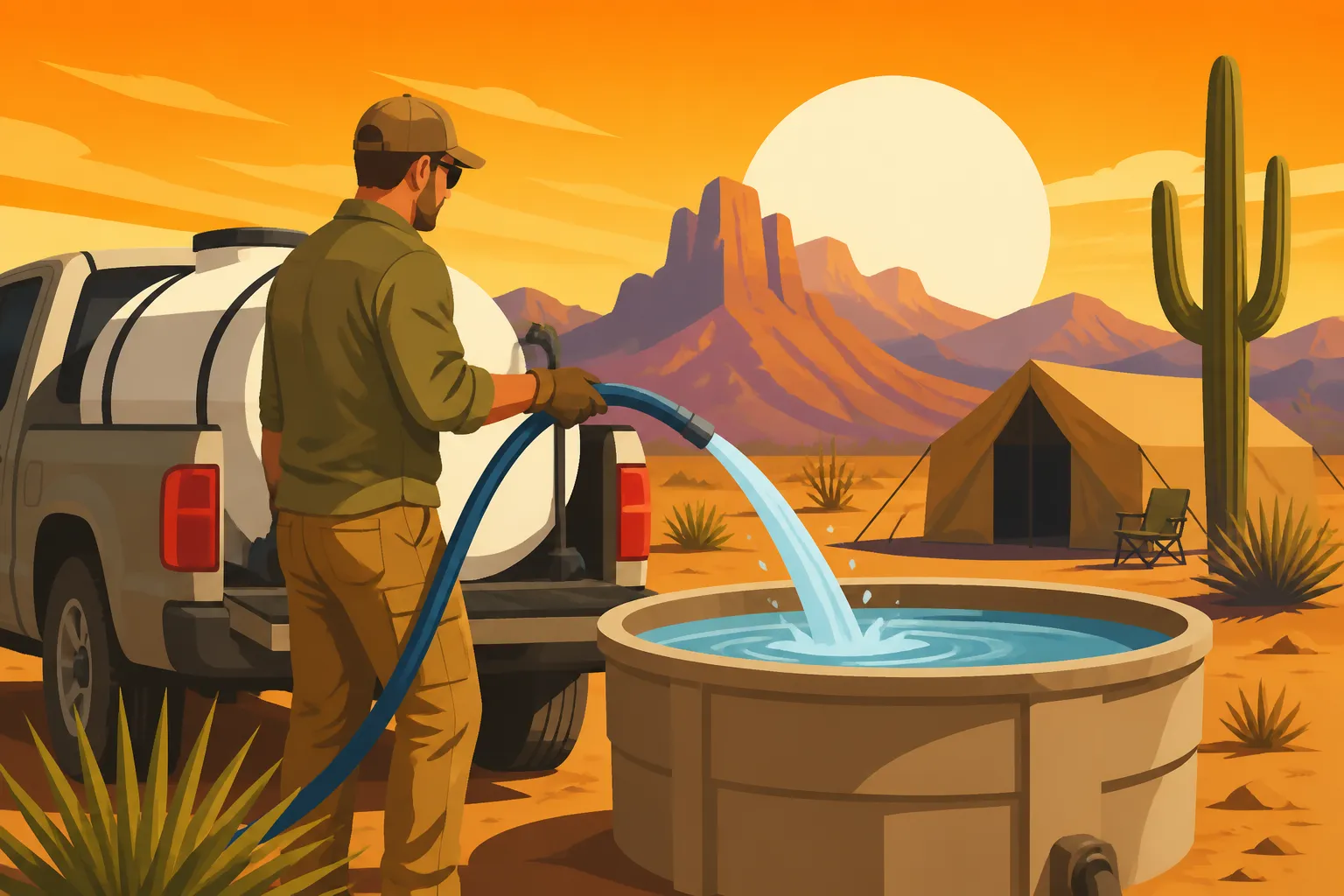
For most desert hunts, your vehicle is your primary water hauler. This means utilizing your truck bed, roof rack, or even a small trailer if you're pulling one. You need robust containers that can withstand the rigors of bouncing over washboard roads and rocky trails. Traditional gallon jugs from the grocery store are a terrible idea for hauling large quantities; they're flimsy and prone to bursting. Instead, invest in durable, purpose-built water containers. Heavy-duty plastic water bricks (like those from WaterPORT or Reliance) are excellent, often stackable, and come in various sizes from 3.5 to 7 gallons. These are designed to take a beating. Large, rigid plastic jugs with sturdy handles are also a good option. Some hunters even use 55-gallon food-grade plastic drums for base camp, but these are incredibly heavy when full and require a pump or spigot system.
Consider how you'll secure your containers. Water sloshing around can shift your vehicle's weight and potentially damage containers. Strap everything down tightly to prevent movement. If possible, keep water inside your truck's cab or under a camper shell to protect it from direct sunlight during transit, as this can heat the water, making it less refreshing and potentially encouraging bacterial growth if stored long-term. Remember that once you get to your camp, you'll likely still need Water You Must Carry on a Day Hunt for your daily excursions from base camp.
Setting Up Your Water Storage System
Once at camp, don't just leave your water out in the sun. Heat is the enemy of cool, refreshing water and can also accelerate degradation of plastic containers. Find a shady spot, ideally under a tree or rock overhang. If shade is scarce, create it with a tarp or even by digging a shallow pit and burying some of your containers. The cooler ground temperature can help keep water from getting too warm. Insulated coolers or specialized water coolers are also great for daily consumption, ensuring you always have a cold drink when you return to camp.
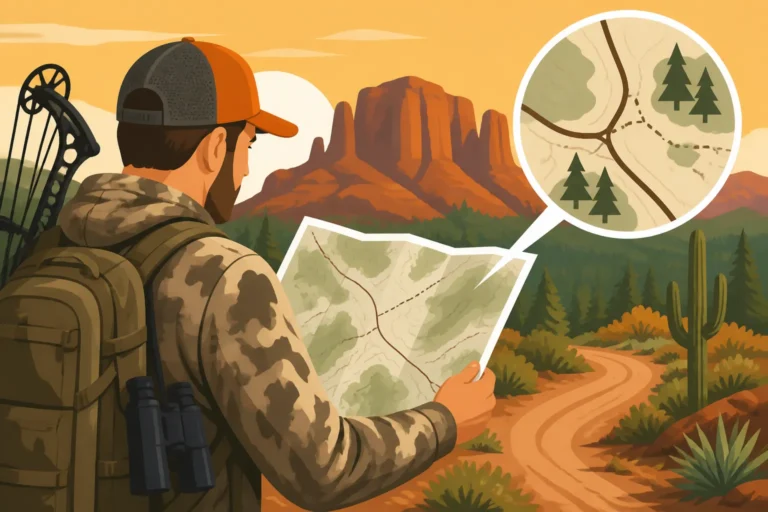
If your hunt is longer than a few days, or if you're setting up a spike camp away from your primary vehicle, a water caching strategy might be invaluable. Caching involves pre-positioning water containers at strategic locations before your hunt begins. This can significantly reduce the weight you need to carry or haul in your primary vehicle. When caching, use durable, dark-colored containers (like military-style jerry cans or black water bricks) that blend into the environment. Mark your cache locations clearly on a GPS, and consider using a mapping app like onX Hunt to precisely pinpoint them. Buried caches are more secure from animals and sunlight but can be harder to find. Always secure caches well, away from game trails, and ensure they are clearly marked for your retrieval, but not obvious to others. Remember to check local regulations; caching water for personal use is generally permissible, but always confirm any specific rules for your hunting unit.
Some hunters even invest in larger, flexible water bladders (often 10-25 gallons) that can be laid flat in a truck bed for hauling and then transferred to a stand or suspended from a tree at camp for easy dispensing. These are space-efficient for transport but need careful handling to avoid punctures. When you're Reading Terrain Before You Pick a Camp, consider natural features that might provide shade or a good spot for a water storage system.
Finding and Treating Natural Water Sources
While hauling all your water is the safest bet, knowing how to identify and treat natural water sources can be a critical backup or a way to supplement your supply on longer trips. Arizona's desert does have water, but it's often scarce, unreliable, and almost always requires treatment before consumption. You'll want to bone up on Water Sources That Concentrate Arizona Desert Game to understand where to look.
Identifying Potential Water Sources
In the desert, water typically collects in specific formations. Look for stock tanks (man-made ponds for livestock), natural potholes in rock formations that collect rainwater, and springs. Springs are often found at the base of mountains or along canyon walls where groundwater seeps to the surface. Washes, especially in the larger drainages, might hold temporary pools after heavy rains, but these are usually very silty and short-lived. A mapping tool like onX Hunt can be incredibly useful here, as it often has layers showing known springs, tanks, and even contour lines that indicate drainage patterns. Planning ahead by E-Scouting an Arizona Unit Before the Season and marking these potential sources on your map is a smart move.
However, a word of caution: these natural sources are also vital for wildlife. How Drought Affects Desert Deer Numbers often hinges on the availability of these very water points. They are frequently stagnant, contain animal waste, and are breeding grounds for bacteria and parasites. Never assume natural water is safe to drink directly. It almost never is. Also, be mindful of your presence around these crucial water points, as game animals rely on them heavily, especially during dry spells.
Essential Water Purification Methods
Any water collected from a natural desert source must be treated. There are several reliable methods:
- Filtration: A good quality backcountry water filter (like those from Katadyn or Sawyer) is essential. These filters remove bacteria, protozoa, and often sediment, making the water visually clearer and safer. However, most common filters do not remove viruses, so a secondary treatment is often recommended.
- Chemical Purification: Water purification tablets (chlorine dioxide) are lightweight, easy to use, and effective against bacteria, viruses, and giardia. They do require a waiting period, typically 30 minutes to 4 hours, before the water is safe to drink. They can sometimes leave a slight chemical taste.
- Boiling: Boiling water vigorously for at least one minute (or three minutes at elevations above 6,500 feet) is the most effective way to kill all pathogens, including viruses. The downside is that it requires fuel, time, and the water will be hot.
- UV Light Purifiers: Devices like SteriPEN use ultraviolet light to neutralize bacteria, viruses, and protozoa. They are fast but rely on batteries and require the water to be relatively clear for the UV light to be effective.
For maximum safety, many experienced desert hunters combine methods, such as filtering water first to remove sediment and larger organisms, then treating it with purification tablets or boiling it. This provides a robust defense against waterborne illnesses that could quickly ruin your hunt and compromise your safety.
Emergency Water Management and Contingency Planning
Even with the best plans, things can go sideways in the desert. A busted water container, an unexpected extension of your hunt, or a wrong turn can make a well-planned trip turn into a scramble for survival. Having emergency water management skills and a solid contingency plan is non-negotiable for anyone venturing into Arizona's remote hunting areas.
Prioritizing Water Use in a Pinch
If you find yourself with less water than anticipated, immediate rationing becomes crucial. First, minimize physical exertion. Stay in the shade during the hottest parts of the day and restrict movement to cooler hours. Avoid salty foods, which increase thirst. Don't waste water on hygiene that isn't absolutely critical. Every sip counts. If you're on a multi-day hike away from your main camp, ensure your daypack always has more water than you think you need. Consider the advice in Water You Must Carry on a Day Hunt for such scenarios.
Always carry a personal water filter and purification tablets in your hunting pack, even if you plan to rely entirely on hauled water. These are your absolute last resort for natural sources. A small collapsible water bottle or bladder to collect emergency water is also a good addition. Knowing Reading a Unit Before You Ever Walk It means understanding potential emergency water sources, even if they aren't ideal.
Communication and Emergency Protocols
Crucially, let someone reliable know your exact hunting plan, including your intended route, camp location, and expected return date. Share your onX Hunt waypoints if possible. This "someone" should be instructed to contact authorities if they don't hear from you by a specific time. Modern technology also offers solutions: a satellite messenger or GPS device with two-way communication (like a Garmin InReach or Zoleo) can be a literal lifesaver, allowing you to call for help even without cell service, which is common in vast parts of Arizona.
Beyond water, packing an emergency kit with basic first aid, a signaling mirror, fire-starting materials, and extra layers is just good sense. The desert can get surprisingly cold at night, and hypothermia can be a risk, even after a scorching day. Always consider your exit routes and how you would navigate back to a main road or rendezvous point if your vehicle became disabled. Thinking through these scenarios beforehand, and having the gear to back it up, can make the difference between a challenging experience and a dire one.
Ultimately, water hauling for a desert camp in Arizona isn't just a chore; it's a fundamental aspect of your hunting strategy. Treat it with the respect it deserves, and your desert hunting adventures will be far more enjoyable and, most importantly, safe.
Disclaimer
This article is for general informational purposes only and does not constitute professional advice. Laws, prices and regulations vary by location and change over time. Consult a qualified professional for guidance on your specific situation.