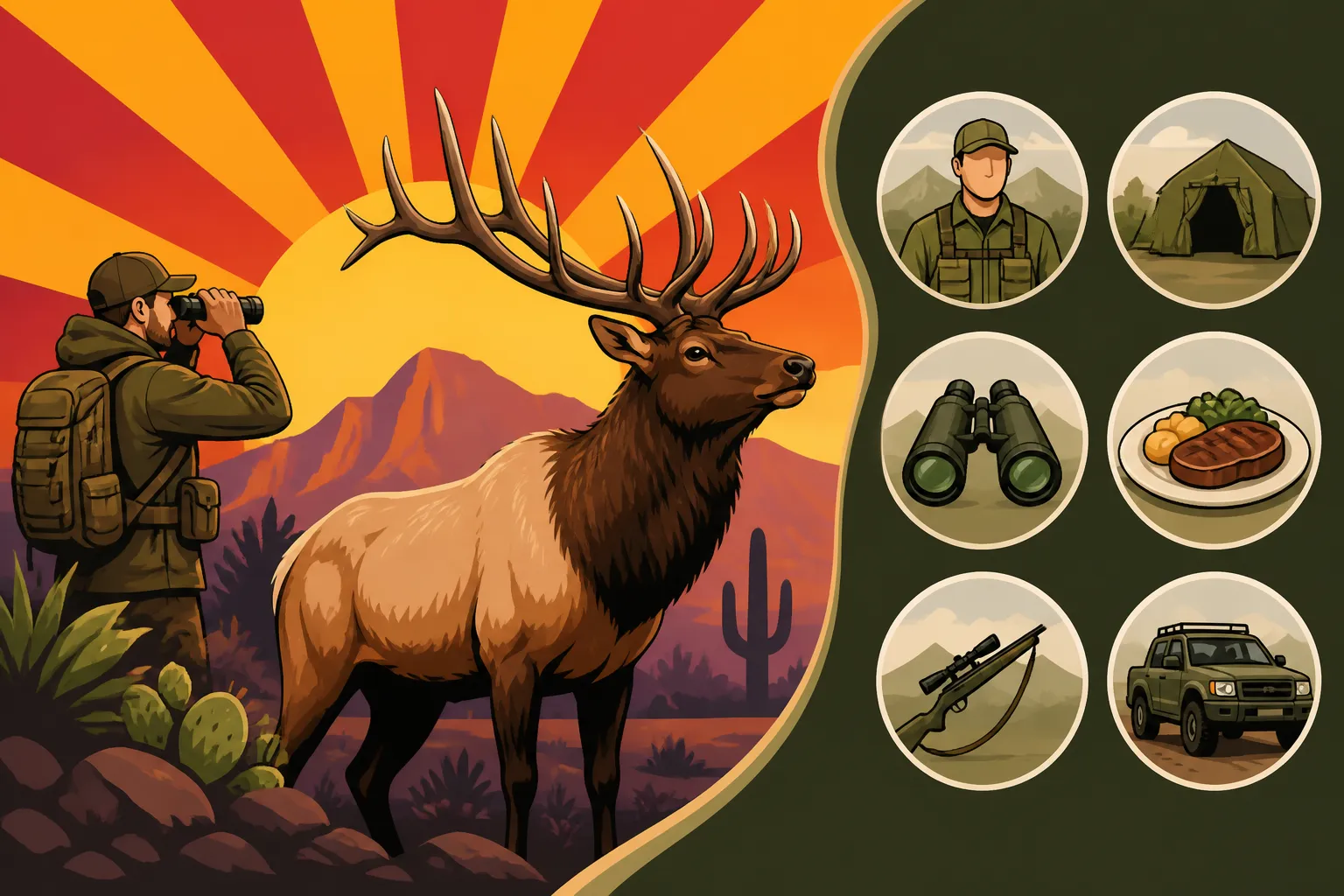
What a Fully Guided Arizona Elk Hunt Includes
The idea of a fully guided elk hunt in Arizona can feel like stepping into the unknown, especially when you're dreaming of those big bulls on the Mogollon Rim or the Kaibab Plateau but aren't quite sure what "guided" truly entails. It's a significant investment, both financially and emotionally, and the last thing anyone wants is to arrive in camp with mismatched expectations. This guide is here to break down exactly what a fully guided Arizona elk hunt typically includes, from the moment you consider applying to the final steps of getting your trophy home, so you can plan with confidence and clarity.
Understanding the Foundation of a Fully Guided Elk Hunt
When you commit to a fully guided elk hunt in Arizona, you're not just buying a few days in the field; you're investing in an experience designed to maximize your chances of success and minimize your logistical headaches. It’s a partnership where your outfitter takes on the heavy lifting, allowing you to focus on the thrill of the chase.
The 'Fully Guided' Promise: What It Actually Means
A "fully guided" hunt is usually the most comprehensive package an outfitter offers. It generally means that from the moment you arrive at a designated meeting point—often an airport or a specific trailhead—your outfitter is responsible for nearly every aspect of your hunting trip. This isn't a "drop camp" where you're left to your own devices after being dropped off, nor is it a "semi-guided" scenario where they just point you in the right direction. Instead, a fully guided hunt means you have dedicated guides in the field with you, often on a one-on-one or two-on-one client-to-guide ratio, actively scouting, tracking, calling, and making strategic decisions throughout the day. They're your eyes, ears, and often your legs, navigating the complex terrain of Arizona's elk country.
This level of service is particularly valuable in vast, rugged landscapes like those found in Arizona, where elk can be elusive and the terrain unforgiving. The guide's intimate knowledge of the unit, learned over years of scouting and hunting, is perhaps the most critical component. They know where elk typically feed, bed, and water, how they react to pressure, and the best approaches for different wind conditions. This local expertise can turn a challenging hunt into a successful one.
Beyond the Kill: The Comprehensive Service Package
While securing an elk is certainly the primary goal, a fully guided hunt encompasses far more than just locating an animal and calling in a shot. Think of it as an all-inclusive adventure package focused on hunting. This includes comfortable accommodations, whether that's a well-appointed wall tent camp with cots and heaters, a lodge, or sometimes even a local motel, depending on the unit and the outfitter’s setup. All your meals are typically provided, ranging from hearty breakfasts before dawn to packed lunches in the field and satisfying dinners back at camp.
Transportation within the hunting unit is also part of the deal. This might involve UTVs, 4×4 trucks, or even pack horses and mules to access remote areas that would be impossible to reach on foot with all your gear. Guides are also responsible for all the specialized hunting equipment that might be impractical for you to bring, such as spotting scopes, tripods, specialized calls, and even sometimes firearms if you're traveling light or prefer to use their calibrated gear. Essentially, your outfitter aims to remove all non-hunting stresses, allowing you to conserve your energy and mental focus for the hunt itself.
The Crucial Role of Experience and Local Knowledge
The true value of a fully guided hunt in Arizona lies in the guide's extensive experience and deep local knowledge. These individuals have often spent years, if not decades, intimately familiarizing themselves with the specific hunt units they operate in, understanding everything from elk migration patterns to the subtle nuances of thermals in a particular canyon. They know When the Elk Rut Peaks on the Rim and where to find early season bulls watering during the intense August heat. This kind of firsthand understanding is impossible to gain from maps alone, no matter how much e-scouting you do.
A seasoned guide brings a wealth of skills to the table: expert glassing techniques to spot elk at incredible distances, calling proficiency to entice wary bulls, tracking abilities on varied terrain, and an intuitive sense of when to push hard and when to be patient. They’re also adept at reading the subtle signs of elk activity, from fresh tracks to rubs and wallows, which can often be the difference between a successful hunt and coming home empty-handed. Their experience extends to safety in remote areas, including first aid and emergency protocols, ensuring that your hunt is not only productive but also as safe as possible. For anyone new to Elk Country Along the Mogollon Rim or the vastness of the Kaibab, this guidance is simply invaluable.
Pre-Hunt Planning and Preparation: Your Outfitter's Role
The work of a fully guided outfitter begins long before you ever set foot in Arizona. Much of the value they provide comes in the meticulous planning and preparation stages, ensuring that everything is in place for your arrival.
Application Assistance and Draw Strategy
One of the most complex aspects of hunting elk in Arizona, especially for non-residents, is navigating the draw system. Arizona’s tag allocations are competitive, and understanding the nuances of bonus points, hunt codes, and application deadlines can be a real headache. A good outfitter often provides comprehensive application assistance, helping you strategize which units to apply for based on your goals (trophy quality, success rates, hunt dates) and your bonus point status. They can walk you through the Arizona Elk Season Structure by Hunt Code and help you understand draw odds. Many outfitters even have services where they’ll apply for you, ensuring all deadlines are met and paperwork is correctly submitted. This is a huge relief for many hunters who find the system daunting.
Reputable outfitters will also be upfront about realistic draw odds for specific units, helping you manage expectations. Services like BookYourHunt or GoHunt often collaborate with outfitters who can provide this level of detail, streamlining the research process for hunters. They're not just selling a hunt; they're selling the path to that hunt, and a critical part of that path is successfully drawing a tag.
Gear Lists, Physical Conditioning, and Pre-Season Scouting
Once you've drawn a tag, your outfitter will provide detailed gear lists, often tailored to the specific unit, time of year, and type of hunt you've booked. These lists are invaluable, ensuring you have everything you need, from appropriate clothing layers for Arizona's diverse climates to boots suitable for rugged terrain. They'll also offer advice on Physical Conditioning for a Sky Island Hunt or any other challenging area, as elk hunting in Arizona can be incredibly demanding physically. They want you to be prepared, because your physical readiness directly impacts your ability to keep up and make the most of the opportunities that arise.
Beyond your personal preparation, the outfitter's own pre-season scouting is continuous and intense. Guides are out in the units weeks and months before the season opens, glassing, tracking, setting up trail cameras, and monitoring elk movement. They use this information to develop a deep understanding of current elk distribution and behavior, which changes year to year based on weather, feed, and pressure. This extensive pre-season work means they hit the ground running when you arrive, focusing on areas with current elk activity. This is literally How Outfitters Scout Before Your Arrival.
Communication Protocols Before You Arrive
Clear and consistent communication is a hallmark of a professional outfitter. After you book, you can expect regular updates regarding the draw results, any changes in regulations, and specific instructions for your arrival. They’ll confirm meeting times and locations, discuss your dietary preferences for camp meals, and answer any last-minute questions you might have.
This communication might happen over email, phone calls, or even dedicated client portals. The goal is to ensure you feel well-informed and confident about the upcoming trip. They'll discuss logistics for getting your weapon sighted in, whether that's at a local range upon arrival or at a dedicated spot near camp. Any good outfitter understands that a well-prepared client is a happy and more successful client, and this starts with open lines of communication.
In-Field Operations: From Camp to Carcass Recovery
The core of a fully guided hunt is the time spent in the field, where the outfitter's expertise truly shines. This is where the planning translates into action, and the hunt unfolds.
Accommodations and Camp Life
Camp life on a fully guided Arizona elk hunt can vary significantly, but the common thread is that it’s all taken care of for you. In more remote, backcountry units, you might find yourself in comfortable wall tent camps. These aren't primitive setups; they often include cots, sleeping pads, heaters for chilly nights, and even dedicated cooking tents. You wake up to coffee brewing and a hot breakfast, which is a game-changer when you're facing a long day of strenuous hunting. These camps are designed for functionality and comfort, providing a warm, dry place to rest and recharge.
For hunts in more accessible units, accommodations might include a lodge, cabin, or even a local hotel. Regardless of the setup, all your meals are provided, from nutritious breakfasts that fuel your morning to satisfying dinners that help you recover. Lunches are typically packed to be eaten in the field, so you can stay out on the mountain without needing to return to camp. The outfitter handles all the cooking, cleaning, and camp chores, so your only job is to hunt hard and enjoy the experience. This attention to detail allows you to immerse yourself fully in the hunt, rather than worrying about the logistics of feeding yourself or setting up shelter.
Daily Hunt Strategy and Execution
Each day of a fully guided hunt is meticulously planned, though always adaptable to elk movement and conditions. Your guides will discuss the morning's strategy over breakfast, outlining target areas, expected elk behavior, and contingency plans. They’ll likely spend hours glassing vast landscapes, using high-powered optics to pick apart distant hillsides and canyon bottoms for the tell-tale glint of an antler or the subtle movement of an elk. Patience is a virtue here, and your guide knows when to sit and glass and when to move.
When elk are located, the real work begins. Guides will lead you on strategic stalks, taking into account wind direction, terrain features that offer cover, and the elk’s current activity. They’ll often use calls – bugles, cow calls, or mews – to locate bulls, gauge their interest, and bring them into shooting range. Your guide will be right there with you, coaching you on shot placement, confirming distances, and helping you set up for the best possible opportunity. They've spent countless hours learning to read elk sign, understand what it means, and they know Reading Fresh Elk Sign in Ponderosa Timber is crucial to success. This hands-on guidance is what distinguishes a fully guided hunt from any other type of outing.
Game Recovery, Field Dressing, and Initial Care
Should you be fortunate enough to harvest an elk, the work doesn't stop there. One of the most physically demanding aspects of elk hunting, especially in remote Arizona terrain, is game recovery. Your outfitter and guides will handle the entire process of locating the downed animal, field dressing it, and packing it out. This often involves significant physical exertion, sometimes requiring multiple trips over challenging ground, or the use of pack animals like horses or mules. Their expertise ensures the meat is handled properly from the moment of harvest, maximizing its quality.
Proper field dressing and cooling are critical, especially during warmer early season hunts. Guides are experts at quickly and efficiently breaking down an animal in the field, getting the meat off the bone and into game bags to allow it to cool rapidly. They’ll often have specialized equipment for this, including knives, saws, and robust game bags. The goal is to ensure that your hard-earned meat is protected and preserved, ready for the next stage of processing. This is an often-underestimated part of the guided service that offers immense value, especially if you're not accustomed to handling large game in rugged environments.
Post-Harvest Logistics and What Comes Next
Bringing down an elk is a monumental achievement, but a fully guided hunt doesn't end when the animal hits the ground. Your outfitter often assists with the crucial steps that follow, ensuring your meat and trophy are handled properly.
Meat Processing and Taxidermy Coordination
After the elk is recovered and brought back to camp or the trailhead, the outfitter will typically transport it to a local meat processor. This is a huge convenience, as finding a reputable processor in an unfamiliar area can be a challenge. While the cost of processing is almost universally not included in the base price of a guided hunt, your outfitter will coordinate the drop-off and ensure all necessary information (your contact details, desired cuts, etc.) is communicated to the processor.
Similarly, if you plan to have your trophy mounted, your outfitter can usually arrange delivery of the cape and antlers to a trusted local taxidermist. They work with these professionals regularly and know who provides quality work. Again, the taxidermy fees are a separate expense, but the logistical coordination saves you immense time and effort, especially if you're an out-of-state hunter. Having these connections and services laid out for you is a testament to the comprehensive nature of a fully guided experience.
Trophy Care and Transportation
Proper care of the cape and antlers in the field is paramount to ensuring a high-quality taxidermy mount. Your guides are skilled in caping an animal correctly for various types of mounts, ensuring enough hide is taken and handled meticulously to prevent spoilage. They'll prepare the skull plate for antler removal if necessary and ensure the cape is properly cooled and salted (if appropriate for the conditions and timeframe) for transport.
Transporting your trophy, whether it's just the antlers or a full cape, can be a complicated affair, especially if you're flying. Your outfitter can advise you on the best methods for shipping, including approved containers and reputable freight services. They'll help you prepare your trophy for shipment, ensuring it meets all legal and airline requirements. This might include boxing antlers or freezing capes for safe transit. While the shipping costs are your responsibility, the outfitter's guidance through this intricate process is invaluable.
The Financial Realities Beyond the Base Price
It's important to understand that while a fully guided hunt includes a great deal, there are almost always additional expenses beyond the initial outfitter fee. These often include your hunting license and tag fees for Arizona, which can be substantial, especially for non-residents. Costs for meat processing and taxidermy are separate, as are any shipping fees for your meat or trophy. Gratuities for your guides and camp staff are also a customary expectation and should be budgeted for—they often make up a significant portion of a guide's income and reflect the hard work and dedication they put into your hunt.
Personal gear, travel to and from Arizona, and any unforeseen expenses (like extra nights in a hotel before or after the hunt) should also be factored into your total budget. Knowing What a Guided Arizona Elk Hunt Costs upfront means understanding not just the outfitter's price, but all these auxiliary expenditures. It’s always best to have a frank conversation with your potential outfitter about all possible costs to avoid any surprises.
Choosing the Right Outfitter for Your Arizona Elk Adventure
Selecting the right outfitter is arguably as important as drawing a tag itself. This decision will define your entire hunting experience.
Vetting and Due Diligence
Before you commit to a fully guided Arizona elk hunt, thorough vetting of potential outfitters is absolutely critical. Start by checking their references—and don’t just accept the ones they provide; ask for a list of recent clients you can contact directly. Speak to these hunters about their experiences, asking specific questions about the quality of the guides, the camp conditions, and their overall satisfaction. Websites like BookYourHunt or GoHunt can be great starting points for discovering outfitters and reading reviews, but always follow up with direct client calls.
Verify the outfitter’s licensing and permits. In Arizona, outfitters must be licensed and carry the necessary permits to operate on public lands (such as Forest Service or BLM ground). Don't hesitate to ask for proof of these credentials. Look into their track record, not just in terms of kill rates (which can be misleading), but in client satisfaction and ethical hunting practices. A good outfitter prioritizes a quality experience and ethical hunt above all else. This process of Vetting an Arizona Outfitter Before You Send a Deposit is your best defense against a disappointing trip.
Contracts, Deposits, and Refund Policies
A reputable outfitter will always provide a detailed written contract outlining all services included, dates of the hunt, specific pricing, and payment schedules. Read this contract carefully, paying close attention to cancellation and refund policies. This is especially important for Arizona elk hunts, where drawing a tag can be uncertain. Understand what happens to your deposit if you fail to draw a tag. Some outfitters offer full refunds or the option to roll your deposit over to the following year, while others may have non-refundable policies. Be sure to clarify Whether You Get a Refund If You Fail to Draw well in advance.
Deposit amounts can vary, often ranging from 25% to 50% of the total hunt cost, with the balance due closer to the hunt date. Ensure the payment schedule aligns with your financial planning. Don't be afraid to ask for clarification on any clause in the contract that seems unclear. This document is your protection, so it's vital to understand every detail before signing.
Asking the Right Questions
When you're speaking with prospective outfitters, prepare a comprehensive list of Questions Worth Asking Before You Book. Beyond the standard questions about success rates and camp amenities, delve into specifics. Ask about the typical client-to-guide ratio on their elk hunts, as this can significantly impact the personalized attention you receive. Inquire about the physical demands of the hunt in the units they operate—are you expected to hike long distances at high elevations? What kind of terrain will you encounter?
Ask about their emergency protocols and what safety measures are in place in remote areas. Discuss their philosophy on ethical hunting and animal recovery. Clarify what equipment you are expected to bring versus what the outfitter provides. Understanding these details upfront ensures that your expectations align with what the outfitter delivers, making for a much smoother and more enjoyable hunting adventure in Arizona.
| Feature | Typically Included in Fully Guided Hunt | Typically Excluded (Additional Cost) |
|---|---|---|
| Guides | Yes (1:1 or 2:1 client-to-guide ratio) | – |
| Pre-Hunt Scouting | Yes | – |
| Application Help | Yes (Strategy & assistance) | – |
| Accommodations | Yes (Camp, lodge, motel) | Pre/post-hunt lodging outside designated dates |
| Meals | Yes (Breakfast, lunch, dinner in camp/field) | Alcoholic beverages, personal snacks |
| In-Unit Transport | Yes (4×4, UTV, horses/mules) | Airfare/travel to meeting point |
| Hunting Gear | Yes (Spotting scopes, calls, game bags) | Personal hunting weapons, ammo, optics, clothing |
| Game Recovery | Yes (Locating, field dressing, packing out) | – |
| Meat Transport | Yes (To local processor) | Meat processing fees, shipping costs |
| Trophy Care | Yes (Caping, initial prep, transport to taxidermist) | Taxidermy fees, shipping costs |
| Licenses/Tags | No | Yes (Required for all hunters) |
| Gratuities | No | Yes (Customary for guides/staff) |
Disclaimer
This article is for general informational purposes only and does not constitute professional advice. Laws, prices and regulations vary by location and change over time. Consult a qualified professional for guidance on your specific situation.