The Average Cost of a Guided Arizona Elk Hunt
For many hunters, the dream of chasing a giant bull elk in Arizona is a powerful one, but the reality of securing a coveted tag and navigating unfamiliar, rugged terrain can feel incredibly daunting. That's where the idea of a guided hunt often comes in, offering a shortcut to experience and expertise, but it brings with it a big question mark: what exactly does a guided Arizona elk hunt cost? This guide will break down the financial considerations, helping you understand the investment involved in pursuing a guided elk hunt in the Grand Canyon State.
Understanding the Investment: Why Guided Arizona Elk Hunts Cost What They Do
It's easy to look at a price tag for a guided hunt and feel a bit of sticker shock. You might wonder how a hunting trip could possibly cost as much as a small car or a significant home renovation project. But when you start to peel back the layers, you realize that a guided Arizona elk hunt isn't just about showing up with your rifle or bow. It's a comprehensive service, a massive logistical undertaking, and an investment in an experience that many spend years dreaming about.
The "All-In" Nature of a Guided Hunt
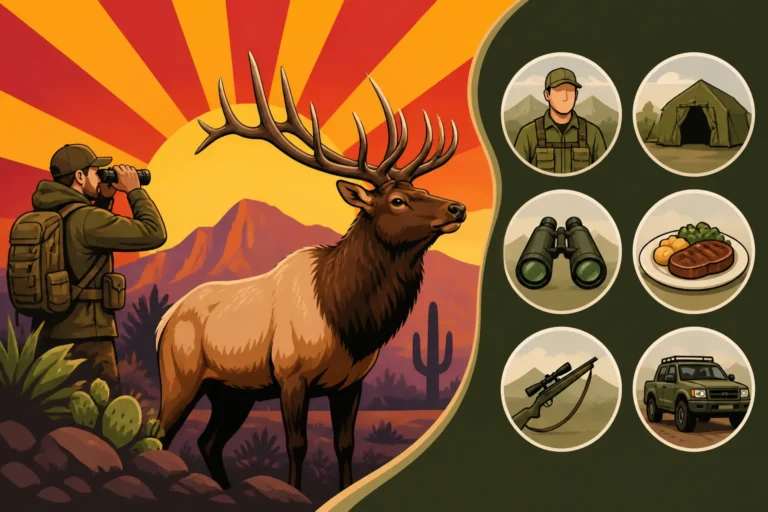
Think of a guided hunt not as buying a product, but as hiring a team of experts to deliver a highly specialized, all-encompassing service. When you pay for a guided elk hunt in Arizona, you're not just paying for someone to walk with you through the woods. You're covering the cost of their extensive scouting, which often begins months before your boots ever hit the ground. Guides spend countless hours learning the terrain, tracking elk movement, understanding water sources, and identifying prime bedding and feeding areas. This pre-hunt labor is invisible to the client, but it's absolutely critical to success.
Beyond scouting, a guided hunt typically includes comfortable lodging, delicious meals prepared in camp, transportation to and from hunting areas, and often even assistance with field dressing, packing out your animal, and preparing it for the taxidermist or butcher. Imagine trying to coordinate all of that yourself in a remote Arizona unit, often miles from the nearest paved road. The guide and their team handle all the logistics, allowing you to focus solely on the hunt. For many, this peace of mind and convenience is worth every penny, especially when facing the challenging conditions that Arizona elk hunting can present. You can get a better sense of what's typically included by reading What a Guided Arizona Elk Hunt Includes.
Factors Influencing Price
The price of a guided Arizona elk hunt isn't a one-size-fits-all figure. Several key factors can dramatically shift the cost, from a more budget-friendly option to a high-end luxury experience. Understanding these variables is crucial for setting your expectations and finding a hunt that aligns with your financial comfort zone.
Firstly, the season you hunt plays a huge role. Early archery hunts, typically in September, often command higher prices due to the prime rut activity and the excitement of calling in a bugling bull. Similarly, rifle hunts during peak rut can be very expensive. Later seasons might be slightly less, but still significant. The specific unit you're hunting in also matters. Well-known, high-success units with a reputation for producing trophy-class bulls, like some of those along Elk Country Along the Mogollon Rim or in the White Mountains Elk Hunting Overview, will naturally come with a higher price tag simply because of the increased demand and the guide's higher investment in securing access or scouting those specific areas.
The duration of the hunt is another major factor. A shorter, four or five-day hunt will be less expensive than a full seven or ten-day expedition. Additionally, the level of service you expect dictates the cost. A basic "drop camp" experience, where you're provided with a camp and basic supplies but do most of the hunting yourself, will be far less than a fully guided, one-on-one (one hunter per guide) experience with gourmet meals and luxurious accommodations. Finally, the trophy potential often influences the price. Outfitters specializing in chasing world-class bulls in limited-entry units might charge more due to the specialized knowledge and effort required to find such an animal.
Breaking Down the Numbers: Average Cost Ranges for Arizona Elk Hunts
It's tough to pin down an exact number for the "average" cost of a guided Arizona elk hunt because, as we discussed, there are so many variables. However, we can certainly outline some typical price ranges you're likely to encounter when researching outfitters. Keep in mind these are for the outfitter's services only and generally don't include your hunting license or actual elk tag, which are separate, significant expenses.
Typical Pricing Tiers
Most guided Arizona elk hunts fall into a few broad pricing tiers, each offering a different level of service and experience:
-
Entry-Level/Economy Hunts: These might involve a "semi-guided" experience or a shorter hunt duration, perhaps 4-5 days. You might be part of a larger group of hunters with a smaller guide-to-hunter ratio (e.g., 2:1 or even 3:1), or the services might be more basic, focusing on getting you into an area with elk. Accommodation might be simpler, like wall tents or basic cabins. For these types of hunts, you could expect to see prices starting around a certain baseline, and potentially going higher depending on the specific outfitter and what's included. These hunts are a great way to get your foot in the door for a guided experience without breaking the bank.
-
Standard/Mid-Range Hunts: This is where the majority of guided Arizona elk hunts fall. These are typically 5-7 day hunts, often with a 1:1 or 2:1 guide-to-hunter ratio. You can expect comfortable camp setups, good meals, and dedicated attention from your guide. These hunts are designed to maximize your opportunity and provide a strong, classic elk hunting experience. The pricing for these mid-range hunts will generally fall into a more substantial range, reflecting the quality of service and expertise. Many reputable Arizona outfitters operate squarely within this bracket, offering excellent value for the dedicated hunter.
-
Premium/Luxury Hunts: At the higher end of the spectrum, you'll find hunts that spare no expense. These might be longer, 7-10 day excursions, often 1:1 guided, sometimes in private land leases or highly sought-after public land units known for giant bulls. Expect top-tier accommodations, gourmet meals, specialized equipment, and guides with an exceptional track record in specific areas. These hunts are often booked years in advance and are geared towards hunters seeking a truly exclusive and no-compromise experience, often with a focus on chasing a specific caliber of animal. Prices for these premium hunts can climb significantly, representing the ultimate in guided elk hunting luxury and opportunity.
Here's a generalized table to illustrate these tiers and what you might expect:
| Hunt Tier | Duration (Days) | Guide Ratio | Accommodation | Services Included (Typical) | Estimated Price Range (Outfitter Fee Only) |
|---|---|---|---|---|---|
| Entry-Level | 4-5 | 2:1 to 3:1 | Wall tent/Basic cabin | Basic camp, some meals, area guidance | Lower to Mid-Range |
| Standard | 5-7 | 1:1 to 2:1 | Comfortable tent/cabin | Full camp, meals, transportation, field care | Mid to Higher Range |
| Premium/Luxury | 7-10+ | 1:1 | Lodge/Luxury camp | Elite guides, gourmet meals, specialized gear, full service | High to Very High Range |
Note: These price ranges are illustrative. Actual costs vary significantly by outfitter, unit, hunt type, and market conditions. Always contact outfitters directly for current pricing.
Non-Resident vs. Resident Costs
While the outfitter's fee itself might be the same for a resident or non-resident, the overall "all-in" cost of a guided Arizona elk hunt will invariably be higher for non-residents due to license and tag fees. Arizona has a structure where non-residents pay significantly more for their hunting license and big game tags. For example, A Nonresident Arizona Elk Tag Runs $665 Plus License, which is a substantial cost to consider on top of the guide fee. Residents, while still paying a considerable amount, benefit from lower fees. This difference highlights the importance of budgeting for all expenses, not just the outfitter.
Beyond the Base Price: Hidden and Additional Costs to Consider
The outfitter's fee is usually the largest single cost, but it's rarely the only cost. Many hunters make the mistake of budgeting for just the guide and then being surprised by the myriad of other expenses that quickly add up. Being aware of these can prevent unwelcome financial shocks and ensure you have a truly enjoyable trip.
Licenses, Tags, and Application Fees
This is often the most significant "hidden" cost, as it’s separate from the outfitter’s fee.
- Hunting License: Before you can even apply for an elk tag, you need a valid Arizona hunting license. Non-residents will pay a significantly higher annual fee for this compared to residents.
- Tag Fee: If you successfully draw an elk tag, you'll then need to pay the tag fee. As mentioned, non-resident elk tags are a considerable expense.
- Application Fees: Each time you apply for a draw, there's a non-refundable application fee per species. If you're applying for multiple species in the Arizona draw cycles (which run in Arizona Runs Two Draw Cycles, February and June), these small fees can add up. You'll want to factor in the possibility of applying for a few years to build bonus points before you actually draw, meaning these fees are ongoing even if you don't get a tag right away.
It's critical to understand that even if you've paid an outfitter a deposit to hold a spot, that deposit is for their service if you draw a tag. It doesn't guarantee you a tag, nor does it typically cover the cost of the tag itself. Many outfitters offer advice on applying, but the responsibility and cost for licenses and tags fall squarely on the hunter.
Travel, Lodging, and Gear
Getting to Arizona, especially if you're coming from out of state, is a cost in itself.
- Travel: Factor in airfare, car rental (and fuel, especially if you plan to do any personal exploring or scouting), or the cost of driving your own vehicle, including gas and potential wear and tear. If your hunt requires flying into a city like Phoenix or Tucson, you'll need transportation to the designated meeting point for your outfitter.
- Pre/Post-Hunt Lodging: Depending on your flight schedule or the location of the hunt, you might need a hotel stay the night before or after your hunt, particularly if your outfitter's camp isn't immediately accessible from the airport.
- Gear: While your outfitter will provide the hunting expertise and often the camp, you're responsible for your personal gear. This includes your rifle or bow, ammunition, optics (Optics Power for Arizona's Long Desert Sightlines will be key), hunting clothes appropriate for Arizona's varied climate, sturdy boots, a sleeping bag suitable for cold nights, and any personal items. Upgrading or purchasing new gear can quickly add hundreds, if not thousands, to your total cost.
Tipping and Trophy Fees
These are two of the most common "surprise" costs for first-time guided hunters.
- Tipping: It's customary to tip your guide and camp staff (cooks, wranglers, etc.) on a guided hunt. This isn't just a nice gesture; it's an important part of their income. The amount can vary, but generally, a certain percentage of the hunt's cost is a good guideline for the primary guide, with additional tips for other staff. This can add a significant sum to your total, so budget for it from the start. A good resource for understanding this is How Much to Tip a Hunting Guide.
- Trophy Fees: Some outfitters, particularly those focusing on specific trophy animals or operating on private land, may charge an additional "trophy fee" if you harvest an animal of a certain size or caliber. While less common on public land elk hunts, it's crucial to clarify this with your outfitter before booking. You don't want to be surprised by an extra fee after you've already downed a magnificent bull. Read What Outfitter Prices Leave Out to cover other potential omissions.
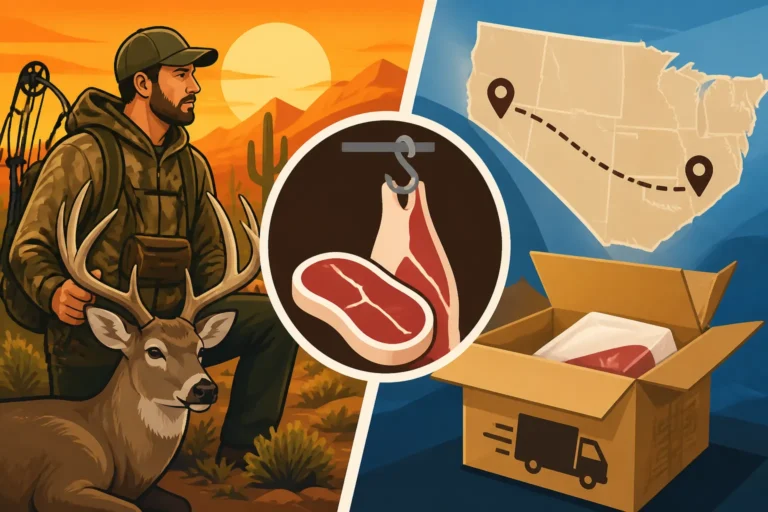
- Meat Processing & Taxidermy: After a successful hunt, you'll need to arrange for meat processing and potentially taxidermy. These are almost never included in the outfitter's fee and can be substantial, especially for an animal as large as an elk. Factor in the cost of a cooler to transport meat if you're driving, or specialized shipping services if flying.
Finding the Right Fit: Resources for Researching Outfitters and Managing Expectations
Investing in a guided Arizona elk hunt is a big decision, both financially and emotionally. You want to ensure you're putting your money and your dreams into the hands of a reputable and capable outfitter. Diligent research and clear communication are your best tools.
Vetting Outfitters and Asking the Right Questions
Don't just pick the first outfitter you find online. Take your time to thoroughly vet potential guides.
- Check References: A good outfitter will be happy to provide a list of past clients you can contact. When you call these references, ask specific questions about their experience, the guide's professionalism, the quality of the camp, and whether the hunt lived up to expectations.
- Review Contracts: Always read the contract carefully. Understand the cancellation policy, what happens if you fail to draw a tag (some outfitters have provisions for rolling over deposits), and what services are explicitly included and excluded.
- Ask Direct Questions: Prepare a list of questions to ask potential outfitters. These might include: What's your guide-to-hunter ratio? What's your typical success rate for elk in this unit? What are the physical demands of the hunt? What's the plan for meat care? Questions to Ask an Arizona Outfitter provides an excellent starting point for this crucial conversation. Remember, you're hiring them, so don't be shy about asking for details.
- License and Insurance: Confirm that the outfitter is properly licensed and insured to operate in Arizona. This protects both you and them.
Leveraging Online Platforms
The digital age offers fantastic resources for researching and booking guided hunts.
- Online Booking Platforms: Websites like BookYourHunt allow you to browse and compare numerous outfitters, often with client reviews, detailed itineraries, and transparent pricing. This can be a great starting point for seeing what's available and getting a feel for the market.
- Hunting Data and Analytics Sites: Resources like GoHunt provide invaluable data on draw odds, unit statistics, and general hunting information for Arizona. While they don't book hunts directly, they can help you understand which units are worth applying for and what kind of success rates various areas have, which in turn can inform your discussions with potential outfitters. They can also help you understand the nuances of the Arizona draw system, especially when considering How Arizona's Bonus Point Pass Awards the First Twenty Percent and how that impacts your chances of drawing a desirable tag.
- Forums and Social Media: While anecdotal, hunting forums and social media groups can sometimes offer insights and personal recommendations (or warnings) about outfitters. Just be sure to take these with a grain of salt and always verify information through official channels.
Managing Expectations and Budgeting Smartly
A guided hunt increases your odds of success, but it never guarantees a kill. Arizona elk are wild animals, and even the best guides can't control every variable. Manage your expectations realistically, focusing on the overall experience of hunting in beautiful Arizona rather than just punching a tag.
Budgeting is paramount. Create a detailed spreadsheet that accounts for every potential cost: outfitter fee, license, tag, application fees, travel, food (if not fully included), gear, tips, meat processing, taxidermy, and any contingencies. Be conservative in your estimates. Also, understand that many top-tier outfitters, especially for high-demand species like Arizona elk, book well in advance. Planning ahead, sometimes years out, is often necessary. This is especially true when considering How Far Ahead to Book an Arizona Elk Hunt or even thinking about Booking Before Arizona Draw Results Post for popular units. A well-planned budget and realistic expectations will ensure your guided Arizona elk hunt is a memorable adventure, regardless of the outcome.
Disclaimer
This article is for general informational purposes only and does not constitute professional advice. Laws, prices and regulations vary by location and change over time. Consult a qualified professional for guidance on your specific situation.