How Far Ahead to Book an Arizona Elk Hunt
It’s a tale as old as time for Arizona elk hunters: you spend years accumulating bonus points, dreaming of that coveted tag, and then the draw results hit. Pure elation! But then, a new wave of panic sets in: now what? How on earth do you secure a reputable outfitter for that once-in-a-lifetime hunt, especially when everyone else who drew is doing the exact same thing? This guide is going to walk you through the often-stressful, sometimes-confusing world of booking an Arizona elk hunt, helping you understand when and how far ahead you really need to plan.
The Arizona Elk Draw Reality and Its Impact on Booking Timelines
Let's be real: drawing an Arizona elk tag is like winning a small lottery. It’s hard, it takes patience, and it certainly doesn't happen for everyone, every year. This reality profoundly shapes when and how you should think about booking an outfitter.
Understanding the Odds and Application Cycles
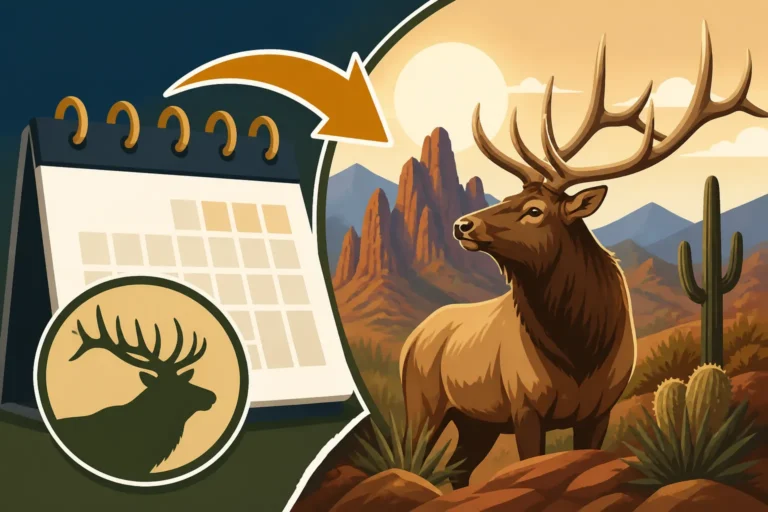
Arizona’s elk tags are some of the most sought-after in the West, and for good reason. The quality of bulls here is legendary, attracting hunters from all corners of the globe. The application period for elk typically closes in early February each year, and then begins the agonizing wait. You submit your application, cross your fingers, and spend months checking your portal until the draw results are finally released, usually by May. For many, this process repeats for years, sometimes even a decade or more, as they slowly build up bonus points. If you're new to the process, understanding The Arizona Elk and Antelope Application Deadline is your first step.
The number of points required to draw a prime tag can feel astronomical, especially in high-demand units. You might hear stories of hunters with 20+ points finally drawing a trophy bull tag, and that kind of talk can be daunting. The key takeaway here is that securing an Arizona elk tag isn't a guarantee, and it demands long-term strategy. Because of this, when you do finally draw, the clock starts ticking in a very real way. Suddenly, that abstract idea of an elk hunt becomes a concrete plan, and you need to move fast. Many hunters pore over data, often using services like GoHunt, to gauge their chances and understand where they stand in the application pool. They'll study How Arizona's Bonus Point Pass Awards the First Twenty Percent to figure out the best units to apply for.
Why Outfitters Prioritize Drawn Tags
Think about it from an outfitter’s perspective. They run a business, and their season is a limited window of opportunity. Every spot on their calendar needs to be filled by a paying client with a valid tag. A client who has already drawn their tag represents certainty. There's no "what if they don't draw?" hanging over the booking. This is why, generally speaking, outfitters much prefer to book clients who have a tag in hand.
When those draw results drop in May, an outfitter’s phone can start ringing off the hook. Hunters who have just drawn are suddenly scrambling to secure a guide for their hunt just a few months away. The best, most reputable outfitters often have their prime spots, and even their entire season, booked up incredibly quickly after the draw. If you wait too long after drawing, you might find that your first, second, or even third-choice outfitter has no availability. This demand can also affect pricing; while ethical outfitters won't usually gouge last-minute clients, the limited supply means less room for negotiation or special deals. It also means you might be pushed into less ideal dates or with a guide you haven't researched as thoroughly. This swift movement is precisely Why Arizona Outfitters Book Years Ahead on Elk, to capture those high-demand spots.
Booking Before You Draw: The Calculated Risk
Given the challenge of drawing an Arizona elk tag and the intense competition for outfitters once results are out, some savvy hunters take a different approach: they book an outfitter before they even know if they've drawn a tag. This is a calculated risk, but it can pay off handsomely if executed properly.
The "Point Creep" Strategy for Securing a Spot
This strategy is often employed by hunters who are consistently applying for high-point, trophy units. They know it will likely take them several more years to draw a tag in a unit like, say, Unit 9 and the Kaibab Plateau North of the Grand Canyon, but they're committed to the long game. Instead of waiting until they finally draw, they identify an outfitter they truly want to hunt with and book them years in advance, contingent on eventually drawing that tag.
The pros of this approach are significant. First, you get to choose your top-tier outfitter, often securing specific dates or even a specific guide on their team. This takes a huge amount of stress off the table once your tag finally comes through. You might also lock in a price from several years prior, potentially saving money if rates increase over time. It gives you ample time to get physically prepared for the demands of an Arizona elk hunt and to acquire any specialized gear you might need. However, the cons are equally important: what happens if you don't draw in the anticipated timeframe? This brings us to the crucial topic of deposits. When considering this strategy, it's wise to use resources like GoHunt to track point trends and make an educated guess about your draw timeline.
Deposit and Refund Policies for Pre-Draw Bookings
This is where the rubber meets the road. When you book an outfitter before you draw, you're almost certainly going to be putting down a deposit. The terms surrounding that deposit if you fail to draw are absolutely critical and must be understood crystal clear, in writing, before you send any money.
Imagine this scenario: you put down a substantial deposit two years out, confident you'll draw next season. But then, the draw results come out, and your number didn't hit. Now what? Outfitters have varying policies:
- Full Refund: Some outfitters might offer a full refund if you don't draw, but this is increasingly rare for high-demand hunts due to the spots they could have filled.
- Partial Refund: More common is a partial refund, where they keep a percentage as a non-refundable booking fee or for administrative costs.
- Roll-Over: Many will offer to roll your deposit over to the next year's application cycle, allowing you to maintain your place in line for a future hunt. This is often a good compromise for both parties.
- Non-Refundable: The toughest scenario is a non-refundable deposit. This means if you don't draw, you simply lose your money.
It cannot be stressed enough: get everything in a written contract. Ask directly about their policies for clients who don't draw. Don't be shy. This is your hard-earned money and your dream hunt on the line. Familiarize yourself with Reading the Cancellation and Refund Terms before you sign anything, and specifically ask Whether You Get a Refund If You Fail to Draw if the dice don't roll your way.
How to Research and Vet Outfitters for Long-Term Commitments
Booking an outfitter years in advance requires an even deeper dive into their reputation and reliability. You're entrusting them with a significant financial commitment and a long-term dream.
When vetting an outfitter for a pre-draw booking, here’s what to look for:
- Longevity and Experience: How long have they been in business? Do they have a consistent track record?
- References: Ask for recent client references, especially from hunters who booked far in advance or had to roll over their deposit. Call these references and ask specific questions.
- Communication: Are they responsive, transparent, and willing to put everything in writing? This is a huge indicator of professionalism.
- Contract Clarity: As mentioned, ensure their contract clearly outlines deposit terms for draw failure, hunt dates, what's included, and what's not (e.g., What Outfitter Prices Almost Never Include).
- Specialization: Do they specialize in the specific unit or type of hunt you're targeting, such as Arizona Elk on the Rim, White Mountains and Kaibab?
While online platforms like BookYourHunt can be a great starting point for finding potential outfitters and reading initial reviews, don't stop there. Think of them as a directory, but then move to direct communication, phone calls, and detailed email exchanges. This deep research is part of Vetting an Arizona Outfitter Before You Send a Deposit. Also, consider the pros and cons of Booking Agents Against Booking Direct as you research; sometimes an agent can help navigate these complex arrangements.
Booking After You Draw: The Fast-Paced Scramble
Congratulations! You drew that coveted Arizona elk tag. Now, take a deep breath, do a victory dance, and then get ready to move with purpose. The period immediately following the draw results is a whirlwind.
The Post-Draw Frenzy: What to Expect
Once Arizona Game and Fish Department releases draw results (usually in May), it's a mad dash. For many hunters, this is the first time they know for sure they're going on an elk hunt. The initial excitement quickly shifts to a sense of urgency. Good outfitters, especially those known for consistent success in popular units, often have their calendars fill up within days, sometimes even hours, of results being posted.
You might find that the outfitter you've been eyeing for years, whose success photos adorn their website, is suddenly completely booked. This can be a real punch to the gut after such a long wait. Availability becomes incredibly limited, and while prices might not skyrocket overnight, you'll have less leverage if you're trying to book a prime spot. You might also have to compromise on your ideal dates, or settle for a different guide within an outfitter's team than you originally hoped for. This is simply the reality of supply and demand in a highly competitive hunting market.
Steps to Take Immediately After Drawing a Tag
Don't dawdle! Your prompt action can make all the difference in securing a quality guided experience.
- Confirm Your Tag Details: Double-check your Arizona Game and Fish portal. Make sure you know your specific hunt number, unit, weapon type, and exact dates. This information is crucial for an outfitter.
- Contact Pre-Selected Outfitters: If you've been researching outfitters in anticipation of drawing (which you absolutely should be doing!), immediately start calling and emailing your top choices. Don't just send one email and wait; follow up with a phone call.
- Be Prepared to Commit: Have your deposit funds ready. Outfitters won't hold a spot indefinitely. Be ready to provide your credit card information or send a check/wire transfer quickly.
- Be Flexible: If your first-choice outfitter or dates aren't available, be open to alternatives. Maybe a different week, or a different guide on their roster, or even a different unit if they operate in multiple areas.
- Review Contracts Thoroughly: Even in the rush, do not skip reading the contract. Understand What a Guided Arizona Elk Hunt Includes and what your obligations are.
This immediate action is paramount. Think of it as the second part of the draw – you've won the tag, now you need to win the guide.
Finding Available Guides for Late Bookings
What if you drew your tag but missed the initial booking frenzy? All is not lost, but you do need to adjust your expectations and strategy.
- Expand Your Search: Look beyond the big-name outfitters. There are many excellent smaller, family-run operations or newer guides who might still have openings. These guides might be just as competent but haven't built up the same level of advance booking.
- Utilize Online Platforms: Websites like BookYourHunt can still be helpful for finding last-minute openings. You can often filter by species, location, and date to see who still has availability. These platforms connect hunters with outfitters globally, and sometimes cancellations create unexpected openings.
- Consider Semi-Guided or Drop Camp Hunts: If a fully guided hunt isn't available or is out of your budget, look into semi-guided options where the outfitter helps with scouting and logistics but you do the actual hunting, or even a What a Drop Camp Actually Includes where they pack you into a remote camp and leave you to hunt independently. These often have more flexibility and availability.
- Leverage Your Network: Ask other hunters, local sporting goods stores, or even online hunting forums for recommendations. Sometimes word of mouth can uncover hidden gems.
- Be Realistic: Understand that booking late might mean compromising on certain aspects. You might hunt a less pressured unit, or during a less popular time of the season, but you'll still be out there hunting Arizona elk!
It's a different game when booking last minute, but with persistence and an open mind, you can still secure a fantastic hunting experience.
The Ideal Booking Window: A Balancing Act
So, when is the best time to book an Arizona elk hunt? It's less about a single date and more about aligning your booking strategy with your draw strategy and expectations. It's truly a balancing act between securing your preferred outfitter and reacting to the draw results.
Two Years Out: For High-Demand Units and Top-Tier Outfitters
This is the window for the most dedicated, long-term planners. If you're accumulating points for a truly "dream" hunt in a premier unit, and you have a specific, highly-regarded outfitter in mind, booking two or more years out is often the way to go.
- Who it's for: Hunters committed to a particular trophy unit, with many bonus points, or those with deep pockets for a guaranteed experience.
- Why it works: You get first dibs on the best outfitters and prime dates. It allows for a more relaxed planning process, giving you ample time for physical conditioning, gear acquisition, and communicating your expectations with your guide. You can also lock in pricing before potential increases. This is a common approach for Booking a Hunt You Have Not Drawn Yet.
- The Catch: Requires a significant deposit upfront, and you must have a clear understanding of the outfitter's policy if you don't draw your tag (as discussed in the deposit and refund section). You're banking on your draw success.
Six Months to a Year Out: The Sweet Spot for Most
For the vast majority of Arizona elk hunters, the "sweet spot" for booking occurs right after the draw results are announced.
- Who it's for: This is ideal for hunters who just drew a tag and want to secure a quality outfitter for the upcoming fall season. It's also suitable for hunters with a decent number of points who were reasonably confident of drawing.
- Why it works: You have a tag in hand, giving you certainty. While the absolute top-tier, most sought-after spots might be gone, many excellent outfitters will still have openings if you act quickly. It provides enough time for final preparations, without the immense pressure of booking years in advance. You're typically looking at May (after the draw) through July for a September/October hunt.
- The Catch: You need to be ready to act immediately once results are out. Procrastination here can mean missing out on your preferred choices and settling for less.
Last Minute (Under Six Months): Be Prepared to Compromise
Sometimes life happens, or perhaps you drew a leftover tag, or just decided to chase an opportunity at the eleventh hour. Booking less than six months out is definitely possible, but it comes with the understanding that flexibility and compromise are your best friends.
- Who it's for: Hunters with unexpected tag success, those who prefer to keep options open, or those on a tighter budget who can be flexible with hunt dates and units.
- Why it works: You might stumble upon a cancellation, a new outfitter looking to fill their calendar, or a guide offering a spot in a less competitive unit. Sometimes, the best deals or unique experiences emerge from last-minute opportunities.
- The Catch: Your choices will be significantly limited. You might not get to hunt with the guide you want, in the unit you dreamed of, or during the peak rut. Expect to be more adaptive, and potentially consider options like a semi-guided hunt or a remote drop camp setup.
Here's a quick comparison to help visualize the different booking windows:
| Booking Window | Pros | Cons | Best For |
|---|---|---|---|
| 2+ Years Out | Secure top-tier outfitter, prime dates, potential price lock, long prep. | Large, potentially non-refundable deposit, risk of not drawing, long-term commitment. | High-point hunters targeting trophy units, specific guides, extensive planning. |
| 6-12 Months Out | Certainty (tag in hand), good selection of reputable outfitters (if quick). | High competition post-draw, need to act fast, preferred dates might fill quickly. | Most hunters who draw, seeking a quality guided experience without extreme lead time. |
| <6 Months Out | Flexibility, potential for last-minute deals/cancellations, immediate hunt. | Limited choices, might compromise on outfitter, unit, or dates; less time for physical prep. | Flexible hunters, those with leftover tags, or who thrive on spontaneity. |
Ultimately, the best time to book your Arizona elk hunt comes down to your personal hunting strategy, your tolerance for risk, and how important specific aspects of the hunt (like a particular outfitter or unit) are to you. Planning is paramount, whether that means a multi-year strategy or being ready to pounce the moment draw results are announced. Good luck, and may your Arizona elk hunt be everything you've dreamed of!
Disclaimer
This article is for general informational purposes only and does not constitute professional advice. Laws, prices and regulations vary by location and change over time. Consult a qualified professional for guidance on your specific situation.