Physical Conditioning for a Sky Island Hunt
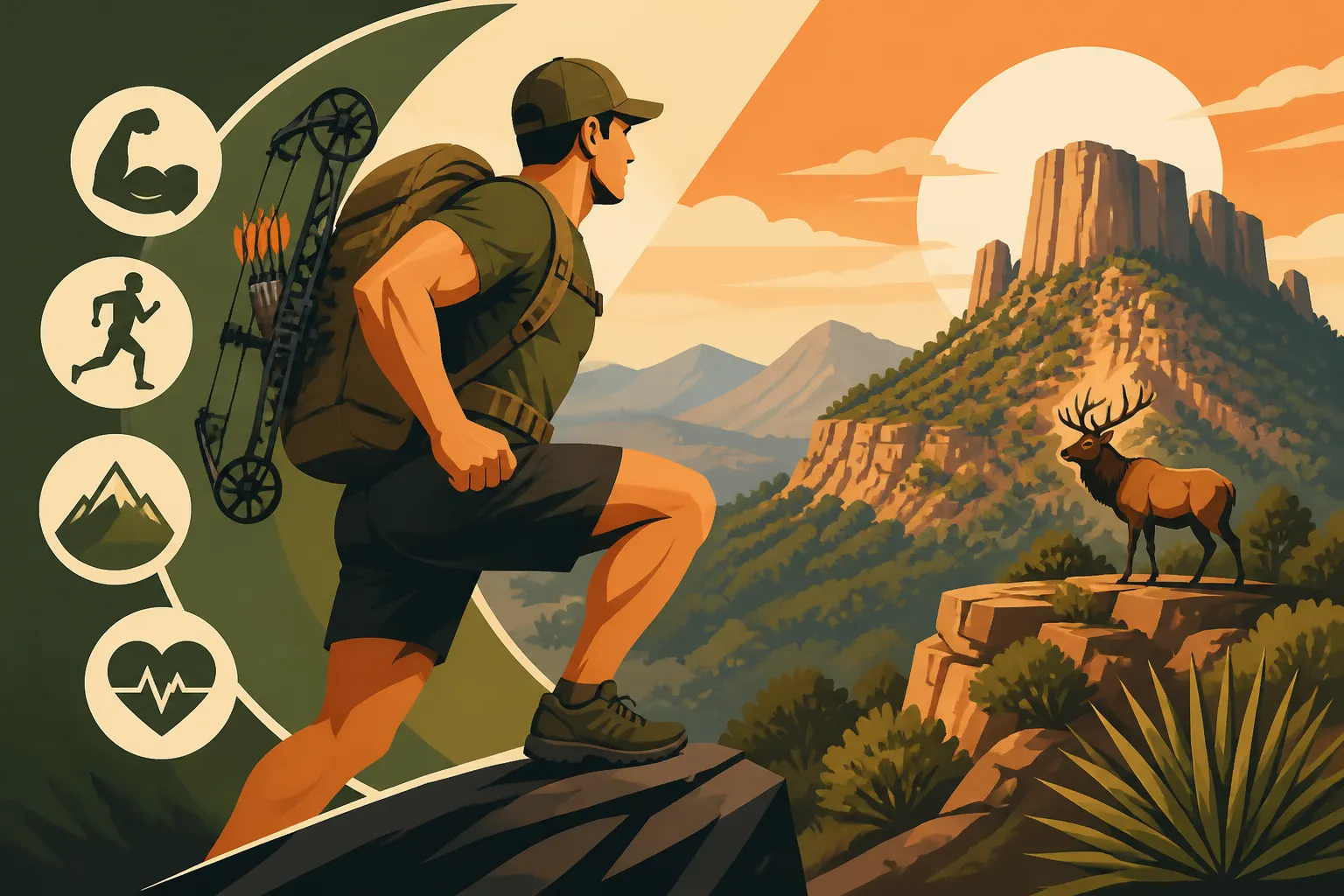
Stepping into the rugged beauty of Arizona's Sky Islands for a hunt is an experience unlike any other, but many hunters underestimate the sheer physical toll these majestic, isolated mountain ranges demand. It’s easy to get lost in the romance of chasing a Coues Deer in the Southeastern Sky Islands and forget that the "sky" in Sky Island isn't just a poetic descriptor – it means serious elevation gain, rocky ascents, and relentless descents. This guide is dedicated to helping you physically prepare your body and mind for the unique challenges of a Sky Island hunt, ensuring you're ready to tackle whatever the mountain throws at you.
Understanding the Unique Demands of Sky Island Hunting
When you picture a hunt in Arizona, you might think of vast, flat desert, but the Sky Islands are a completely different beast. These mountain ranges, isolated by oceans of desert, create ecological "islands" that are brutal on the unprepared body. You’re not just walking; you’re climbing, scrambling, and descending over incredibly unforgiving terrain.
The Altitude Challenge
Many of Arizona's Sky Islands, like the Huachuca or Santa Rita Mountains, can push hunters to elevations well over 7,000 or even 9,000 feet. If you’re coming from sea level or a lower elevation, this thin air can hit you like a ton of bricks. We’re talking about reduced oxygen, which means your muscles will fatigue faster, your recovery between strenuous efforts will slow significantly, and even simple tasks can feel like monumental feats. Headaches, dizziness, and a general lack of energy are common symptoms of altitude sickness, and you don’t want those impacting your hunt when you're trying to make a critical stalk or pack out an animal.
It’s not just about feeling a bit winded; it affects your decision-making, your ability to focus, and your overall safety. Preparing for this means more than just a few extra cardio sessions; it involves consciously trying to acclimate if possible or, at the very least, training your body to perform under stress with less oxygen through rigorous interval training that mimics the bursts of exertion followed by short recovery periods you’ll encounter on a hunt. Consider spending a few days at elevation before your hunt if your schedule allows, even if it's just car camping high up in the mountains near your unit.
Navigating Steep, Rocky Terrain
Forget flat, easy trails. Sky Island terrain is characterized by steep, often boulder-strewn slopes, loose scree fields, and thick, thorny vegetation. Every step is a calculation, a test of your balance, and a demand on your stabilizing muscles. This isn't just about walking; it's about lateral movements, high steps over downed logs, quick pivots to avoid slipping on loose rock, and bracing yourself during long, knee-jarring descents. Your ankles, knees, hips, and core will bear the brunt of this constant negotiation with the ground.
A single misstep can lead to a sprained ankle, a tweaked knee, or worse, ending your hunt prematurely and creating a difficult, potentially dangerous, situation for you and your hunting partners. The relentless unevenness requires a strong foundation in your lower body and a highly developed sense of proprioception—your body's awareness of its position in space. Without it, the risk of injury skyrockets. You'll need to develop the kind of agility that allows you to confidently move through brush and over rocks, especially when you're trying to Play Thermals on a Canyon Stalk or close the distance on a bedded animal.
Dealing with Extreme Temperature Swings
The desert climate of Arizona often fools people into thinking it’s always hot. While early season hunts in August or September can indeed be scorching, especially at lower elevations or during the day, the Sky Islands introduce a different dynamic. At higher elevations, temperatures can drop dramatically from day to night, sometimes swinging 30-40 degrees or more within a single 24-hour period. You might start your morning hike in chilly, perhaps even freezing, conditions and by midday be sweating profusely under a relentless sun.
This constant fluctuation stresses your body as it works to regulate its core temperature. You're burning calories not just from physical exertion, but also from shivering to stay warm or sweating to cool down. Proper layering is key, of course, but your body needs to be efficient at thermoregulation to conserve energy. Dehydration can happen rapidly in these conditions, impacting performance and safety. Think about how much harder your body has to work when you're chasing that elusive Coues buck across these diverse temperature zones, always needing to be ready for the next shift. This is where Heat Management on an Arizona Early Season Hunt becomes a critical skill, not just a gear choice.
Building a Comprehensive Fitness Plan
Preparing for a Sky Island hunt isn't about getting "gym strong" or simply walking a few miles. It's about developing functional strength, endurance, and resilience that directly translates to the demands of the backcountry. Your fitness plan needs to mimic the specific movements and stresses you'll encounter.
Cardiovascular Endurance for Sustained Effort
The hallmark of a Sky Island hunt is sustained, uphill effort, often followed by long, controlled descents, all while carrying a pack. You need a cardiovascular system that can handle these demands without crashing. Think beyond just jogging on flat pavement; your training needs to reflect the vertical challenge. Stair climbing, hiking steep trails, or using an incline treadmill are excellent ways to build lung capacity and leg endurance specific to mountain hunting. Interval training, alternating between high-intensity bursts and active recovery, can simulate the real-world scenario of scrambling up a ridge followed by a slower traverse.
Aim for workouts that last at least an hour, pushing yourself to mimic the pace you'd maintain on a long day of hunting. Consistency is far more important than intensity in the beginning; gradually increase the duration and difficulty. Consider adding a weighted vest or a light pack to your cardio sessions as you progress. Your heart and lungs need to be conditioned to work efficiently when oxygen is scarcer, especially if you're planning to hunt higher elevation units. Many successful hunters utilize resources like GoHunt to research unit topography, helping them visualize the specific inclines they'll face and tailor their cardio workouts accordingly.
Strength Training for Pack Weight and Stability
Your pack, even for a day hunt, will carry water, optics, first aid, and emergency gear. If you tag out, that pack weight can easily double or triple with meat. Therefore, strength training is non-negotiable. Focus on compound movements that work multiple muscle groups simultaneously, mimicking real-world functional strength. Squats, deadlifts, lunges (forward, reverse, and lateral), and step-ups are incredibly important for building powerful legs, glutes, and core strength, all essential for Packing an Elk Out of Rim Country Alone or just getting your deer off a steep hillside.
Don't neglect your core and back. A strong core provides stability on uneven terrain and protects your spine when carrying weight. Planks, Russian twists, and hyperextensions will strengthen these critical areas. Your shoulders and traps will thank you for direct work as well, as they’ll be bearing the load of your pack for hours on end. Integrate exercises that challenge your balance, like single-leg deadlifts or step-ups onto an unstable surface, to further enhance stability.
Flexibility and Balance to Prevent Injury
Moving through rocky, brushy terrain requires a surprising amount of flexibility and balance. You'll be stretching to step over obstacles, twisting to navigate around thorny bushes, and contorting your body to maintain a low profile during a stalk. Poor flexibility can lead to strained muscles, limited range of motion, and increased risk of injury, especially when your muscles are fatigued. Incorporate dynamic stretches before your workouts and static stretches afterward. Yoga or Pilates can be incredibly beneficial, focusing on core strength, balance, and increasing overall flexibility.
Balance training isn't just for gymnasts; it's crucial for hunters. Standing on one leg, walking heel-to-toe, or using a balance board can significantly improve your proprioception and ankle stability. This is particularly vital on those steep, gravelly slopes where a rolled ankle could end your hunt in an instant. Imagine being halfway up a Sky Island peak, trying to Read Wind on a Sky Island Stalk, and your ankle gives out. Investing time in balance and flexibility is an investment in your hunt's longevity and safety.
Practical Training Strategies and Gear Considerations
Turning a fitness plan into a successful hunt requires practical application and smart gear choices. It's about integrating your training into real-world scenarios and ensuring your equipment supports your efforts, rather than hindering them.
Hiking with a Loaded Pack
This is perhaps the single most important training component. You can lift all the weights you want, but if you don't hike with a loaded pack, you won't be ready for the hunt. Start with a moderate weight, say 15-20 pounds, and gradually increase it over weeks, aiming to carry 30-40 pounds for longer durations as your hunt approaches. If you’re truly preparing for a meat pack-out, you might even want to practice with weights approaching 60-80 pounds for shorter, more intense sessions.
Find the steepest hills or trails near you and simulate hunting conditions. This means not just walking, but going off-trail, stepping over imaginary obstacles, and practicing short, fast ascents. If you’re considering a guided hunt, especially for physically demanding species, reputable outfitters often recommend specific training regimens. You might even find opportunities on platforms like BookYourHunt for guided pre-hunt conditioning trips or courses that simulate the actual demands of a Sky Island hunt, helping you get accustomed to the terrain and pack weight under expert guidance.
Nutrition and Hydration During Training and Hunt
Fueling your body correctly is as vital as the training itself. During your training phase, focus on a balanced diet rich in lean proteins for muscle repair, complex carbohydrates for sustained energy, and healthy fats. Avoid processed foods and excessive sugars that lead to energy crashes. Hydration is key even off the mountain; ensure you're drinking plenty of water daily. Electrolyte supplements can be beneficial during intense training sessions, especially in warm climates.
On the hunt, planning your nutrition is paramount. Carry high-calorie, nutrient-dense foods that are easy to eat on the go and require no cooking. Think trail mix, jerky, energy bars, and dried fruit. Water is your most precious commodity in the desert. Always carry more than you think you need, and plan your routes around known Water Sources That Concentrate Arizona Desert Game if possible. Water filters or purification tablets are essential backups. Dehydration will sap your strength, clarity, and drive faster than anything else.
Footwear and Clothing for Optimal Performance
Your feet are your foundation, and poor footwear can ruin a hunt. Invest in high-quality, broken-in hiking boots that provide excellent ankle support and traction on rocky, uneven surfaces. Don’t wait until the week before your hunt to buy new boots; break them in thoroughly during your training hikes. Blisters are a relentless enemy, so experiment with different sock systems—wool blends are often best for moisture wicking and blister prevention.
Clothing needs to be versatile and adaptable to the drastic temperature swings. A layering system using merino wool or synthetic base layers, insulating mid-layers, and a durable, wind-resistant outer shell is ideal. This allows you to shed or add layers as conditions change, helping your body maintain a stable core temperature. Remember, cotton is rotten in the backcountry – it holds moisture, cools you down when wet, and takes forever to dry. For a deeper dive into optimal gear, you might also look into articles like Choosing Boots for Rocky Desert Ground or Layering for Rim Country Temperature Swings, which provide specific advice relevant to Arizona's varied hunting environments.
Mental Toughness and Pre-Hunt Preparation
Physical conditioning gets you to the mountain, but mental toughness keeps you there when things get tough. The Sky Islands will test your resolve, often making you question your decision-making and pushing you past perceived limits.
Developing Resilience for Tough Conditions
Sky Island hunting is a grind. You’ll experience early mornings, late nights, long hours of glassing without seeing anything, painful climbs, and frustrating setbacks. Developing mental resilience means pushing through discomfort during your training, embracing the suck, and finding ways to motivate yourself when your body wants to quit. Practice positive self-talk and visualization during your toughest workouts; imagine yourself on the mountain, successfully overcoming challenges. The ability to stay focused and positive when you’re tired, sore, and cold is often what separates successful hunters from those who punch out early.
Think about the patience required for Why Coues Deer Reward Patience Over Movement—that patience needs to extend to your own physical and mental struggles. Learn to embrace the effort, the physical challenge, and the journey itself. A strong mind can often push a tired body further than you might think. This isn't just about enduring pain; it's about maintaining a clear head to make smart decisions when fatigue sets in, whether that's deciding when to rest, how to approach a stalk, or knowing when to turn back if conditions become unsafe.
Scouting and Familiarization as Physical Prep
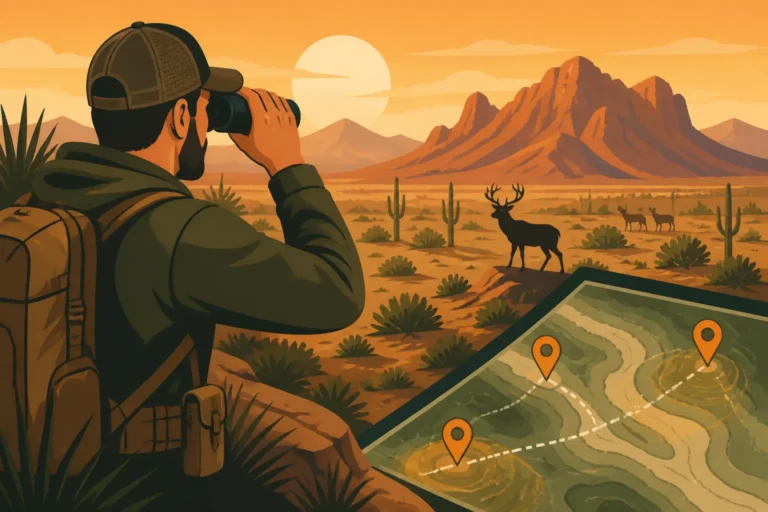
Pre-hunt scouting, whether done physically on the ground or digitally from home, is an invaluable part of your overall preparation. E-scouting using satellite imagery and topographic maps can familiarize you with the terrain, identify potential travel corridors, locate water sources, and pinpoint glassing knobs. This foreknowledge allows you to plan more efficient routes, saving precious energy during the actual hunt. Resources like GoHunt can provide detailed maps and data to help you e-scout effectively.
If possible, make a physical scouting trip to your unit before the season. Hike those hills, feel the terrain, and note potential challenges. This not only helps you identify prime hunting areas but also serves as a critical conditioning exercise. A scouting trip forces you to confront the real-world demands of the terrain, helping you adjust your training as needed. Plus, there’s nothing quite like standing on a Best Time of Day to Glass a Sky Island ridge for the first time to truly understand the scale of your challenge and solidify your motivation. When you understand the ground you'll be covering, you can better prepare your body for the specific demands of those particular mountains, making your training more effective and your hunt more successful.
| Training Component | Key Benefits for Sky Island Hunt | Recommended Activities |
|---|---|---|
| Cardiovascular | Improved stamina, faster recovery, endurance at altitude | Stair climber, incline treadmill, trail running, steep hikes |
| Strength Training | Carrying heavy packs, navigating steep terrain, injury prevention | Squats, deadlifts, lunges, step-ups, core work, farmers walks |
| Balance & Stability | Preventing falls, agile movement on uneven ground, ankle strength | Single-leg exercises, balance board, yoga, walking on uneven ground |
| Flexibility | Increased range of motion, muscle health, reduced strain | Dynamic stretching (pre-workout), static stretching (post-workout), yoga |
| Loaded Pack Hiking | Direct simulation of hunt demands, mental fortitude, gear testing | Long hikes with gradually increasing pack weight on varied terrain |
Disclaimer
This article is for general informational purposes only and does not constitute professional advice. Laws, prices and regulations vary by location and change over time. Consult a qualified professional for guidance on your specific situation.