Special Big Game License Tags and Who Guides Them
It's incredibly frustrating when you hear about these "special" hunting tags in Arizona, the ones that seem to unlock mythical beasts and limitless seasons, but the actual details feel shrouded in secrecy. You're left wondering how anyone even gets one, let alone finds a guide who knows how to make the most of such a unique opportunity. This guide is here to pull back the curtain on Arizona's Special Big Game License Tags, explaining what they are, how they're acquired, and how outfitters become absolutely essential partners in pursuing these coveted permits.
Understanding Arizona's Special Big Game License Tags
Arizona's Special Big Game License Tags aren't your everyday hunting permits. These aren't the tags you apply for in the general draw, hoping your bonus points finally hit. Instead, these are extraordinary opportunities designed to benefit wildlife conservation directly, offering hunters a chance at unparalleled access and flexibility in exchange for a significant contribution. They represent a unique partnership between wildlife management and the hunting community, where the pursuit of a dream animal directly funds the health of the very herds being hunted.
The Foundation of Conservation Through Hunting
At its heart, the concept behind Special Big Game License Tags is conservation. The funds generated from these tags — often substantial sums — are channeled directly back into Arizona's wildlife management programs. This can include habitat improvement projects, scientific research, wildlife reintroduction efforts, and law enforcement. Hunters who pursue these tags aren't just buying a permit; they're investing in the future of Arizona's diverse and iconic big game species. It's a powerful model that showcases how hunting can be a direct driver of conservation success, something that often gets overlooked in broader discussions about wildlife. Without these tags, many critical projects might struggle for funding, impacting populations for years to come.
These tags typically allow for extended seasons, often months long, and sometimes even cover multiple game management units or even statewide access for the chosen species. This is a stark contrast to the rigidly defined, unit-specific seasons of the general draw. Imagine having the flexibility to scout year-round, wait for optimal weather conditions, or target a specific animal across a vast landscape without the pressure of a compressed general season. That's the kind of flexibility these tags can offer, transforming a hunt from a few frantic days into a strategic, measured pursuit.
The Elite Species Involved
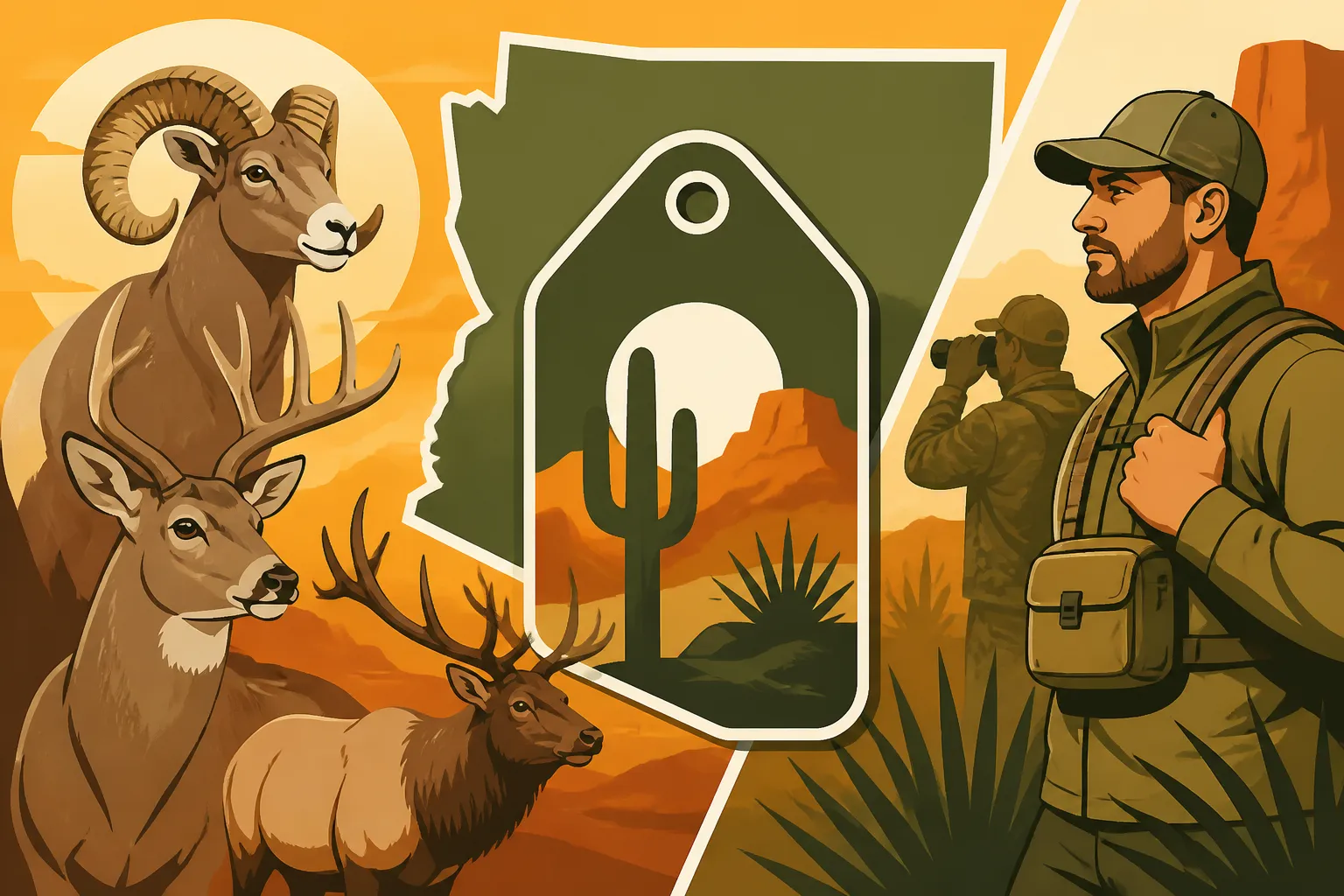
While the dream of an Arizona elk or a massive mule deer drives many hunters, Special Big Game License Tags primarily focus on what are considered the state's most iconic and sought-after trophy species. We're talking about the truly magnificent animals that draw hunters from around the globe. These include world-class Rocky Mountain Elk and Desert Bighorn Sheep, which are known for their impressive size and the challenging terrain they inhabit. Additionally, there are often tags available for Arizona's unique bison herds, particularly those found in the northern parts of the state.
Occasionally, you might see Special Tags for Mule Deer, especially those from the famed Arizona Strip Mule Deer Reputation or the Kaibab Plateau, known for producing massive bucks. While less common, the rare opportunity to pursue a truly exceptional Coues deer might also arise. The common thread among these species is their trophy potential and the extraordinary experience they offer. These aren't just hunts; they're often multi-week expeditions, sometimes spanning months, requiring immense dedication and strategic planning, all facilitated by the unparalleled flexibility of the special tag. It’s an opportunity that resonates deeply with hunters who dream of a once-in-a-lifetime encounter.
Acquiring These Coveted Tags
Getting your hands on an Arizona Special Big Game License Tag isn't like logging onto the Game and Fish website for the general draw. There’s no bonus point system here, and a regular application won't cut it. These tags are acquired through two primary mechanisms: public auctions and raffles, both of which serve the dual purpose of generating significant revenue for conservation and offering unique hunting opportunities. Understanding these pathways is crucial for any hunter aspiring to hold one of these coveted permits.
The Auction Block: High Stakes, High Rewards
The most prominent method for acquiring Special Big Game License Tags is through public auctions. Conservation organizations, in partnership with Arizona Game and Fish, auction off these tags at various events throughout the year. These events can range from national hunting conventions to smaller, regional banquets. The tags typically go to the highest bidder, meaning the price can, and often does, climb into the tens or even hundreds of thousands of dollars. It's a significant financial commitment, but for those with the means, it represents an unparalleled hunting opportunity.
The auction process itself is a testament to the dedication of the hunting community to conservation. How Arizona Auctions Conservation Tags is a fascinating process to observe. Often, the individuals or syndicates bidding on these tags are not only passionate hunters but also significant philanthropists, eager to contribute to wildlife management. The sheer volume of money raised at these auctions directly impacts the scope and success of Arizona's conservation projects, from restoring vital water sources in the desert to improving forage in elk country. It's not just about buying a tag; it's about making a profound financial statement in support of the wild landscapes and animals we cherish.
Raffles: A More Accessible Dream
While auctions cater to a very specific, high-net-worth demographic, raffles offer a more accessible entry point for the average hunter to pursue a Special Big Game License Tag. Many conservation organizations also run raffles for one or more of these coveted tags. For a comparatively modest ticket price, hunters can enter a drawing for a chance to win a tag that would otherwise be out of reach. This democratizes the opportunity somewhat, allowing anyone with a few dollars and a bit of luck to participate in these extraordinary hunts.
The beauty of the raffle system is that it allows a broad base of hunters to contribute to conservation, even if their individual contribution is smaller. Each ticket purchased adds to the overall fund, supporting the same vital wildlife projects as the high-dollar auction tags. Organizations often run raffles for the same species as the auctioned tags – think prime elk, bighorn, or bison – giving winners the same incredible hunting flexibility and opportunities. It’s important to research which organizations run these raffles and when, as the entry periods can be limited. The Arizona Elk and Antelope Application Deadline or The Arizona Deer, Sheep and Bison Deadline may apply to the general draw, but special tag raffle deadlines are set by the individual organizations. Websites like GoHunt often track these opportunities, making it easier for hunters to find and enter raffles they're interested in.
The Unparalleled Advantages of Special Tags
Many hunters dream of drawing a premium tag in Arizona, but a Special Big Game License Tag offers advantages that go beyond even the best general draw permits. These tags aren't just about a higher chance of success; they're about an entirely different hunting experience, one characterized by unparalleled flexibility and opportunity. The value proposition of these tags is multifaceted, appealing to those seeking a truly unique and impactful hunt.
Extended Seasons and Flexible Dates
One of the most significant benefits of a Special Big Game License Tag is the vastly extended hunting season it grants. Unlike regular draw tags which typically restrict you to a few specific days or weeks within a defined unit, a special tag often allows you to hunt for several months, sometimes even the entire season for that species. Imagine having the flexibility to scout during the summer, target animals through the early fall, and even pursue them into the late season if needed. This long window eliminates the intense pressure of a short season, where adverse weather or an unexpected family event could completely derail your hunt.
This flexibility also extends to the exact dates you choose to hunt. Rather than being locked into a specific week, you can plan your hunt around ideal conditions, animal behavior, or your personal schedule. This might mean waiting for the rut to peak for a bull elk, timing your desert bighorn hunt around a cooler weather window, or allowing more time for a specific trophy animal to appear. This ability to adapt and respond to conditions on the ground is invaluable and provides a significant advantage in the pursuit of a truly world-class animal.
Unit Flexibility and Statewide Scope
Another game-changing aspect of many Special Big Game License Tags is the broad geographic scope they can cover. While general draw tags are strictly unit-specific, a special tag often grants the holder the ability to hunt across multiple units, or in some cases, even statewide for that species. This is an enormous advantage, as it removes the constraint of a single unit's boundaries and opens up vast tracts of potential habitat. If the animals aren't showing up in one area, or if a specific trophy animal moves, you're not locked into a single location.
This kind of flexibility allows for adaptive hunting strategies. A hunter with a special elk tag might start in one unit known for early season activity, then shift to another unit as the rut progresses, or follow an exceptional animal as it moves between different areas. This is especially beneficial in a diverse state like Arizona, where various units offer different terrain, elevations, and animal behaviors. Having the entire state (or a large portion of it) at your disposal truly transforms the hunt, allowing for more strategic planning and a higher likelihood of encountering the animal you're looking for. It's the ultimate freedom for a hunter, a true privilege that general tags simply cannot match.
The Indispensable Role of Outfitters on Special Tag Hunts
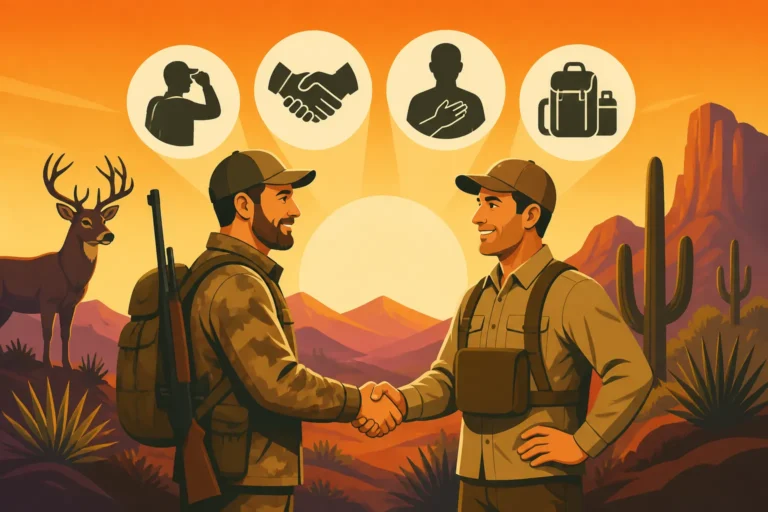
Securing an Arizona Special Big Game License Tag, whether through auction or raffle, is just the first step. The real work, and the real magic, often begins when you partner with a seasoned outfitter. While you can attempt to DIY these hunts, for a tag that represents such a significant investment – both financial and in terms of conservation impact – the expertise of a professional outfitter becomes not just a luxury, but often an absolute necessity.
Unlocking Local Knowledge and Experience
Arizona's landscapes are vast and varied, from towering Sky Islands to arid deserts and dense ponderosa forests. Each region, and often each specific game management unit, presents its own unique challenges and opportunities. This is where an outfitter's deep local knowledge becomes invaluable. These guides spend countless hours, often year-round, scouting, tracking animal movements, and understanding habitat. They know the subtle nuances of where trophy animals will be at different times of the year, how they react to pressure, and the best ways to approach them in specific terrain.
For a hunter who might not have spent decades in a particular unit, this accumulated wisdom is a game-changer. An outfitter can identify prime bedding areas, crucial water sources like those detailed in Finding Water in Arizona's Dry Country, migration corridors, and escape routes. They understand the patterns of Elk Country Along the Mogollon Rim or the specific challenges of glassing for Coues Deer in the Southeastern Sky Islands. This intimate understanding of the hunting grounds and the target species means they can put you in the best position for success, maximizing the incredible opportunity that a special tag provides. They don't just guide; they share a lifetime of accumulated wisdom.
Orchestrating Logistics and Maximizing Time
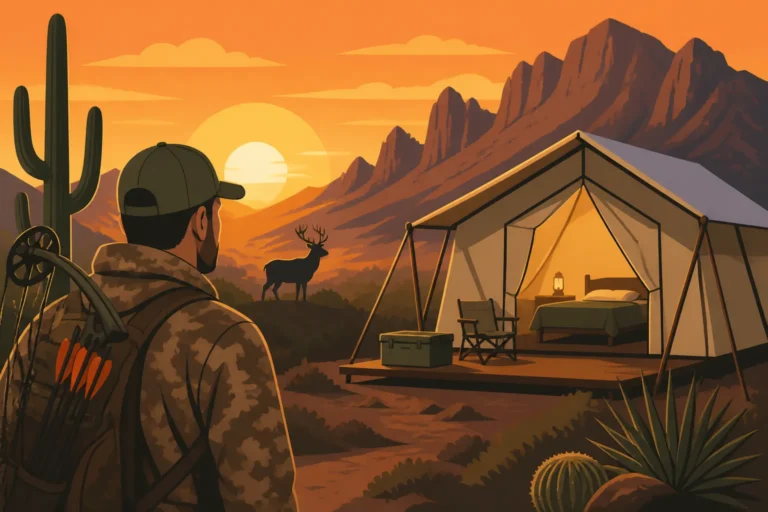
Beyond just knowing where the animals are, outfitters handle the immense logistical complexities that often accompany these high-stakes hunts. Special tag hunts, given their extended season lengths and often remote locations, require significant planning and resources. This includes everything from setting up comfortable spike camps or base camps, ensuring proper food and water supplies, managing transportation in rugged terrain, and providing all the necessary gear for a multi-day or multi-week expedition.
Imagine coordinating all of this yourself while simultaneously trying to locate and pursue a trophy animal across hundreds of square miles. It’s an overwhelming task that can quickly detract from the actual hunt. An outfitter allows you to focus solely on hunting. They manage the camp, cook the meals, transport you to prime areas, and handle the recovery and packing out of game, which can be an epic undertaking for a large animal like an elk or bison, especially in rough country. This efficiency is critical, as every moment on a special tag hunt is precious. They ensure that your time in the field is spent hunting, not worrying about the details of survival or logistics, making the investment in your tag truly worthwhile. For those asking When an Arizona Hunt Really Needs a Guide, a special tag hunt is almost always the answer.
Vetting an Outfitter for a Special Big Game License Tag Hunt
You’ve invested a significant amount in your Special Big Game License Tag, so choosing the right outfitter is paramount. This isn't a decision to be taken lightly; it requires thorough research and a clear understanding of what you need versus what a guide can realistically deliver. The wrong outfitter can turn a dream hunt into a frustrating, costly experience.
Crucial Questions to Ask Potential Guides
Before you commit to an outfitter, compile a comprehensive list of questions. Don't be shy; this is your hunt, and you need confidence in your partner. Start by asking about their specific experience with Special Big Game License Tags for your species. Have they guided successful hunts for this particular type of tag before? What was the outcome? How many clients have they taken on these extended, flexible hunts? Ask for specific references from past special tag clients – not just any client, but those who had a similar tag. Questions to Ask an Arizona Outfitter should cover more than just general hunts.
Inquire about their approach to scouting and pre-hunt preparation. Since these tags offer extended seasons, understanding how an outfitter will utilize that time is critical. Will they be scouting continuously? Do they have trail camera networks? How do they adapt their strategy if weather or animal patterns change? Discuss the logistics: what type of camp will be used (e.g., wall tents, spike camps, cabins), what meals are provided, and what equipment you are expected to bring versus what they supply. Clarify the guide-to-hunter ratio and whether you'll have a dedicated guide for the entire duration of your hunt or if guides rotate. A detailed conversation now can prevent misunderstandings later.
Diligence and Research: Beyond the Brochure
Don't just take an outfitter's word for it; conduct your own due diligence. Start by checking their licensing and permits. In Arizona, outfitters are licensed, and they also need special use permits to operate on public lands, especially in national forests or BLM areas. Ensure their permits are current and cover the areas you intend to hunt. Look for reviews and testimonials, but scrutinize them carefully. Websites like BookYourHunt or GoHunt can offer platforms for finding reputable outfitters, but always cross-reference information and seek out independent reviews.
Consider their track record. While no outfitter can guarantee a kill, a reputable one will have a transparent and verifiable history of putting clients on game and providing an excellent experience. Be wary of any outfitter who makes unrealistic promises or pressure you into making a quick decision. Red Flags When Booking an Arizona Hunt often include a lack of transparency, vague contract terms, or an inability to provide solid references. It's also wise to check if they have any complaints filed against them with the Arizona Game and Fish Department or relevant professional organizations. Remember, this is a significant investment; treat it with the same level of scrutiny you would any major financial decision.
Contracts, Costs, and Expectations
A clear, written contract is non-negotiable for a Special Big Game License Tag hunt. This document should detail every aspect of the agreement, from the daily rate or total package price to what's included (guides, food, lodging, transportation, field care of game) and what's not (trophy fees, taxidermy, meat processing, licenses, tags, gratuities). Pay close attention to the payment schedule, deposit requirements, and, most importantly, the cancellation and refund policy. Given the nature of these tags, specific clauses might address what happens if you don't draw the tag (if it's a raffle tag you're booking around) or if the hunt needs to be postponed due to unforeseen circumstances.
| Aspect of Hunt | Typical General Draw Hunt (Public Land) | Special Big Game License Tag Hunt (Outfitted) |
|---|---|---|
| Tag Acquisition | Lottery draw, bonus points | Auction (high bid) or Raffle (lottery ticket) |
| Season Length | Days to a few weeks, specific dates | Months, flexible dates, often entire season |
| Geographic Scope | Single Game Management Unit | Multiple units or statewide for the species |
| Cost of Tag | Affordable (license + tag fee) | Substantial ($$$$), direct conservation contribution |
| Outfitter Role | Optional, can be DIY | Highly recommended, often indispensable |
| Logistical Complexity | Manageable for experienced DIY | High, outfitters handle vast majority |
| Trophy Potential | Good, depends on unit & luck | Excellent, maximized by flexibility & guide |
| Conservation Impact | Indirect (license fees) | Direct & significant (tag purchase funds) |
Discuss expectations upfront. Are you looking for a specific size of animal, or is the experience itself more important? Ensure your outfitter understands your goals and that they align with what's realistic for the unit and species. Transparent communication about potential challenges, success rates for similar hunts, and what a "successful" hunt looks like for both parties will ensure a smoother experience. Remember, What a Guided Arizona Elk Hunt Costs for a general tag will be vastly different from the investment for a special tag hunt, so budget accordingly and understand every line item in the contract.
Special Tags Versus General Draw: A Fundamental Difference
When comparing a Special Big Game License Tag to a tag acquired through Arizona's general draw, it's like comparing a custom-built, high-performance race car to a reliable family sedan. Both get you to your destination, but the journey, the cost, and the capabilities are in entirely different leagues. The distinctions are profound and shape every aspect of the hunting experience.
Access, Opportunity, and Flexibility
The core difference lies in access, opportunity, and flexibility. A general draw tag provides access to a specific unit for a specific, often very limited, season. You might draw a tag for Arizona Elk on the Mogollon Rim for a seven-day rifle hunt in mid-October. That's your window, and you have to make the most of it, rain or shine, rut or no rut. You're confined to that unit, and if conditions are poor, or if the animals simply aren't there during your week, you're out of luck until next year's draw.
Special Big Game License Tags blow these constraints wide open. As discussed, they often grant months of hunting time and can cover multiple units or even an entire region or state for that species. This means you can hunt during the prime rut for elk, wait for perfect weather to stalk a bighorn, or adjust your location if an area isn't producing. This level of flexibility is unparalleled and fundamentally changes the dynamics of the hunt. It shifts the odds significantly in the hunter's favor, allowing for strategic planning and execution that simply isn't possible with a standard draw tag. It's why hunters are willing to invest so heavily in them.
Investment, Impact, and Legacy
The financial investment is, perhaps, the most obvious point of divergence. A general draw tag, even for a nonresident, involves a license fee and a tag fee – for instance, A Nonresident Arizona Elk Tag Runs $665 Plus License. While certainly not insignificant, these costs are within reach for many hunters. The revenue from these tags goes into the general wildlife fund.
Special Big Game License Tags, conversely, demand a colossal financial commitment. Auction tags regularly fetch tens of thousands, and sometimes hundreds of thousands, of dollars. Even raffle tickets, while more affordable, add up. However, the investment here isn't just for a tag; it's a direct, substantial contribution to conservation. Conservation Tag Hunts in Arizona are designed specifically to generate these large sums of money for critical wildlife projects. The hunter purchasing this tag isn't just participating in a hunt; they are directly funding the very future of the species and habitats they cherish. For many, these tags represent a legacy, a chance to not only pursue a trophy of a lifetime but also to leave a lasting positive impact on Arizona's wild places. It's an investment in a memory, a challenge, and a conservation success story.
Disclaimer
This article is for general informational purposes only and does not constitute professional advice. Laws, prices and regulations vary by location and change over time. Consult a qualified professional for guidance on your specific situation.