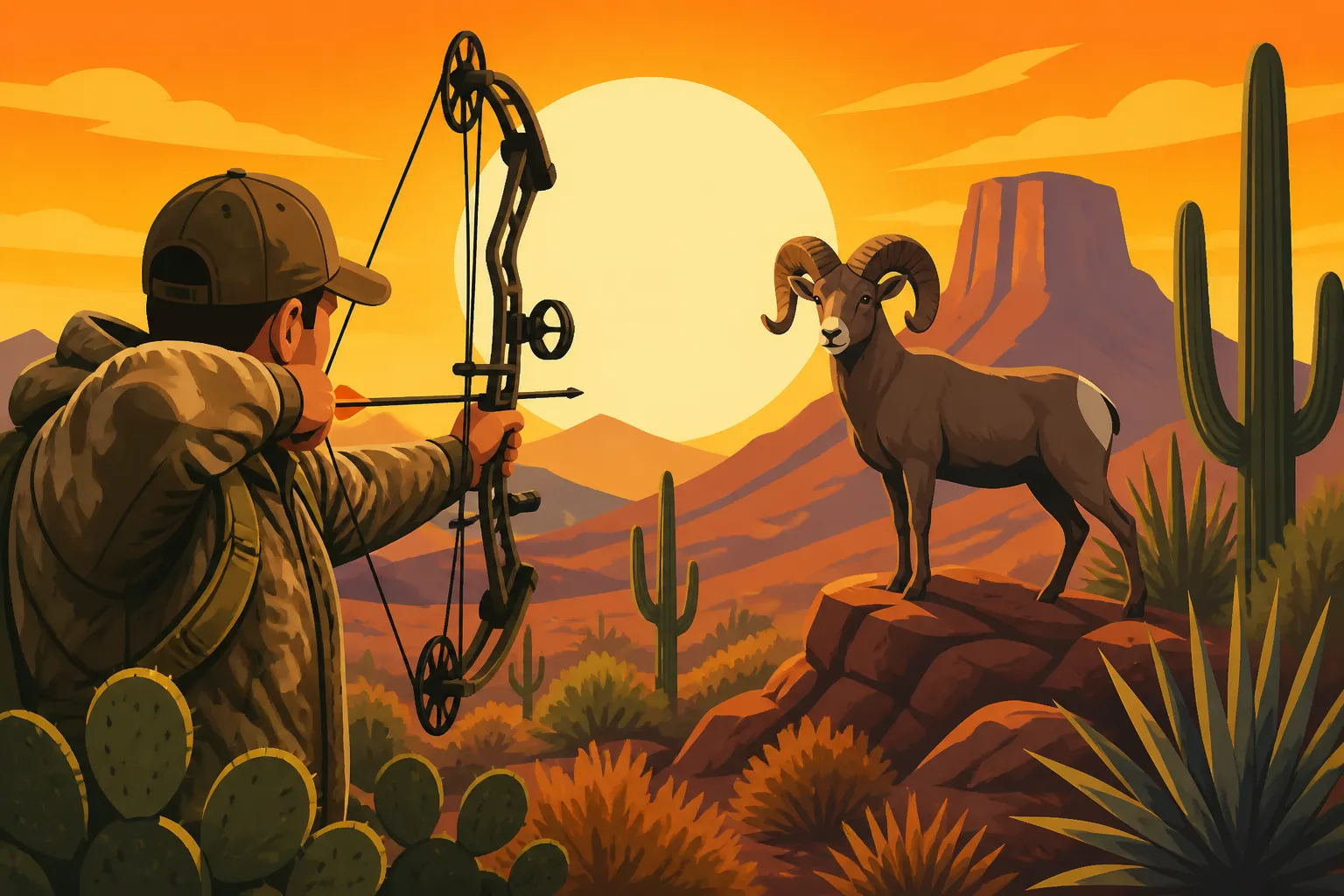
Conservation Tag Hunts in Arizona
Many hunters dream of drawing a premium Arizona tag, but the reality of the lottery system and ever-dwindling odds can be incredibly disheartening. Year after year, applications go in, and many of us are left staring at "unsuccessful" results. It's a tough pill to swallow, especially when you’ve put in the time to build points. This guide is going to pull back the curtain on a different pathway to exceptional hunting opportunities in Arizona: conservation tag hunts. We'll explore what these tags are, how they function, what they cost, and whether they might be the right fit for your hunting aspirations, offering a unique avenue often outside the traditional draw system.
What Exactly Are Conservation Tags?
Conservation tags in Arizona are a special category of hunting permits that are allocated outside of the general public draw. These aren't your typical over-the-counter tags or the ones you apply for through the bonus point system. They exist to generate significant funding for wildlife conservation efforts across the state, and they offer hunters an extraordinary, often once-in-a-lifetime, experience in return for their substantial investment.
Defining the Special Tag
Unlike the tags issued through Arizona's two annual draw cycles, which are primarily based on a lottery system and accumulated bonus points, conservation tags are distinctly different. They are often referred to as "Special Big Game License Tags" or sometimes "Governor's Tags," although the latter isn't an official term. The core difference is how they are acquired and what privileges they convey. These tags are essentially donated by the Arizona Game and Fish Commission to various non-profit conservation organizations. These organizations then either auction or raffle off the tags, using the proceeds to fund critical wildlife projects. This means you don't apply for them in the traditional sense; you bid for them or buy a raffle ticket.
The concept behind these tags is simple: leverage the immense passion and financial capacity of some hunters to significantly benefit all wildlife. While a general draw tag provides a standard hunting experience during a set season in a specific unit, a conservation tag usually comes with expanded privileges. It's not just a permit; it's an investment in the future of the species you're pursuing.
The Purpose Behind the Tags
The primary purpose of conservation tags is to inject substantial, dedicated funding into Arizona's wildlife management and habitat restoration projects. We're talking about real, tangible impacts on the ground that benefit elk, deer, bighorn sheep, and other species. Think about the costs associated with things like critical water developments in arid desert environments, or large-scale habitat improvement projects in burned areas of the Mogollon Rim, or even species reintroduction efforts. These things aren't cheap.
The money raised from these tags helps bridge funding gaps that state agencies often face. It can go towards scientific research to better understand herd health, transplanting animals to establish new populations, or even land acquisition to protect crucial winter ranges. When you hear about successful conservation efforts, there's a good chance that funding from special tags played a role. These funds are carefully managed and often earmarked for specific projects by the conservation organizations in partnership with the Arizona Game and Fish Department.
Species and Units Involved
Conservation tags are typically offered for Arizona's most coveted big game species, often those with high demand and strict management. We're talking about species like trophy elk, big mule deer, Coues deer, desert bighorn sheep, and even bison. The allure, of course, isn't just the guaranteed tag, but often the potential for a truly exceptional animal.
What makes these tags even more appealing is the flexibility they often provide regarding units and season dates. Unlike a standard tag tied to a single unit and a specific hunt date, a conservation tag holder might have the ability to hunt any open unit for that species, often with an extended season window. Imagine the scouting opportunities and the ability to hunt when conditions are absolutely prime, rather than being locked into a short, crowded season. This flexibility is a huge draw for serious hunters seeking the ultimate challenge and opportunity. The value proposition here isn't just drawing a tag; it's drawing the best tag.
How Conservation Tags Work in Arizona
The process for acquiring a conservation tag in Arizona is quite different from the typical application and draw system. Instead of navigating bonus points and random number generators, you're entering into a world of competitive bidding or raffle participation, all facilitated by dedicated conservation organizations.
The Auction Process
For the most coveted species, especially trophy elk and bighorn sheep, conservation tags are frequently sold through high-profile auctions. These aren't quiet, local events; they often take place at national conventions hosted by major conservation groups. Hunters from across the country, often with deep pockets and a profound dedication to conservation, gather to bid on these exclusive permits. The atmosphere can be electric, with bids escalating rapidly into figures that might seem astronomical to the average hunter.
The winning bidder secures the tag, often with privileges that include an extended hunting season, access to multiple units, or even the ability to utilize any legal weapon during their hunt. This flexibility allows for unparalleled scouting and hunting opportunities, giving the tag holder the best possible chance at a truly trophy-class animal. It's important to remember that the money spent on these auction tags is a direct donation to conservation, meaning the hunter is contributing significantly to wildlife management beyond the hunt itself. For those with the means, it's a way to contribute massively while securing a dream hunt. You can often find information about these upcoming auctions through conservation group websites and sometimes even on platforms like GoHunt that track special tag opportunities.
The Raffle System
While auction tags grab headlines for their eye-watering prices, raffle tags offer a more accessible, albeit still exclusive, entry point into the world of conservation hunting. Many conservation organizations also raffle off tags for various species, allowing a broader range of hunters to participate. You purchase raffle tickets, sometimes for a few dollars, sometimes for a more substantial sum, and enter a drawing. The odds are still long, given the high value of these tags, but the cost of entry is significantly lower than an auction bid.
Raffle tags might not always come with the same level of unit flexibility or extended season length as their auction counterparts, but they still represent a guaranteed tag for a prime species, bypassing years of building points in the regular draw. This makes them incredibly appealing for hunters who want to contribute to conservation and get a legitimate shot at an amazing Arizona hunt without the multi-year wait. It's a fantastic way to support the cause and potentially win the hunting lottery of a lifetime. Many hunters keep an eye on these raffles through conservation group newsletters or dedicated hunting forums. How Arizona Auctions Conservation Tags provides more context on the auction side of things.
Tag Holder Privileges
What truly sets conservation tags apart are the extraordinary privileges they bestow upon the fortunate holder. We're not talking about simply drawing an Arizona deer tag for a specific short rifle season in Unit 21. Instead, a conservation tag often grants the hunter an incredibly generous season length, sometimes spanning several months, and often across multiple prime units. Imagine having from August through January to pursue a trophy elk, or the flexibility to choose a specific unit after extensive scouting reveals where the biggest bucks are holding that year.
This extended season means you can hunt during the rut, before the rut, or after, adapting to weather patterns, animal movements, and your own schedule. It dramatically increases your chances of encountering a mature animal in its prime. Furthermore, many conservation tags allow for "any legal weapon" use, meaning you aren't restricted to archery, muzzleloader, or rifle seasons. You can carry the weapon that gives you the best chance of success, tailoring your approach to the conditions and the specific animal you're pursuing. This level of flexibility is simply unavailable through the standard public draw and is a major part of the allure, transforming a challenging hunt into a truly strategic pursuit. This also contrasts sharply with the specific dates and units dictated by tags acquired through the regular system, such as those detailed in Arizona Elk Season Structure by Hunt Code.
The Investment: What Conservation Tags Cost
It's no secret that conservation tags represent a significant financial commitment. This isn't a cheap deer tag you pick up over the counter for a modest fee. These are premium opportunities, and their prices reflect both their scarcity and the incredible conservation benefit they provide.
Auction Tag Price Ranges
When we talk about auction tags, we are truly entering the realm of high-dollar expenditures. The prices for these tags can vary wildly depending on the species, the perceived trophy quality of the units included, and the overall enthusiasm of the bidders. For a premier Arizona elk tag, for example, bids often climb into the tens of thousands of dollars, and sometimes well beyond. Bighorn sheep tags, particularly for desert bighorns in prime Arizona ranges, can command even higher sums, occasionally reaching six figures. This is why you often see these tags being purchased by foundations, corporate sponsors, or extremely passionate and affluent individual hunters.
Watching these auctions unfold can be quite a spectacle. Each bid represents a direct investment in the future of that species, making it a unique form of philanthropy tied to the pursuit of an extraordinary hunting experience. It's certainly not for everyone, but for those who participate, the return is not just a tag, but the knowledge that they've made a monumental difference for Arizona's wildlife. This is a very different proposition than applying for A Nonresident Arizona Elk Tag Runs $665 Plus License in the general draw.
Raffle Tag Costs
While auction tags are largely out of reach for most hunters, raffle tags present a more accessible, though still substantial, investment. Instead of bidding against a room full of competitors, you're buying tickets for a drawing. The cost of individual raffle tickets can range from modest amounts, perhaps twenty-five or fifty dollars each, up to several hundred dollars for a single entry. Many conservation organizations offer bundles of tickets, incentivizing larger contributions.
While the upfront cost for a raffle ticket is significantly less than an auction bid, the total amount raised through a single raffle can still be considerable, as thousands of hunters participate. This allows many more individuals to support conservation and have a chance at a dream hunt. The key takeaway here is that even raffle tags, while more affordable, still contribute meaningfully to conservation funds. It’s an opportunity to get involved, support wildlife, and potentially draw a tag that most hunters only dream of.
Value Beyond the Tag
When you acquire a conservation tag, whether through auction or raffle, you're not just paying for a piece of paper that says you can hunt. You're investing in an entire experience and, perhaps more importantly, contributing to a legacy. The sheer flexibility of these tags—the extended seasons, the choice of units, the "any legal weapon" option—provides an unparalleled hunting opportunity. It significantly increases your chances of a successful and memorable hunt, often for a truly mature animal.
Beyond the personal hunting experience, the value lies in the profound impact your investment has on wildlife conservation. Every dollar spent directly supports habitat improvements, population studies, disease management, and other vital initiatives that benefit the species you're pursuing and the entire ecosystem. This is a unique way for hunters to give back, ensuring that future generations will have abundant wildlife and robust hunting opportunities. It’s a powerful statement about the role of hunters as conservationists, offering a return that goes far beyond the field. More about the general cost expectations can be found in What a Conservation Tag Hunt Costs.
Who Benefits from Conservation Tag Sales
The funds generated from conservation tag sales don't just disappear into a general budget. They are specifically designated to support tangible, impactful projects that benefit wildlife and their habitats across Arizona. This creates a direct link between the hunter's investment and real-world conservation outcomes.
Direct Wildlife Projects
One of the most significant benefits of conservation tag funding is its direct application to wildlife projects. Imagine the crucial work of enhancing habitat in the arid desert. Many projects funded by these tags focus on developing and maintaining essential water sources, known as guzzlers, which are lifelines for desert bighorns, mule deer, and other animals during long, dry periods. Water Development Projects Built for Wildlife are often a direct recipient of these funds. Without these sources, wildlife populations would struggle immensely.
Other projects might involve restoring critical migration corridors that have been impacted by development, or implementing prescribed burns to improve forage quality in elk country. These aren't abstract concepts; they are boots-on-the-ground efforts that directly impact the health and abundance of Arizona's game species. The money translates into more food, more water, and healthier environments for the animals we all cherish. Hunters who participate in these programs are effectively becoming major patrons of Arizona's wild places.
Hunter Advocacy Groups
The non-profit conservation organizations that administer these tags are often deeply involved in hunter advocacy. Groups like the Wild Sheep Foundation, Rocky Mountain Elk Foundation, Mule Deer Foundation, and others work tirelessly not only to fund wildlife projects but also to represent the interests of hunters and ensure the future of hunting. When you purchase a conservation tag, a portion of the funds, or sometimes all of it, goes directly to these organizations.
These groups then leverage those funds for a variety of purposes: lobbying for sound wildlife policies, educating the public about the importance of hunting as a conservation tool, and organizing volunteer efforts for habitat work. They are the voice of hunting, ensuring that our traditions and values are represented at legislative levels and that wildlife management remains science-based. Your investment, therefore, extends beyond direct habitat work to strengthen the very foundation of hunting and conservation in Arizona.
Long-Term Management
The cumulative impact of conservation tag sales is perhaps most profound in its contribution to long-term wildlife management strategies. The funds allow Arizona Game and Fish to undertake extensive research and monitoring efforts that might otherwise be underfunded. For example, understanding population dynamics, disease prevalence, or the effects of environmental changes on specific herds requires consistent data collection and analysis. How Biologists Count a Desert Big Game Herd is an expensive and ongoing process.
By providing a reliable stream of significant funding, conservation tags help ensure that biologists have the resources to make informed decisions that promote healthy, sustainable wildlife populations well into the future. This proactive management approach, from conducting aerial surveys to genetic studies, is essential for responding to challenges like drought, wildfire, or disease outbreaks. In essence, these tags don't just pay for immediate needs; they build capacity for the sustained stewardship of Arizona's incredible natural resources, creating a robust framework for generations to come.
Finding and Applying for Conservation Tags
Unlike the standard draw where you apply through the Arizona Game and Fish Department portal, finding conservation tags requires a different approach. You're looking for opportunities hosted by specific non-profit organizations rather than the state agency itself.
Official Arizona Game and Fish Resources
While the Arizona Game and Fish Department (AZGFD) doesn't sell these tags directly, they are integral to the process. The AZGFD Commission approves the allocation of these special tags to specific conservation organizations each year. Therefore, a great starting point for understanding which tags are available and which organizations have received them is the AZGFD website. They typically publish a list of the special big game license tags, the species they cover, and the organizations to which they've been awarded. This information will point you directly to the source for auction or raffle participation.
Keeping an eye on the AZGFD's official publications, press releases, and commission meeting minutes can give you an early heads-up on upcoming opportunities. It's the official public record of these special allocations, ensuring transparency in the process. While you won't apply here, it's the first step in knowing where to apply.
Conservation Group Websites
Once you know which organizations have received conservation tags, your next step is to visit their individual websites. Major national groups like the Rocky Mountain Elk Foundation (RMEF), Wild Sheep Foundation (WSF), Mule Deer Foundation (MDF), and others are key players in this system. Each organization will typically have a dedicated section on their website detailing the tags they are auctioning or raffling. This is where you'll find the specific rules, dates, and costs for participating.
These sites are your direct portal to buying raffle tickets or registering for an auction. Many will offer comprehensive information about the tag, including the potential units, season dates, and even the specific conservation projects that the funds will support. Make sure to sign up for their newsletters or email lists, as this is often how they announce new tag opportunities and critical deadlines. If you're seriously considering one of these hunts, becoming familiar with these organizations and their offerings is paramount.
Third-Party Platforms
In addition to the official channels and conservation group sites, there are specialized third-party platforms that aggregate information about these unique hunting opportunities. Websites like BookYourHunt and GoHunt often provide calendars, articles, and even direct links to purchase raffle tickets or register for auctions hosted by various organizations. These platforms can be incredibly useful for hunters who want a centralized place to browse all available conservation tags across different states and species.
While these platforms don't sell the tags themselves, they act as valuable hubs of information, helping hunters navigate the somewhat complex landscape of special tag opportunities. They might offer insights into past tag values, strategies for participating, and general advice for those considering a significant investment in a conservation hunt. Using these resources can save you a lot of time and ensure you don't miss out on an opportunity to secure one of these highly sought-after tags. Where Arizona Lists Registered Hunting Guides could also be a place to find guides specializing in these kinds of hunts, given the unique nature of the tags.
| Tag Type | Acquisition Method | Typical Cost Range | Flexibility / Privileges | Primary Goal |
|---|---|---|---|---|
| Auction Tag | Competitive Bid | Tens to Hundreds of Thousands of $ | Extremely High (Units, Seasons, Weapon) | Maximize Conservation Funding |
| Raffle Tag | Raffle Ticket Purchase | $25 – $500+ per ticket | High (Guaranteed Tag, often Extended Season) | Broaden Participation, Fund Conservation |
| General Draw | Lottery System | Standard Tag Fee ($$ hundreds) | Limited (Specific Unit, Season, Weapon) | Manage Harvest, Provide Public Opportunity |
Is a Conservation Tag Hunt Right for You?
Deciding whether to pursue a conservation tag is a significant decision, far beyond simply checking draw odds. It involves weighing considerable financial investment against unparalleled hunting opportunity and a deep commitment to conservation.
Pros: Guaranteed Tag, Flexibility, Unique Experience
The advantages of a conservation tag are undeniably compelling, especially for hunters who have spent years accumulating bonus points with little to show for it. The biggest draw, of course, is the guaranteed tag. No more anxious waiting for draw results, no more disappointment. You know you have a permit for a premier species in Arizona. This certainty alone can be worth a lot to a dedicated hunter.
Beyond the guarantee, the flexibility these tags offer is a game-changer. Imagine scouting a unit throughout the year, identifying the perfect buck or bull, and then having an extended season window to hunt when conditions are absolutely ideal. If the rut is slow one week, you can wait for the next. If a snowstorm moves in, you can capitalize on it. You're not restricted to a rigid, often crowded, timeframe. This freedom, combined with the "any legal weapon" option on many tags, vastly increases your chances of a truly successful and memorable hunt for a top-tier animal. It's an experience that transcends a typical hunt, becoming a highly personalized and strategic pursuit of a lifetime trophy. This guaranteed access is a stark contrast to waiting for The Arizona Bonus Point Pass Awards the First Twenty Percent in the general draw.
Cons: High Cost, Public Scrutiny, Different Hunting Style
While the allure of a conservation tag is strong, it's crucial to consider the downsides honestly. The most obvious hurdle is the astronomical cost. For auction tags, we're talking about sums that can rival a down payment on a house or even a luxury vehicle. This simply puts them out of reach for the vast majority of hunters, making them an exclusive opportunity for the extremely affluent. Even raffle tickets, while more affordable, add up if you buy many, and the odds remain long.
Another factor to consider, particularly for high-profile auction tags, is the potential for public scrutiny. Hunting these tags often means chasing a truly massive animal, which can draw attention, both positive and negative, especially in today's social media age. Some hunters prefer a more private, understated experience. Finally, the hunting style itself can be different. While you have incredible flexibility, the pressure to make the most of such a significant investment can be immense. It's often a highly guided, meticulously planned affair, which might not appeal to the DIY hunter who relishes the challenge of completely self-reliant public land hunting. Planning a DIY Public Land Hunt in Arizona offers a completely different experience.
Making the Decision
Ultimately, the decision to pursue a conservation tag hinges on a combination of financial capacity, personal values, and hunting aspirations. If you have the financial means and a deep desire to not only secure a guaranteed, top-tier hunt but also to make a significant philanthropic contribution to wildlife, then a conservation tag might be an extraordinary fit. It's a way to fuse your passion for hunting with a powerful commitment to conservation.
However, if the cost is prohibitive, or if you prioritize the challenge and satisfaction of earning a tag through the draw and executing a self-guided hunt on public land, then the traditional Arizona draw system, augmented by careful scouting and strategic point building, remains the path for you. Both approaches contribute to wildlife conservation in different ways. It's about aligning your resources and your spirit of adventure with the unique opportunities that Arizona hunting provides. For those considering a guided hunt to maximize their chances, researching What a Guided Arizona Elk Hunt Costs might be a good comparison point for financial investment.
Disclaimer
This article is for general informational purposes only and does not constitute professional advice. Laws, prices and regulations vary by location and change over time. Consult a qualified professional for guidance on your specific situation.